Ulcerative Colitis Symptoms Explained: Common Triggers and Red Flags

Ulcerative colitis symptoms often include diarrhea, blood or mucus in the stool, urgency, abdominal pain, and fatigue. Symptoms may range from mild to severe and usually come in flares followed by quieter periods.
Key Takeaways
- Ulcerative colitis symptoms often include diarrhea, blood or mucus in the stool, urgency, abdominal pain, and fatigue.
- Symptoms may range from mild to severe and usually come in flares followed by quieter periods.
- Triggers do not cause ulcerative colitis itself, but stress, infections, certain medicines, and diet changes may worsen symptoms in some people.
- Diagnosis typically combines symptom history, stool tests, blood tests, and colonoscopy with biopsy.
- Treatment aims to calm inflammation, control symptoms, prevent flares, and protect long-term bowel health.
- Severe bleeding, dehydration, fever, rapid worsening, or intense abdominal pain are red flags that need urgent medical evaluation.
Ulcerative colitis symptoms usually involve repeated diarrhea, urgency to have a bowel movement, rectal bleeding, abdominal cramping, and tiredness. Symptoms can come and go in flares, and certain warning signs such as heavy bleeding, dehydration, severe pain, or fever should be assessed promptly by a doctor.
Overview: what ulcerative colitis symptoms usually feel like
Ulcerative colitis symptoms most often affect the large intestine and rectum. Many people notice urgent diarrhea, blood in the stool, cramping, rectal discomfort, and a repeated feeling that they still need to empty the bowel. Fatigue is also common, especially during active inflammation or when blood loss leads to anemia.
Symptoms do not always stay the same. Ulcerative colitis often follows a pattern of flares and remission, meaning symptoms can worsen for a period of time and then improve. Some people have only mild episodes, while others have more persistent symptoms that interfere with work, sleep, eating, and daily routines.
Because these symptoms overlap with infections, hemorrhoids, irritable bowel syndrome, and other digestive conditions, medical assessment matters. A specialist may also consider related forms of inflammatory bowel disease, including Crohn’s disease, when symptoms are less typical or affect more than the colon.
Common symptoms and how they can vary
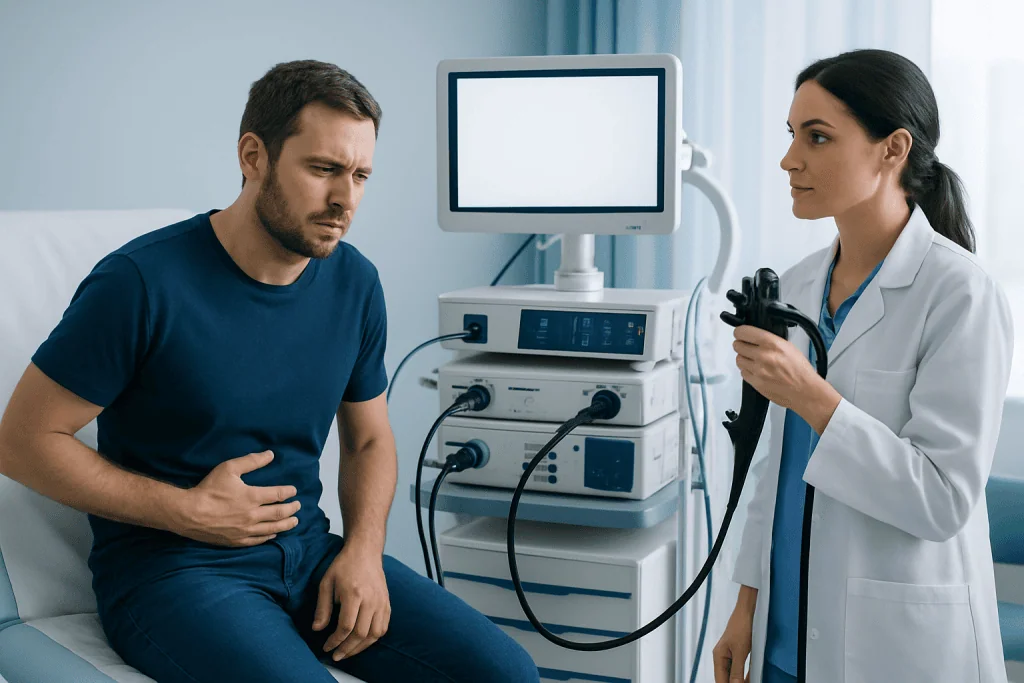
The most common ulcerative colitis symptoms include loose stools, frequent bowel movements, rectal bleeding, mucus in the stool, abdominal cramping, and sudden urgency to use the toilet. Some people feel pain mainly in the lower abdomen, while others describe a general sense of bloating or discomfort. Tenesmus, the sensation of needing to pass stool even when the bowel is mostly empty, is another classic symptom.
Severity can differ from person to person. Mild disease may cause a few stools a day with small amounts of blood, while moderate or severe disease can lead to many bowel movements, nighttime symptoms, weight loss, weakness, and trouble maintaining hydration. In some cases, symptoms begin gradually; in others, they become noticeable over days or weeks.
Ulcerative colitis can also affect the body beyond the bowel. People may experience reduced appetite, low-grade fever during a flare, joint pain, mouth ulcers, or skin and eye inflammation. These extraintestinal features do not happen to everyone, but they can help doctors recognize that bowel symptoms are part of a broader inflammatory condition.
- Diarrhea, often recurring for days or weeks
- Blood and/or mucus in the stool
- Urgency and frequent trips to the bathroom
- Abdominal cramps or rectal pain
- Fatigue, low energy, or dizziness
- Weight loss or poor appetite during flares
What can trigger or worsen symptoms?

Ulcerative colitis is a chronic inflammatory condition, and triggers do not directly cause the disease. However, certain factors may make symptoms more noticeable or contribute to a flare in some people. Triggers are not identical for everyone, so keeping a symptom diary can be useful when patterns are unclear.
Common flare-related factors include gastrointestinal infections, missed medication, emotional stress, poor sleep, and use of certain medicines such as nonsteroidal anti-inflammatory drugs. Some people notice that high-fat meals, alcohol, spicy foods, or large amounts of caffeine worsen diarrhea or cramping, especially when the bowel is already inflamed. During active disease, lactose intolerance or temporary sensitivity to high-fiber foods may also become more apparent.
Hormonal changes, smoking cessation history, and recent antibiotics may also affect bowel habits, although these links are complex. It is helpful to remember that food usually does not cause ulcerative colitis, and highly restrictive diets are not routinely recommended unless a clinician advises them. The goal is to identify personal symptom aggravators while maintaining balanced nutrition.
How doctors confirm the cause of symptoms
Because ulcerative colitis symptoms can resemble several other digestive disorders, diagnosis usually starts with a careful review of bowel habits, bleeding, pain, weight changes, family history, and recent infections or travel. The doctor may ask when symptoms began, whether they wake the person at night, and how often blood appears in the stool.
Initial testing commonly includes blood work to look for anemia and signs of inflammation, along with stool tests to rule out infection and check for intestinal inflammation. These steps help distinguish inflammatory bowel disease from conditions that can produce similar symptoms, such as bacterial colitis, parasite infection, or functional bowel disorders.
The most informative test is usually colonoscopy with biopsy. This allows the specialist to see the lining of the colon directly, check how far inflammation extends, and take small tissue samples for confirmation. In many cases, this evaluation is part of a broader gastroenterology assessment and may be paired with imaging if complications are suspected or symptoms are unusually severe.
Treatment options that help control symptoms
Treatment is guided by how severe the symptoms are, how much of the colon is involved, and whether the person is in a flare or remission. The aim is to reduce inflammation, stop bleeding and diarrhea, improve quality of life, and lower the chance of future flares. Many people need long-term follow-up even when they feel well.
Medicines may include anti-inflammatory drugs, corticosteroids for short-term flare control, immune-modifying treatments, or biologic therapies for moderate to severe disease. Not every patient needs the same approach, and treatment often changes over time based on symptoms, test results, and response. If nutrition has been affected, iron replacement or dietary support may also be recommended.
When symptoms are severe, hospitalization may be needed for fluids, monitoring, and intensive treatment. Surgery can be an important option if disease remains uncontrolled, complications develop, or the colon has significant damage. Depending on the clinical situation, doctors may discuss advanced care through colorectal surgery or individualized inflammatory bowel disease treatment planning.
Prevention, self-care, and living with flares
There is no guaranteed way to prevent ulcerative colitis, but self-care can help reduce symptom burden and support recovery during treatment. Taking prescribed medicine consistently is one of the most important steps, even when symptoms improve. Stopping medication without medical advice can increase the risk of a flare.
Helpful daily habits often include drinking enough fluids, eating regular meals, avoiding foods that clearly worsen symptoms, and choosing simpler, lower-residue meals during an active flare if advised by a clinician. Some people benefit from meeting a dietitian to maintain weight, protein intake, and vitamin levels. Gentle physical activity, stress management, and adequate sleep can also support overall wellbeing.
People with ongoing symptoms may need monitoring for anemia, nutritional deficiencies, bone health, and colon health over time. It can also help to plan ahead for urgency by identifying nearby bathrooms, carrying a change of clothes, and discussing flare plans with the care team. For international patients seeking coordinated care, Acibadem International’s multidisciplinary specialists and JCI-accredited hospitals diagnose and treat ulcerative colitis and related bowel conditions.
When to seek medical care
Anyone with ongoing blood in the stool, persistent diarrhea, unexplained weight loss, or abdominal pain that keeps returning should arrange a medical evaluation. These symptoms do not always mean ulcerative colitis, but they should not be ignored, especially if they last more than a few days or interfere with normal activities.
Prompt medical care is particularly important if symptoms suddenly worsen. Red flags include heavy rectal bleeding, signs of dehydration, severe abdominal swelling or pain, repeated vomiting, fever, fainting, or an inability to keep fluids down. These symptoms may signal a severe flare, infection, or another urgent bowel problem.
People who already have ulcerative colitis should contact their doctor if their usual medicines stop working, nighttime bowel movements increase, bleeding becomes more frequent, or fatigue becomes pronounced. Early review can help prevent complications and may reduce the need for emergency care.
Frequently asked questions
What are the first signs of ulcerative colitis?
Early ulcerative colitis symptoms often include diarrhea, urgency to use the bathroom, abdominal cramping, and blood or mucus in the stool. Some people also notice fatigue or a feeling of incomplete bowel emptying.
Does ulcerative colitis always cause blood in the stool?
Blood in the stool is common in ulcerative colitis, but not every person has obvious bleeding all the time. The amount can vary from small streaks to more noticeable bleeding during a flare.
Can stress cause ulcerative colitis symptoms?
Stress does not directly cause ulcerative colitis, but it may worsen symptoms or make flares feel harder to manage in some people. Stress reduction is helpful as part of overall care, but it does not replace medical treatment.
How is ulcerative colitis different from irritable bowel syndrome?
Ulcerative colitis is an inflammatory disease that can damage the lining of the colon and cause bleeding. Irritable bowel syndrome affects bowel function but does not cause the same type of inflammation or tissue injury.
What foods make ulcerative colitis symptoms worse?
There is no single ulcerative colitis diet that affects everyone the same way. During flares, some people find that spicy foods, alcohol, caffeine, high-fat meals, or certain high-fiber foods worsen cramps or diarrhea.
When should someone go to the emergency room for ulcerative colitis symptoms?
Emergency care is appropriate for heavy bleeding, severe abdominal pain or swelling, high fever, fainting, repeated vomiting, or signs of dehydration such as very little urine and marked weakness. These symptoms need prompt medical assessment.
References
- National Institute of Diabetes and Digestive and Kidney Diseases
- Centers for Disease Control and Prevention
- American College of Gastroenterology
- Crohn’s & Colitis Foundation
- National Health Service
This article is for general information only and is not a substitute for professional medical advice. Please consult a qualified doctor about your individual situation.
Ulcerative Colitis in Turkey — costs, top hospitals & a free quote
JCI-accredited · board-certified surgeons · reply within 24h
Add us as a Preferred Source to see more of our trusted health content across Google Search, AI Overviews and Discover.