Ulnar Styloid Process — Explained by Medical Evidence, Not Myths

The ulnar styloid process is a normal bony projection on the little-finger side of the wrist. It helps support wrist stability through its connection to important ligaments and the triangular fibrocartilage complex.
Key Takeaways
- The ulnar styloid process is a normal bony projection on the little-finger side of the wrist.
- It helps support wrist stability through its connection to important ligaments and the triangular fibrocartilage complex.
- Pain near the ulnar styloid process may come from overuse, sprain, inflammation, arthritis, or fracture.
- Diagnosis usually combines a physical exam with imaging such as X-rays and sometimes MRI or CT.
- Treatment depends on the cause and may include rest, splinting, rehabilitation, or surgery in selected cases.
- Persistent wrist pain, swelling, weakness, or pain after trauma should be assessed by a qualified doctor.
The ulnar styloid process is the small pointed part of the ulna at the wrist. It plays an important role in wrist stability, and pain in this area can be linked to strain, inflammation, ligament injury, or fracture rather than myths about “mysterious wrist pain.”
Overview: what the ulnar styloid process is
The ulnar styloid process is a small, pointed piece of bone at the end of the ulna, one of the two forearm bones. It is located on the little-finger side of the wrist and can often be felt just under the skin. Although it is small, it has an important job: it serves as an attachment point for structures that help keep the wrist stable during everyday movements.
In simple terms, the ulnar styloid process is part of the wrist’s support system. It works together with ligaments and the triangular fibrocartilage complex, often called the TFCC, to help the wrist rotate and bear load. This means it contributes to actions such as turning a doorknob, lifting a bag, typing, gripping, and pushing up from a chair.
Many people search for the term because they have pain on the outer side of the wrist, have seen it mentioned on an X-ray report, or are trying to understand a fracture. The key point is that the ulnar styloid process itself is not usually a problem unless the surrounding tissues are irritated or the bone has been injured. Understanding the anatomy helps explain why symptoms in this area can vary from mild soreness to significant instability after trauma.
Why this small wrist structure matters
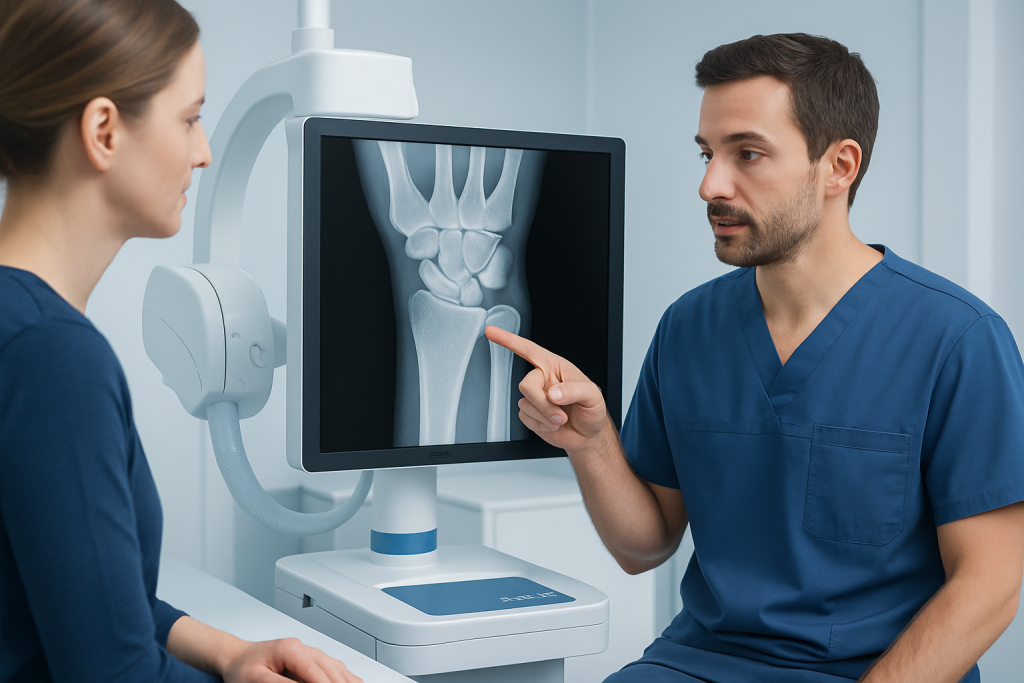
What makes the ulnar styloid process medically important is not just its shape, but its location. Nearby are the distal radioulnar joint, which allows the forearm to rotate, and the TFCC, which acts like a cushion and stabilizer on the ulnar side of the wrist. Injury to this region can affect comfort, strength, and smooth wrist motion.
This is one reason the same area may be involved in several different conditions. A person might have a simple bruise, tendon irritation, a ligament injury, or a fracture that includes the ulnar styloid process. In some cases, it appears on imaging along with a distal radius fracture. In others, symptoms are related more to soft tissue damage than to the small bone itself.
Because this region is complex, pain at the ulnar styloid process should not be reduced to myths such as “it is only a minor wrist ache” or “if the X-ray looks small, it cannot matter.” The real clinical question is whether the wrist remains stable and whether the nearby cartilage, ligaments, and joint surfaces are functioning normally. When needed, specialists may also evaluate related problems such as wrist conditions that affect hand function to make sure symptoms are being interpreted correctly.
Symptoms linked to the ulnar styloid process

Symptoms can vary widely depending on the cause. Some people notice a sharp or aching pain on the little-finger side of the wrist, especially when twisting the forearm, gripping objects, or pushing through the hand. Others feel tenderness when pressing directly over the bony point. Mild swelling, clicking, reduced range of motion, or a sense of weakness may also occur.
If the area has been injured, symptoms can appear suddenly after a fall, sports impact, or direct blow. A fracture may cause immediate pain, swelling, bruising, and difficulty moving the wrist. In contrast, overuse or inflammation may build gradually over time and may become more noticeable with repetitive activities such as racquet sports, weight training, manual work, or prolonged computer use.
Not every symptom means there is a fracture. Similar discomfort can happen with TFCC irritation, tendinitis, arthritis, or instability of the distal radioulnar joint. Common complaints include:
- Pain on the ulnar, or little-finger, side of the wrist
- Tenderness over the ulnar styloid process
- Swelling after injury or repetitive strain
- Pain with turning a key, opening jars, or lifting
- Clicking, catching, or a feeling that the wrist is giving way
- Reduced grip strength or difficulty bearing weight on the hand
Common causes and risk factors
The most direct cause of pain at the ulnar styloid process is injury. Falls onto an outstretched hand are a common reason, especially when the wrist is twisted at impact. The styloid can fracture by itself, but it more often appears as part of a broader wrist injury, especially alongside a distal radius fracture. Whether that fracture needs specific treatment depends on its size, displacement, and whether the wrist joint remains stable.
Another important cause is irritation or tearing of the TFCC, the soft tissue structure attached near the ulnar styloid process. TFCC injuries may result from trauma or from repetitive loading and rotation. They can create pain that feels deep, especially with forearm turning or pushing through the wrist. Tendon inflammation, particularly involving the extensor carpi ulnaris tendon, can also cause pain in a similar area.
Risk factors include contact sports, racquet sports, falls, repetitive manual work, prior wrist injury, and age-related wear. Some people also have natural differences in wrist anatomy that can place more load on the ulnar side of the joint. Doctors may evaluate for associated conditions such as wrist ganglion cysts or other structural causes if there is a visible lump or ongoing discomfort. Persistent or complex pain sometimes leads to advanced assessment and, when appropriate, orthopedic evaluation and treatment.
How doctors diagnose the problem
Diagnosis begins with the story of the symptoms. A doctor will usually ask when the pain started, whether there was a fall or twisting injury, what movements trigger it, and whether there is numbness, weakness, or clicking. A physical examination follows, focusing on tenderness, swelling, stability, range of motion, grip strength, and whether forearm rotation reproduces pain.
X-rays are often the first imaging test, especially after trauma. They can identify many fractures and show the alignment of the wrist bones. However, an X-ray may not fully explain symptoms if the main issue is a ligament or cartilage injury. In that situation, further imaging such as MRI may help evaluate the TFCC, tendons, and other soft tissues, while CT can provide more detailed information about bone anatomy in selected cases.
Sometimes the most important diagnostic question is not simply whether the ulnar styloid process is fractured, but whether the distal radioulnar joint is stable. That is because a small fracture can be clinically minor in one person and more significant in another if the supporting structures are also damaged. Depending on the findings, care may involve MRI imaging or radiology assessment to clarify the exact source of symptoms.
Treatment options and recovery
Treatment depends on the cause, the severity of symptoms, and whether the wrist is stable. For minor strains, inflammation, or stable nondisplaced fractures, conservative treatment is often appropriate. This may include rest, avoiding painful activities, a splint or brace, ice in the early phase after injury, and guidance on safe pain relief from a doctor. As symptoms settle, gradual exercises can help restore motion and strength.
If the problem involves soft tissue injury, structured rehabilitation is often important. Hand and wrist therapy may focus on range of motion, forearm rotation, grip strengthening, and improving the mechanics of daily activities or sports technique. Recovery time varies. Some mild cases improve over a few weeks, while fractures or ligament injuries may take longer and need closer follow-up.
Surgery is not necessary for most people, but it may be considered when there is significant displacement, persistent instability of the distal radioulnar joint, severe TFCC injury, nonunion, or ongoing pain despite appropriate conservative care. Surgical planning is individualized and may address the bone, the ligaments, or both. Near the end of the care journey, some patients benefit from physical therapy and rehabilitation to regain confidence and function. Acibadem International’s multidisciplinary specialists in JCI-accredited hospitals also diagnose and treat wrist injuries for international patients when specialized evaluation is needed.
Self-care, prevention, and when to seek medical care
Self-care starts with reducing strain on the wrist while symptoms are being assessed or recovering. Supportive steps can include temporarily limiting heavy lifting, repetitive twisting, prolonged gripping, or impact sports. Good technique during exercise, proper workstation setup, and regular breaks from repetitive tasks may also reduce stress on the ulnar side of the wrist.
Prevention is not always possible, especially with accidents, but some habits can help protect wrist function. Strengthening the forearm and hand under professional guidance, using protective equipment in sport, and treating earlier wrist pain before it becomes chronic may lower the risk of recurrent problems. After a previous wrist injury, a gradual return to activity is usually safer than an abrupt increase in load.
Medical care should be sought promptly after a fall or direct injury if there is significant pain, swelling, bruising, deformity, or inability to use the hand. A person should also arrange medical assessment if pain lasts more than a few days, keeps returning, or is accompanied by clicking, weakness, reduced movement, or numbness. Early evaluation can help distinguish a simple strain from a fracture, TFCC injury, or another wrist condition and support the right treatment plan.
Frequently asked questions
Is the ulnar styloid process a normal part of the body?
Yes. The ulnar styloid process is a normal bony projection at the end of the ulna on the little-finger side of the wrist. It helps support wrist stability by serving as an attachment point for important ligaments and the TFCC.
Can a person feel the ulnar styloid process from the outside?
Often, yes. In many people it can be felt as a small firm prominence on the ulnar side of the wrist. Feeling it does not by itself mean there is a problem unless it is painful, swollen, or changed after an injury.
Does pain at the ulnar styloid process always mean a fracture?
No. Pain in this area can come from several causes, including sprain, TFCC injury, tendon irritation, arthritis, or instability, in addition to fracture. A clinical assessment and sometimes imaging are needed to identify the exact cause.
How is an ulnar styloid fracture treated?
Treatment depends on whether the fracture is displaced and whether the wrist joint is stable. Many stable fractures are treated with immobilization and follow-up, while more complex injuries may need specialist care and sometimes surgery.
What is the connection between the ulnar styloid process and the TFCC?
The TFCC attaches near the ulnar styloid process and helps stabilize the ulnar side of the wrist and the distal radioulnar joint. Because of this close relationship, injury to one area can affect the other and cause similar symptoms.
When should someone see a doctor for ulnar-sided wrist pain?
A doctor should be consulted after trauma if there is swelling, bruising, severe pain, reduced movement, or trouble using the hand. Medical review is also important when pain persists, keeps returning, or interferes with work, exercise, sleep, or daily activities.
This article is for general information only and is not a substitute for professional medical advice. Please consult a qualified doctor about your individual situation.
Joint and spine care in Turkey — expert assessment & treatment
JCI-accredited · board-certified surgeons · reply within 24h
Add us as a Preferred Source to see more of our trusted health content across Google Search, AI Overviews and Discover.

More from the Health Library

Inderal for Anxiety: What Patients Need to Know

Butt Muscles: An Evidence-Based Guide for Patients

Lung Nodule: What Patients Need to Know

Lavender Oil: An Evidence-Based Guide for Patients

Brown Stuff Coming Out of Vagina — Explained by Medical Evidence, Not Myths