

Umbilicus During Pregnancy Explained: Causes, Management, and When to See a Doctor

A changing belly button in pregnancy is usually a normal effect of stretching skin and abdominal pressure. An umbilicus may flatten, become more sensitive, or temporarily protrude later in pregnancy.
Key Takeaways
- A changing belly button in pregnancy is usually a normal effect of stretching skin and abdominal pressure.
- An umbilicus may flatten, become more sensitive, or temporarily protrude later in pregnancy.
- Pain, redness, swelling, discharge, or a persistent bulge may point to a hernia, skin irritation, or infection.
- Supportive clothing, gentle skin care, and avoiding pressure on the area can help relieve discomfort.
- Medical review is important if symptoms are severe, sudden, or associated with fever, vomiting, or a tender lump.
Umbilicus during pregnancy commonly changes as the growing uterus stretches the abdominal wall and skin. In most cases, a flatter or more prominent belly button is harmless, but pain, redness, discharge, or a firm bulge should be assessed by a doctor.
Overview: what happens to the umbilicus during pregnancy?
The term umbilicus during pregnancy refers to the changes many women notice in the belly button as the abdomen grows. The skin stretches, the abdominal wall thins, and pressure inside the abdomen increases as the uterus expands. Because of this, the belly button may look flatter, wider, more sensitive, or more prominent than usual.
These changes are usually normal and temporary. For many women, the belly button gradually returns closer to its pre-pregnancy appearance after delivery, although it may not look exactly the same. The exact change depends on body shape, skin elasticity, previous pregnancies, and whether there is a pre-existing weakness in the abdominal wall.
What matters most is not only the appearance of the umbilicus, but whether there are symptoms such as pain, tenderness, redness, discharge, or a distinct bulge that does not reduce. Those features can suggest a condition that deserves medical evaluation rather than a routine pregnancy change.
Normal belly button changes in pregnancy
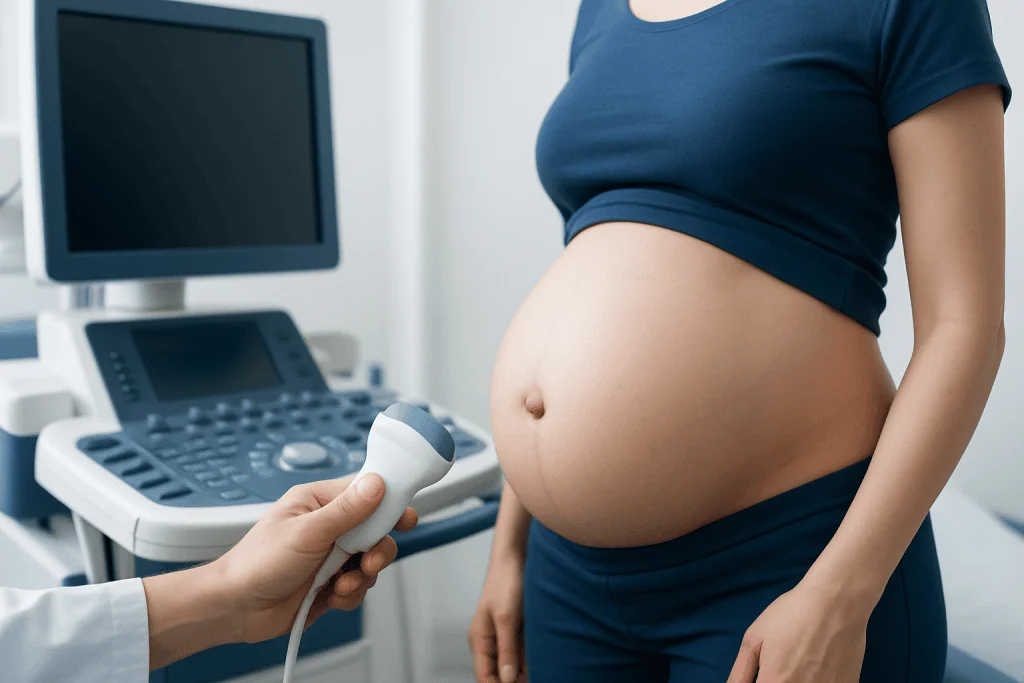
As pregnancy progresses, the belly button may shift from an “innie” to a flatter shape or an “outie.” This often becomes more noticeable in the second or third trimester, when the uterus rises higher in the abdomen. Some women also notice itching or mild sensitivity around the navel because the skin is under tension.
These normal changes happen because the tissues around the navel are being pulled outward. The belly button itself is a natural weak point in the abdominal wall, so it responds visibly as the abdomen stretches. Mild pressure or occasional awareness of the area can be expected, especially when bending, laughing, or getting up from bed.
Normal changes are usually not accompanied by significant pain or signs of inflammation. The area should not be markedly red, hot, draining fluid, or associated with a hard, tender lump. If those features appear, the cause may be something other than simple stretching.
- Flattening of the belly button
- Temporary protrusion in late pregnancy
- Mild itching from stretched skin
- Increased sensitivity to clothing or touch
Why the umbilicus can hurt or look unusual
Several different factors can affect the umbilicus during pregnancy. The most common is ordinary skin and tissue stretching. As the abdominal wall expands, nerves in the area may become more sensitive, and tight clothing can add friction. Dry skin can also make the navel itchy or uncomfortable.
Another possible reason is separation of the abdominal muscles, called diastasis recti. This does not always cause pain, but it can change how the middle of the abdomen and belly button look. Some women notice doming or a broader midline, especially when sitting up or straining. If useful, a doctor may also assess for related abdominal wall issues such as diastasis recti.
A more specific cause is an umbilical hernia, which happens when tissue pushes through a weak spot near the navel. A hernia can appear as a soft or firmer bulge that becomes more obvious with coughing or standing. Mild hernias may simply be monitored during pregnancy, but persistent pain, a non-reducible lump, nausea, or vomiting need prompt assessment. General information on umbilical hernia may help patients understand this possibility.
Less commonly, the area may be affected by skin irritation, contact dermatitis, or infection. Piercings, trapped moisture, and rubbing from waistbands can contribute. Redness, unpleasant odor, discharge, or increasing tenderness are not typical of routine stretching and should be discussed with a clinician.
Symptoms that are usually normal vs symptoms that need attention
It can be reassuring to know which symptoms are commonly seen in healthy pregnancies. Mild stretching discomfort, temporary itching, or a belly button that protrudes without pain are often benign. A subtle pulling feeling when the abdomen becomes larger is also common.
However, some symptoms suggest that the area should be examined. Moderate or severe pain at the umbilicus is not something to ignore, especially if it is new or worsening. A visible bulge that is tender, firm, or cannot be gently pushed back may indicate a hernia complication.
Redness spreading around the navel, discharge, bleeding, fever, or a bad odor may point to skin infection or inflammation. Severe abdominal pain, vomiting, or inability to pass stool or gas along with an umbilical lump should be treated urgently because these symptoms can signal bowel involvement in a hernia.
- Usually normal: mild protrusion, mild itching, stretched appearance, slight sensitivity
- Needs medical review: significant pain, redness, swelling, discharge, fever, persistent tender bulge
- Urgent assessment: severe pain, vomiting, a hard non-reducible lump, or symptoms of bowel obstruction
How doctors evaluate umbilical changes in pregnancy
Evaluation usually begins with a medical history and physical examination. A doctor may ask when the change started, whether there is pain, whether the bulge appears with coughing or straining, and whether symptoms improve when lying down. Skin changes, prior abdominal surgery, previous pregnancies, and a history of hernias are also relevant.
During examination, the clinician checks the belly button and surrounding abdominal wall for tenderness, swelling, a hernia defect, or signs of infection. In many cases, this is enough to identify whether the issue is likely to be a normal pregnancy change or something that needs follow-up.
If the diagnosis is uncertain, imaging may be considered. Ultrasound is often the preferred method in pregnancy because it can assess soft tissues and possible hernias without radiation. When there is concern about complications or another abdominal condition, the doctor will decide on the safest next step based on pregnancy stage and overall symptoms.
Management and treatment options
For normal stretching-related changes, treatment is usually conservative. Loose, breathable clothing can reduce friction on a sensitive navel. A simple moisturizer may help if the surrounding skin feels dry or itchy, and avoiding harsh soaps can protect the skin barrier. Good support for the abdomen, such as maternity wear, may also reduce tension in some women.
If a hernia is suspected but symptoms are mild, doctors often recommend observation during pregnancy and treatment planning after delivery. This is because many hernias remain stable, and non-urgent surgery is often postponed unless symptoms are concerning. If the hernia becomes painful, trapped, or complicated, a surgical opinion is needed. Depending on the situation, a specialist may discuss hernia repair and the timing that is safest for mother and baby.
When skin irritation or infection is present, management depends on the cause. Treatment may include hygiene measures, avoiding irritation from clothing or jewelry, and in some cases medication prescribed by a doctor. Women with prior piercing-related irritation should keep the area clean and mention any recurrent symptoms during prenatal visits.
If there is associated abdominal wall weakness after pregnancy, the care plan may include rehabilitation exercises guided by a qualified professional. In selected cases, doctors may evaluate whether a procedure such as abdominal wall repair surgery is appropriate after childbirth, particularly when symptoms are ongoing rather than cosmetic alone.
Self-care during pregnancy and after delivery
Self-care for the umbilicus during pregnancy focuses on comfort and skin protection. The navel should be washed gently and dried carefully, especially if it has become deeper, flatter, or more difficult to clean. If the area is sensitive, seams or tight waistbands that rub against it can be avoided.
It is also helpful to reduce unnecessary strain on the abdominal wall. Good posture, bending carefully, and using proper body mechanics when standing up may lessen pulling sensations. Gentle pregnancy-safe movement can support the body overall, but any exercise that causes discomfort around the navel should be discussed with a clinician.
After delivery, many belly button changes improve gradually as the uterus shrinks and abdominal pressure decreases. If the appearance remains different but there is no pain, this is not usually dangerous. However, a persistent bulge, ongoing tenderness, or weakness in the abdominal wall should be reassessed, especially if daily activities are affected. In multidisciplinary centers such as Acibadem International, specialists in obstetrics, general surgery, and rehabilitation can evaluate these concerns for international patients in JCI-accredited hospitals.
When to seek medical care
Most changes in the belly button during pregnancy are not emergencies, but medical review is appropriate when symptoms go beyond simple stretching. A doctor should be contacted if the area becomes increasingly painful, red, swollen, or starts leaking fluid. It is also sensible to seek advice if a new lump appears near the navel or if an existing bulge becomes more obvious.
Urgent care is needed for severe pain, nausea, vomiting, fever, or a hard tender bulge that does not go away when lying down. These symptoms can suggest a hernia complication or another abdominal problem that should not wait. Pregnant women should also seek care promptly if umbilical symptoms occur together with widespread abdominal pain, reduced fetal movement, or any other concerning pregnancy symptoms.
When in doubt, it is safest to ask a qualified obstetrician or surgeon for guidance. Early assessment can often provide reassurance when the change is normal and ensure timely treatment when it is not.
Frequently asked questions
Is it normal for the belly button to pop out during pregnancy?
Yes. A protruding belly button is a common result of the abdomen stretching and pressure increasing as the uterus grows. If there is no significant pain, redness, or tender lump, it is often a normal temporary change.
Why does the umbilicus hurt during pregnancy?
Mild discomfort can happen because the skin and tissues around the navel are stretching. Pain can also come from friction, dry skin, abdominal wall weakness, or an umbilical hernia. Ongoing or severe pain should be assessed by a doctor.
Can pregnancy cause an umbilical hernia?
Pregnancy can make an existing weakness near the navel more noticeable because it increases pressure on the abdominal wall. It may not create the weakness alone, but it can reveal or worsen a hernia. A doctor can determine whether a bulge is a hernia or a normal change.
Will the belly button go back to normal after pregnancy?
In many women, the belly button becomes less prominent after delivery as the abdomen gradually returns to its usual shape. However, some changes in skin or abdominal wall contour may remain. If there is a persistent bulge or pain, follow-up is important.
Should a belly button piercing be removed during pregnancy?
This depends on comfort, skin stretching, and advice from a clinician. As the abdomen enlarges, jewelry can irritate the skin or catch on clothing. If there is redness, pain, or discharge, the area should be evaluated.
When is a belly button problem in pregnancy an emergency?
Urgent evaluation is needed for severe pain, vomiting, fever, or a firm tender bulge that cannot be pushed back or does not improve when lying down. These symptoms may suggest a complicated hernia or another abdominal condition. Prompt medical care is important.
References
- American College of Obstetricians and Gynecologists
- National Health Service
- Mayo Clinic
- Cleveland Clinic
- Society of American Gastrointestinal and Endoscopic Surgeons
This article is for general information only and is not a substitute for professional medical advice. Please consult a qualified doctor about your individual situation.
Explore treatments in Turkey — costs, top hospitals & a free quote
JCI-accredited · board-certified surgeons · reply within 24h
Add us as a Preferred Source to see more of our trusted health content across Google Search, AI Overviews and Discover.

More from the Health Library



Related Specialists

Dr. Jason Ömer Holtzclaw
Neurosurgery
Dr. Gizem Akça
Gynecology & Obstetrics
Dr. Cevat Rifat Cündübey
Gynecology & Obstetrics
Dr. Mutluhan Temizsoy
Aesthetic Plastic & Reconstructive Surgery