Unconditional Love — Explained by Medical Evidence, Not Myths

Unconditional love refers to steady care and acceptance, not approval of every behavior. Research on attachment and social support links secure, caring relationships with better emotional and physical health.
Key Takeaways
- Unconditional love refers to steady care and acceptance, not approval of every behavior.
- Research on attachment and social support links secure, caring relationships with better emotional and physical health.
- Healthy unconditional love includes boundaries, accountability, and personal safety.
- Love alone does not treat depression, anxiety, trauma, or abuse; professional support may still be needed.
- Relationship distress that includes fear, control, or violence requires medical, psychological, or emergency help.
Unconditional love means caring for a person without making that care dependent on achievement, appearance, or perfection. Medical and psychological evidence suggests it can support emotional well-being, but healthy love is not the same as tolerating harm, losing boundaries, or staying in unsafe relationships.
Overview: what unconditional love really means
Unconditional love is usually understood as caring for someone without making that care dependent on success, appearance, status, or mistakes. In everyday life, it often describes the kind of acceptance seen in secure parent-child bonds, long-term partnerships, and close family relationships. From a medical and psychological perspective, the idea is less about romance myths and more about stable attachment, emotional safety, and reliable support.
Evidence does not treat unconditional love as a single measurable disease-related concept. Instead, researchers study related topics such as attachment security, social connection, perceived support, empathy, and relationship quality. These factors are consistently linked to mental well-being, stress regulation, and healthier coping. In other words, the healthiest form of unconditional love is not blind devotion. It is enduring care expressed with respect, consistency, and appropriate limits.
It is also important to separate love from approval. A person can love someone deeply and still disagree with harmful behavior, set boundaries, or encourage treatment. This distinction matters in families affected by addiction, mood disorders, trauma, or conflict. In these situations, compassionate limits may protect both the person giving love and the person receiving it.
What medical evidence says about love, attachment, and health
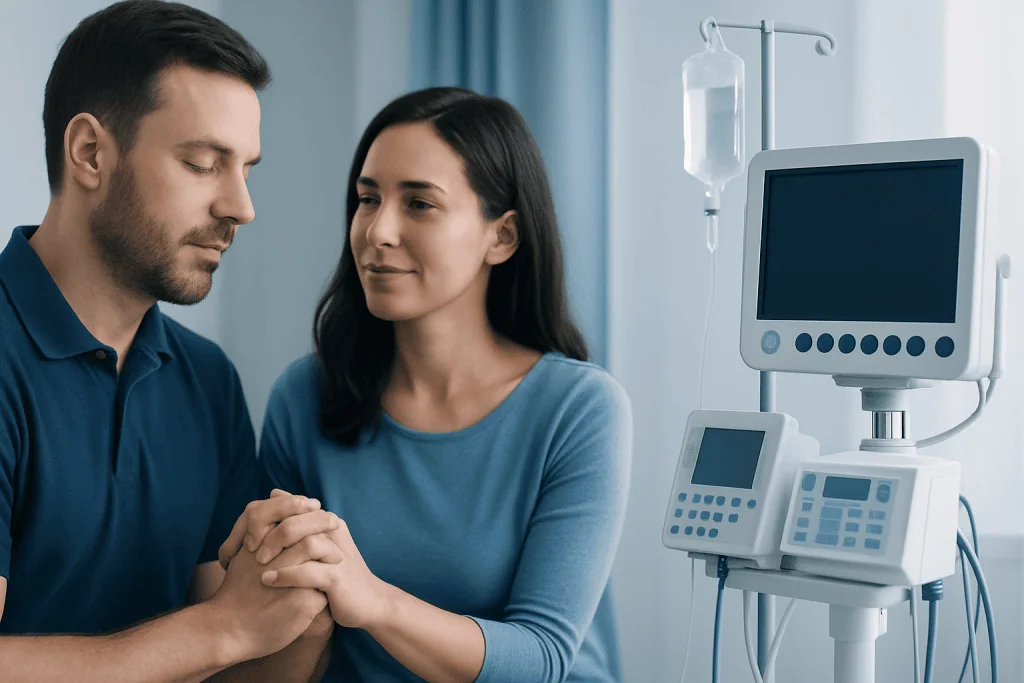
Medical evidence does not prove that unconditional love can cure illness. However, strong evidence shows that close, supportive relationships can improve overall health. People who feel emotionally supported often cope better with stress, recover more effectively from difficult life events, and report better quality of life. Researchers believe these benefits relate to reduced stress responses, healthier daily habits, and a greater sense of safety and belonging.
Attachment science helps explain why. Secure attachment develops when care is reliable, responsive, and emotionally available. In children, this can support healthy emotional development and resilience. In adults, secure bonds may improve communication, trust, and emotional regulation. By contrast, chronic relationship stress may increase anxiety, sleep problems, irritability, and physical symptoms such as headaches or muscle tension.
There are also likely body-based effects. Warm, supportive interactions may lower perceived stress and help regulate the nervous system. People in stable relationships may be more likely to eat regularly, sleep better, attend medical appointments, and seek help sooner when symptoms arise. These are indirect but meaningful pathways by which loving relationships can support health.
Still, evidence-based care remains essential when health problems are present. Emotional support can complement professional treatment for depression, anxiety, sleep problems, and stress-related symptoms, but it should not replace diagnosis or treatment from a qualified clinician.
How unconditional love looks in healthy relationships

Healthy unconditional love is steady, respectful, and realistic. It accepts a person’s basic worth while also recognizing that behavior has consequences. In practice, this means offering care during setbacks, listening without humiliation, and supporting growth rather than demanding perfection. It does not require giving up one’s own needs, values, or safety.
In close relationships, healthy love often includes emotional attunement. This means noticing feelings, responding with empathy, and communicating in ways that reduce shame and defensiveness. It also includes accountability. A loving parent may comfort a child while still setting limits. A loving partner may stay compassionate while clearly naming unacceptable behavior.
Common signs of healthy, unconditional care include:
- Feeling accepted even when imperfect
- Being able to disagree without fear of punishment or abandonment
- Respect for personal boundaries, privacy, and autonomy
- Support for treatment, recovery, and healthy habits when needed
- A balance between giving care and protecting one’s own well-being
This model of love is different from idealized messages that say true love should involve endless sacrifice. In clinical terms, over-functioning, rescuing, and persistent self-neglect can increase stress and worsen mental health for both people involved.
Common myths and misunderstandings
One common myth is that unconditional love means accepting everything a person does. In reality, evidence-based mental health care emphasizes both compassion and boundaries. A person can love someone with substance use problems, anger outbursts, or untreated trauma while still refusing harmful behavior and encouraging treatment. Love does not require silence about risk.
Another myth is that if love is strong enough, emotional suffering should disappear. Supportive relationships are protective, but they do not erase medical conditions. Depression, anxiety disorders, trauma-related conditions, and severe stress reactions may still need psychotherapy, medication, or both. People experiencing persistent symptoms may benefit from a full evaluation and, when appropriate, treatments such as psychotherapy or psychiatric care.
A third misunderstanding is that unconditional love should feel effortless all the time. In reality, even healthy relationships involve conflict, repair, and change. What matters is not perfect harmony, but the ability to communicate, recover after disagreements, and maintain safety and respect. If a relationship repeatedly causes fear, confusion, or loss of self-worth, the issue may not be a lack of love but an unhealthy dynamic.
When love becomes unhealthy: boundaries, dependence, and abuse
Because the phrase unconditional love sounds positive, it can sometimes be misused to justify harmful situations. In healthcare settings, clinicians look closely at patterns such as control, isolation, intimidation, coercion, and emotional dependence. A relationship is not healthy simply because one person is willing to stay no matter what. Safety, dignity, and mutual respect remain essential.
Emotional overdependence can also create distress. A person may feel responsible for another adult’s mood, choices, or recovery, or may neglect sleep, work, family life, or their own treatment in order to keep the relationship stable. Over time, this can contribute to burnout, anxiety, depressed mood, and physical stress symptoms. In some cases, clinicians may discuss codependency, attachment insecurity, or family patterns that need support and restructuring.
Warning signs that a relationship may be unhealthy include:
- Fear of expressing needs or opinions
- Pressure to tolerate insults, threats, or aggression in the name of love
- Isolation from friends, family, work, or medical care
- Repeated cycles of harm followed by promises without change
- Feeling responsible for another person’s violence, addiction, or self-harm threats
When these patterns are present, professional help is appropriate. Counseling, safety planning, and medical or psychiatric evaluation can be important steps. For some people, relationship distress exists alongside broader concerns such as panic attacks or sleep disruption, which may also need assessment.
How clinicians assess relationship-related stress
There is no blood test or scan that diagnoses unconditional love. Instead, doctors and mental health professionals assess the effects a relationship may be having on emotional and physical health. They may ask about sleep, appetite, mood, concentration, stress, social support, family patterns, and any history of trauma or violence. The goal is to understand whether a relationship is protective, stressful, or unsafe.
If symptoms such as persistent sadness, anxiety, palpitations, fatigue, headaches, or poor sleep are present, clinicians may also evaluate for underlying medical causes. Depending on the situation, this can include a physical examination, review of medications, and screening for conditions that can mimic emotional distress. A thorough approach helps avoid assuming that every symptom is purely relationship-based.
Mental health assessment may include screening questionnaires and structured discussion about coping, functioning, and risk. When needed, clinicians may recommend individual counseling, couples therapy, trauma-focused care, or referral to a psychiatrist. If stress is affecting sleep, specialized assessment and support such as sleep evaluation may sometimes be helpful in selected cases.
Practical ways to build healthy, evidence-based love
Healthy unconditional love can be strengthened through everyday habits rather than grand gestures. Consistency matters more than intensity. Reliable communication, respectful listening, emotional availability, and clear boundaries all support a secure bond. These habits can reduce misunderstanding and help both people feel valued without creating unhealthy dependence.
Helpful strategies include naming feelings calmly, asking before giving advice, and separating the person from the behavior. For example, a parent can say a child is loved while still correcting behavior. A partner can be supportive during stress while remaining honest about limits. In families and couples, these patterns often improve trust and reduce conflict escalation.
Self-care is also part of healthy love. People are better able to care for others when they protect sleep, physical activity, nutrition, friendships, and medical follow-up. Seeking treatment for one’s own anxiety, trauma, or depression is not a failure of love. It often strengthens relationships by improving regulation, communication, and resilience.
Near the end of a care journey, some individuals or families may choose multidisciplinary support. Acibadem International’s specialists at JCI-accredited hospitals diagnose and treat mental and physical health conditions that may affect relationships and emotional well-being for international patients.
When to seek medical care
Medical or psychological care is appropriate when relationship stress begins to affect daily functioning. Warning signs include persistent sadness, excessive worry, panic symptoms, poor sleep, changes in appetite, trouble concentrating, loss of interest in usual activities, or repeated physical symptoms such as headaches, fatigue, or palpitations. These symptoms may have emotional, medical, or mixed causes, and a professional assessment can help clarify the next steps.
Urgent help is needed if there is any concern about self-harm, suicidal thoughts, threats of violence, domestic abuse, stalking, or loss of safety. Emergency services or local crisis resources should be contacted right away in these situations. If a child is involved, concerning behavior or suspected neglect should also be assessed promptly by qualified professionals.
It is also reasonable to seek help earlier if conflict keeps repeating despite good intentions, if one partner feels emotionally exhausted, or if past trauma seems to shape current relationships. Early support can prevent distress from becoming more severe and may improve both emotional health and relationship stability.
Frequently asked questions
What is unconditional love in simple terms?
Unconditional love means caring for a person's basic worth without making that care depend on perfection, success, or constant approval. In healthy relationships, it includes empathy and steadiness, but also boundaries and respect.
Is unconditional love good for health?
Supportive, secure relationships are linked with better emotional well-being, lower stress, and healthier coping. However, love itself is not a medical treatment and does not replace care for conditions such as depression, anxiety, trauma, or abuse.
Does unconditional love mean accepting bad behavior?
No. A person can care deeply about someone while still setting limits, naming harmful behavior, and protecting safety. Healthy love accepts the person, not every action.
Can unconditional love exist in romantic relationships?
It can, but in a healthy form it looks like stable care, mutual respect, honest communication, and room for individuality. It should not require fear, self-neglect, or staying in a harmful situation.
What is the difference between unconditional love and codependency?
Unconditional love supports another person without losing one's own identity, health, or boundaries. Codependency often involves over-responsibility, emotional overdependence, and difficulty separating care from control or self-sacrifice.
When should someone seek professional help for relationship-related stress?
Help is appropriate when stress causes persistent sadness, anxiety, sleep problems, panic, trouble functioning, or repeated physical symptoms. Immediate help is needed if there is abuse, threats, suicidal thinking, or any concern about personal safety.
This article is for general information only and is not a substitute for professional medical advice. Please consult a qualified doctor about your individual situation.
Explore treatments in Turkey — costs, top hospitals & a free quote
JCI-accredited · board-certified surgeons · reply within 24h
Add us as a Preferred Source to see more of our trusted health content across Google Search, AI Overviews and Discover.

More from the Health Library

Hives: What Patients Need to Know

8 Ounces of Water: What Patients Need to Know

Steel Cut Oats Versus Rolled: A Complete Medical Overview

Feminine Wash: What Patients Need to Know

Over the Counter Muscle Relaxer: An Evidence-Based Guide for Patients