Understanding Acute Pancreatitis Treatment: A Complete Patient Guide

Acute pancreatitis treatment focuses first on stabilizing the patient and letting the pancreas rest and recover. Hospital care often includes intravenous fluids, pain control, nausea treatment, and early nutrition when appropriate.
Key Takeaways
- Acute pancreatitis treatment focuses first on stabilizing the patient and letting the pancreas rest and recover.
- Hospital care often includes intravenous fluids, pain control, nausea treatment, and early nutrition when appropriate.
- Doctors also look for the cause, commonly gallstones, alcohol use, high triglycerides, certain medicines, or infection-related problems.
- Some patients need procedures to remove a gallstone blockage, drain fluid collections, or treat complications.
- Urgent medical evaluation is important for sudden severe upper abdominal pain, vomiting, fever, or signs of dehydration.
Acute pancreatitis treatment usually involves hospital-based supportive care, careful monitoring, pain relief, fluids, nutrition support, and treatment of the underlying cause such as gallstones or alcohol use. Most people improve with timely care, but recovery and follow-up depend on how severe the inflammation is and whether complications develop.
Overview: what acute pancreatitis treatment usually involves
Acute pancreatitis treatment usually begins in the hospital because the condition can change quickly in the first hours to days. The main goals are to control pain, prevent dehydration, support nutrition, and identify and treat the cause of the inflammation. In many people, this supportive approach allows the pancreas to recover without surgery.
Acute pancreatitis happens when digestive enzymes become active too early and irritate the pancreas itself. This can lead to swelling, pain, nausea, and in some cases inflammation elsewhere in the body. The severity varies widely, from a mild episode that settles within a few days to a more serious illness requiring intensive monitoring.
A patient-friendly way to think about treatment is in two parts: first, helping the body recover safely; second, preventing another attack. That is why doctors not only treat symptoms but also search for a trigger such as gallstones, alcohol, very high triglycerides, certain medications, or less common structural problems in the pancreatic or bile ducts.
Symptoms and what the illness may feel like
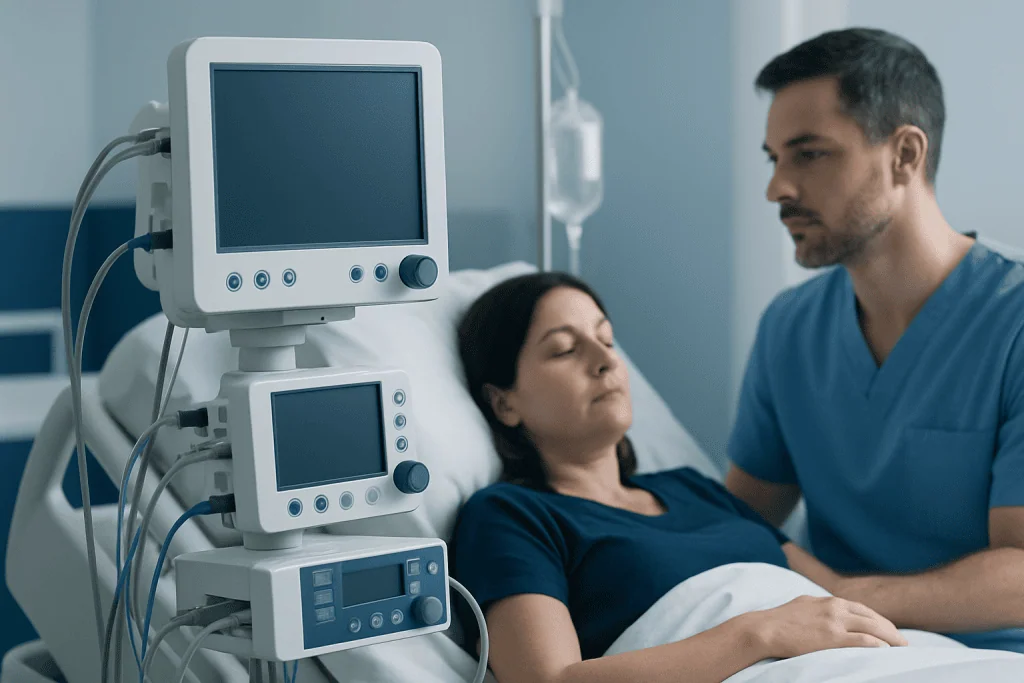
The most common symptom is sudden pain in the upper abdomen, often described as severe, constant, and sometimes spreading to the back. Many people also have nausea, vomiting, bloating, tenderness, and loss of appetite. The pain may begin after a heavy meal or alcohol intake, but it can also appear without a clear warning.
Some people feel only moderately unwell, while others become very weak, feverish, or dehydrated. Rapid heartbeat, trouble keeping fluids down, and pain that does not ease are important warning signs. Because these symptoms can overlap with gallbladder disease, ulcers, appendicitis, or heart problems, medical assessment is important rather than self-diagnosis.
When gallstones are involved, symptoms of bile duct blockage may appear as well, such as jaundice, dark urine, or pale stools. If the episode is related to alcohol, there may be a history of recent heavy drinking or long-term use. Another digestive condition, pancreatic cancer, can also cause abdominal symptoms, but acute pancreatitis itself is a separate condition with different evaluation and treatment pathways.
Causes, risk factors, and why finding the trigger matters
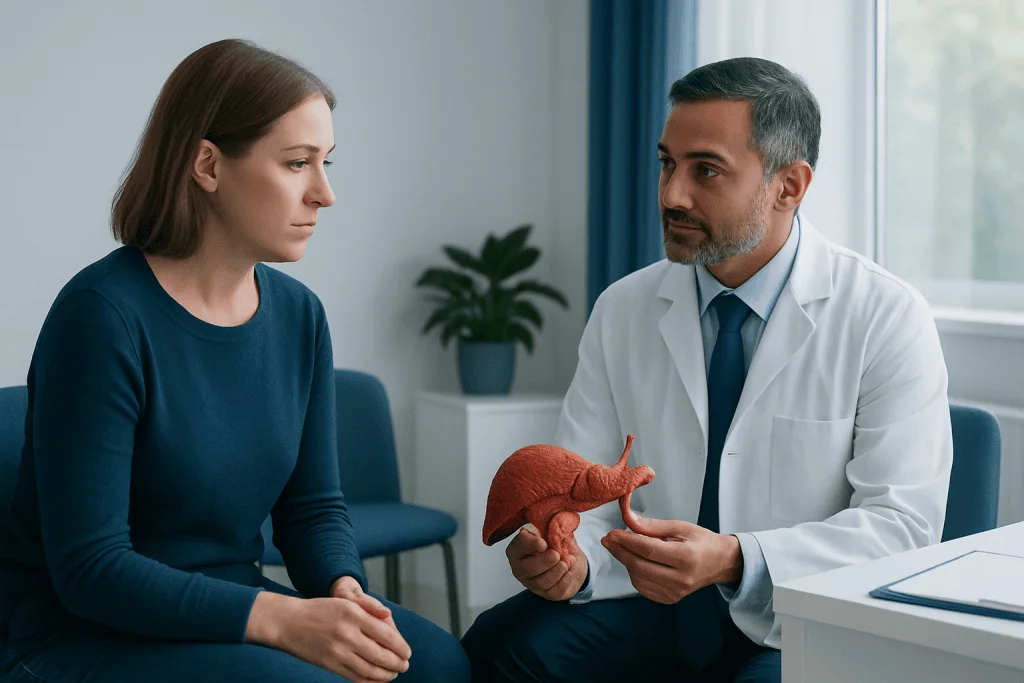
The two leading causes of acute pancreatitis are gallstones and alcohol use. Gallstones can temporarily block the duct that drains digestive juices from the pancreas, triggering inflammation. Alcohol can injure pancreatic cells over time and may also provoke sudden attacks, especially after heavy intake.
Other causes include very high triglyceride levels, high calcium levels, abdominal trauma, certain medications, recent procedures involving the bile or pancreatic ducts, and some infections. In a smaller number of cases, autoimmune disease, inherited conditions, or structural problems of the pancreas are involved. Sometimes no clear cause is found after an initial evaluation, and doctors may investigate further if attacks recur.
Identifying the cause is a key part of acute pancreatitis treatment because it helps guide the next steps. For example, gallstone-related pancreatitis may require a bile duct procedure or gallbladder surgery, while high triglyceride-related pancreatitis needs targeted metabolic management. If doctors suspect another underlying pancreatic problem, further imaging may be recommended, especially if symptoms do not improve as expected.
How doctors diagnose acute pancreatitis and assess severity
Doctors diagnose acute pancreatitis by combining symptoms, blood tests, and imaging when needed. Blood tests often include pancreatic enzyme levels such as lipase, along with checks for liver function, infection markers, kidney function, blood sugar, calcium, and triglycerides. These results help confirm the diagnosis and can also point toward the likely cause.
Imaging is used to look for gallstones, swelling of the pancreas, fluid collections, or other complications. An abdominal ultrasound is commonly used early because it is helpful for detecting gallstones. A CT scan or MRI may be recommended if the diagnosis is unclear, the patient is not improving, or doctors need a closer look at possible complications.
Severity assessment is an important but sometimes overlooked part of care. Doctors monitor breathing, blood pressure, urine output, oxygen levels, kidney function, and signs of infection or organ stress. This allows treatment to be adjusted early and helps determine whether care on a general ward, a high-dependency unit, or intensive care is needed.
Treatment options in hospital: supportive care, procedures, and surgery
For many patients, the first stage of acute pancreatitis treatment is supportive care. This often includes intravenous fluids to correct dehydration, pain relief, medicines for nausea, and close observation. Fluids are especially important early on because vomiting, poor intake, and the body’s inflammatory response can quickly lead to dehydration.
Nutrition is also part of treatment. In mild cases, patients may restart eating once nausea settles and pain improves, often beginning with simple foods. In more severe cases, doctors may recommend nutrition through a feeding tube rather than delaying feeding for too long, because early nutritional support can help protect overall recovery.
When a blocked bile duct is suspected, a specialist procedure called ERCP may be needed to remove the blockage. If gallstones caused the attack, doctors often advise gallbladder surgery after the acute episode has stabilized to reduce the chance of another attack. If imaging shows a persistent duct problem or a mass, more detailed pancreatic evaluation may be needed, sometimes including endoscopic ultrasound or advanced gastroenterology care.
Not everyone needs antibiotics, drainage, or surgery. These are generally reserved for specific situations such as infected collections, dead pancreatic tissue with complications, severe obstruction, or ongoing deterioration. Because treatment depends on severity and cause, care is individualized rather than one-size-fits-all.
Recovery, complications, and preventing another episode
Recovery after acute pancreatitis varies. People with a mild attack may improve within days, while those with severe disease may need a longer hospital stay and a gradual return to normal eating and activity. Fatigue can linger for a while even after the pain settles, so follow-up care matters.
Possible complications include fluid collections around the pancreas, infection, breathing problems, kidney strain, poor blood sugar control, and tissue damage in the pancreas. Doctors watch for these carefully during the early phase of treatment and may order repeat imaging or additional procedures if recovery is slower than expected.
Preventing another episode depends on the trigger. Useful steps may include avoiding alcohol, treating gallstones, lowering very high triglycerides, reviewing medications with a doctor, and managing long-term conditions such as diabetes or metabolic syndrome. If symptoms return repeatedly, doctors may investigate for less common pancreatic conditions, including chronic inflammation such as chronic pancreatitis.
When to seek medical care
Anyone with sudden severe upper abdominal pain, especially if it spreads to the back or is accompanied by vomiting, should seek urgent medical care. Fever, yellowing of the eyes or skin, fainting, confusion, trouble breathing, or inability to keep fluids down also need prompt assessment.
It is safer not to wait at home if the pain is intense or getting worse. Acute pancreatitis can sometimes progress quickly, and early treatment helps reduce the risk of dehydration and complications. People who have had pancreatitis before should still seek medical advice for a new attack, because the cause and severity can differ each time.
After discharge, follow-up is important if pain returns, eating remains difficult, weight loss develops, or blood sugar seems abnormal. Near the end of the care journey, some patients benefit from coordinated input from gastroenterology, surgery, nutrition, and radiology teams. Acibadem International’s multidisciplinary specialists and JCI-accredited hospitals diagnose and treat acute pancreatitis for international patients when this level of evaluation is needed.
Frequently asked questions
What is the first-line treatment for acute pancreatitis?
The first-line treatment is usually supportive hospital care. This typically includes intravenous fluids, pain control, treatment for nausea, monitoring of vital signs, and evaluation of the cause. Additional treatment depends on whether the attack is mild or severe and whether complications are present.
Do all patients with acute pancreatitis need surgery?
No. Most people do not need surgery for the pancreas itself and improve with supportive care. Surgery or other procedures are considered when there is a specific cause, such as gallstones, or a complication such as infection, obstruction, or a fluid collection that needs treatment.
How long does recovery from acute pancreatitis usually take?
Recovery time varies with the severity of the episode and the underlying cause. Mild cases may improve within several days, while severe cases can take much longer and may require ongoing follow-up. Energy levels and appetite may take time to return to normal even after leaving the hospital.
Can acute pancreatitis be treated at home?
People with suspected acute pancreatitis should not try to manage severe symptoms at home. Because dehydration, infection, or organ stress can develop, medical evaluation is important. A doctor can determine whether hospital monitoring and treatment are needed.
What foods should be eaten after acute pancreatitis?
A doctor or dietitian may recommend a gradual return to eating, starting with foods that are easy to tolerate. Over time, many people are advised to follow a balanced diet that is not heavy in fat and to avoid alcohol if it contributed to the attack. Nutrition advice should be individualized, especially if weight loss or ongoing digestive symptoms are present.
Can acute pancreatitis come back?
Yes, it can recur if the underlying cause is not addressed. Gallstones, alcohol use, very high triglycerides, and some structural or metabolic conditions can trigger repeat episodes. That is why prevention and follow-up are important parts of acute pancreatitis treatment.
References
- National Institute of Diabetes and Digestive and Kidney Diseases
- American College of Gastroenterology
- National Health Service
- Merck Manual Professional Edition
- World Gastroenterology Organisation
This article is for general information only and is not a substitute for professional medical advice. Please consult a qualified doctor about your individual situation.
Pancreatitis in Turkey — costs, top hospitals & a free quote
JCI-accredited · board-certified surgeons · reply within 24h

More from the Health Library



Related Specialists

Dr. Ahmet Talha Kayataş
Emergency Service
Dr. Gökay Karaça
Radiology
Dr. Hudheifa Yussuf Haji
Inpatient Clinic Physicians Clinical Service
Assoc. Prof. Dr. Adnan Batman (m)
Endocrinology