Pancreatitis Treatment
Pancreatitis treatment focuses on relieving pancreatic inflammation, controlling pain, preventing complications, and addressing causes such as gallstones or alcohol use through coordinated gastroenterology care.

Quick answer
Pancreatitis is inflammation of the pancreas, the organ behind the stomach that produces digestive enzymes and insulin. Treatment usually begins with hospital-based supportive care, intravenous fluids, pain relief and careful nutrition, and then addresses the underlying cause, such as gallstones or high triglycerides. Severe or chronic cases may also need endoscopic, radiological or surgical procedures to drain fluid collections or relieve blocked ducts.
Pancreatitis: What It Is and Why Treatment Matters
Pancreatitis is inflammation of the pancreas, the organ behind your stomach that produces digestive enzymes and blood-sugar hormones. Treatment ranges from supportive hospital care, intravenous fluids, pain relief and careful nutrition, to endoscopic, radiological or surgical procedures when the cause or its complications demand them. It applies to anyone with a sudden first attack, repeated episodes, or long-standing inflammation that has begun to affect digestion and blood sugar.
Pancreatitis can be frightening because it often begins abruptly, with severe upper abdominal pain, nausea, vomiting, fever, or an unexplained sense that something is seriously wrong. Some patients receive the diagnosis during an emergency admission after intense pain that radiates through to the back. For others, pancreatitis becomes a recurring problem that disrupts eating, work, travel and daily life. That uncertainty is compounded by real questions: whether urgent hospital care is needed, whether a procedure will be necessary, and how long recovery will take.
Treatment matters because pancreatitis is not one condition with one standard approach. The cause, the severity, the timing and the presence of complications all shape the plan. A patient with gallstone-related inflammation may need stabilisation followed by treatment of the gallbladder and bile duct. A patient with chronic disease may need a longer-term plan covering pain control, nutrition, enzyme replacement, diabetes management, and procedures if ducts are blocked. A patient with severe disease may need close monitoring in hospital, advanced imaging, drainage procedures or intensive care support. Matching the intensity of treatment to the actual severity of the illness, neither undertreating nor overtreating, is the central skill in pancreatitis care.
At Acibadem, pancreatitis care is coordinated across gastroenterology, general surgery, interventional radiology, intensive care, nutrition and pain management. That coordination matters most in the situations pancreatitis creates: decisions that need to be made quickly, causes that need to be found rather than assumed, and follow-up that must continue after you go home.
What is pancreatitis?
Pancreatitis means the pancreas has become inflamed, usually because its own digestive enzymes have activated too early and begun to irritate the very tissue that produced them. In health, these enzymes stay inactive until they reach the small intestine, where they break down food. When something disturbs this sequence: a gallstone blocking the shared drainage duct, the toxic effect of alcohol, very high blood fats, certain medicines, or less common genetic and autoimmune conditions, enzymes can switch on inside the gland itself. The result is swelling, pain and, in more severe cases, damage that spreads beyond the pancreas.
In mild cases, the inflammation settles with supportive care over days. In more severe cases, pancreatitis can affect nearby organs, cause fluid collections or infection, strain the kidneys, lungs and circulation, or leave behind long-term digestive and metabolic problems. This wide range, from a short, self-limiting illness to a complex disease needing staged treatment over weeks, is why an early, accurate assessment of severity is the foundation of every treatment plan.
What does the pancreas do?
The pancreas is a small but essential organ tucked behind the stomach, and it does two jobs at once. Its exocrine tissue produces the enzymes that digest fat, protein and carbohydrate; its endocrine tissue produces hormones, including insulin, that regulate blood sugar. Because both functions live in one gland, significant inflammation can disturb digestion and blood-sugar control at the same time. If you read about the organ in Spanish-language sources, you will see it called the páncreas, sometimes shortened informally to páncrea, but the anatomy and the disease are the same everywhere: a gland whose enzymes are powerful enough to digest food, and therefore powerful enough to injure the gland itself when they activate in the wrong place.
What Pancreatitis Treatment Involves
Pancreatitis treatment is the medical and, when necessary, procedural management of an inflamed pancreas. Its goals are practical: reduce the stress on the gland, relieve pain and nausea, correct dehydration and electrolyte disturbance, prevent or treat infection and organ complications, and address the cause of the inflammation so that recurrence becomes less likely. Everything else, the choice of tests, the timing of procedures, the length of the hospital stay, follows from those goals.
What is acute pancreatitis?
Acute pancreatitis is inflammation that develops suddenly, over hours to days, and ranges from mild swelling that settles with supportive care to severe disease affecting multiple organs. The most common triggers are gallstones and alcohol. Other recognised causes include high triglycerides, certain medications, procedures involving the bile and pancreatic ducts, abdominal trauma, infections, and genetic or autoimmune conditions. Most first attacks are on the milder end of the spectrum, but the severity cannot be assumed at the door: it has to be measured, with blood tests, imaging and close observation in the first days, because that is when the disease declares itself.
What is chronic pancreatitis?
Chronic pancreatitis is long-lasting inflammation that causes permanent structural change in the gland: scarring, duct irregularities, sometimes stones within the pancreatic duct itself. The consequences are recurrent or persistent pain, poor digestion of food, weight loss, vitamin deficiencies and, over time, diabetes as insulin-producing tissue is lost. Chronic disease is managed differently from an acute attack. It needs a sustained plan rather than a single admission, pain strategies, pancreatic enzyme replacement, nutritional support, diabetes care and, in selected patients, endoscopic or surgical procedures to improve drainage of a blocked duct.
How do you treat pancreatitis?
Most pancreatitis treatment begins with supportive hospital care: intravenous fluids to correct dehydration, medication for pain and nausea, blood tests to track inflammation and organ function, and imaging to look for the cause and for complications. Eating is restarted as soon as it is safe, because prolonged fasting is not automatically helpful and can slow recovery: a genuine change from older practice, when patients were routinely kept without food for long periods.
Once the patient is stable, treatment turns to the cause. Gallstone pancreatitis may need an endoscopic procedure to clear the bile duct and, at the appropriate time, surgery to remove the gallbladder. Alcohol-related disease needs medical support and a structured plan for stopping alcohol. High triglycerides need metabolic control. Where fluid collections, infected necrosis, strictures or duct problems develop, endoscopic, radiological or surgical treatment may be required, usually in that order of preference, choosing the least invasive option that will actually work.
It is worth stating plainly what treatment does not automatically involve. Not every patient needs antibiotics; they are reserved for confirmed or strongly suspected infection. Not every patient needs endoscopy, surgery or intensive care. Many recover with well-managed supportive care alone. The critical step is accurate assessment, determining whether the disease is mild or severe, identifying why it happened, and recognising complications early, which is why pancreatitis is best managed where gastroenterology, surgery, radiology and intensive care work as one team rather than in sequence.
Pancreatitis Symptoms and When Assessment Is Needed
Pancreatitis symptoms centre on the upper abdomen, but the full picture is broader than pain alone, and recognising the pattern is what usually leads to diagnosis. Anyone with suspected or confirmed inflammation of the pancreas needs medical evaluation, some urgently in hospital, others through structured outpatient assessment for chronic or recurrent disease.
What does pancreatitis feel like?
Most patients describe a deep, severe pain in the upper abdomen that often bores straight through to the back, sometimes easing slightly when leaning forward and worsening when lying flat. The pain frequently follows eating, especially fatty meals, and is commonly accompanied by nausea and vomiting that do not bring relief. In an acute attack the pain tends to build over hours and then persist rather than come in waves. In chronic disease, the pain may be duller, recurring or constant, and increasingly tied to meals as digestion deteriorates.
What are the symptoms of pancreatitis?
The symptoms of pancreatitis extend beyond pain, and the accompanying features often point towards the cause or the severity:
- Severe upper abdominal pain, often radiating to the back
- Nausea, vomiting and inability to keep fluids down
- Abdominal swelling and tenderness
- Fever and a rapid pulse
- Yellowing of the skin or eyes, dark urine or pale stools, suggesting bile duct involvement
- Weight loss, oily or greasy stools, and new blood-sugar problems, more typical of chronic disease
None of these features is unique to the pancreas, which is why blood tests and imaging, not symptoms alone, confirm the diagnosis.
How is pancreatitis diagnosed?
Acute pancreatitis is usually diagnosed when at least two of three criteria are present: typical abdominal pain, clearly elevated pancreatic enzymes in the blood, and imaging findings consistent with pancreatic inflammation. Blood tests typically include lipase and amylase, liver enzymes, bilirubin, a full blood count, kidney function, inflammatory markers, calcium, triglycerides and glucose: a panel chosen to confirm the diagnosis, gauge severity and hunt for the cause simultaneously. Imaging may include abdominal ultrasound to look for gallstones, computed tomography to assess severity and complications, magnetic resonance imaging or MR cholangiopancreatography to map the pancreatic and bile ducts, and endoscopic ultrasound in selected cases where the cause remains hidden.
Chronic pancreatitis can be harder to pin down, especially early, because patients may have repeated episodes of pain with normal or only mildly abnormal enzyme levels. Evaluation may then include detailed duct imaging, tests for pancreatic enzyme insufficiency, diabetes screening, nutritional assessment, and a careful review of risk factors: alcohol use, smoking, family history, autoimmune disease, previous pancreatic injury or anatomical duct variations. An honest diagnostic process sometimes takes more than one round of testing, and it is better done thoroughly than quickly.
Several situations make specialist treatment particularly relevant: a first episode of severe abdominal pain; recurrent attacks that have never been fully explained; gallstones or bile duct obstruction found alongside pancreatitis; suspected infected necrosis; persistent vomiting or dehydration; unexplained weight loss or difficulty digesting food; and complications such as pseudocysts, fluid collections, strictures, bleeding or new diabetes. Second opinions are also common when a patient has been told that surgery or a complex drainage procedure may be needed, because in pancreatitis the choice and timing of intervention genuinely change outcomes.
Conditions and Indications Addressed by Pancreatitis Treatment
Pancreatitis treatment addresses two things at once: the inflammation itself and the condition that triggered it. Treating one without the other leaves the door open to recurrence.
What causes pancreatitis?
The two most common causes of pancreatitis are gallstones and alcohol. A gallstone can lodge where the bile duct and pancreatic duct meet, backing up secretions into the gland; alcohol has a direct toxic effect on pancreatic tissue that accumulates over time. Beyond these, high triglycerides, certain medications, endoscopic procedures on the bile and pancreatic ducts, abdominal trauma, infections, genetic mutations, autoimmune disease and structural duct variations can all trigger inflammation. In a minority of patients no cause is found at first assessment, and those patients deserve further investigation rather than a shrug, because an unexplained attack can be the first sign of a duct problem or a lesion that needs its own treatment.
The most frequent indication for hospital treatment is acute pancreatitis itself, particularly when pain is severe, oral intake is impossible, blood tests are markedly abnormal, or imaging suggests complications. In gallstone pancreatitis, care moves from stabilisation to management of the stones: if a stone is still blocking the bile duct, or there is infection of the bile ducts, an endoscopic procedure may be required to relieve the obstruction promptly.
Severe acute pancreatitis demands a higher level of monitoring. Patients can lose large volumes of fluid into inflamed tissues, developing low blood pressure, kidney strain, breathing difficulty or widespread systemic inflammation. Some develop necrosis, areas of pancreatic or surrounding tissue damaged by reduced blood supply and inflammation. If necrotic tissue becomes infected, drainage or minimally invasive intervention is considered. Timing is a genuine clinical decision here: many interventions are safer and more effective once collections have matured and organised over several weeks, unless urgent infection or deterioration forces earlier action. A team that knows when not to intervene is as valuable as one that can intervene.
Chronic pancreatitis requires the broadest plan: pain management, pancreatic enzyme replacement, nutritional support, vitamin supplementation, diabetes care, treatment of duct stones or strictures, and procedures to improve pancreatic drainage where anatomy allows. The aim is not only less pain, but preserved nutrition, fewer avoidable hospital admissions, and a life that is not organised around the next attack.
Other indications include pancreatic pseudocysts and walled-off fluid collections that cause pain, infection, obstruction, bleeding or difficulty eating; narrowing of the bile or pancreatic duct; autoimmune pancreatitis, which can respond to immunosuppressive therapy once the diagnosis is secure; high-triglyceride pancreatitis, which needs sustained metabolic control; and medication-related pancreatitis, where the treating physician reviews the suspected drug and considers alternatives: a decision that belongs with the prescriber, never with the patient alone.
Can pancreatitis be mistaken for pancreatic cancer?
Yes, and the confusion runs in both directions, which is why careful diagnosis matters so much. Some pancreatic tumours, cystic lesions and bile duct diseases can mimic pancreatitis on symptoms and even on imaging, while long-standing chronic pancreatitis is itself a recognised risk factor for pancreatic disease later in life. Specialist review is particularly important for patients past middle age with a first attack and no obvious cause, and for anyone with unexplained weight loss, jaundice or imaging abnormalities that persist after the inflammation settles. If you want to understand that separate condition, what it is, its symptoms and how it is investigated, see our page on pancreatic cancer, because it is a different disease with a different treatment pathway, even though the two can share a starting point.
How Pancreatitis Treatment Is Performed
Treatment begins with a structured assessment of severity. The medical team reviews your symptoms and their timing, your medical history and medications, alcohol and tobacco exposure, previous gallbladder or pancreatic problems, and any prior imaging. Blood tests evaluate inflammation, hydration, kidney and liver function, blood sugar, triglycerides, calcium and infection markers. Imaging establishes whether gallstones, duct obstruction, necrosis or fluid collections are present. This first assessment determines everything that follows.
Preparation and Initial Stabilisation
For acute pancreatitis, the first priority is stabilising the patient. Intravenous fluids correct dehydration and support the circulation, and matter most in the first hours and days of illness. Pain control is treated as clinically important, not merely a comfort measure, because severe pain restricts breathing and movement and can worsen the overall picture. Anti-nausea medication helps patients tolerate fluids and, later, food. Patients with moderate or severe disease are monitored closely, vital signs, oxygen levels, urine output and repeated laboratory tests, so that any drift towards organ stress is caught early rather than discovered late.
Nutrition During Treatment
Nutrition is managed deliberately rather than by default. Current evidence supports early oral feeding in many mild cases, restarted once nausea and pain improve, usually beginning with lower-fat meals. If eating is not safe, tube feeding into the stomach or small intestine is often preferred, particularly in severe disease, because keeping the gut working appears to help rather than hinder recovery. Intravenous nutrition is generally reserved for situations where the digestive tract genuinely cannot be used. A dietitian is a core member of the pancreatitis team, not an optional extra, especially for patients who arrive already underweight or who face weeks of recovery.
Treating the Cause
Once you are stable, the underlying cause has to be dealt with, and this is where plans diverge:
- Gallstones in the bile duct. Endoscopic retrograde cholangiopancreatography (ERCP) may be performed when there is bile duct obstruction, jaundice or infection of the bile ducts. Through the digestive tract, a specialist reaches the duct, removes stones and places a stent if needed, no external incision involved.
- Gallstones in the gallbladder. Gallbladder removal is usually recommended after the acute inflammation settles, sometimes during the same hospital stay for mild cases, because it substantially changes the likelihood of another stone-related attack. Timing depends on severity, imaging and your overall condition.
- Alcohol-related disease. Treatment combines medical support with a structured, sustained plan for stopping alcohol. This is the single most important step a patient with alcohol-related pancreatitis can take, and it deserves proper support rather than a one-line instruction at discharge.
- High triglycerides. Lipid-lowering therapy, dietary management and metabolic evaluation are arranged, since the trigger will otherwise remain in place.
- Suspected medication cause. The treating physician reviews the drug in question and considers alternatives; any change to medication is a decision made with your doctor, based on the full clinical picture.
Endoscopic, Radiological and Surgical Options
Not every patient with pancreatitis needs a procedure, and when one is needed, the least invasive effective option is normally considered first. Endoscopic ultrasound provides detailed views of the pancreas and bile duct from inside the digestive tract and can guide the drainage of selected fluid collections. Endoscopic techniques can drain pseudocysts, place stents, remove duct stones and treat strictures. Interventional radiology can place image-guided drains for infected or symptomatic collections without open surgery. Surgery retains a defined role: gallbladder removal, complications that endoscopy and radiology cannot manage, and selected chronic pancreatitis cases with significant duct obstruction or persistent pain despite other measures.
Technology supports these decisions rather than replacing them. High-resolution cross-sectional imaging defines inflammation, necrosis, vascular involvement and collections. Magnetic resonance imaging maps the pancreatic and bile ducts without radiation. In intensive care settings, continuous monitoring and organ-support equipment carry patients with severe systemic illness through the most dangerous phase while the pancreas recovers.
How long does pancreatitis treatment take?
Duration varies widely, and honest planning acknowledges that. Mild acute pancreatitis may improve over a few days of supportive care. More severe disease can mean a longer admission, step-down monitoring or a period in intensive care. Fluid collections and necrosis evolve over weeks, so some procedures are deliberately delayed until intervention is safer: a planned wait, not a failure of care. Chronic pancreatitis is managed over the long term, with visits to adjust pain treatment, enzymes, nutrition and diabetes care as the disease and your life change.
The Recovery Process
Recovery tracks the severity of the illness. Many patients regain appetite and energy gradually; fatigue can persist for a while after hospitalisation, especially following severe inflammation, and that is expected rather than alarming. Diet advances step by step, often starting with lower-fat meals. Complete avoidance of alcohol is advised after pancreatitis, particularly where alcohol contributed, and stopping smoking is strongly recommended because smoking is associated with progression of chronic pancreatic disease and a higher chance of recurrence. Follow-up may include repeat blood tests and imaging, nutritional assessment, diabetes screening, and scheduled reassessment for anyone who had drains or stents placed. Patients with chronic disease may need long-term enzyme replacement, vitamin monitoring and periodic imaging tailored to their condition.
Why Acting Early Matters
Pancreatitis can change rapidly, particularly in the first days of an acute attack, and this early window is when accurate assessment carries the most weight. Prompt evaluation establishes whether the disease is mild or whether there are signs of organ stress, bile duct obstruction, infection or necrosis, distinctions that cannot be made reliably at home, which is why acute pancreatitis is assessed and treated in hospital rather than managed by waiting.
What are the warning signs of severe pancreatitis?
The features clinicians take most seriously are ongoing vomiting with inability to keep fluids down, high fever, jaundice, reduced urine output, breathlessness, faintness and confusion. Each points towards a specific problem, dehydration, blocked or infected bile ducts, systemic inflammation or early organ strain, and each changes what the treatment team does next. Their presence is the reason severity is measured with repeated tests over the first days rather than judged once at admission.
Delay carries a second cost: the underlying cause stays untreated. A patient whose gallstone pancreatitis is never followed by gallbladder and bile duct treatment can have another attack, and the next one can be worse. High triglycerides left unaddressed remain a standing trigger. Chronic pancreatitis left unmanaged progresses towards worsening pain, malnutrition, vitamin deficiencies, bone problems, enzyme insufficiency and diabetes. And when pancreatitis is recurrent or unexplained, repeated inflammation causes scarring and duct changes, while in some patients, what looks like pancreatitis is actually a structural duct problem, autoimmune disease, cystic lesion or tumour that needs its own diagnosis before complications advance.
Benefits of Pancreatitis Treatment
The benefits depend on the cause and severity of the disease, but the goals are consistent: control the inflammation, prevent complications, and reduce the likelihood of the next attack.
| Benefit | What It Means for You |
|---|---|
| Pain and symptom control | Appropriate medication, hydration and nutrition support reduce abdominal pain, nausea, vomiting and distress while the pancreas recovers. |
| Prevention of complications | Close monitoring identifies dehydration, organ stress, infection, fluid collections or bile duct obstruction before they become more serious. |
| Treatment of the underlying cause | Managing gallstones, alcohol use, triglycerides, medications, autoimmune disease or duct problems lowers the risk of repeated attacks. |
| Improved nutrition and digestion | Diet planning, enzyme replacement when needed, and vitamin monitoring help reduce weight loss, oily stools and nutrient deficiencies. |
| A clear long-term care plan | You leave with written guidance on medications, diet, follow-up, warning signs and whether further procedures are anticipated. |
Recovery Timeline After Pancreatitis Treatment
Every recovery is individual, but the pattern below reflects what many patients experience once treatment begins.
| Time Period | What Patients Can Expect |
|---|---|
| Day 1 | Evaluation focuses on diagnosis, pain control, hydration, blood tests and imaging. Patients with severe symptoms are monitored closely in hospital. |
| First week | Mild cases often improve with supportive care and eating restarts gradually. If gallstones, obstruction, infection or fluid collections are found, procedures are planned. |
| First month | Energy and appetite usually return step by step. Follow-up may include repeat imaging, gallbladder surgery planning, nutrition review, enzyme therapy or diabetes monitoring. |
| Longer term | Patients with chronic pancreatitis or after severe acute disease may need ongoing care for pain, digestion, blood sugar, duct problems or residual fluid collections. |
Factors That Influence Outcomes
Severity comes first. Mild acute pancreatitis usually resolves with supportive care, while severe disease with necrosis, infection or organ dysfunction requires more complex management and a longer recovery. Age, general health, kidney function, heart and lung conditions, immune status and nutritional reserve all influence how the body handles the illness and the treatment.
The cause matters just as much. Gallstone pancreatitis responds well when the gallbladder and bile duct are dealt with at the right time. Alcohol-related disease has a better long-term outlook when alcohol stops completely, and a poorer one when it does not; this is the honest trade at the centre of that diagnosis. High-triglyceride pancreatitis needs sustained metabolic control rather than a single correction. Autoimmune pancreatitis can respond to medical therapy, but only after it has been carefully distinguished from cancer and other pancreatic disorders, because treating the wrong disease well is still treating the wrong disease.
Timing and coordination shape results too. Early recognition of severe disease, sensible fluid management, careful nutrition and the discipline to avoid unnecessary early procedures all influence how an attack ends. When intervention is needed, the choice between endoscopic, radiological and surgical approaches should rest on anatomy, timing, infection status and your condition, decisions that benefit from multidisciplinary review, because pancreatitis sits precisely at the intersection of gastroenterology, surgery, radiology, intensive care, endocrinology and nutrition.
Finally, your own participation counts. Avoiding alcohol, stopping smoking, following dietary advice, taking pancreatic enzymes correctly when prescribed, managing diabetes and attending follow-up appointments all reduce future risk. None of these is glamorous; together they are the difference between a single episode and a recurring disease.
Pancreatitis Care at Acibadem
Pancreatitis often needs more than a single appointment: rapid diagnosis, hospital-based care, advanced imaging, endoscopic expertise, surgical consultation and a clear plan for going home safely. At Acibadem, this pathway is built around a team rather than a department. Cases are managed by gastroenterologists and, where needed, hepatopancreatobiliary surgeons, interventional radiologists, intensive care specialists, endocrinologists, dietitians and pain management physicians. Complex cases, fluid collections, necrosis, recurrent unexplained attacks, suspected malignancy, or a genuine choice between endoscopic and surgical treatment, can be reviewed in multidisciplinary discussion before a recommendation is made.
Diagnostic capability sits at the centre of that work. Modern laboratory testing, high-resolution abdominal imaging, magnetic resonance evaluation of the bile and pancreatic ducts, endoscopic ultrasound and therapeutic endoscopy are used where clinically appropriate. The purpose is precision: understanding not only that pancreatitis is present, but why it occurred and whether complications are developing, so that the plan rests on findings rather than assumptions.
Continuity is treated as part of the treatment itself. Before discharge, patients receive guidance from their clinical team about diet, medications, warning signs, follow-up imaging and the circumstances in which reassessment would be appropriate. If further treatment is recommended after discharge, the medical team prepares documentation so that your ongoing physicians understand exactly what was done and what remains to be monitored, reports, imaging and a written plan, not a verbal summary that fades with time.
Understanding Your Situation and the Road Ahead
Pancreatitis ranges from a short-term inflammatory episode to a complex disease requiring coordinated care over months, and the honest answer to “what happens next” depends entirely on which of those you have. That is why unexplained or recurrent upper abdominal pain deserves a proper specialist workup rather than a working assumption: the earlier the condition is genuinely understood, cause, severity and complications, the more effectively recurrence can be prevented and the less likely you are to face treatment as an emergency.
Second opinions play a legitimate role here, particularly when surgery or a complex drainage procedure has been proposed. A useful second opinion rests on complete information: blood results, imaging studies rather than just their reports where possible, and details of previous admissions and procedures. With that record in hand, a specialist team can assess whether hospital admission, endoscopy, surgery or structured outpatient follow-up fits your situation, and, just as importantly, whether the safest plan is a carefully monitored wait. In pancreatitis, knowing when not to operate is part of the expertise, and a plan you understand is a plan you can follow.
Preparation
- Doctors usually perform blood tests, abdominal imaging, and a detailed review of medications, alcohol use, and gallstone history. Patients may be asked to stop eating temporarily, receive IV fluids, and adjust regular medicines under medical supervision.
Aftercare
- After discharge, patients typically follow a low-fat diet, avoid alcohol, and take prescribed medicines as directed. Follow-up visits monitor pancreatic recovery, nutrition, and underlying causes such as gallstones, which may require further treatment.
Frequently Asked Questions
What affects the cost of pancreatitis treatment most?
The main factors are severity, cause, need for hospital admission, imaging, endoscopy, surgery, intensive care, nutritional support, and management of complications. A personalised quote can only be prepared after medical records and current symptoms are reviewed.
How can I get a quote for pancreatitis treatment in Turkey?
You can request a free consultation by sharing available medical reports, blood test results, imaging, discharge summaries, medication lists, and a description of symptoms. The international patient team can then coordinate specialist review and provide a personalised estimate.
Is pancreatitis treatment usually offered as a fixed package?
Some planned consultations, diagnostics, and selected procedures may be organized as package-style services. However, acute pancreatitis can change quickly, so additional hospital stay, intensive care, procedures, or complication treatment may be billed separately.
Will I need surgery for pancreatitis?
Not every patient needs surgery. Many cases are managed with supportive care and treatment of the underlying cause, while surgery or endoscopic procedures may be considered for gallstones, duct obstruction, infected collections, or selected chronic pancreatitis cases.
Can international patients receive interpreter and travel support?
Many hospitals in Turkey that serve international patients can help with interpreter support, appointment coordination, transfer arrangements, and accommodation guidance. These services and their inclusion should be confirmed when requesting your quote.
Is this information medical or financial advice?
No. This is general educational information. Treatment choice and cost depend on specialist assessment, hospital policy, and the patient’s medical condition, so a free consultation is recommended for personalised guidance.
Medically reviewed by the Acıbadem International Medical Board August 31, 2026
See our medical review board →
Update history
- PublishedJune 8, 2026
- Medical review approvedAugust 31, 2026
- Last content updateSeptember 8, 2026
References3
- Pancreatitis medlineplus.gov
- Acute pancreatitis nhs.uk
- Pancreatitis my.clevelandclinic.org
Trusted care for international patients
From the Acibadem Blog
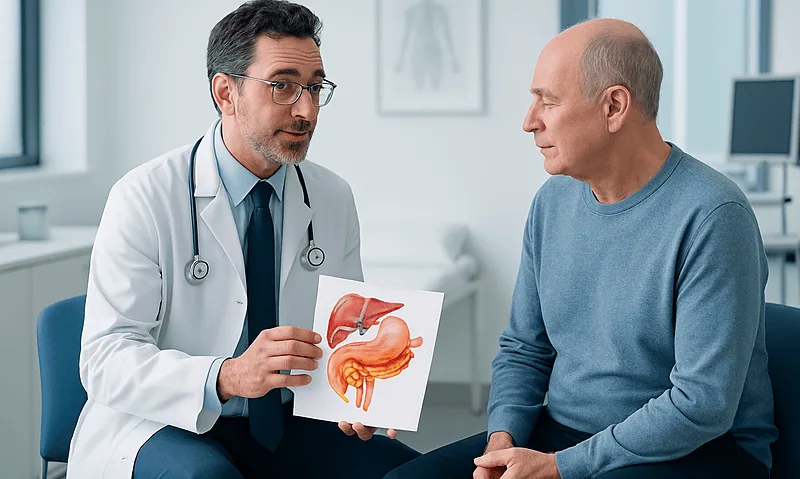
Pancreatitis Complications Explained: Fluid Collections, Infection and When to Return
Most acute pancreatitis settles within about a week, but pancreatitis complications warning signs include pain that returns or worsens after improving, fever or chills,…

What Pancreatitis Feels Like, Where the Pain Is and Whether It Comes and Goes
Pancreatitis usually feels like a deep, steady, boring pain high in the abdomen, just below the ribs, that often spreads through to the back…

How Long Does Recovery From Acute Pancreatitis Take? First Weeks, Food and Strength
Recovery from acute pancreatitis usually takes about a week for mild cases, which make up roughly four in five episodes according to the NHS,…

Can You Die from Pancreatitis? How Serious It Is
Yes, pancreatitis can be fatal, though most cases are not. Around 4 in 5 episodes of acute pancreatitis are mild and settle within about…