Understanding Fasciitis Plantar Massage: A Complete Patient Guide
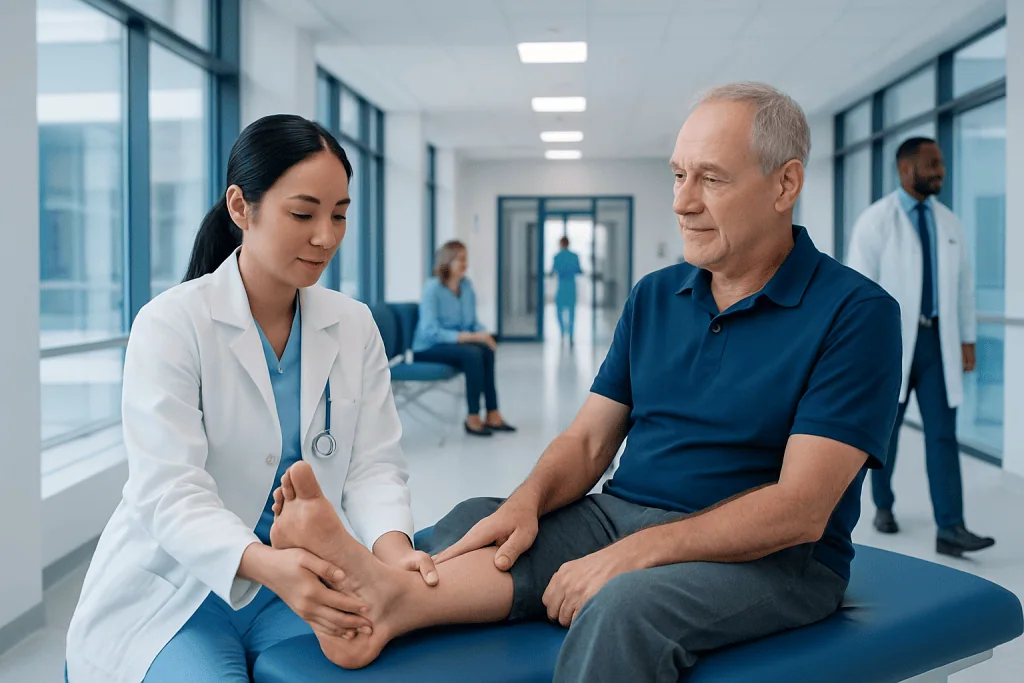
Gentle massage may reduce pain and stiffness linked to plantar fasciitis, but it is not a stand-alone cure. The goal is to relax tight tissues in the foot and calf without causing more irritation.
Key Takeaways
- Gentle massage may reduce pain and stiffness linked to plantar fasciitis, but it is not a stand-alone cure.
- The goal is to relax tight tissues in the foot and calf without causing more irritation.
- Supportive shoes, stretching, and reducing overload on the heel are often as important as massage.
- Persistent pain, swelling, numbness, or trouble walking should be assessed by a doctor.
- A correct diagnosis matters because not all heel pain is caused by plantar fasciitis.
Fasciitis plantar massage can be a helpful self-care method for plantar fasciitis, especially for morning heel pain and tightness in the arch. It works best as part of a broader plan that may include stretching, footwear changes, activity adjustment, and medical evaluation when symptoms do not improve.
Overview: Can fasciitis plantar massage help?
Fasciitis plantar massage is often used to help relieve the discomfort of plantar fasciitis, a common cause of heel and arch pain. In many people, gentle massage can ease tightness, improve comfort during the first steps of the day, and support recovery when combined with other measures. It is usually most helpful as part of a wider care plan rather than as the only treatment.
Plantar fasciitis affects the plantar fascia, a thick band of tissue that runs along the bottom of the foot and supports the arch. Repeated strain can cause small areas of irritation where this tissue connects near the heel. Pain is often worst after rest, especially in the morning, and may lessen after moving around before returning later in the day.
Massage does not directly “fix” the fascia, but it may reduce muscle tension in the sole of the foot and calf, improve local circulation, and make stretching more comfortable. For some patients, that makes daily activities easier and helps them continue with rehabilitation. If symptoms last for several weeks or interfere with walking, a clinician may assess for plantar fasciitis and rule out other causes of heel pain.
How massage may work for plantar fascia pain
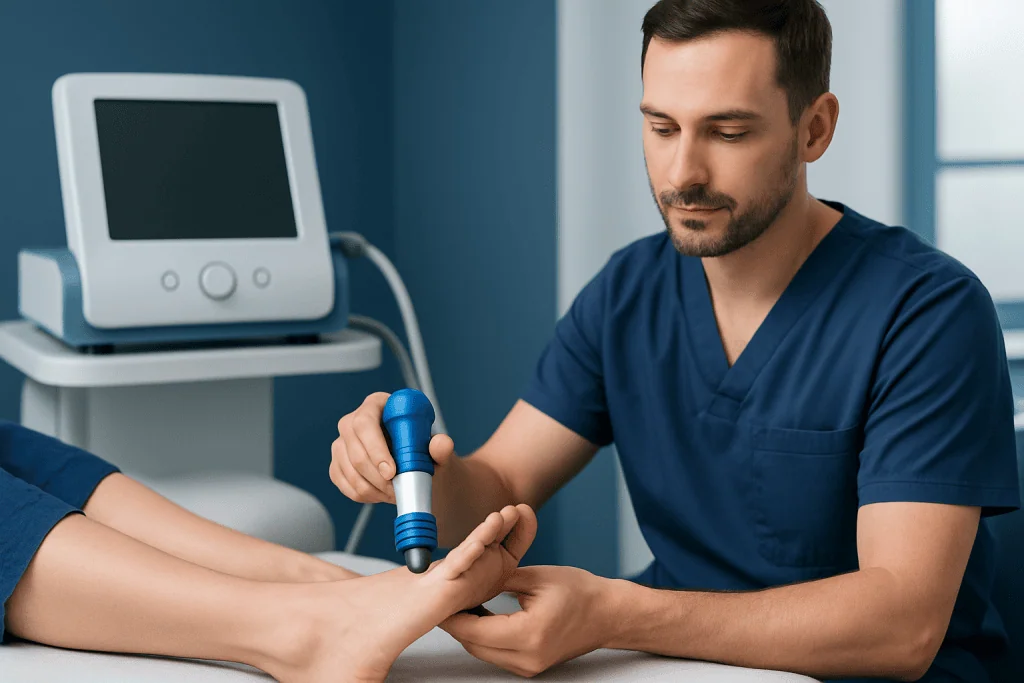
The bottom of the foot is part of a connected chain of muscles, tendons, and fascia that also includes the calf and Achilles region. When these tissues are tight, they may place more stress on the plantar fascia during standing, walking, or running. Massage may help by reducing this tension and making the foot feel less stiff.
There is also a practical benefit: massage can help patients become more aware of which movements or pressure points trigger discomfort. This can guide safer stretching and activity modification. A brief session before getting out of bed or after prolonged standing is a common strategy for easing the first steps.
That said, more pressure is not necessarily better. Deep or aggressive massage can irritate already sensitive tissue and may increase pain afterward. The best approach is usually slow, moderate pressure that feels relieving rather than sharply painful.
- Massage may be most helpful for morning stiffness and tight arches.
- It is commonly paired with calf stretching and foot mobility exercises.
- Benefit tends to be gradual over days to weeks, not immediate or permanent after one session.
Symptoms and signs that fit plantar fasciitis
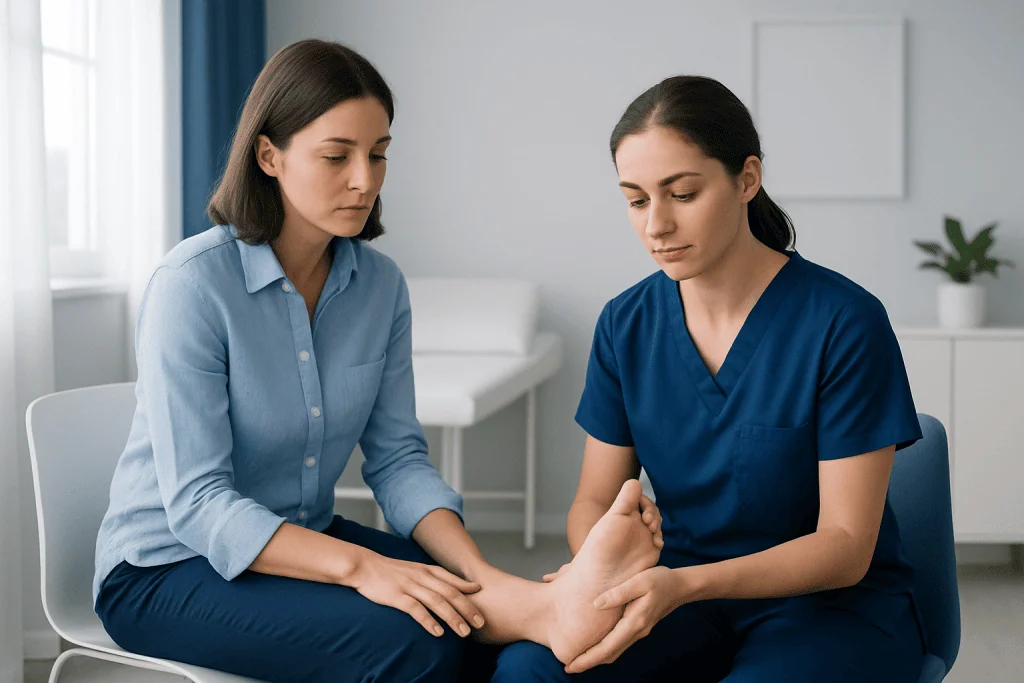
The classic symptom is pain under the heel or along the inner side of the heel where the plantar fascia attaches. Many people describe a sharp or stabbing pain with their first steps in the morning. After a few minutes of walking, the discomfort may improve, only to return after long periods of standing, walking, or exercise.
Some people notice a tight arch, tenderness when pressing the bottom of the heel, or discomfort after climbing stairs. The foot usually looks normal from the outside, without major redness or bruising. Swelling may be mild if present at all.
Because heel pain can have several causes, symptoms should be considered in context. Numbness, tingling, burning, significant swelling, or pain that spreads up the ankle may suggest a different problem such as nerve irritation, a stress injury, or inflammation in another structure. In these situations, self-massage alone may not be appropriate.
Who gets it and what increases the risk?
Plantar fasciitis can affect both active and less active adults. It is often linked to repetitive strain, especially in people who spend long hours standing, increase walking or running suddenly, or exercise on hard surfaces. In some cases, even supportive daily routines change enough to trigger symptoms.
Foot mechanics also play a role. Very flat feet, very high arches, or limited ankle flexibility can increase tension through the plantar fascia. Tight calf muscles are a frequent contributing factor, which is one reason calf massage and stretching are commonly recommended along with massage under the foot.
Other factors may include excess body weight, worn-out shoes, poor cushioning, and certain occupations that require prolonged standing. Some patients with long-term heel pain may also have related tendon or joint issues that need a broader musculoskeletal assessment. A specialist in orthopedic care or physical therapy and rehabilitation may help identify the main driver of symptoms.
How to do fasciitis plantar massage safely at home
Home massage should be gentle, steady, and brief at first. A common method is to sit comfortably and use the thumb to apply moderate pressure along the arch, moving from the heel toward the ball of the foot in slow strokes. Another option is to roll the foot over a small bottle, massage ball, or similar object, letting body weight control the pressure. The aim is relief, not force.
It often helps to massage not only the foot but also the calf. Tight calf muscles can increase pull through the heel and arch, so using the hands or a foam roller on the lower leg may support better flexibility. Some people prefer to massage after a warm shower or before stretching, when tissues feel less stiff.
Patients should stop if massage causes sharp pain, significant worsening afterward, bruising, or tingling. Ice, short-term activity reduction, and supportive footwear may be better choices during a painful flare. Helpful self-care habits include:
- Wearing supportive shoes indoors and outdoors rather than going barefoot on hard floors.
- Stretching the calf and plantar fascia regularly, especially before the first steps in the morning.
- Reducing high-impact activities temporarily if they clearly worsen pain.
- Using a gentle rolling massage for a few minutes rather than long, forceful sessions.
Diagnosis and treatment beyond massage
Doctors usually diagnose plantar fasciitis based on symptoms, medical history, and a physical examination. They will often check where the heel is tender, how the arch moves, and whether the calf is tight. Imaging is not always needed, but ultrasound, X-ray, or MRI may be considered if the diagnosis is unclear, symptoms are prolonged, or another condition is suspected.
Treatment usually starts with conservative care. This may include relative rest, supportive shoes, orthotics or insoles, stretching, night splints, and guided exercise. Anti-inflammatory medication may sometimes be recommended for short-term symptom relief, depending on the person’s medical history and a doctor’s advice.
If pain continues despite home care, structured rehabilitation can be very useful. A clinician may recommend physiotherapy to improve flexibility, loading patterns, and foot strength. In selected cases, other options such as injections or different specialist treatments may be discussed, but these decisions are individualized and made after careful assessment.
At the diagnostic and treatment stage, it is important to exclude other causes of heel pain, including tendon disorders, nerve compression, arthritis, or a stress fracture. This is one reason persistent symptoms deserve a professional evaluation instead of repeated self-treatment alone.
Prevention and daily self-care habits
Preventing recurrence usually depends on reducing repeated overload to the heel. Supportive, well-fitting shoes with good arch support and cushioning are often one of the most practical changes. People who are active may benefit from replacing worn athletic shoes and increasing training gradually rather than making sudden jumps in intensity or distance.
Daily calf stretching and foot-strengthening exercises can also help. Even after pain improves, continuing a short routine may lower the chance of symptoms returning. For people whose work involves prolonged standing, alternating surfaces, taking movement breaks, and using supportive footwear can make a meaningful difference.
Massage fits best into prevention as a comfort and maintenance tool, especially after long days on the feet. It may help reduce tightness before it becomes more troublesome, but it works best when combined with better load management, mobility, and foot support.
When to seek medical care
Medical care is appropriate if heel pain lasts more than a few weeks, keeps returning, or limits normal walking, work, or exercise. It is also wise to seek assessment if home massage, stretching, and footwear changes are not bringing steady improvement. A correct diagnosis helps avoid prolonged discomfort and unnecessary treatments.
Prompt evaluation is especially important if the pain began after an injury, is severe even at rest, or is associated with swelling, redness, fever, numbness, or weakness. These features are not typical of simple plantar fasciitis and may point to another condition that needs different care.
Near the end of the care pathway, some patients may need coordinated assessment by orthopedics, rehabilitation, or imaging specialists. Acibadem International’s multidisciplinary specialists in JCI-accredited hospitals diagnose and treat foot and heel conditions for international patients when further evaluation is needed.
Frequently asked questions
Is fasciitis plantar massage good for plantar fasciitis?
It can be helpful for many people, especially for easing morning stiffness and arch tightness. Massage is usually most effective when combined with stretching, supportive footwear, and activity adjustment rather than used alone.
How often should someone massage the plantar fascia?
A short, gentle session once or a few times a day is often enough for self-care. The tissue should feel soothed, not aggravated, so frequency should be reduced if pain increases afterward.
Can massage make plantar fasciitis worse?
Yes, if the pressure is too deep, too long, or used during a painful flare. Sharp pain, bruising, tingling, or worse symptoms after massage are signs to stop and seek medical advice if the problem continues.
What is the best way to massage the bottom of the foot?
Many people do well with slow thumb strokes along the arch or gentle rolling over a ball or bottle. Pressure should stay moderate and comfortable, and it often helps to include the calf because tight lower-leg muscles can increase strain on the plantar fascia.
Should massage be done before or after stretching?
Either can work, but many people prefer massage first because it makes the foot and calf feel less stiff. This may allow stretching to feel easier and more controlled.
When should heel pain be checked by a doctor?
A doctor should assess heel pain that lasts more than a few weeks, keeps returning, or affects walking and daily life. Evaluation is also important if there is swelling, numbness, redness, fever, or pain after an injury.
References
- American Academy of Orthopaedic Surgeons
- National Institute for Health and Care Excellence
- Mayo Clinic
- Cleveland Clinic
- American Physical Therapy Association
This article is for general information only and is not a substitute for professional medical advice. Please consult a qualified doctor about your individual situation.
Explore treatments in Turkey — costs, top hospitals & a free quote
JCI-accredited · board-certified surgeons · reply within 24h
Add us as a Preferred Source to see more of our trusted health content across Google Search, AI Overviews and Discover.

More from the Health Library



Related Specialists

Assoc. Prof. Dr. İlker Özgür Koska
Radiology
Dt. Kübel Özkut
Oral & Dental Health
Fzt. Sabit Kılıç
Physical Medicine & Rehabilitation
Dr. Mahmut Özyilmaz
Aesthetic Plastic & Reconstructive Surgery