Understanding Ingrown Hair Treatment: A Complete Patient Guide

Most ingrown hairs improve by pausing shaving or waxing and avoiding picking. Warm compresses, gentle cleansing, and reducing friction can ease symptoms.
Key Takeaways
- Most ingrown hairs improve by pausing shaving or waxing and avoiding picking.
- Warm compresses, gentle cleansing, and reducing friction can ease symptoms.
- Signs of infection such as pus, spreading redness, or increasing pain need medical advice.
- Repeated ingrown hairs may be linked to shaving technique, curly hair, or skin conditions.
- A doctor may recommend topical medicines, drainage, or longer-term hair reduction options.
Ingrown hair treatment usually focuses on letting the hair grow out, calming inflammation, and preventing infection or further skin injury. Most cases improve with gentle skin care, but persistent, painful, or infected bumps may need medical evaluation and prescription treatment.
Overview: what ingrown hair treatment involves
Ingrown hair treatment usually begins with simple steps: stop shaving or waxing the area for a time, avoid squeezing the bump, and reduce irritation so the trapped hair can come out naturally. If the skin is very inflamed or becomes infected, a clinician may prescribe medication or remove the trapped hair with sterile technique.
An ingrown hair happens when a hair curls back into the skin or becomes trapped beneath the surface instead of growing outward. This can cause a small raised bump, tenderness, itching, or a pimple-like spot. Ingrown hairs often appear on the face, neck, underarms, legs, bikini area, chest, or anywhere hair is removed.
Although ingrown hairs are usually harmless, they can be uncomfortable and may leave dark marks or scars if repeatedly irritated. This article focuses on practical, patient-friendly steps for care, how doctors diagnose and treat stubborn cases, and ways to reduce the chance of recurrence.
Symptoms and what an ingrown hair looks like
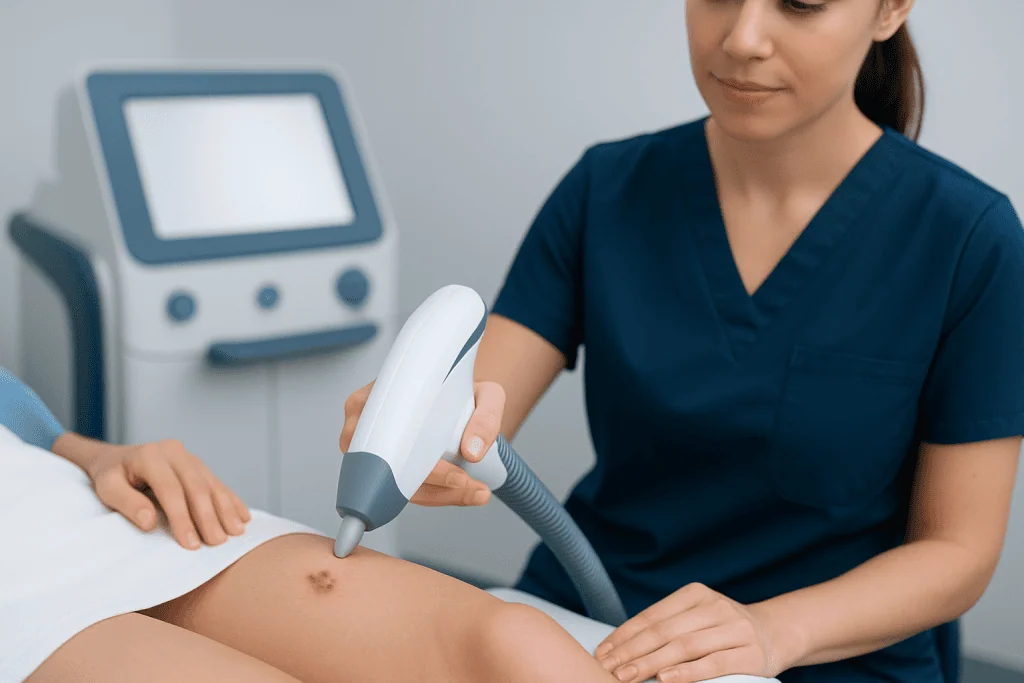
An ingrown hair often looks like a small red, skin-colored, or darker bump where hair has recently been shaved, waxed, tweezed, or otherwise removed. Some people can see a looped or trapped hair under the skin. The area may feel itchy, sore, or tender to the touch.
In some cases, the bump resembles acne or folliculitis. It may develop a white or yellow center if there is inflammation or a secondary bacterial infection. Repeated irritation can lead to post-inflammatory hyperpigmentation, especially in darker skin tones, meaning the area may remain visibly darker after the bump settles.
Common symptoms include:
- Small round or raised bumps after hair removal
- Itching, burning, or mild pain
- Tenderness when clothing rubs the area
- A visible trapped hair under the skin
- Pus, crusting, or increased redness if infection develops
People who develop repeated razor bumps, especially in the beard area, may have pseudofolliculitis barbae, a related condition caused by hairs re-entering the skin after shaving. This can overlap with folliculitis or mimic acne, so a medical review may be helpful if the diagnosis is unclear.
Why ingrown hairs happen: causes and risk factors

Ingrown hairs are most often triggered by hair removal methods that cut or pull hair in a way that changes how it regrows. Shaving very closely, stretching the skin while shaving, using dull blades, waxing, and plucking can all increase the chance that a hair tip will curl into the skin rather than grow outward.
Hair texture also matters. People with coarse, curly, or tightly curled hair are more likely to develop ingrown hairs because curved hair shafts can more easily bend back toward the skin. Areas exposed to friction, tight clothing, sweating, or repeated rubbing may also be more prone to ingrown hairs.
Other factors can make the problem more frequent or severe:
- Frequent shaving, especially daily shaving
- Dry shaving or inadequate lubrication
- Buildup of dead skin that blocks the hair opening
- Picking, squeezing, or scratching the bumps
- Inflammatory skin conditions that affect hair follicles
Sometimes an ingrown hair becomes inflamed enough to resemble a cyst or an infected follicle. If bumps are widespread, very painful, or repeatedly leave marks, a dermatologist may evaluate for other skin conditions and discuss more durable options, including laser hair removal for suitable candidates.
At-home ingrown hair treatment and skin care
For many people, the best ingrown hair treatment at home is to pause shaving, waxing, or plucking in the affected area until the skin calms down. Continuing to remove hair can worsen inflammation and drive the hair deeper. Gentle daily cleansing with lukewarm water and a mild cleanser can help keep the area comfortable without causing extra irritation.
A warm compress applied for several minutes may soften the skin and help the trapped hair move closer to the surface. Some people benefit from very gentle exfoliation, but this should be done carefully. Harsh scrubs, aggressive rubbing, or repeated attempts to dig out the hair can tear the skin and raise the risk of infection and scarring.
Safe self-care steps may include:
- Stopping hair removal temporarily
- Using a warm compress once or twice daily
- Keeping the area clean and dry
- Wearing loose, breathable clothing if friction is a problem
- Avoiding picking, squeezing, or using unsterile tools
If a hair tip becomes clearly visible at the skin surface, a clinician may advise gentle release with a sterile needle or tweezers, but patients should avoid digging under the skin at home. If the area is repeatedly inflamed, a doctor may also review whether a related issue such as hidradenitis suppurativa or recurrent follicular inflammation should be considered in certain body areas.
How doctors diagnose ingrown hairs
Ingrown hairs are usually diagnosed with a skin examination and a history of symptoms. A doctor will ask where the bumps occur, whether they follow shaving or waxing, how long they have been present, and whether there is pain, drainage, or darkening of the skin afterward. In many cases, no special test is needed.
The main goal of diagnosis is to confirm that the problem is an ingrown hair rather than acne, folliculitis, a fungal rash, contact dermatitis, or another skin condition. If the area is very swollen, draining, or repeatedly infected, the clinician may look for signs of bacterial infection or an abscess that needs treatment.
Medical evaluation is especially useful when bumps are chronic, cover a large area, or leave scars. A dermatologist can also assess whether shaving technique, hair texture, friction, or an underlying skin condition is contributing to recurrence, and can recommend a personalized prevention plan.
Medical treatment options for persistent or infected ingrown hairs
When home care is not enough, medical ingrown hair treatment depends on the severity of inflammation and whether infection is present. A clinician may carefully lift out the ingrown hair with sterile instruments if it is close to the surface. This can reduce pressure and help the bump settle more quickly.
If the skin is significantly inflamed, prescription topical treatments may be used to reduce redness, swelling, and follicular blockage. When there are signs of infection, a doctor may recommend an antibacterial treatment. More severe or deeper infections may require drainage or other targeted care, particularly if there is a painful collection of pus.
Longer-term management may be advised for people with frequent recurrences. This can include guidance on shaving technique, topical skin treatments, and selected procedures to reduce future ingrown hairs. In suitable patients, hair reduction approaches such as dermatology evaluation and treatment or laser-based hair reduction may help lower repeated irritation over time.
Near the end of the care pathway, some patients benefit from specialist support if bumps are recurrent, extensive, or causing pigmentation changes. Acibadem International’s multidisciplinary specialists and JCI-accredited hospitals diagnose and treat skin conditions for international patients when more advanced assessment is needed.
Prevention and self-care for recurring ingrown hairs
Prevention is often the most effective long-term approach. Many people can reduce recurrences by changing how they remove hair. Shaving less closely, using a sharp clean blade, shaving in the direction of hair growth, and not stretching the skin can all lower the chance of hairs becoming trapped beneath the surface.
Preparing the skin also matters. Softening hair with warm water before shaving and using a suitable shaving gel or cream can reduce friction. After hair removal, gentle moisturizing may support the skin barrier. If a particular method consistently causes problems, switching to an alternative hair removal approach may help.
Helpful prevention measures include:
- Avoid very close shaving when possible
- Use clean, sharp razors and replace dull blades
- Shave in the direction of hair growth
- Do not repeatedly pass over the same area
- Avoid tight clothing over recently shaved skin
- Consider professional advice for recurring cases
People who are prone to persistent razor bumps may benefit from discussing longer-term solutions with a dermatologist. For some, reducing the frequency of hair removal or choosing a different method can make the biggest difference.
When to seek medical care
Many ingrown hairs settle with time and gentle care, but medical attention is appropriate if symptoms worsen or do not improve. A doctor should assess any area with severe pain, marked swelling, spreading redness, fever, or pus, because these may suggest infection or a deeper inflamed lesion.
Medical advice is also useful if ingrown hairs keep returning in the same place, cause dark marks or scarring, or interfere with daily life. People with diabetes, weakened immunity, or poor wound healing should seek help earlier because even minor skin problems can become more complicated.
Patients should arrange a medical review if:
- The bump is very painful, swollen, or hot
- There is drainage of pus or crusting
- Redness is spreading
- The area is not improving after several days of careful home treatment
- Ingrown hairs are frequent and leave persistent discoloration or scars
Prompt care can relieve symptoms, confirm the diagnosis, and reduce the risk of complications such as infection, hyperpigmentation, or scarring.
Frequently asked questions
What is the fastest ingrown hair treatment?
The quickest first step is usually to stop shaving or waxing the area and apply a warm compress to reduce irritation. If the hair is deeply trapped, very inflamed, or infected, a doctor may need to treat it directly.
Should an ingrown hair be pulled out?
It is generally best not to dig into the skin or squeeze the bump at home. Trying to remove the hair forcefully can damage the skin, increase infection risk, and lead to scarring.
How can someone tell if an ingrown hair is infected?
Possible signs of infection include increasing pain, warmth, pus, crusting, and redness that spreads beyond the bump. Fever or worsening swelling are also reasons to seek medical care promptly.
Do ingrown hairs go away on their own?
Yes, many ingrown hairs improve on their own when the area is left alone and hair removal is paused. Gentle skin care and reducing friction can help the skin heal more comfortably.
Why do ingrown hairs keep coming back?
Recurrence is often linked to hair texture, close shaving, waxing, friction, or skin buildup that blocks the hair opening. A doctor or dermatologist can help identify triggers and suggest prevention strategies tailored to the area involved.
Can ingrown hairs cause scars or dark spots?
They can, especially if the bumps are repeatedly picked, squeezed, or inflamed. Early treatment and prevention are important to reduce the risk of post-inflammatory darkening and permanent scarring.
References
- American Academy of Dermatology
- National Health Service
- Mayo Clinic
- Merck Manual Consumer Version
This article is for general information only and is not a substitute for professional medical advice. Please consult a qualified doctor about your individual situation.
Hair transplant in Turkey — costs, graft counts & a free assessment
JCI-accredited · board-certified surgeons · reply within 24h
Add us as a Preferred Source to see more of our trusted health content across Google Search, AI Overviews and Discover.