Understanding Williams Syndrome: A Complete Patient Guide

Williams syndrome is caused by a small missing piece of chromosome 7 and is usually not inherited from a parent. Common features include developmental differences, a distinctive social personality, and possible heart or blood vessel problems.
Key Takeaways
- Williams syndrome is caused by a small missing piece of chromosome 7 and is usually not inherited from a parent.
- Common features include developmental differences, a distinctive social personality, and possible heart or blood vessel problems.
- Diagnosis usually combines a physical exam, developmental assessment, heart evaluation, and genetic testing.
- Treatment focuses on the person’s specific needs, such as heart care, developmental therapies, and ongoing monitoring.
- Regular follow-up is important because health needs can change from infancy through adulthood.
Williams syndrome is a rare genetic condition that can affect the heart, blood vessels, growth, learning, behavior, and physical development. With early diagnosis and coordinated medical, developmental, and educational support, many children and adults with Williams syndrome can make meaningful progress and live active lives.
What is Williams syndrome?
Williams syndrome is a genetic condition present from birth. It happens when a small segment of chromosome 7 is missing, including a gene called ELN that helps the body make elastin, a protein important for flexible tissues such as blood vessels and skin. Because several genes are involved, the condition can affect many parts of the body and development in different ways.
People with Williams syndrome often share a recognizable pattern of traits, but no two individuals are exactly alike. Some may have heart or blood vessel problems, feeding difficulties in infancy, delayed milestones, learning differences, sensitivity to sound, or characteristic facial features. Many also have strong social interest and expressive language skills, although they may still need support with learning, attention, or anxiety.
Importantly, Williams syndrome is a lifelong condition, but it is not the same for every child or adult. Some health concerns need medical treatment, while others are managed with therapies, educational planning, and regular follow-up. Families often benefit from care that brings together pediatricians, cardiologists, genetic specialists, therapists, and educators.
How Williams syndrome may affect a child or adult
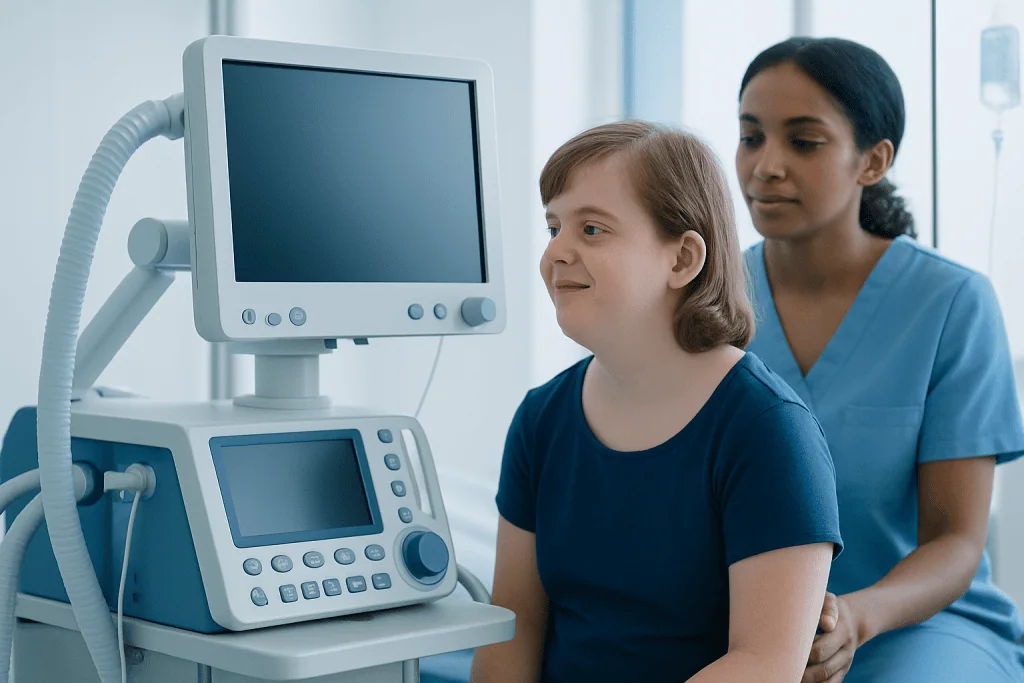
The effects of Williams syndrome can involve physical health, development, and behavior. In infancy, concerns may include poor feeding, reflux, irritability, low muscle tone, constipation, or slow weight gain. As children grow, they may show delayed motor skills, speech delay early on followed by relatively strong verbal abilities, and learning difficulties that affect visual-spatial tasks, math, or abstract reasoning.
Heart and blood vessel changes are among the most important medical features. A common finding is narrowing above the aortic valve, called supravalvular aortic stenosis, although other arteries can also be affected. Some children have mild changes that only need monitoring, while others require specialized treatment from pediatric heart teams. Related evaluation may be part of broader cardiology care.
Behavioral and emotional patterns can also be part of the condition. Many people with Williams syndrome are friendly and socially engaged, yet they may have attention difficulties, heightened anxiety, specific fears, or sensory sensitivities, especially to loud sounds. Sleep problems can occur as well. Recognizing these patterns early can help families understand behavior and seek supportive care rather than assuming a child is simply being difficult.
- Developmental delay or learning differences
- Heart or blood vessel narrowing
- Feeding and growth challenges in infancy
- Sensitivity to sound, anxiety, or attention issues
- Low muscle tone, joint concerns, or coordination difficulties
Symptoms and signs of Williams syndrome

Symptoms of Williams syndrome vary by age. Babies may have colic, trouble feeding, vomiting related to reflux, constipation, and delayed sitting or walking. Some have elevated calcium levels in infancy, which can contribute to irritability, poor feeding, or vomiting. Mild differences in facial appearance may be noticed by clinicians, but these alone do not confirm the diagnosis.
During childhood, developmental and school-related signs often become clearer. A child may be very talkative, affectionate, and interested in people, yet still struggle with attention, problem-solving, drawing, writing, or understanding spatial relationships. Some children are unusually sensitive to certain noises. Others have dental problems, short stature, hernias, or endocrine issues such as early puberty or thyroid abnormalities.
Adults with Williams syndrome may continue to need support for learning, independent living skills, anxiety, and medical follow-up. Cardiovascular health remains important across the lifespan. Not everyone has the same symptoms, and severity can range from mild to more complex. This is one reason why a complete evaluation is recommended whenever Williams syndrome is suspected.
Causes and risk factors
Williams syndrome is caused by a deletion, or missing segment, on chromosome 7 at a region known as 7q11.23. This deleted segment usually includes more than one gene. The loss of these genes changes how the body and brain develop, which explains why the condition can affect the heart, connective tissue, growth, behavior, and learning.
In most cases, the deletion happens as a random event when reproductive cells form or early in embryonic development. This means parents typically did not cause it, and nothing during pregnancy is known to have triggered it. Most families have no prior history of Williams syndrome before one child is diagnosed.
Although it is usually not inherited, a person with Williams syndrome can pass the condition to a child because the genetic change is present from birth. For this reason, genetic counseling can be helpful for adolescents, adults, or families planning future pregnancies. Genetic counseling may also help families understand how Williams syndrome differs from other genetic disorders.
How doctors diagnose Williams syndrome
Diagnosis begins with a careful review of medical history, development, and physical findings. A doctor may suspect Williams syndrome based on a combination of features such as a heart murmur, developmental delay, feeding problems, certain facial characteristics, or a distinctive cognitive and behavioral profile. Because the findings can overlap with other conditions, genetic confirmation is usually important.
The most common way to confirm the diagnosis is a genetic test that looks for the chromosome 7 deletion. Depending on the setting, this may be done using chromosomal microarray or another targeted genetic method. If the diagnosis is confirmed, additional evaluations are often recommended to understand how the condition affects the individual child or adult.
These evaluations may include an echocardiogram, blood pressure checks in both arms and legs, kidney ultrasound when appropriate, blood and urine tests, hearing and vision assessment, dental review, and developmental testing. If there is concern about heart or vascular narrowing, a specialist may recommend advanced imaging such as cardiac MRI or follow-up with pediatric cardiology. The goal is not only to name the condition but also to identify treatable issues early.
Treatment and long-term care
There is no single cure for Williams syndrome, so treatment is tailored to the person’s needs. Care often focuses on heart and blood vessel health, growth and nutrition, developmental progress, emotional wellbeing, and school support. A coordinated team approach can make day-to-day care clearer for families and can reduce the chance that important problems are missed.
If heart or vascular narrowing is present, treatment depends on the location and severity. Some people only need regular observation, while others may need medication, catheter-based procedures, or pediatric cardiac surgery. Feeding support, reflux management, constipation treatment, and monitoring of calcium levels may be especially important in infancy. Endocrine, kidney, dental, hearing, and orthopedic issues are managed as needed.
Developmental therapies are central to care. Early intervention, speech and language therapy, occupational therapy, and physical therapy can all help. Educational planning should build on strengths while supporting areas of difficulty, especially visual-spatial skills, fine motor tasks, and attention. For anxiety, sleep concerns, or behavior challenges, families may benefit from psychological support, behavioral strategies, and when appropriate, care through pediatric neurology or child mental health specialists.
As children grow into adolescence and adulthood, transition planning becomes important. This may include vocational support, life-skills training, ongoing cardiovascular follow-up, and guidance about independence and reproductive counseling. Near the end of the care journey, some international families seek multidisciplinary assessment at centers such as Acibadem International, where JCI-accredited hospitals and specialist teams evaluate and treat complex genetic and cardiovascular conditions.
Daily support, prevention, and self-care
Williams syndrome cannot be prevented once the genetic change has occurred, but early support can improve comfort, function, and quality of life. Families can help by keeping regular follow-up appointments, tracking symptoms, and sharing changes in sleep, feeding, exercise tolerance, school performance, or behavior with the medical team. A written care plan is often useful, especially when more than one specialist is involved.
At home, routines can make daily life easier. Many children do well with predictable schedules, simple step-by-step instructions, and a calm response to sensory overload or anxiety. Because strengths and challenges can be uneven, it helps to encourage social and language skills while also giving extra support for tasks involving coordination, handwriting, math, or spatial concepts.
General health habits matter too. A balanced diet, dental care, age-appropriate activity guided by the doctor, good sleep routines, and hearing protection in very loud environments may all be helpful. Families should avoid making medication or supplement changes without medical advice, particularly if there is a history of calcium imbalance, blood pressure concerns, or heart disease.
When to seek medical care
Medical advice is appropriate whenever a child has developmental delays, feeding difficulties, a heart murmur, poor growth, unusual sensitivity to sound, or a combination of learning and behavioral differences that raises concern. Parents do not need to wait for many symptoms to appear before asking for an evaluation. Early assessment can clarify whether Williams syndrome or another condition may be present.
Urgent medical attention is needed for symptoms such as breathing difficulty, fainting, chest pain, a blue color around the lips, severe vomiting, dehydration, very poor feeding, or marked lethargy. These symptoms do not always mean Williams syndrome is the cause, but they should be checked promptly. Any child with known heart or vascular disease should follow the specialist’s guidance about emergency symptoms.
Regular follow-up remains important even after diagnosis because needs can change over time. Families should contact a doctor if school challenges worsen, anxiety becomes harder to manage, blood pressure seems elevated, or new exercise intolerance appears. Ongoing review helps doctors adjust the care plan as the child or adult grows.
Frequently asked questions
Is Williams syndrome inherited?
Most cases are not inherited from a parent. They usually happen because a small piece of chromosome 7 is missing by chance. However, a person who has Williams syndrome can pass it on to their child.
Can Williams syndrome be cured?
There is no cure that replaces the missing genetic material. Treatment focuses on managing medical problems, supporting development, and helping the person function as well as possible. Many children benefit from early therapies and regular follow-up.
What is the life expectancy for someone with Williams syndrome?
Life expectancy can vary depending on the person’s heart and blood vessel health and any related medical issues. Many people live into adulthood, especially with appropriate monitoring and treatment. Ongoing cardiovascular care is an important part of long-term health.
How is Williams syndrome different from autism?
Williams syndrome and autism are different conditions, although both can affect development and behavior. People with Williams syndrome are often highly social and verbally expressive, while autism commonly affects social communication in a different way. A specialist can help distinguish between them if there is uncertainty.
At what age is Williams syndrome usually diagnosed?
Diagnosis can happen in infancy, childhood, or sometimes later, depending on which signs appear first. Heart findings, feeding difficulties, and developmental delay may lead to early testing. In other children, learning and behavioral patterns become more noticeable at school age.
What specialists may be involved in care?
Care often includes a pediatrician, cardiologist, geneticist, developmental specialist, speech therapist, occupational therapist, and physical therapist. Some children also need support from endocrinology, nephrology, psychology, or dentistry. The exact team depends on the individual’s symptoms.
References
- National Institutes of Health
- MedlinePlus
- American Academy of Pediatrics
- National Organization for Rare Disorders
- GeneReviews
This article is for general information only and is not a substitute for professional medical advice. Please consult a qualified doctor about your individual situation.
Explore treatments in Turkey — costs, top hospitals & a free quote
JCI-accredited · board-certified surgeons · reply within 24h
Add us as a Preferred Source to see more of our trusted health content across Google Search, AI Overviews and Discover.

More from the Health Library



Related Specialists

Dr. Güliz Sidar
Gynecology & Obstetrics
Dr. Asiye Nesrin Atay
Dermatology
Dr. Anil Karaağaç
Cardiovascular Surgery
Prof. Dr. Selda Özçirpici
Physical Medicine & Rehabilitation