Upper Gastric Pain Pregnancy: Possible Causes and When to Seek Care

Mild upper stomach discomfort in pregnancy is commonly related to indigestion, acid reflux, gas, or stretching as the baby grows. Pain in the upper abdomen can also come from the gallbladder, liver, pancreas, or less commonly the stomach itself.
Key Takeaways
- Mild upper stomach discomfort in pregnancy is commonly related to indigestion, acid reflux, gas, or stretching as the baby grows.
- Pain in the upper abdomen can also come from the gallbladder, liver, pancreas, or less commonly the stomach itself.
- Warning signs include severe or constant pain, fever, vomiting, vaginal bleeding, shortness of breath, headache, swelling, or visual symptoms.
- Evaluation may include an exam, blood tests, urine tests, fetal assessment, and pregnancy-safe imaging when needed.
- Treatment depends on the cause and may include dietary changes, safe medicines, hydration, rest, or urgent obstetric care.
Upper gastric pain pregnancy is often linked to common digestive changes such as heartburn, reflux, bloating, or pressure from the growing uterus. However, pain that is severe, one-sided, persistent, or paired with symptoms like vomiting, headache, fever, bleeding, or vision changes should be assessed by a clinician promptly.
Overview: what upper gastric pain in pregnancy can mean
Upper gastric pain pregnancy usually refers to discomfort felt in the upper middle abdomen, just below the breastbone, or in the upper right or left side of the belly. In many cases, this pain is related to pregnancy-related digestive changes such as acid reflux, slower stomach emptying, gas, bloating, or pressure from the enlarging uterus. These causes are often uncomfortable but not dangerous.
Pregnancy hormones, especially progesterone, relax smooth muscle throughout the body. This can slow digestion and also loosen the valve between the stomach and esophagus, making heartburn and reflux more likely. As pregnancy progresses, the growing uterus can push upward on the stomach and surrounding organs, which may increase fullness, burning, or cramping after meals.
Still, upper abdominal pain should not be dismissed automatically. Some causes are unrelated to pregnancy, while others are pregnancy-specific and need timely care. Pain may come from the gallbladder, liver, pancreas, stomach lining, muscles, or in some situations from obstetric conditions that affect both parent and baby.
The most helpful approach is to look at the pattern of pain, its location, what brings it on, and whether other symptoms are present. Mild symptoms after eating may point to indigestion, while severe pain, pain with fever, vomiting, or symptoms such as headache and vision changes may require urgent medical review.
Common symptoms and how the pain may feel
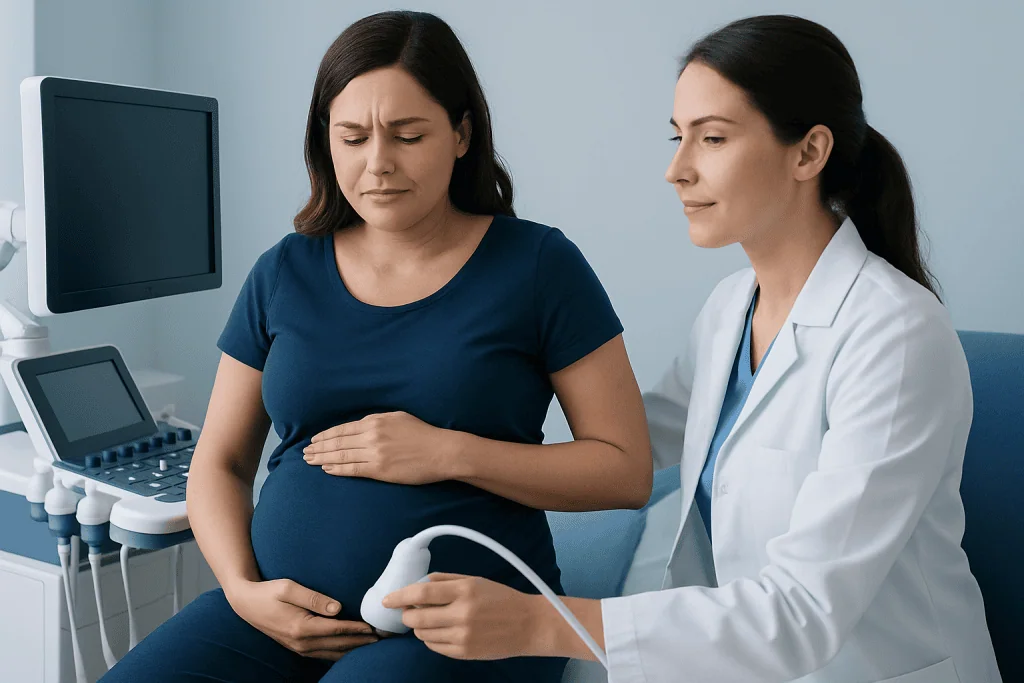
People describe upper gastric pain during pregnancy in different ways. It may feel like burning behind the breastbone, a heavy or full sensation after small meals, cramping, pressure under the ribs, sharp pain on one side, or pain that seems to spread to the back or shoulder. The timing can also vary. Some discomfort appears after eating, when lying down, or at night, while other pain may be constant.
Associated digestive symptoms can provide clues. Heartburn, sour taste in the mouth, burping, nausea, bloating, constipation, or feeling unusually full may suggest reflux or indigestion. Pain in the upper right abdomen after fatty meals may point more toward the gallbladder. Tenderness with repeated vomiting can sometimes irritate the stomach or esophagus.
Symptoms that deserve more attention include:
- Severe or persistent upper abdominal pain
- Pain with fever or chills
- Repeated vomiting or inability to keep fluids down
- Yellowing of the eyes or skin
- Headache, swelling, or visual changes
- Vaginal bleeding, fluid leakage, or contractions
- Shortness of breath, chest pain, or fainting
Because pregnancy can change how symptoms feel, it is not always easy to identify the cause at home. If the pain is new, stronger than expected, or not improving with simple measures, a qualified clinician can help decide whether it is routine discomfort or something that needs testing.
Possible causes of upper gastric pain during pregnancy
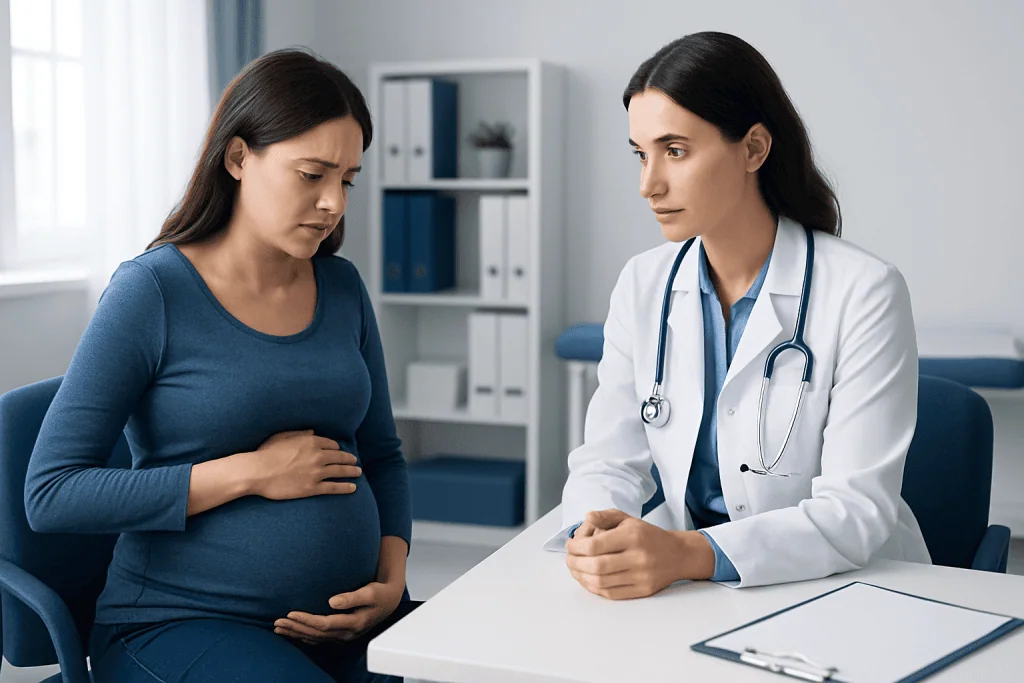
The most frequent explanation is indigestion or gastroesophageal reflux. Pregnancy hormones relax the digestive tract, and the uterus places pressure on the stomach, making acid more likely to move upward. This can lead to burning discomfort, sour fluid in the throat, bloating, and pain after meals or when lying flat. Related conditions such as gastroesophageal reflux disease may become more noticeable during pregnancy.
Gallbladder problems are another important cause. Pregnancy can slow gallbladder emptying, which may increase the risk of gallstones or gallbladder inflammation. Pain is often felt in the upper right abdomen and may come after eating, especially rich or fatty foods. It can radiate to the back or right shoulder and may occur with nausea or vomiting. In some cases, doctors may consider evaluation similar to that used for gallstones.
Other digestive causes include gastritis, stomach irritation from vomiting, peptic ulcer disease, constipation with trapped gas, and more rarely pancreatitis. Pain from the liver or pancreas may be deeper, more intense, or associated with abnormal blood tests. Muscle strain from posture changes, coughing, or stretching of the abdominal wall can also create soreness under the ribs.
Some pregnancy-specific conditions need prompt attention. Upper abdominal or right upper quadrant pain may occur with preeclampsia, especially when accompanied by headache, swelling, high blood pressure, or visual symptoms. HELLP syndrome, a serious complication involving the liver and blood cells, can also present with upper abdominal pain. In later pregnancy, severe pain may occasionally reflect placental or labor-related problems, even if the discomfort seems to be higher in the abdomen.
Risk factors and situations that increase the chance of pain
Some factors make routine upper gastric discomfort more likely. These include eating large meals, lying down soon after eating, spicy or fatty foods, caffeine, carbonated drinks, constipation, and a history of reflux or gastritis before pregnancy. Symptoms often become more noticeable in the second and third trimesters because the uterus takes up more space in the abdomen.
A personal history of gallstones, obesity, rapid weight changes, high-fat meals, or previous gallbladder symptoms can raise the likelihood of gallbladder-related pain. Recurrent vomiting, especially in early pregnancy, may irritate the stomach lining and worsen burning or soreness. Certain medicines, if approved and taken during pregnancy, may also affect the stomach and should be reviewed by a clinician if symptoms change.
Risk factors for more urgent pregnancy-specific causes differ. A history of high blood pressure, kidney disease, preeclampsia in a prior pregnancy, multiple pregnancy, or autoimmune conditions may increase concern if upper abdominal pain is paired with swelling, headache, or visual changes. Liver disease, hepatitis, or clotting disorders may also change the evaluation.
Even without known risk factors, any pregnant person can develop significant abdominal pain. For that reason, the severity of symptoms and any associated warning signs matter more than assumptions based on age, stage of pregnancy, or previous healthy pregnancies.
How doctors diagnose the cause
Diagnosis begins with careful questions about where the pain is felt, when it started, what it feels like, and whether meals, movement, or lying down affect it. A clinician will also ask about vomiting, bowel habits, fever, headache, vaginal bleeding, fetal movement, urinary symptoms, and any history of reflux, ulcers, gallstones, or high blood pressure.
The physical examination may include checking blood pressure, temperature, heart rate, abdominal tenderness, signs of dehydration, and swelling. In pregnancy, the evaluation often also considers the baby, especially later in gestation. Depending on the situation, this may include listening to the fetal heartbeat or carrying out fetal monitoring.
Tests are chosen based on the likely cause. Blood tests may assess liver function, pancreatic enzymes, blood counts, and signs of inflammation. Urine tests can help check for protein, dehydration, or infection. If there is concern about the gallbladder, liver, or another organ in the upper abdomen, ultrasound is often the first imaging test because it does not use radiation.
When digestive symptoms are persistent or severe, clinicians may also evaluate for complications of reflux or other stomach disorders. In selected situations, management may involve pregnancy-safe options used in gastroenterology care or, if gallbladder disease is suspected, review by teams familiar with general surgery during pregnancy. The exact plan depends on how far along the pregnancy is and whether there are urgent obstetric concerns.
Treatment options and symptom relief
Treatment depends on the cause. For uncomplicated indigestion or reflux, clinicians usually begin with practical lifestyle measures. Eating smaller, more frequent meals, avoiding trigger foods, sitting upright after eating, and not eating close to bedtime can reduce pressure and acid exposure. Some people also feel better sleeping with the upper body slightly elevated.
When lifestyle changes are not enough, a doctor may recommend pregnancy-appropriate medicines for heartburn or nausea. These can include antacids or other acid-reducing treatments considered suitable in pregnancy, but the choice should be individualized. It is important not to start over-the-counter medicines, herbal products, or supplements without checking that they are appropriate during pregnancy.
If the problem involves the gallbladder, treatment may include hydration, diet changes, pain relief considered safe in pregnancy, and close follow-up. Infections, pancreatitis, severe vomiting, or significant dehydration may require hospital care. If a surgical issue is confirmed, specialists can discuss the safest timing and approach. In appropriate cases, minimally invasive laparoscopic surgery may be considered during pregnancy by experienced teams.
If upper abdominal pain is linked to preeclampsia, HELLP syndrome, or another pregnancy complication, treatment focuses on protecting both parent and baby. This may involve blood pressure monitoring, laboratory follow-up, medications, and obstetric assessment. Near the end of pregnancy, care planning may also include decisions about timing of delivery when clinically necessary.
Self-care, prevention, and daily habits that may help
Many episodes of mild upper gastric pain can be reduced with routine daily measures. Helpful strategies include eating slowly, choosing smaller meals, limiting very greasy or heavily spiced foods, and drinking fluids steadily through the day rather than taking large amounts at once with meals. Gentle walking after eating may also support digestion.
To reduce reflux, it often helps to avoid lying flat for two to three hours after meals and to sleep with the head and upper chest slightly elevated if symptoms are worse at night. Wearing loose clothing around the waist can reduce pressure on the stomach. If constipation and gas are contributing, a clinician may advise more fiber, fluids, and pregnancy-safe methods to keep bowel movements regular.
It is also useful to keep a simple symptom diary. Noting when the pain happens, what was eaten beforehand, and whether there are triggers such as late meals or certain foods can help identify patterns. This record may make medical visits more productive if symptoms continue.
Near the end of care, some people benefit from multidisciplinary support when symptoms are complex or recurrent. Acibadem International’s multidisciplinary specialists in JCI-accredited hospitals evaluate digestive and pregnancy-related causes of abdominal pain for international patients, coordinating obstetric, internal medicine, imaging, and surgical input when needed.
When to seek medical care
Pregnant patients should contact a doctor promptly if upper gastric pain is severe, does not go away, keeps returning, or interferes with eating and drinking. Medical review is also important when the pain is focused under the right ribs, spreads to the back or shoulder, or is accompanied by repeated vomiting, fever, or yellowing of the skin or eyes.
Urgent assessment is needed if upper abdominal pain occurs with headache, swelling of the face or hands, visual changes, shortness of breath, chest pain, fainting, vaginal bleeding, fluid leakage, reduced fetal movement, or contractions. These symptoms may point to a pregnancy complication or another condition that should not wait.
If there is concern about a digestive cause but symptoms are worsening quickly, it is safer to be checked than to assume it is heartburn. Pregnancy can change how illnesses present, and early assessment can help identify whether the problem is mild and manageable or whether tests and observation are needed.
Any advice given online is general and cannot replace individual medical evaluation. A qualified obstetrician, family physician, emergency clinician, or gastroenterology specialist can guide the safest next step based on the stage of pregnancy and the full symptom picture.
Frequently asked questions
Is upper gastric pain normal in pregnancy?
It can be common, especially when it is related to heartburn, reflux, gas, bloating, or pressure from the growing uterus. Even so, pain that is severe, persistent, or associated with other symptoms should be checked by a doctor.
How can someone tell if the pain is heartburn or something more serious?
Heartburn often causes a burning feeling behind the breastbone, a sour taste, and symptoms that worsen after meals or when lying down. Pain that is intense, one-sided, constant, or linked with fever, vomiting, headache, vision changes, or yellowing of the skin needs medical assessment.
Can gallbladder problems cause upper abdominal pain in pregnancy?
Yes. Gallstones and gallbladder inflammation can cause pain in the upper right abdomen, especially after fatty meals, and the pain may spread to the back or right shoulder. Nausea and vomiting can occur as well, so evaluation is important if these symptoms are present.
When should a pregnant person go to urgent care or the emergency department for upper stomach pain?
Urgent care is appropriate for severe or worsening pain, repeated vomiting, dehydration, fever, chest pain, shortness of breath, fainting, vaginal bleeding, reduced fetal movement, or signs such as headache and vision changes. It is also important to seek urgent help if blood pressure is known to be high or the pain is under the right ribs and does not ease.
What tests might be done for upper gastric pain during pregnancy?
Doctors may check blood pressure, examine the abdomen, and ask about digestive and pregnancy symptoms. Depending on the case, they may order blood tests, urine tests, fetal assessment, and ultrasound to look at the gallbladder, liver, or other organs.
What can help relieve mild upper gastric pain during pregnancy?
Small frequent meals, avoiding trigger foods, not lying down soon after eating, and staying hydrated often help. A doctor may also suggest pregnancy-safe medicines for reflux or nausea if lifestyle changes are not enough.
References
- American College of Obstetricians and Gynecologists
- National Institute of Diabetes and Digestive and Kidney Diseases
- National Health Service
- Mayo Clinic
- World Health Organization
This article is for general information only and is not a substitute for professional medical advice. Please consult a qualified doctor about your individual situation.
Persistent digestive symptoms? Get evaluated in Turkey
JCI-accredited · board-certified surgeons · reply within 24h
Add us as a Preferred Source to see more of our trusted health content across Google Search, AI Overviews and Discover.
Check your numbers in seconds
BMI, calories, due date, blood pressure and 30+ more clinical calculators — free, instant, doctor-reviewed ranges.