Urinary Incontinence: Types, Causes, and Treatment Options

Urinary incontinence is a symptom, not a normal or inevitable part of aging, and it can have several treatable causes. The main types include stress, urge, overflow, functional, and mixed incontinence.
Key Takeaways
- Urinary incontinence is a symptom, not a normal or inevitable part of aging, and it can have several treatable causes.
- The main types include stress, urge, overflow, functional, and mixed incontinence.
- Diagnosis usually begins with medical history, physical examination, urine testing, and sometimes bladder studies or imaging.
- Treatment may include lifestyle changes, pelvic floor exercises, bladder training, medicines, devices, or procedures depending on the cause.
- A doctor should be consulted if urine leakage affects daily life, occurs with pain or blood in urine, or starts suddenly.
Urinary incontinence means passing urine unintentionally, from occasional leaks to more frequent bladder control problems. Although it can feel embarrassing, it is common, treatable, and often improves with the right diagnosis and care plan.
Overview
Urinary incontinence is the involuntary leakage of urine. It may happen when a person coughs, laughs, exercises, or cannot reach the bathroom in time. For some people, leakage is occasional and mild; for others, it may interfere with sleep, work, travel, intimacy, and social activities.
Incontinence is not a disease by itself. It is a symptom that can result from changes in the bladder, urethra, pelvic floor muscles, nerves, hormones, prostate, medications, or other health conditions. Because the causes vary, the most effective treatment depends on identifying the type of incontinence and the factors contributing to it.
Many people delay seeking help because they feel embarrassed or assume urine leakage is a normal part of childbirth or aging. In reality, urinary incontinence is common and often manageable. A healthcare professional can evaluate the problem respectfully and recommend conservative, medical, or procedural options tailored to the person’s needs.
Types of Urinary Incontinence
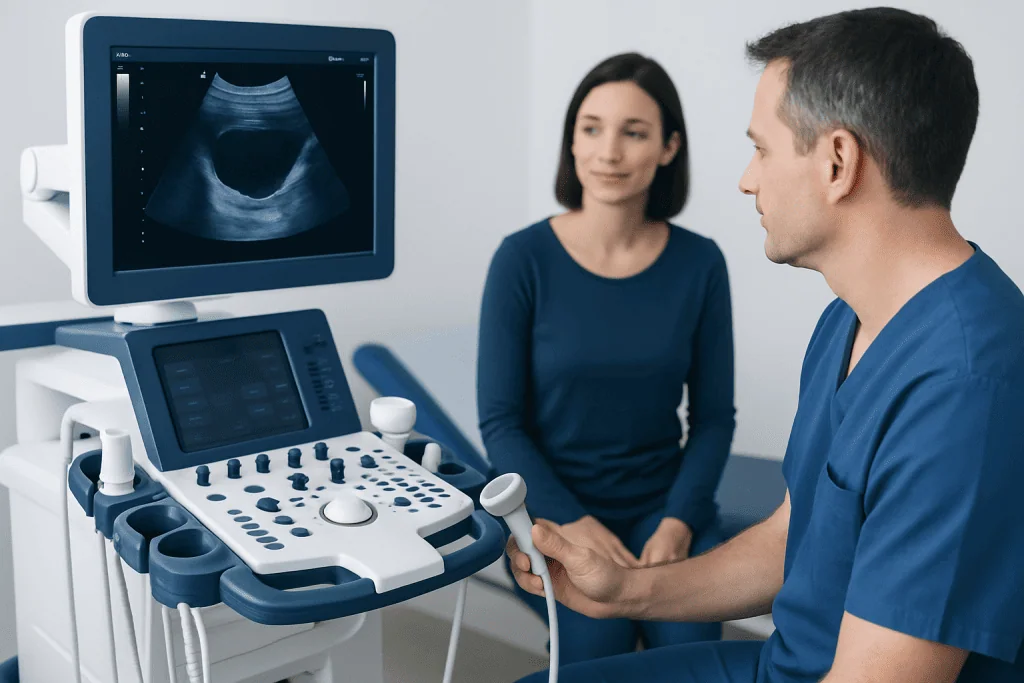
There are several types of urinary incontinence, and a person may have more than one type at the same time. Understanding the pattern of leakage helps doctors choose the right treatment approach.
- Stress incontinence: Leakage occurs when pressure increases inside the abdomen, such as during coughing, sneezing, laughing, running, lifting, or jumping. It is often related to pelvic floor weakness or urethral support problems.
- Urge incontinence: A sudden, strong need to urinate is followed by leakage before reaching the toilet. This is commonly linked with overactive bladder, in which the bladder muscle contracts too soon or too strongly.
- Mixed incontinence: Features of both stress and urge incontinence are present. Treatment may need to address both pelvic support and bladder urgency.
- Overflow incontinence: The bladder does not empty completely and becomes overly full, causing frequent dribbling or leakage. It may be associated with urinary blockage, prostate enlargement, nerve problems, or certain medications.
- Functional incontinence: A person’s urinary system may work normally, but mobility, memory, vision, or environmental barriers make it difficult to reach the toilet in time.
Temporary incontinence can also occur due to urinary tract infection, constipation, high fluid intake, caffeine or alcohol, or medication effects. When the temporary cause is treated or adjusted, leakage may improve significantly.
Symptoms and How It May Affect Daily Life

The main symptom is leaking urine when it is not intended. The timing and triggers provide important clues. Leakage with movement or pressure suggests stress incontinence, while leakage after a sudden urgent feeling points toward urge incontinence. Frequent urination, waking at night to urinate, or feeling unable to empty the bladder may also be present.
Some people notice damp underwear, repeated trips to the bathroom, or the need to wear pads. Others may plan activities around bathroom access, avoid exercise, reduce fluid intake too much, or feel anxious about odor or accidents. These effects are important to discuss with a doctor because they help measure severity and guide treatment goals.
Symptoms that deserve prompt medical attention include pain or burning with urination, fever, blood in the urine, new leakage after surgery or injury, difficulty starting urination, weak stream, numbness in the groin area, or sudden loss of bladder control. These signs can suggest infection, obstruction, nerve involvement, or another condition needing timely evaluation.
Causes and Risk Factors
Urinary incontinence can develop when the bladder stores urine poorly, empties poorly, or when the urethra and pelvic floor do not provide enough support. In women, pregnancy, vaginal delivery, menopause-related tissue changes, pelvic organ prolapse, and prior pelvic surgery can contribute. In men, prostate enlargement, prostate surgery, and urinary blockage are important considerations.
Nerve and muscle function also play a role. Conditions such as diabetes, stroke, Parkinson’s disease, multiple sclerosis, spinal cord problems, or chronic back issues can affect the signals between the brain, nerves, and bladder. Chronic cough, constipation, excess body weight, and physically demanding activities may increase pressure on the pelvic floor over time.
Medications may worsen urinary symptoms in some people. Examples include diuretics, sedatives, some antidepressants, muscle relaxants, and medications that affect bladder or urethral tone. A person should not stop prescribed medicine without medical advice, but medication review is an important part of evaluation.
Lifestyle factors can influence bladder symptoms as well. Caffeine, alcohol, carbonated drinks, very spicy or acidic foods, and large evening fluid intake may trigger urgency in some individuals. Smoking can contribute indirectly by increasing chronic cough and bladder irritation, and it is also associated with several urinary tract health risks.
Diagnosis
Diagnosis starts with a detailed conversation about symptoms, medical history, pregnancies or surgeries, medication use, fluid habits, bowel habits, and how incontinence affects daily life. The doctor may ask when leakage happens, how often it occurs, whether urgency is present, and whether the bladder feels empty after urinating.
A physical examination may include an abdominal, pelvic, rectal, or neurologic assessment depending on the person’s symptoms and sex. Doctors may check for pelvic floor strength, prolapse, prostate enlargement, signs of infection, or nerve-related findings. A urine test is commonly performed to look for infection, blood, glucose, or other abnormalities.
A bladder diary is often helpful. For several days, the person records fluid intake, urination times, leakage episodes, urgency, and pad use. This practical tool can reveal patterns and guide treatment. In some cases, the doctor may measure post-void residual urine to see how much urine remains in the bladder after urination.
Additional tests are not needed for everyone, but they may be recommended if symptoms are complex, severe, recurrent, or not improving with initial treatment. These can include ultrasound, cystoscopy to look inside the bladder, urodynamic testing to assess bladder storage and emptying, or other imaging when a structural or neurologic cause is suspected.
Treatment Options
Treatment depends on the type of urinary incontinence, symptom severity, overall health, and patient preferences. Many people begin with conservative treatment because it is safe and can be effective. This may include pelvic floor muscle training, bladder training, weight management when appropriate, constipation treatment, fluid timing, and reducing personal bladder triggers such as caffeine.
Pelvic floor muscle exercises, often called Kegel exercises, aim to strengthen the muscles that support the bladder and urethra. Correct technique is important; some people benefit from guidance by a pelvic floor physiotherapist. Bladder training helps increase the time between bathroom visits gradually and teaches strategies to manage urgency.
Medicines may be considered, particularly for urge incontinence or overactive bladder. These medications work in different ways to calm bladder contractions or improve bladder storage. The choice depends on medical history, side effects, other medicines, and patient age. For overflow incontinence or obstruction, treatment focuses on improving bladder emptying and addressing the underlying cause.
Devices and procedures may be appropriate when conservative care is not enough. Options can include vaginal pessaries or urethral inserts for selected women with stress incontinence, injectable bulking agents, sling surgery, or other reconstructive procedures. For certain urge incontinence cases, treatments such as bladder injections, nerve stimulation, or specialized procedures may be considered. A urologist, urogynecologist, or related specialist can explain benefits, risks, recovery, and expected outcomes for each option.
Prevention and Self-Care
Not all cases of urinary incontinence can be prevented, but healthy bladder and pelvic floor habits can reduce risk and improve symptoms. Drinking enough fluid is important; avoiding fluids completely can concentrate urine and irritate the bladder. Instead, many people do better by spreading fluids through the day and limiting large amounts close to bedtime if nighttime urination is a problem.
Regular bowel habits matter because constipation can put pressure on the bladder and pelvic floor. A fiber-rich diet, adequate fluids, and regular physical activity may help. Maintaining a healthy weight, stopping smoking, and treating chronic cough can reduce repeated pressure on the pelvic floor.
Practical self-care steps include planning bathroom access during travel, using absorbent products when needed, protecting skin from moisture, and wearing clothing that is easy to remove. These strategies can support confidence while medical treatment is being arranged, but they should not replace evaluation if leakage is frequent or bothersome.
Pelvic floor exercises are often useful during pregnancy, after childbirth, and later in life, but technique should be correct and comfortable. If exercises worsen pain, cause pelvic discomfort, or are difficult to perform, professional pelvic floor assessment is recommended.
When to See a Doctor
A person should consider seeing a doctor when urinary leakage is new, worsening, frequent, or affecting daily activities, sleep, exercise, work, or relationships. Medical advice is also recommended if pads are needed regularly, if there is a strong fear of accidents, or if a person changes fluid intake or social plans because of bladder symptoms.
Prompt assessment is especially important if incontinence occurs with pain, burning, fever, blood in urine, difficulty urinating, repeated urinary tract infections, pelvic or back pain, weakness, numbness, or sudden neurologic symptoms. These features may require additional testing and timely treatment.
During a consultation, patients can help by bringing a medication list, previous test results, and, if possible, a bladder diary. Honest discussion of symptoms allows the clinician to identify the type of incontinence and create a practical care plan.
Acibadem International’s multidisciplinary specialists and JCI-accredited hospitals diagnose and treat urinary incontinence for international patients, including evaluation by urology, gynecology, physiotherapy, and related services when needed. Patients should always seek individualized advice from a qualified healthcare professional before starting or changing treatment.
Frequently asked questions
Is urinary incontinence a normal part of aging?
Urinary incontinence becomes more common with age, but it is not considered a normal or unavoidable part of aging. Many causes are treatable or manageable. A medical evaluation can identify the type of incontinence and the best options for care.
Can urinary incontinence improve without surgery?
Yes. Many people improve with lifestyle changes, pelvic floor muscle training, bladder training, treatment of constipation, medication review, or medicines for overactive bladder. Surgery or procedures are usually considered when symptoms are significant and conservative measures are not enough.
What is the difference between stress and urge incontinence?
Stress incontinence is leakage during activities that increase abdominal pressure, such as coughing, sneezing, or exercise. Urge incontinence involves a sudden, strong need to urinate followed by leakage. Some people have both, which is called mixed incontinence.
Should a person drink less water to prevent leakage?
Reducing fluids too much is usually not the best solution because concentrated urine may irritate the bladder and increase urgency. It is generally better to drink reasonable amounts throughout the day and adjust timing, especially before bedtime. A doctor can provide guidance based on symptoms and health conditions.
Do pelvic floor exercises really help?
Pelvic floor exercises can help many people, especially those with stress incontinence or pelvic floor weakness. They need to be performed correctly and consistently. If a person is unsure how to do them, a pelvic floor physiotherapist can provide individualized instruction.
When is urinary incontinence urgent?
Urgent medical care is advisable if leakage starts suddenly with weakness, numbness, severe back pain, fever, blood in the urine, or inability to urinate. These symptoms may suggest infection, nerve problems, or urinary blockage. Otherwise, bothersome or persistent leakage should still be assessed through a scheduled medical visit.
References
- World Health Organization
- International Continence Society
- American Urological Association
- European Association of Urology
- National Institute for Health and Care Excellence
This article is for general information only and is not a substitute for professional medical advice. Please consult a qualified doctor about your individual situation.
Urinary Incontinence in Turkey — costs, top hospitals & a free quote
JCI-accredited · board-certified surgeons · reply within 24h
Add us as a Preferred Source to see more of our trusted health content across Google Search, AI Overviews and Discover.

Gynecology & Obstetrics
Women’s health across pregnancy, gynecologic surgery and high-risk pregnancy care.
187 specialists in this unitMore from the Health Library



Related Specialists

Asst. Prof. Dr. Ant Uzay
Hematology
Assoc. Prof. Dr. Erkin İsmail
General Surgery
Dr. Sinem Keskin Kayalar
Anesthesiology
Dr. Zühre Esra Kıvanç
Inpatient Clinic Physicians Clinical Service