Urodynamic Testing for Bladder Control Symptoms

Urodynamic testing evaluates bladder storage, bladder pressure and urine flow during filling and emptying. Testing is commonly used when urinary symptoms are persistent, complex or not explained by basic assessment alone.
Key Takeaways
- Urodynamic testing evaluates bladder storage, bladder pressure and urine flow during filling and emptying.
- Testing is commonly used when urinary symptoms are persistent, complex or not explained by basic assessment alone.
- Most tests are outpatient procedures and may involve a urine-flow measurement, thin catheters and sometimes imaging.
- Mild temporary discomfort, light burning with urination or a small amount of blood in the urine can occur after catheter-based testing.
- Results are interpreted alongside symptoms, examination findings, a bladder diary and urine test rather than in isolation.
Urodynamic testing is a group of tests that assesses how well the bladder, urethra and pelvic floor store urine and empty the bladder. It can help identify the cause of symptoms such as urinary leakage, frequent urination, urgency, weak flow or incomplete emptying, and guide an individualized treatment plan.
What is urodynamic testing?
Urodynamic testing is an umbrella term for tests that examine how the lower urinary tract works. The lower urinary tract includes the bladder, which stores urine, the urethra, which carries urine out of the body, and muscles and nerves that coordinate bladder emptying. The tests measure factors such as urine flow, bladder pressure, bladder capacity and whether urine leaks during filling or activity.
These investigations are not usually the first step for every urinary symptom. A clinician may first review medical history, medications and fluid intake, perform an examination, check a urine sample and ask the person to complete a bladder diary. Urodynamic testing may be useful when symptoms continue, diagnosis is uncertain, previous treatment has not helped, or surgery is being considered.
The aim is to understand bladder function rather than simply confirm that a symptom is present. For example, leakage may relate to pressure on the bladder during coughing or exercise, involuntary bladder contractions, incomplete emptying, or more than one factor. Testing can help distinguish among these possibilities.
Why a clinician may recommend the test
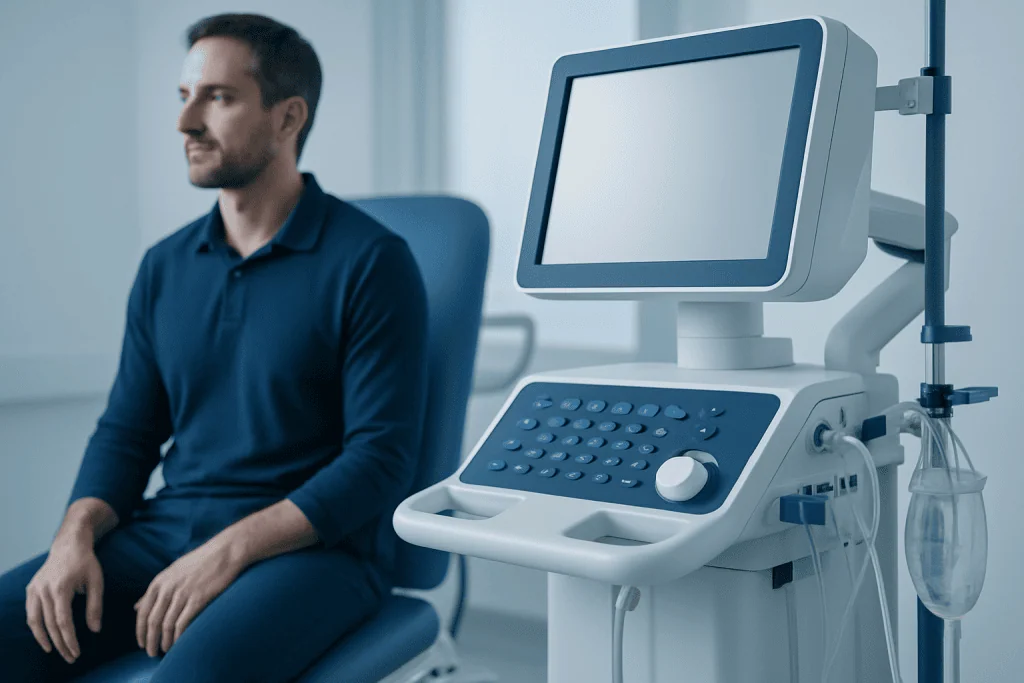
A urologist, urogynecologist or continence specialist may recommend urodynamic testing for bothersome urinary symptoms that affect daily activities, sleep or quality of life. It may also be considered when symptoms occur alongside neurological conditions, previous pelvic surgery, pelvic organ prolapse, recurrent urinary retention or a history of prostate treatment.
Common reasons include urinary leakage, a sudden hard-to-defer urge to urinate, frequent urination, waking often at night to urinate, a weak or interrupted stream, straining to pass urine, or a persistent feeling that the bladder has not emptied. The test may help assess symptoms associated with urinary incontinence and other bladder-emptying concerns.
Results can support decisions about conservative care, medicines, catheter use, pelvic floor rehabilitation or surgery. They do not replace a conversation about the person’s symptoms and goals, because a test result is only one part of a complete clinical assessment.
Types of urodynamic tests

Testing is tailored to the clinical question, so not everyone has the same set of procedures. Uroflowmetry is a simple first test in which the person urinates privately into a special device. It records the amount of urine passed, the speed of flow and the flow pattern. A bladder scan or catheter measurement may then check the post-void residual, meaning urine left in the bladder after urination.
For more detailed assessment, filling cystometry uses a small catheter to fill the bladder gradually with sterile fluid while pressure is measured. Another small catheter may be placed in the rectum or vagina to help distinguish pressure from the bladder itself from pressure caused by the abdomen. The person is asked to report sensations such as the first desire to urinate, strong urgency and fullness.
A pressure-flow study measures bladder and abdominal pressure while the person empties the bladder. This can help assess whether reduced flow is related to weak bladder muscle contraction, obstruction at the bladder outlet or pelvic floor muscle coordination. During leak-point or stress testing, coughing or bearing down may be requested to see whether leakage occurs.
In selected cases, video urodynamics combines pressure testing with moving X-ray images using contrast material. Electromyography may also be used to record activity in muscles that influence bladder emptying. These additional tests are generally reserved for specific concerns and are not necessary for every patient.
How to prepare and what happens during the procedure
The clinic will provide instructions before the appointment. A person may be asked to arrive with a comfortably full bladder, complete a bladder diary for several days, or provide a urine sample to exclude infection. It is important to tell the clinical team about pregnancy, allergies, previous urinary procedures, neurological disorders, current symptoms and all medicines, including blood-thinning medicines.
Whether medicines should be paused depends on the individual and the reason for testing. Some medicines can affect bladder activity, but they should never be stopped without instructions from the prescribing clinician. If there are symptoms of a urinary tract infection, such as fever, burning urination or new pelvic pain, the test may need to be delayed until the issue has been assessed and treated.
Most urodynamic testing takes place in an outpatient clinic and commonly lasts about 30 to 60 minutes, although timing varies by the tests required. The individual changes from the waist down, and the clinician cleans the area before inserting thin, lubricated catheters. There may be pressure or temporary discomfort, but the procedure should not be severely painful. Communicating discomfort, anxiety or the need for a pause can help the team adjust the process.
During filling, the person may be asked to cough, change position, describe bladder sensations and urinate into a flow-measuring toilet or container. Although it can feel unusual to urinate in a clinical setting, staff are accustomed to this and aim to protect privacy and dignity.
Recovery and possible side effects
Most people can return home soon after urodynamic testing and resume normal daily activities unless their clinician advises otherwise. Drinking water over the rest of the day may help reduce temporary irritation after catheter use. There is usually no need for anesthesia, although individual arrangements may differ for certain procedures.
For a day or two, some people notice mild burning when urinating, increased frequency, slight pelvic discomfort or a small amount of blood in the urine. These effects are often short-lived. A clinician may give specific aftercare guidance based on the tests performed and the person’s medical history.
Urinary tract infection is uncommon but possible after catheterization. Medical advice should be sought promptly for fever, chills, worsening pain, inability to urinate, persistent heavy bleeding in the urine, or urinary symptoms that are getting worse rather than improving. These symptoms need assessment and should not be managed by self-treatment alone.
Understanding urodynamic test results
Results are usually reviewed by the specialist after the measurements have been analyzed, either on the same day or at a follow-up visit. The report may describe bladder capacity, bladder sensation, compliance (how the bladder accommodates filling), involuntary bladder contractions, urine flow rate, pressure during voiding, residual urine and leakage during stress maneuvers.
Patterns may suggest overactive bladder activity, stress-related leakage, impaired bladder contractility, bladder outlet obstruction, incomplete emptying or a coordination problem between the bladder and sphincter muscles. However, no single measurement alone provides a diagnosis. Clinicians interpret the findings together with symptoms, physical examination, urine testing, imaging where appropriate and any relevant neurological or pelvic health history.
Results can help guide a management plan. Depending on the cause, options may include bladder training, timed voiding, adjustments to fluid habits, pelvic floor rehabilitation, medicines, treatment for constipation, intermittent catheterization, procedures or surgery. Treatment choices should reflect the underlying problem, symptom severity, overall health and personal preferences.
In some cases, testing does not show a clear explanation or may show findings that do not fully match symptoms. This does not mean symptoms are unimportant. It means the specialist may need to consider other causes or use additional information before recommending the next step.
Supporting bladder health and knowing when to seek care
While awaiting assessment or alongside treatment, practical measures can support bladder health. Keeping a bladder diary can reveal patterns involving fluids, caffeine, alcohol, timing of urination, leakage and urgency. Avoiding constipation, maintaining regular physical activity when suitable, managing conditions such as diabetes with medical support, and not smoking may also be helpful for some people.
It is generally better not to drastically restrict fluids without medical advice, as very concentrated urine can irritate the bladder and increase dehydration risk. A clinician may recommend gradual changes to caffeine intake, fluid timing or toilet habits based on the individual’s symptoms. People with leakage may benefit from advice on continence products while diagnosis and treatment are underway.
When to seek medical care: An appointment should be arranged for new or persistent urinary leakage, urgency, painful urination, recurrent infections, trouble starting urine flow, a weak stream, or a sensation of incomplete emptying. Urgent medical assessment is needed for inability to pass urine, fever with urinary symptoms, severe flank or pelvic pain, visible blood in the urine, or new bladder changes with leg weakness, numbness around the genitals or loss of bowel control.
Acibadem International’s multidisciplinary specialists and JCI-accredited hospitals can assess urinary symptoms and provide urodynamic testing and treatment planning for international patients when clinically appropriate.
Frequently asked questions
Is urodynamic testing painful?
Urodynamic testing may feel uncomfortable because it can involve placement of thin catheters and a full-bladder sensation. Most people do not describe severe pain, and the clinical team can pause or explain each step if discomfort occurs. Mild burning when passing urine afterward may occur briefly.
How long does a urodynamic test take?
Many appointments take approximately 30 to 60 minutes, but the duration depends on which tests are needed. Simple urine-flow testing can be shorter, while video studies or a series of measurements may take longer. The clinic can provide appointment-specific guidance.
Should someone stop drinking water before urodynamic testing?
Instructions vary. Some people are asked to arrive with a comfortably full bladder, while others may be given different preparation instructions. It is best to follow the clinic’s directions and avoid making major fluid changes independently.
Can urodynamic testing diagnose overactive bladder?
The test can identify involuntary bladder muscle contractions during filling, which may support a diagnosis of detrusor overactivity. However, some people with overactive bladder symptoms do not show these contractions during the test. Diagnosis considers symptoms and other clinical findings as well.
Can a urinary tract infection affect urodynamic test results?
Yes. Infection can cause urgency, frequency, pain and bladder irritation that may influence symptoms and test findings. A urine test may be performed before testing, and the procedure is often postponed if infection is suspected or confirmed.
When are urodynamic tests needed before incontinence surgery?
Testing may be recommended before surgery when symptoms are complex, there has been prior pelvic surgery, bladder emptying is difficult, or the diagnosis is uncertain. It is not required for every person with uncomplicated stress urinary incontinence. The decision is individualized by the treating specialist.
References
- National Institute of Diabetes and Digestive and Kidney Diseases
- American Urological Association
- International Continence Society
- NHS
- Mayo Clinic
This article is for general information only and is not a substitute for professional medical advice. Please consult a qualified doctor about your individual situation.
Urodynamic Testing in Turkey — costs, top hospitals & a free quote
JCI-accredited · board-certified surgeons · reply within 24h
Add us as a Preferred Source to see more of our trusted health content across Google Search, AI Overviews and Discover.

More from the Health Library

Serotonin Tinnitus Severity Study: What Patients Need to Know

Cmv Virus — Explained by Medical Evidence, Not Myths

Razor Burn: What Patients Need to Know

Eft Tapping — Explained by Medical Evidence, Not Myths

ADHD Meds: What Patients Need to Know