Urologic Surgery: Procedure, Recovery and Results

Urologic surgery may be open, laparoscopic, robotic-assisted, endoscopic, or performed through the urethra without external incisions. Common reasons for surgery include urinary stones, enlarged prostate, urinary blockage, cancer, pelvic organ problems, and urinary incontinence.
Key Takeaways
- Urologic surgery may be open, laparoscopic, robotic-assisted, endoscopic, or performed through the urethra without external incisions.
- Common reasons for surgery include urinary stones, enlarged prostate, urinary blockage, cancer, pelvic organ problems, and urinary incontinence.
- Recovery ranges from a few days after some minimally invasive procedures to several weeks or longer after major surgery.
- Risks depend on the operation but can include bleeding, infection, pain, blood clots, urinary leakage, and changes in sexual or urinary function.
- Follow-up appointments, wound care, activity restrictions, and prompt reporting of warning signs support safer recovery.
Urologic surgery includes procedures used to diagnose, repair, remove, or treat conditions affecting the kidneys, ureters, bladder, urethra, prostate, and male reproductive organs. The procedure, recovery time, and expected results vary widely, so a urologist tailors care to the person’s diagnosis, symptoms, health, and goals.
Overview: What Is Urologic Surgery?
Urologic surgery is a broad term for operations that treat conditions of the urinary tract and, in many cases, the male reproductive system. A urologist may operate on the kidneys, ureters, bladder, urethra, prostate, testes, penis, or adrenal glands. The purpose may be to relieve obstruction, remove a stone or tumor, repair an injury, improve bladder control, or address another condition that has not responded to non-surgical treatment.
Many urologic surgical procedures are now performed using small instruments, cameras, and minimally invasive techniques. These approaches can reduce incision size and may support a quicker return to daily activities for appropriate patients. However, open surgery remains important for some complex repairs, large tumors, severe trauma, or cases where the surgeon needs broader access to the affected area.
Urologic surgery is not one single operation. It covers a spectrum from a short outpatient procedure to major reconstruction or cancer surgery. The care plan is based on the underlying diagnosis, imaging and test results, symptom severity, previous treatments, and the person’s overall health.
Why It May Be Recommended and Who May Be a Candidate
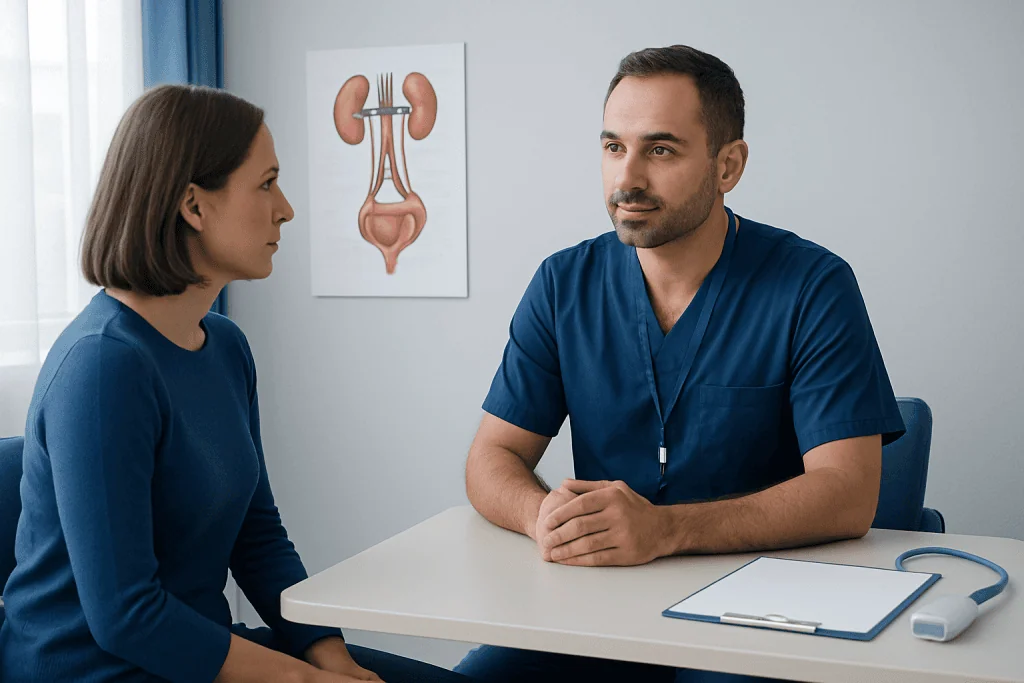
A urologist may recommend surgery when a condition causes persistent symptoms, threatens kidney function, raises concern for cancer, or is unlikely to improve with medication or observation alone. Examples include kidney or ureteral stones, narrowing of the urethra, bladder outlet obstruction from an enlarged prostate, urinary incontinence, recurrent infections related to an anatomical problem, and tumors in the urinary or reproductive organs.
Potential candidates are assessed individually. The consultation commonly includes a medical history, physical examination, review of current medicines, and tests such as urine analysis, blood tests, ultrasound, CT, MRI, cystoscopy, or urodynamic testing. For people with suspected or confirmed malignancy, surgery may be one component of a wider plan that can also involve oncology, pathology, radiology, and other specialists.
A person’s age alone does not decide whether surgery is suitable. More important considerations include heart and lung health, kidney function, bleeding risk, prior abdominal or pelvic surgery, infection status, and the expected benefit of treatment. Shared decision-making helps patients understand alternatives, including monitoring, medicines, office procedures, or non-surgical therapies when these are appropriate.
How Urologic Surgical Procedures Work
The surgical route depends on the target area and diagnosis. Endoscopic procedures use a thin camera and instruments passed through the urethra, so there may be no skin incision. They are commonly used to inspect the bladder, treat some stones, remove or sample abnormal tissue, widen narrowed areas, or manage prostate obstruction. For example, a transurethral procedure may relieve urinary flow symptoms related to prostate enlargement.
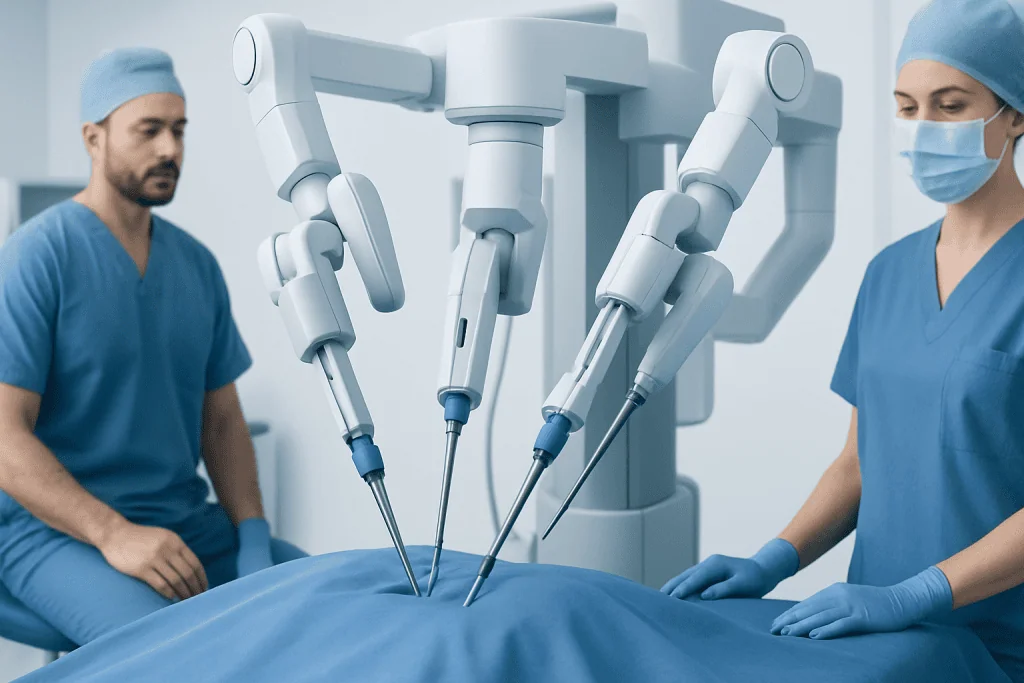
Laparoscopic and robotic-assisted surgery use several small abdominal incisions. A camera provides a magnified view while the surgeon works with specialized instruments. These techniques may be used for kidney surgery, prostate surgery, removal of certain tumors, and reconstructive operations. Open surgery uses a larger incision and may be chosen when the operation is particularly extensive or technically complex.
Examples of urological surgery procedures include ureteroscopy or stone removal, transurethral resection of prostate or bladder tissue, surgery for urethral narrowing, prostate removal for selected cancers, kidney removal when necessary, and procedures to correct urinary leakage. Patients should ask their surgeon why a specific technique is recommended, what alternatives exist, and how it may affect kidney function, continence, fertility, or sexual health.
At Acibadem International, multidisciplinary specialists in JCI-accredited hospitals assess and treat urologic conditions for international patients, coordinating care when surgery is part of the treatment plan.
What Happens Before, During, and After the Procedure?
Before surgery, the team confirms the diagnosis and reviews anaesthesia suitability. Patients may be asked to stop or adjust particular medicines, especially blood thinners, under medical guidance. They will also receive instructions about eating and drinking before anaesthesia, arranging transport home, and preparing for temporary activity limitations after the operation.
On the day of surgery, the team verifies the planned procedure, checks vital signs, and provides anaesthesia or sedation as appropriate. The surgeon then performs the operation using the planned approach. A urinary catheter, ureteral stent, drain, or temporary dressing may be used in some procedures. These devices are removed according to the procedure and recovery plan.
Afterward, healthcare professionals monitor pain, nausea, urine output, bleeding, and the ability to walk, drink, and pass urine when relevant. Some procedures are completed on the same day, while others require an overnight stay or longer hospitalization. Before discharge, patients receive written instructions on medicines, catheter or wound care, activity, bathing, diet, follow-up, and symptoms that need urgent attention.
What Is the Recovery Time for Urologic Surgery?
The recovery time for urologic surgery depends more on the specific operation than on the specialty name. After a straightforward endoscopic procedure, many people return home the same day and may resume light activity within several days, although temporary burning with urination, mild bleeding in the urine, or fatigue can occur. More extensive laparoscopic, robotic, or open surgery usually requires a longer recovery period.
For major abdominal or pelvic operations, a return to normal stamina may take several weeks. Heavy lifting, strenuous exercise, driving, sexual activity, and work duties may need to be limited for a period advised by the surgical team. People with physically demanding jobs may require more time away from work than those with desk-based roles.
Urology surgery recovery also includes emotional adjustment, particularly after treatment affecting cancer risk, fertility, erectile function, continence, or body image. Follow-up visits allow the team to check healing, remove stents or catheters where needed, review pathology results, and address ongoing symptoms. The most reliable recovery timeline is the one provided by the operating surgeon, because it reflects the individual procedure and health circumstances.
Is Urethra Surgery Painful?
Urethra surgery is performed with anaesthesia or sedation, so patients should not feel pain during the operation itself. Afterward, it is common to have soreness, burning when passing urine, bladder spasms, or discomfort related to a catheter for a short time. The degree and duration of discomfort vary according to whether the procedure was performed through the urethra or involved a larger reconstructive repair.
Clinicians provide a pain-management plan that may include prescribed medicines and practical measures such as hydration, rest, and avoiding activities that worsen discomfort. Patients should use medicines exactly as directed and should not delay contacting the care team if pain is severe, worsening, or not controlled by the recommended plan.
Some urinary symptoms can be expected during early healing, but fever, inability to pass urine, heavy bleeding, increasing swelling, or worsening pain should be assessed promptly. Clear instructions about catheter care and when to seek help are especially important after urethral procedures.
Benefits, Risks, and Expected Results
The potential benefit of urologic surgery is treatment of the specific problem causing symptoms or harm. Depending on the condition, surgery may relieve blockage and pain, remove stones or diseased tissue, restore urine flow, preserve kidney function, improve continence, treat cancer, or repair an anatomical defect. Results are evaluated differently for each operation: symptom improvement may be the goal for one person, while cancer control or organ preservation may be the priority for another.
Every operation has potential risks. General surgical and anaesthesia risks include bleeding, infection, blood clots, medication reactions, and injury to nearby structures. A urologic surgery risk may also include urinary tract infection, urine leakage, scar-related narrowing, need for a temporary catheter or stent, incomplete symptom relief, stone recurrence, or a need for another procedure. Depending on the operation, changes in bladder control, erections, ejaculation, fertility, or kidney function may also be discussed.
What is the success rate of urology surgery? There is no single success rate because urology includes many different procedures and conditions. Outcomes depend on the diagnosis, disease stage or severity, surgical technique, anatomy, other health conditions, and how success is defined. A surgeon can explain expected outcomes for the exact procedure, including likely benefits, possible limitations, and the chance that additional treatment may be needed.
What Is the Most Common Surgery for an Urologist?
There is no universal single “most common” operation because the mix of procedures varies between hospitals, communities, and patient populations. However, endoscopic procedures are among the most frequently performed in urology. These include cystoscopy-based procedures, treatment of urinary stones, procedures for enlarged prostate, and operations to remove or biopsy bladder tissue.
Stone-related procedures are common because kidney and ureteral stones may cause severe pain, infection, or obstruction. Procedures to relieve symptoms of benign prostate enlargement are also frequently performed, particularly when medicines do not adequately improve urinary flow or when retention, recurrent infection, bladder stones, or kidney effects develop.
It is helpful to focus less on which operation is most common and more on whether a procedure is appropriate for the individual condition. A urologist can explain the expected purpose, alternatives, recovery, and possible effects on urinary and sexual function before treatment is chosen.
When to Seek Medical Care
Medical assessment is important for blood in the urine, persistent or severe urinary pain, repeated urinary tract infections, difficulty starting or maintaining urine flow, new urinary leakage, a testicular lump, or ongoing pelvic or flank pain. These symptoms do not always mean surgery is needed, but timely evaluation can identify treatable causes and protect urinary tract health.
Urgent medical care is needed for inability to pass urine, fever or chills with urinary symptoms or flank pain, severe pain with vomiting, heavy bleeding in the urine, rapidly increasing scrotal swelling, or symptoms after surgery that are worsening rather than improving. After an operation, patients should follow the discharge instructions and contact their surgical team promptly about concerning symptoms.
Regular follow-up is particularly important after surgery for cancer, reconstruction, recurrent stones, or ongoing bladder symptoms. The urology team can monitor healing, discuss prevention strategies, and adapt the plan if symptoms return or new concerns arise.
Frequently asked questions
How long does urologic surgery take?
The duration varies greatly by procedure. A short endoscopic procedure may take less than an hour, while complex reconstructive, kidney, prostate, or cancer surgery can take several hours. The surgical team can provide an estimated operating time and explain how long preparation and recovery-area monitoring may add to the day.
Will I need a catheter after urologic surgery?
Some operations require a urinary catheter temporarily to drain the bladder while tissues heal. Others do not require one at all. If a catheter is needed, the care team explains how long it is likely to remain in place and how to care for it safely.
Can urologic surgery be done without open surgery?
Many urologic procedures can be performed endoscopically, laparoscopically, or with robotic assistance. These approaches may use natural urinary passages or small incisions. Open surgery is still the safest or most effective option for some complex conditions, and the choice should be individualized.
How can a patient prepare for urologic surgery?
Preparation commonly includes completing requested tests, discussing all medicines and allergies, and following fasting instructions before anaesthesia. Patients should arrange help at home if needed and ask about activity restrictions, catheter care, and time away from work. Medication changes should only be made with guidance from the clinical team.
When can someone exercise after urologic surgery?
Light walking is often encouraged early because it supports circulation and recovery, but the timing for heavier activity differs by procedure. Patients may need to avoid lifting, running, cycling, swimming, or abdominal exercises for a period. The surgeon’s specific instructions should take priority over general advice.
Can urinary symptoms return after surgery?
Some conditions can recur or may not be completely resolved by one procedure. For example, stones can form again, scar tissue can narrow an area, and urinary symptoms may have more than one cause. Follow-up care and prevention measures, when appropriate, can help identify and manage recurrence early.
References
- American Urological Association
- European Association of Urology
- National Institute of Diabetes and Digestive and Kidney Diseases
- National Health Service
- Urology Care Foundation
This article is for general information only and is not a substitute for professional medical advice. Please consult a qualified doctor about your individual situation.
Oncology care in Turkey — second opinion and treatment plan
JCI-accredited · board-certified surgeons · reply within 24h
Add us as a Preferred Source to see more of our trusted health content across Google Search, AI Overviews and Discover.