

Uterine Biopsy: Procedure, Recovery and Results

Most uterine biopsies are performed in a clinic and take only a few minutes after preparation. Cramping and light spotting are common for one to several days, while most people resume routine activities the same day.
Key Takeaways
- Most uterine biopsies are performed in a clinic and take only a few minutes after preparation.
- Cramping and light spotting are common for one to several days, while most people resume routine activities the same day.
- Results usually clarify whether the uterine lining is normal, hormonally affected, inflamed, precancerous, or cancerous.
- A biopsy result must be interpreted alongside symptoms, examination findings, imaging, age, and menopausal status.
- Heavy bleeding, fever, worsening pain, or foul-smelling discharge after the procedure requires prompt medical advice.
A uterine biopsy, often called an endometrial biopsy, is a short outpatient procedure that removes a small sample from the lining of the uterus for laboratory testing. It can help explain abnormal uterine bleeding and identify changes such as inflammation, polyps, endometrial hyperplasia, or cancer.
Overview: what is a uterine biopsy?
A uterine biopsy is a procedure in which a clinician removes a very small tissue sample from inside the uterus and sends it to a laboratory for examination under a microscope. In many cases, the sample is taken from the endometrium, the lining of the uterus, so the procedure is also called an endometrial biopsy. It is commonly used to investigate abnormal bleeding, particularly bleeding after menopause, very heavy or irregular periods, or bleeding that does not improve with initial treatment.
The procedure is usually performed in an outpatient gynecology clinic. It does not usually require general anesthesia or an overnight stay. A thin, flexible tube is passed through the cervix to gently collect cells and tissue from the uterine lining. The sample can help a clinician look for hormonal changes, infection or inflammation, benign growths, endometrial hyperplasia, and, less commonly, cancer.
A uterine biopsy is an important diagnostic test, but it is not the same as a treatment. Depending on the reason for testing and the result, further evaluation may include pelvic ultrasound, hysteroscopy, or a dilation and curettage procedure. The next steps are tailored to the individual situation.
Who may need a uterine biopsy and how to prepare
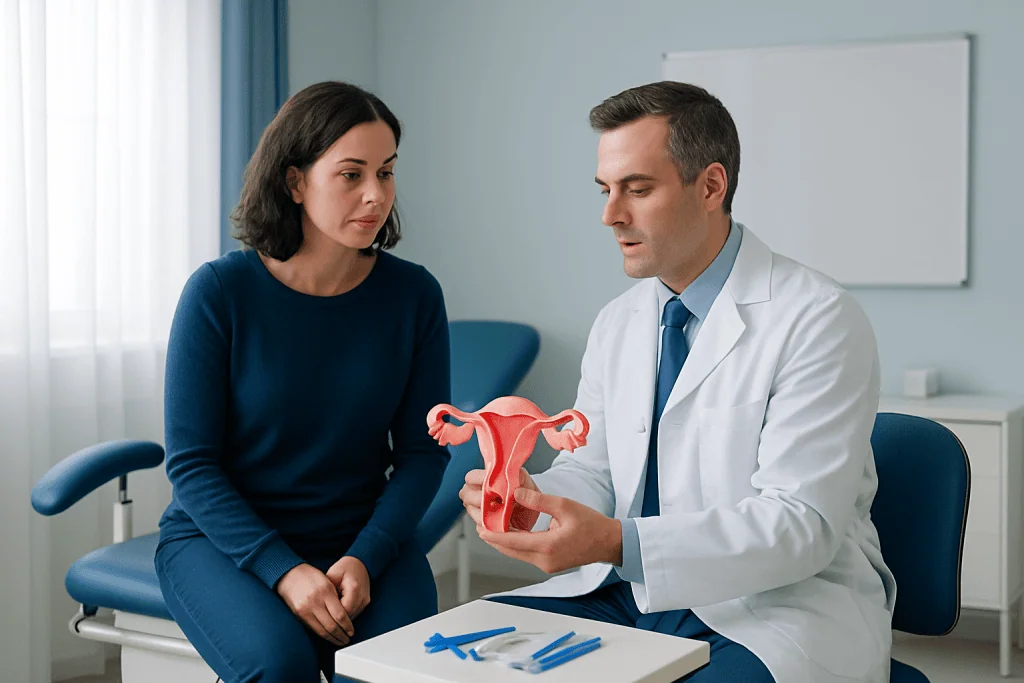
A clinician may recommend a uterine biopsy for abnormal uterine bleeding in people aged 45 years or older, or at a younger age when there are risk factors for endometrial hyperplasia or cancer. It may also be advised for bleeding after menopause, persistent bleeding between periods, unusually heavy menstrual bleeding, or a thickened endometrium seen on ultrasound. In selected situations, it may form part of an assessment for fertility concerns or repeated pregnancy loss.
Risk factors that may influence the decision include obesity, polycystic ovary syndrome, long-term irregular or absent ovulation, diabetes, use of tamoxifen, a family history of certain hereditary cancer syndromes, and prolonged exposure to estrogen without adequate progesterone. Having a risk factor does not mean that cancer is present; it helps guide whether the uterine lining should be assessed more closely.
Before the appointment, the patient should tell the clinician about possible pregnancy, medications, allergies, bleeding disorders, anticoagulant or antiplatelet medicines, and current symptoms. Pregnancy should generally be excluded before an endometrial biopsy. The care team may suggest taking a suitable over-the-counter pain reliever beforehand if it is safe for that person, but medication changes should only be made on medical advice.
A biopsy may need to be postponed if there is a suspected pelvic infection, severe cervical narrowing, or another reason the procedure cannot be safely completed in the clinic. In these circumstances, the clinician may recommend testing or treatment first, or plan a different method of obtaining a sample.
How a uterine biopsy is performed: step by step
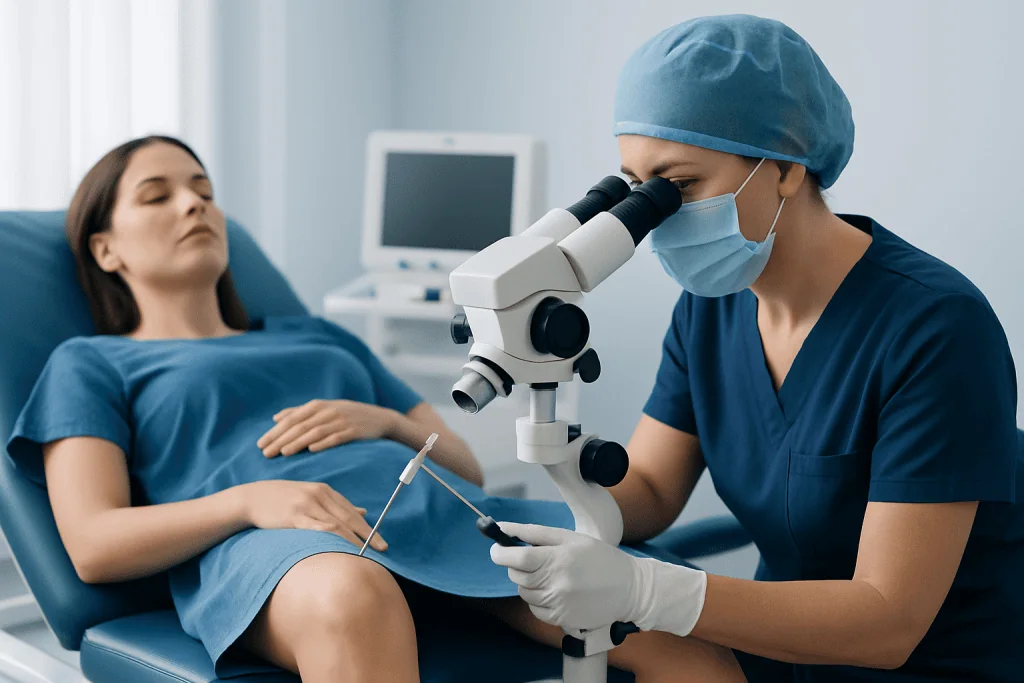
The patient usually lies on an examination table in the same position used for a pelvic examination. The clinician inserts a speculum into the vagina to view the cervix, then cleans the area. In some cases, a local anesthetic may be offered or used around the cervix, especially if a person has had difficult cervical procedures or is particularly concerned about pain.
A narrow instrument may be used to stabilize the cervix. The clinician then passes a thin sampling device through the cervical opening and into the uterus. Gentle suction is applied while the device is moved to collect small pieces of endometrial tissue. The collection itself commonly lasts less than a minute, although the entire visit and preparation take longer.
Some people feel strong menstrual-like cramps, pressure, or a brief sharp sensation as the device enters the uterus and tissue is collected. Others experience only mild discomfort. Slow breathing, relaxing the pelvic muscles, and asking the clinician to explain each step can make the experience more manageable. The procedure can be paused if symptoms become difficult to tolerate.
Occasionally, there may not be enough tissue for the laboratory to interpret, especially after menopause when the uterine lining is very thin. An insufficient sample does not automatically indicate a serious condition. However, if bleeding persists or ultrasound findings are concerning, additional assessment may still be needed.
Benefits, limitations and possible risks
The main benefit of a uterine biopsy is that it provides tissue rather than an image alone. A pathologist can examine the cells directly and identify changes in the endometrium. This information can help distinguish common hormonal causes of bleeding from conditions that require more targeted care, including endometrial hyperplasia or cancer.
Like all tests, a biopsy has limitations. It samples only a small area of the uterine lining, so a focal problem such as a polyp may sometimes be missed. A normal biopsy result may therefore not end the investigation when symptoms continue. Hysteroscopy, which allows the clinician to look inside the uterus and target a specific area, may be considered in that situation.
Most complications are uncommon. Temporary cramping and light bleeding or spotting are expected. Less common risks include infection, heavier bleeding, a vasovagal reaction such as dizziness or faintness, and, very rarely, perforation of the uterus. The care team should explain individual risks before the procedure and provide clear aftercare instructions.
The pathology report is usually available within several days to about two weeks, depending on the laboratory and whether additional testing is needed. The clinician will discuss what the report means in the context of symptoms, medical history, examination, and imaging findings.
Recovery timeline and aftercare
After a uterine biopsy, many people can return home shortly after the procedure and resume light daily activities the same day. Mild cramps may last for a few hours and sometimes up to one or two days. Light spotting or a small amount of bleeding can occur for several days. Resting at home for the remainder of the day can be helpful if cramping, fatigue, or anxiety is present.
Using pads rather than tampons is often advised until spotting has stopped, although the patient should follow the specific instructions from their clinician. Depending on local advice and individual circumstances, it may also be sensible to avoid vaginal intercourse, douching, or swimming for a short period to reduce infection risk. A clinician can advise when these activities can safely resume.
Simple comfort measures, such as a warm compress over the lower abdomen and a clinician-approved pain reliever, may ease cramps. Heavy exercise can usually wait until the patient feels comfortable. The next menstrual period may arrive at its usual time or be slightly different, particularly if the biopsy was performed during an irregular cycle.
For people who need more detailed evaluation or treatment of bleeding, specialists may recommend hysteroscopy to inspect the uterine cavity and take targeted samples or remove certain growths. Acibadem International’s multidisciplinary specialists and JCI-accredited hospitals assess and treat gynecologic concerns for international patients.
How long should you rest after a uterine biopsy?
Most people do not need prolonged bed rest after a uterine biopsy. Taking it easy for the rest of the day is reasonable, especially if there is cramping, lightheadedness, or emotional discomfort, but many people return to work, driving, and usual non-strenuous activities within 24 hours.
Activity should be guided by how the person feels and by the clinician’s instructions. It is reasonable to delay vigorous exercise or heavy lifting until cramping and bleeding have settled. If sedation was used, the patient should not drive, operate machinery, drink alcohol, or make important decisions until the effects have fully worn off, and should arrange an escort home.
Recovery should generally improve rather than worsen. Increasing pelvic pain, bleeding that is heavier than a usual period or quickly soaks pads, fever, chills, dizziness, or foul-smelling discharge should be discussed with a healthcare professional without delay.
Why do endometrial biopsies hurt so bad?
An endometrial biopsy can be painful because the cervix and uterus are sensitive to stretching and stimulation. Passing the sampling device through the cervix and applying suction inside the uterine cavity can trigger cramping similar to, and sometimes stronger than, menstrual cramps. Pain perception also differs substantially from person to person.
Discomfort may be greater when the cervix is tight, when a person has not given birth vaginally, when there is anxiety or prior pelvic pain, or when there are conditions that make pelvic examinations uncomfortable. Pain can also feel more intense if the procedure is unexpected or if the patient does not feel adequately prepared for what is happening.
Patients should feel able to discuss pain concerns beforehand. A clinician may consider timing, supportive communication, a local anesthetic, a suitable pain-relief plan, or an alternative approach when appropriate. Severe pain during or after the procedure is not something a patient should simply endure; they should tell the care team promptly.
Results, cancer findings and when to seek medical care
Reports may describe a normal endometrium, changes related to the menstrual cycle or hormones, benign tissue, inflammation, endometrial hyperplasia, atypical hyperplasia, or cancer. If an endometrial biopsy is positive for cancer, this means cancer cells were identified in the sample. The next step is referral to a gynecologic oncology team for confirmation, assessment of the extent of disease, and a discussion of individualized treatment options, which may include surgery and other therapies depending on the diagnosis.
What percentage of endometrial biopsies come back as cancer? There is no single reliable percentage because the likelihood depends greatly on why the biopsy was performed. Cancer is more likely to be found in people with bleeding after menopause or multiple risk factors than in younger people with irregular periods. Most biopsies performed for abnormal bleeding do not show cancer, but a biopsy is important because it can identify the smaller group who need timely specialist care.
A negative or benign result is reassuring, but persistent or recurrent abnormal bleeding still deserves follow-up. A clinician may recommend pelvic ultrasound, repeat sampling, or hysteroscopy if symptoms continue, if the sample was insufficient, or if there is a mismatch between the pathology result and other findings. Conditions such as endometrial hyperplasia may need monitoring or treatment because some forms can progress over time.
When to seek medical care: Contact a clinician urgently after a biopsy for heavy bleeding, fever, chills, worsening abdominal or pelvic pain, fainting, or unusual foul-smelling discharge. Medical evaluation is also important for any bleeding after menopause, bleeding during pregnancy, very heavy periods, bleeding between periods that persists, or pelvic symptoms that are new or concerning.
Frequently asked questions
Is a uterine biopsy the same as an endometrial biopsy?
Often, yes. In routine use, a uterine biopsy usually refers to an endometrial biopsy, which samples the lining of the uterus. Other uterine procedures may sample different areas or use a camera to guide tissue collection.
How long does a uterine biopsy take?
The tissue collection usually takes less than a minute, while the complete clinic procedure often takes around 10 to 20 minutes. Preparation, discussion, and recovery time may make the appointment longer. If another procedure or sedation is needed, the visit can take more time.
Can a uterine biopsy be done during a period?
The best timing depends on the reason for the biopsy and the pattern of bleeding. Heavy active bleeding can sometimes make sampling more difficult, but persistent abnormal bleeding may itself be the reason testing is needed. The clinician will advise whether to keep, reschedule, or modify the appointment.
What happens if an endometrial biopsy is positive?
A positive result means the laboratory found an abnormality specified in the pathology report, such as hyperplasia, atypical cells, or cancer. If cancer is identified, a gynecologic oncology team will arrange further assessment and discuss treatment options. If hyperplasia is found, management depends on whether atypical cells are present and on the patient's circumstances.
Can a normal biopsy miss a uterine problem?
Yes, a biopsy examines a small sample and may not detect a localized problem such as a polyp. When bleeding continues despite a benign result, further investigation may be appropriate. A clinician may recommend ultrasound, hysteroscopy, or repeat sampling based on the overall clinical picture.
When can someone have sex after an endometrial biopsy?
Many clinicians advise avoiding vaginal intercourse until spotting and discomfort have settled, often for a short period. Recommendations can differ according to symptoms and individual risk factors. The patient's own clinician should provide the final guidance, particularly if there was infection concern or another procedure at the same visit.
References
- American College of Obstetricians and Gynecologists
- National Cancer Institute
- Mayo Clinic
- Merck Manual Consumer Version
This article is for general information only and is not a substitute for professional medical advice. Please consult a qualified doctor about your individual situation.
Oncology care in Turkey — second opinion and treatment plan
JCI-accredited · board-certified surgeons · reply within 24h
Check your numbers in seconds
BMI, calories, due date, blood pressure and 30+ more clinical calculators — free, instant, doctor-reviewed ranges.

More from the Health Library



Related Specialists

Dr. M. Mümtaz Özarar
Breast Clinic Clinical Service
Dr. Mustafa Engin Çakmakçı
Otorhinolaryngology
Prof. Dr. Hüseyin Hayrı Kertmen
Neurosurgery
Prof. Dr. Orhan Demircan
General Surgery