V Cut Abs: A Complete Medical Overview

V cut abs reflect the inguinal region, lower abdominal muscles and nearby hip structures. Genetics and natural fat distribution strongly affect whether the V lines are visible.
Key Takeaways
- V cut abs reflect the inguinal region, lower abdominal muscles and nearby hip structures.
- Genetics and natural fat distribution strongly affect whether the V lines are visible.
- Spot reduction is not possible; abdominal exercises strengthen muscles but do not selectively remove fat from one area.
- Balanced nutrition, regular activity, sleep and gradual progress support body composition and health.
- Extreme dieting, dehydration and unregulated supplements can be harmful and are not necessary for fitness.
- New pain, a lump or swelling in the groin or lower abdomen should be assessed by a clinician.
V cut abs are the visible V-shaped contours that may appear from the lower abdomen toward the hips. Their appearance depends mainly on normal anatomy, genetics, body-fat distribution, overall muscle development and safe lifestyle habits—not on a single exercise or quick-fix method.
What Are V Cut Abs?
V cut abs, sometimes called V line abs or the Adonis belt, describe two diagonal lines that can be seen on either side of the lower abdomen, extending toward the hip and groin area. They are not a separate muscle. Instead, they are a visible surface contour created by the anatomy beneath the skin, including the lower portions of the abdominal wall, the inguinal ligament region and the muscles around the pelvis and hips.
Whether these lines are visible varies widely between healthy people. A person may have strong abdominal muscles without prominent V lines, while another may naturally show them at a higher body-fat level. Skin thickness, posture, lighting, hydration, muscle size and inherited body shape can all change how defined this area looks.
For most people, pursuing a stronger core is a more useful health goal than trying to create a particular outline. Core strength supports everyday movement, balance, posture and athletic activity. Appearance-based goals can be approached safely when they are realistic, gradual and do not compromise nutrition, physical or mental wellbeing.
The Anatomy Behind the V Line
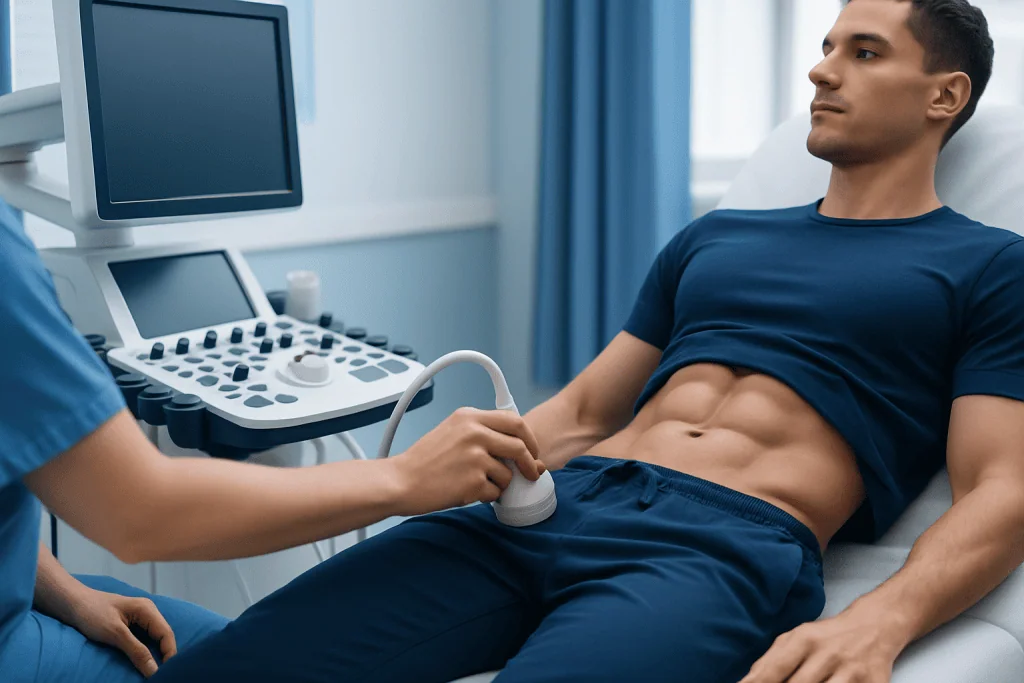
The V-shaped appearance occurs near the lower edge of the abdominal wall. The rectus abdominis, often known as the “six-pack” muscle, runs vertically down the front of the abdomen. The external and internal oblique muscles lie along the sides of the trunk and help rotate and bend the torso. Deeper muscles, including the transverse abdominis, help stabilize the spine and abdomen.
At the bottom of the abdomen, connective tissue in the inguinal region travels from the hip area toward the pubic bone. This anatomical arrangement, together with the contours of the hip flexors and oblique muscles, can contribute to the V-line shape when there is relatively little tissue covering the area. It is a normal variation in external body contour, not a medical sign of fitness or health.
The groin contains important structures, including nerves, blood vessels and, in males, the spermatic cord. Exercises should therefore be controlled and comfortable. Sharp groin pain, a new bulge, redness or tenderness is not a normal part of training and should not be ignored.
Why V Cut Abs Are More Visible in Some People

Visible lower abdominal definition is influenced by several factors, many of which cannot be changed through exercise alone. Genetics affects the shape of the pelvis, muscle attachment patterns, skin characteristics and where the body tends to store fat. Hormones, age, sex and life stages such as pregnancy can also influence body composition and fat distribution.
Overall body-fat level is relevant, but there is no universal body-fat percentage at which V cut abs should appear. Trying to reach an extremely low level of body fat may disrupt energy, mood, hormonal health, immune function and athletic performance. The appropriate range is individual and should be discussed with a qualified healthcare professional or registered dietitian when there are health concerns or a history of disordered eating.
Muscle development also plays a role. Building strength in the abdominal muscles, glutes, back and hips may improve trunk stability and create more muscular definition over time. However, a healthy body may still not develop visibly defined V lines, and that outcome is normal.
- Inherited body shape and fat distribution
- Overall nutrition and activity patterns
- Strength and size of the core and hip muscles
- Skin thickness, posture, lighting and temporary fluid shifts
- Sleep, stress and general health
Training the Core Safely and Effectively
No exercise can specifically burn fat from the lower abdomen. This is often called spot reduction, and it is not supported by exercise science. Repeated leg raises or abdominal crunches can strengthen particular muscles, but body fat is used and lost according to whole-body energy needs, genetics and longer-term lifestyle patterns.
A balanced program usually combines aerobic activity, resistance training and targeted core work. Brisk walking, cycling, swimming or other enjoyable cardiovascular exercise can support heart health and energy expenditure. Strength training for the legs, hips, back, chest and arms helps maintain or build lean tissue, while core exercises improve control and stability.
Useful core movements may include dead bugs, bird-dogs, planks, side planks, controlled reverse crunches and anti-rotation exercises. Good technique matters more than high repetitions. The lower back should not be forced into painful positions, breathing should remain steady, and exercises should be progressed gradually. A physiotherapist, trainer or clinician can help adapt a program for people with previous injury, pregnancy-related changes or persistent back pain.
Recovery is part of training. Muscles need adequate rest, protein-containing meals, sleep and variation in activity. Training through significant pain can worsen an injury rather than speed progress.
Nutrition, Recovery and Realistic Body Composition Goals
Nutrition for abdominal definition should first support overall health and sustainable energy. Regular meals built around vegetables and fruits, whole grains or other high-fiber carbohydrates, protein-rich foods and unsaturated fats can help meet nutritional needs. Protein supports muscle repair, while carbohydrates and fats are also important sources of energy and essential nutrients.
If a person wishes to reduce body fat, a gradual approach is generally safer and easier to maintain than severe restriction. Very low-calorie diets, fasting patterns that cause dizziness or fatigue, laxatives, “fat burners” and dehydration practices can carry health risks. Supplements marketed for rapid abdominal definition are often unnecessary, and some may interact with medicines or contain ingredients not suitable for everyone.
Sleep and stress management can support consistent eating and exercise habits. Poor sleep may increase fatigue, reduce training quality and make appetite regulation more difficult. Hydration is important for health and exercise performance, but deliberately restricting fluids to look more defined is unsafe.
People who feel preoccupied with food, weight, body checking or exercise, or who experience guilt after eating, may benefit from confidential support from a doctor or mental health professional. Body goals should never come at the expense of physical health, relationships or quality of life.
Common Myths and Potential Risks
A common misconception is that doing hundreds of abdominal exercises will reveal V cut abs. In reality, ab exercises alone cannot determine where fat is lost. Another myth is that sweat belts, creams or waist trainers remove abdominal fat. They may cause temporary sweating or compression, but they do not change fat distribution and can cause skin irritation, overheating or discomfort.
Lower abdominal and groin exercises can strain the hip flexors, abdominal wall or lower back when performed too quickly, with poor form or before a person is ready. Sudden increases in exercise volume are a common cause of overuse symptoms. Rest, technique adjustments and a gradual return to activity are often helpful for mild muscle soreness, but ongoing pain should be assessed.
A bulge in the groin or lower abdomen can sometimes be caused by a hernia, rather than muscle definition. A hernia occurs when tissue pushes through a weak area of muscle or connective tissue. It should be medically evaluated, especially if it is painful, enlarging or associated with nausea or vomiting. Readers can learn more about hernia symptoms and treatment.
When to Seek Medical Care
Medical advice is appropriate for persistent or worsening lower abdominal, pelvic, hip or groin pain; a new lump or bulge; pain during coughing, lifting or exercise; or symptoms that limit daily activities. A clinician can examine the area and determine whether symptoms are related to a muscle strain, hernia, hip condition or another cause.
Urgent medical assessment is needed for severe or sudden abdominal or groin pain, a painful bulge that cannot be gently reduced, vomiting, fever, fainting, or marked abdominal swelling. These symptoms may indicate a condition requiring prompt treatment.
People with diabetes, heart disease, recent surgery, pregnancy, postpartum recovery, an eating disorder history or a significant musculoskeletal condition should seek individualized guidance before making major changes to diet or exercise. Acibadem International’s multidisciplinary specialists and JCI-accredited hospitals can assess abdominal and groin concerns and support appropriate care for international patients.
Frequently asked questions
Can everyone get V cut abs?
No. The visibility of V cut abs varies naturally because of genetics, pelvis shape, skin thickness, muscle structure and where the body stores fat. A person can be healthy and have a strong core without visible V lines.
What exercises help build the muscles around V cut abs?
Core-stability exercises such as planks, side planks, dead bugs and bird-dogs can strengthen the abdominal wall. Resistance exercises for the hips, glutes and back can also support balanced trunk strength. These exercises do not selectively remove lower abdominal fat.
How long does it take to get V cut abs?
There is no reliable timeline because results depend on starting fitness, genetics, nutrition, training consistency, sleep and body-fat distribution. Gradual, sustainable improvements in strength and body composition are safer than trying to change appearance quickly.
Can women have V cut abs?
Yes. People of any sex may have visible contours in the lower abdominal and hip area. Hormonal differences and normal fat distribution patterns mean that the appearance and degree of visibility can differ from person to person.
Are lower abdominal exercises safe every day?
Light core activation may be appropriate for some people, but challenging training usually benefits from recovery time. Daily intense abdominal training can contribute to soreness or overuse symptoms. The right frequency depends on exercise intensity, technique and individual recovery.
Is a V-shaped lower abdomen ever a medical problem?
The V-shaped contour itself is usually a normal anatomical feature. However, pain, swelling, a new bulge or tenderness in the groin or lower abdomen should be assessed, as these symptoms can occur with a muscle injury, hernia or another condition.
References
- American College of Sports Medicine
- National Institute of Diabetes and Digestive and Kidney Diseases
- MedlinePlus
- International Society of Sports Nutrition
This article is for general information only and is not a substitute for professional medical advice. Please consult a qualified doctor about your individual situation.
Explore treatments in Turkey — costs, top hospitals & a free quote
JCI-accredited · board-certified surgeons · reply within 24h
Add us as a Preferred Source to see more of our trusted health content across Google Search, AI Overviews and Discover.
Check your numbers in seconds
BMI, calories, due date, blood pressure and 30+ more clinical calculators — free, instant, doctor-reviewed ranges.

More from the Health Library

Blackhead Remover: An Evidence-Based Guide for Patients
Muscle Recovery: What Patients Need to Know

Fungus — Explained by Medical Evidence, Not Myths

Pathologist: What Patients Need to Know

Oral Thrush: A Complete Medical Overview