Vampire Facial: An Evidence-Based Guide for Patients

A vampire facial usually means microneedling combined with platelet-rich plasma taken from the patient’s blood. It may improve skin texture, mild acne scarring, and overall skin appearance, but it is not a surgical facelift.
Key Takeaways
- A vampire facial usually means microneedling combined with platelet-rich plasma taken from the patient’s blood.
- It may improve skin texture, mild acne scarring, and overall skin appearance, but it is not a surgical facelift.
- Common short-term effects include redness, swelling, tenderness, and pinpoint bleeding for a few days.
- The procedure is not suitable for everyone, especially people with active skin infection, some blood disorders, or certain medications.
- Choosing a licensed, medically supervised clinic is essential because infection control and proper technique matter.
- Medical advice is important if severe pain, pus, fever, spreading rash, or delayed healing develops after treatment.
A vampire facial is a cosmetic procedure that combines microneedling with platelet-rich plasma (PRP) made from the patient’s own blood. It may help improve skin texture and the appearance of fine lines or acne scars, but results vary and the procedure should be performed by qualified medical professionals with careful infection control.
What Is a Vampire Facial?
A vampire facial is a non-surgical cosmetic skin treatment that usually combines microneedling with platelet-rich plasma, often called PRP. PRP is prepared from a small sample of the patient’s own blood, which is spun in a centrifuge to separate platelets and plasma from other blood components. The PRP is then applied to the skin during or after microneedling so it can reach the tiny channels created in the surface of the skin.
The name can sound dramatic, but the treatment is generally designed to support skin renewal rather than change facial structure. Many people ask whether a vampire facial is the same as a facelift. It is not. A facelift is surgery that lifts and tightens tissues, while a vampire facial is a minimally invasive skin procedure aimed at improving tone, texture, and superficial signs of aging.
Clinics may use the term differently, so patients should ask exactly what is included. In most settings, it refers to microneedling with PRP. Some people confuse it with PRP injections into the face, which is a related but different approach. A clear explanation before treatment helps set realistic expectations and reduces confusion.
How It Works and What It May Help
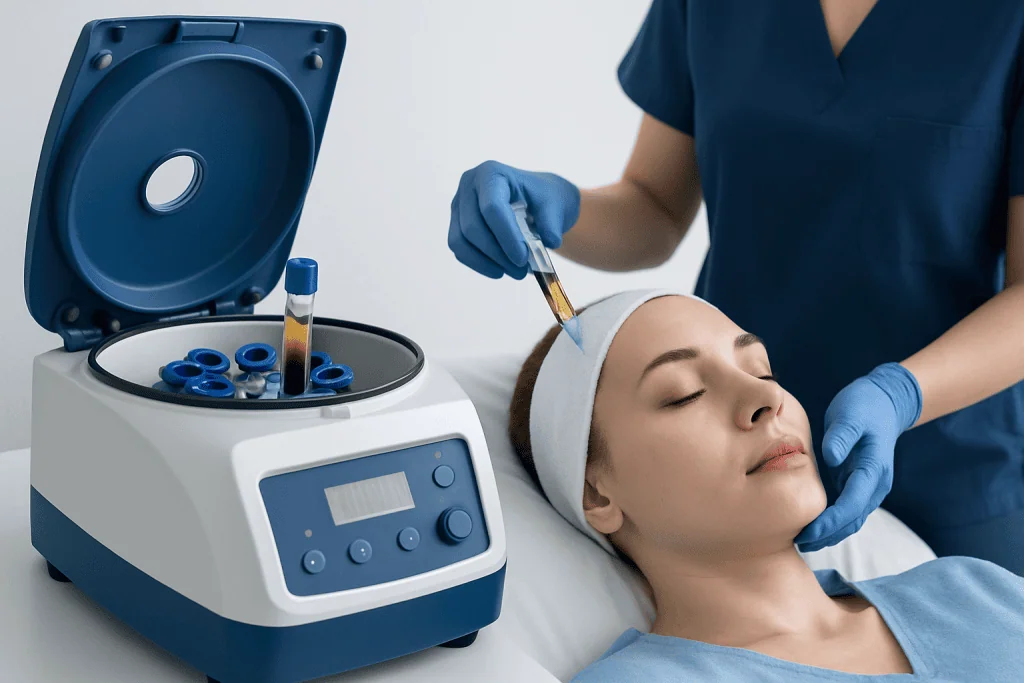
Microneedling creates controlled micro-injuries in the skin. This triggers a healing response that can stimulate collagen production over time. When PRP is added, clinicians aim to support this repair process further because platelets release growth factors involved in normal tissue healing.
For some patients, a vampire facial may help improve rough texture, dull skin, enlarged pores, mild fine lines, and certain acne scars. It may also make the skin appear smoother and fresher after a series of treatments. However, it does not remove deep wrinkles, sagging skin, or major volume loss, and it may not be the best option for every skin concern.
The scientific evidence is still developing. Some studies suggest that microneedling with PRP may offer more improvement than microneedling alone for selected concerns such as acne scarring, but results are not identical for every patient. Skin type, the severity of the concern, treatment technique, and aftercare all influence the outcome.
Patients interested in broader skin rejuvenation sometimes also discuss options within dermatology care or more structured medical aesthetics treatments to compare what may be most suitable for their goals and skin condition.
Who May Be a Good Candidate and Who Should Avoid It

A vampire facial may be considered for adults who want a minimally invasive treatment for mild to moderate texture changes, post-acne marks, or early signs of skin aging. It is often chosen by people who prefer a procedure using their own blood-derived product rather than synthetic fillers or surgery. A consultation usually includes a review of medical history, skin concerns, medications, and expectations.
It is not appropriate for everyone. Treatment may be delayed or avoided in people with active acne flares, eczema, cold sores, bacterial skin infection, open wounds, or significant inflammation in the treatment area. It may also be unsuitable for people with certain bleeding or clotting disorders, severe anemia, platelet disorders, or those taking medications that affect bleeding, depending on medical advice.
Pregnancy, breastfeeding, recent isotretinoin use, a history of abnormal scarring, and some autoimmune or immunosuppressive conditions may also require extra caution. Patients with darker skin tones can often have microneedling safely, but treatment should still be tailored carefully to reduce the risk of irritation or pigmentation changes.
If acne scarring is a major concern, clinicians may evaluate whether acne is still active and whether it should be controlled before cosmetic procedures. Treating an ongoing skin problem first often leads to better and safer results.
What Happens Before, During, and After the Procedure
Before the treatment, the skin is cleansed and a blood sample is taken. The sample is processed to prepare PRP. A numbing cream is commonly applied to improve comfort. The clinician then uses a microneedling device over the face, and PRP is applied during or after the procedure, depending on the technique being used.
Patients often describe the sensation as uncomfortable rather than sharply painful, especially with numbing cream. The appointment length varies, but many sessions are completed within about an hour, not including preparation time. The skin often looks red immediately afterward, similar to a sunburn, and there may be swelling, warmth, tightness, or pinpoint spots of bleeding.
Recovery is usually short, but the skin needs gentle care. Many clinicians advise avoiding direct sun, heavy sweating, strong active skin products, and makeup for a period after treatment. A simple moisturizer, sun protection, and the specific aftercare plan provided by the treating team are important. Because aftercare affects both comfort and healing, patients should follow instructions closely rather than relying on general advice from social media.
People comparing approaches may also ask about office-based skin procedures such as laser treatment, which can target different concerns and may have different downtime, risks, and expected results.
Benefits, Limitations, and Possible Risks
The main appeal of a vampire facial is that it is minimally invasive and uses PRP derived from the patient’s own blood. Some people like the idea of a treatment that supports natural skin repair processes. It may offer gradual improvement in smoothness, brightness, and the appearance of mild scarring with a relatively short recovery period compared with more intensive resurfacing procedures.
Still, benefits have limits. Results are not immediate, and they are usually subtle to moderate rather than dramatic. Many patients need a series of sessions for best effect, and maintenance may be recommended. It also cannot replace surgery for loose skin or provide the volume restoration associated with injectable fillers.
Short-term side effects commonly include redness, swelling, dryness, bruising, tenderness, and temporary sensitivity. Less common risks include infection, prolonged inflammation, post-inflammatory pigmentation changes, herpes simplex reactivation in people prone to cold sores, delayed healing, and unsatisfactory cosmetic results. Although PRP comes from the patient, that does not remove the risk of poor technique or contamination if the procedure is done in an unsafe setting.
Anyone with a history of skin conditions such as rosacea should mention this during consultation, as underlying sensitivity may influence whether treatment is advisable and how recovery is managed.
Choosing a Safe Provider and Asking the Right Questions
Safety depends heavily on who performs the procedure and how the clinic manages hygiene, training, and patient assessment. A vampire facial should be done in a licensed medical environment that follows strict infection-control standards. Patients should feel comfortable asking who will perform the treatment, what qualifications they have, and whether a doctor supervises care.
It is also reasonable to ask what device will be used, how the PRP is prepared, what side effects to expect, and what the aftercare plan involves. A good consultation includes discussion of medical history, previous cosmetic treatments, skin type, and whether there are more suitable alternatives. Honest guidance about expected results is a sign of responsible care.
Patients should be cautious about treatments offered outside regulated clinical settings or by providers who minimize risk or promise dramatic outcomes. Before-and-after photos may be helpful, but they do not guarantee a similar result. What matters most is safe technique, proper patient selection, and a clear plan for follow-up if concerns arise.
Near the end of the decision process, some international patients prefer centers where skin care and dermatology services are integrated with broader medical support. Acibadem International’s multidisciplinary specialists and JCI-accredited hospitals diagnose and treat skin conditions and provide cosmetic dermatology care for international patients.
When to Seek Medical Care
Most redness and mild swelling after a vampire facial improve within a few days. However, medical advice is important if symptoms seem to be getting worse rather than better. Severe pain, increasing warmth, spreading redness, pus, fever, or a foul odor can suggest infection and should be assessed promptly.
Patients should also contact a doctor if they develop a widespread rash, blistering, severe bruising, prolonged bleeding, marked swelling around the eyes, or delayed healing. Any new pigment changes, scarring, or flare of an existing skin disease also deserves medical review, especially if symptoms persist.
Urgent medical help is needed for signs of a serious allergic reaction or systemic illness, such as difficulty breathing, swelling of the lips or tongue, chest symptoms, or feeling faint. While these reactions are not common in a standard vampire facial, it is always safer to seek prompt evaluation when symptoms are severe or unusual.
Frequently asked questions
Is a vampire facial the same as PRP microneedling?
In many clinics, yes. The term vampire facial usually refers to microneedling combined with platelet-rich plasma prepared from the patient’s own blood. Because naming can vary, patients should ask exactly what the treatment includes.
Does a vampire facial really work?
It may help improve skin texture, mild fine lines, and some acne scars, especially when performed as part of a treatment series. Results vary from person to person and are usually gradual rather than dramatic. It works best when expectations are realistic and the procedure is matched to the right skin concern.
How long does recovery take after a vampire facial?
Many people have redness and sensitivity for a few days, with gradual improvement over the first week. Mild swelling, dryness, or flaking can occur during healing. Recovery time depends on the treatment intensity, skin sensitivity, and how carefully aftercare instructions are followed.
Is a vampire facial painful?
Most patients describe it as uncomfortable rather than severely painful. A numbing cream is commonly used before microneedling to make the procedure easier to tolerate. Sensitivity afterward is common, but it usually settles as the skin heals.
Who should not get a vampire facial?
People with active skin infection, open wounds, certain blood or platelet disorders, significant inflammation, or some medication-related bleeding risks may not be suitable candidates. A doctor may also advise caution during pregnancy, with a history of abnormal scarring, or with some chronic skin conditions. A proper medical consultation is important before treatment.
Can a vampire facial spread infection?
Any procedure that involves blood handling and skin penetration carries infection risk if hygiene standards are poor. This is why treatment should only be performed in a licensed, medically supervised setting with proper sterilization and infection-control measures. Reputable providers should explain how they protect patient safety.
This article is for general information only and is not a substitute for professional medical advice. Please consult a qualified doctor about your individual situation.
Explore treatments in Turkey — costs, top hospitals & a free quote
JCI-accredited · board-certified surgeons · reply within 24h
Add us as a Preferred Source to see more of our trusted health content across Google Search, AI Overviews and Discover.

More from the Health Library

Drinking a Shot of Apple Cider Vinegar: What Patients Need to Know

Lacrimal Bone: What Patients Need to Know

Yucca: What Patients Need to Know

Iodine: A Complete Medical Overview

Mediastinal Mass: A Complete Medical Overview