Vdrl test: A Complete Medical Guide for Patients

The VDRL test is a screening test for syphilis, not a stand-alone diagnostic test. A reactive result does not always mean a person has syphilis because false-positive results can occur.
Key Takeaways
- The VDRL test is a screening test for syphilis, not a stand-alone diagnostic test.
- A reactive result does not always mean a person has syphilis because false-positive results can occur.
- Doctors often use the VDRL test to help diagnose syphilis and to monitor response to treatment over time.
- Further blood tests and sometimes additional evaluation are needed to interpret VDRL results correctly.
- Early medical review is important after possible exposure, symptoms, or a positive screening result.
The VDRL test is a blood test used to screen for syphilis by looking for antibodies the body may make in response to infection. It is useful, but it is not a final diagnosis on its own, so reactive results usually need confirmation with a more specific test.
Overview: what the VDRL test is and why it is used
The vdrl test is a blood test used to screen for syphilis, a sexually transmitted infection caused by the bacterium Treponema pallidum. Rather than detecting the bacterium directly, the test looks for certain antibodies that may appear when the body reacts to the infection. Because of this, it is considered a screening tool rather than a final confirmation test.
Clinicians often use the VDRL test when syphilis is suspected because of symptoms, a partner’s diagnosis, pregnancy screening, or routine sexual health testing. It may also be used after treatment to see whether antibody levels are falling as expected. This makes it helpful not only for finding possible infection, but also for following recovery.
A positive or “reactive” VDRL result does not automatically confirm syphilis. Some other medical conditions can produce a reactive result, which is why doctors usually order a second, more specific treponemal test to confirm the diagnosis. In day-to-day care, the VDRL test is part of a larger clinical picture that includes medical history, physical examination, and other laboratory findings.
How the VDRL test works
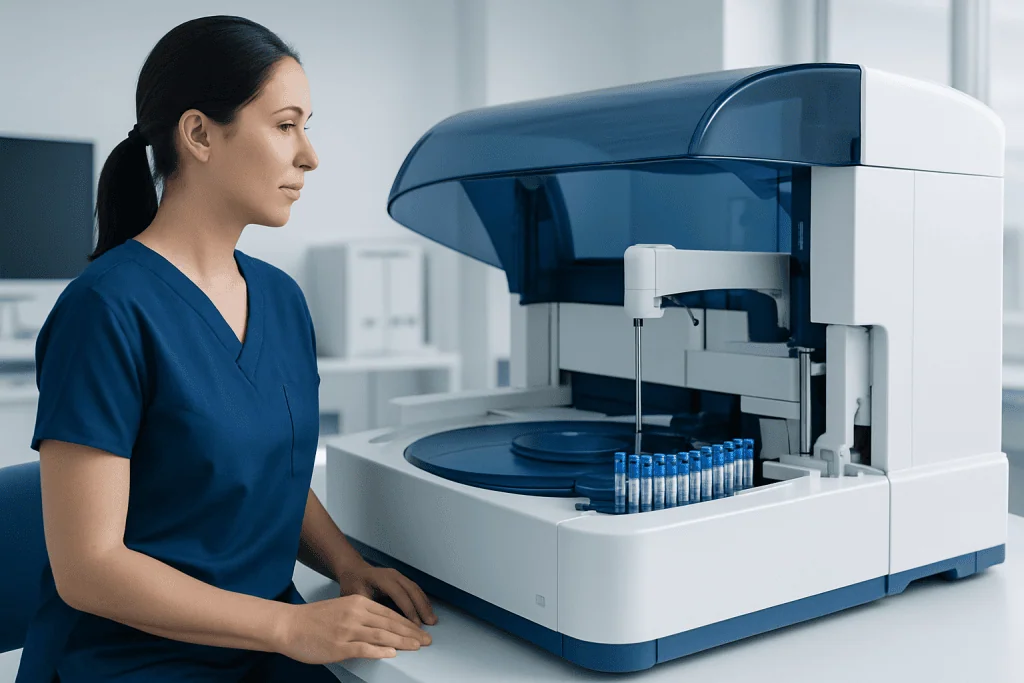
The VDRL test belongs to a group of tests called nontreponemal tests. These tests detect antibodies against substances released by damaged cells and by the infection process, not specifically against the syphilis bacterium itself. That is why they are sensitive for screening, but less specific than confirmatory tests.
A blood sample is usually taken from a vein in the arm and sent to a laboratory. In some situations, VDRL testing may also be performed on cerebrospinal fluid if neurosyphilis is being evaluated, though that is a more specialized use and requires a doctor’s assessment. Most people only need the standard blood test.
Laboratory results may be reported as nonreactive or reactive, and reactive results may also include a titer. A titer helps estimate the level of antibody activity and can be used over time to monitor whether treatment is working. Doctors compare titers carefully rather than relying on a single number in isolation.
If there is concern about syphilis or another sexually transmitted infection, a doctor may recommend broader evaluation alongside the VDRL test. Depending on symptoms and risk factors, this can be part of a wider infectious disease workup, including assessment for syphilis and other conditions that may cause similar symptoms.
When doctors recommend a VDRL test

A VDRL test may be recommended when a person has symptoms that could fit syphilis, such as a painless sore, rash, swollen lymph nodes, or unexplained mucous membrane lesions. It may also be ordered if someone has had sexual contact with a partner who may have syphilis or another sexually transmitted infection.
Screening is also commonly done during pregnancy because untreated syphilis can affect the developing baby. Some people are tested as part of routine sexual health screening, especially if they have new or multiple partners, a history of sexually transmitted infections, or exposure that occurred without barrier protection.
Doctors may order repeat testing if syphilis is strongly suspected but the first test is negative, particularly if the exposure was recent. Early in infection, antibodies may not yet be detectable. Follow-up testing at the right time can improve accuracy and reduce the chance of missing an early infection.
- Symptoms suggestive of syphilis
- Known or possible exposure to syphilis
- Pregnancy screening
- Routine sexual health evaluation in higher-risk situations
- Monitoring after syphilis treatment
Understanding VDRL test results
A nonreactive VDRL result generally means the test did not detect the antibodies it looks for. In many cases, this suggests syphilis is unlikely. However, a nonreactive result does not always rule it out, especially if testing is done very early after exposure or in some late or unusual presentations.
A reactive result means the test detected antibodies that may be associated with syphilis. This does not prove the diagnosis by itself. Doctors usually follow a reactive VDRL with a treponemal test, such as TPPA or FTA-ABS, because these are more specific for syphilis infection.
False-positive results can happen. Conditions such as pregnancy, autoimmune disease, some viral infections, older age, recent vaccination, or other inflammatory states may occasionally make the test reactive even when syphilis is not present. This is one of the main reasons confirmation is essential before making a final diagnosis or treatment plan.
When the VDRL is used after treatment, the pattern over time is important. Falling titers often suggest a good response, while stable or rising titers may lead the doctor to consider reinfection, incomplete treatment response, or the need for further evaluation. This interpretation should always be done by a qualified clinician.
Diagnosis beyond the VDRL test
The diagnosis of syphilis is based on more than one test. Doctors combine the VDRL result with symptoms, physical findings, exposure history, and a confirmatory treponemal blood test. In some settings, the order of tests may vary, but the principle is the same: screening and confirmation are both needed for accuracy.
If there are neurological, eye, or hearing symptoms, additional testing may be needed to look for complications. This may include more blood tests, eye examination, hearing assessment, or analysis of cerebrospinal fluid. These decisions depend on the individual’s symptoms and stage of disease.
Because syphilis can resemble many other conditions, medical assessment helps avoid misdiagnosis. Skin rashes, genital ulcers, or mouth lesions may have other causes, and the most appropriate evaluation depends on the person’s overall health picture. In some cases, care may involve specialists in infectious diseases, dermatology, neurology, or obstetrics.
When confirmation and follow-up are needed, the evaluation may sit within broader infectious diseases care or a structured check-up program if the test was found during routine screening. The goal is to make sure the result is interpreted correctly and that any related health needs are addressed.
Treatment and follow-up after a reactive test
Treatment is based on the confirmed diagnosis, the stage of syphilis, symptoms, pregnancy status, and whether there are signs of nervous system involvement. Syphilis is commonly treated with antibiotics, but the exact regimen should be chosen by a doctor. Self-treating or delaying care can lead to missed complications or ongoing transmission.
Follow-up blood tests are an important part of care. Doctors often repeat a nontreponemal test such as VDRL at intervals after treatment to see whether the titer is dropping as expected. This monitoring helps show whether treatment has likely worked and whether further evaluation may be needed.
Partners may also need testing and treatment, depending on exposure timing and clinical guidance. Avoiding sexual contact until a doctor says it is safe can help reduce spread. People diagnosed with syphilis are often advised to be screened for other sexually transmitted infections as well, because these conditions can occur together.
If complications are suspected, treatment planning may involve other specialties. For example, symptoms affecting the brain, eyes, or heart may require additional assessment before and after therapy. At the end of the care pathway, what matters most is confirmed diagnosis, appropriate antibiotics, and reliable follow-up.
Prevention, self-care, and protecting future health
The best way to reduce the risk of syphilis is through safer sexual practices and regular screening when appropriate. Barrier methods can lower the risk, although they may not fully prevent transmission if sores are present outside covered areas. Open communication with partners and timely testing after possible exposure are practical and effective steps.
People who have had one sexually transmitted infection may benefit from a broader sexual health review. This can include advice about repeat screening, partner notification, and prevention planning tailored to personal risk. Following the doctor’s recommendations for repeat blood tests is also part of self-care after a positive result.
During pregnancy, attending routine prenatal visits is especially important because syphilis screening helps protect both parent and baby. Early detection allows treatment before serious complications develop. Anyone who misses a scheduled screening test should speak with a healthcare professional about when to reschedule.
For international patients who need diagnosis or follow-up, Acibadem International’s multidisciplinary specialists and JCI-accredited hospitals provide evaluation and treatment planning. If a patient’s broader screening includes related symptoms or overlapping concerns, doctors may also coordinate care through services such as gynecology when clinically relevant.
When to seek medical care
Medical care should be sought promptly after a reactive VDRL result, a known exposure to syphilis, or symptoms such as a painless genital sore, a rash on the palms or soles, mouth sores, or unexplained swollen lymph nodes. Early assessment can clarify the diagnosis and allow timely treatment if needed.
Urgent medical advice is especially important during pregnancy or if symptoms involve the eyes, hearing, severe headache, confusion, weakness, or numbness. These features can suggest more complicated disease and should not be ignored. A doctor can decide whether further testing or specialist referral is required.
Even when a person feels well, follow-up matters. Syphilis may cause few symptoms for long periods, and a reactive screening test should always be reviewed by a healthcare professional. If the VDRL was done as part of routine screening, the next step is usually confirmation and a clear plan for repeat testing or treatment.
Frequently asked questions
What is the VDRL test used for?
The VDRL test is mainly used to screen for syphilis. It can also help doctors monitor how a person responds to treatment by tracking changes in antibody levels over time.
Does a reactive VDRL test mean a person definitely has syphilis?
No. A reactive VDRL test suggests syphilis is possible, but it is not definitive on its own. Doctors usually confirm the result with a more specific treponemal test before making a diagnosis.
Can the VDRL test be negative even if someone has syphilis?
Yes. If the test is done very early after exposure, the body may not yet have produced enough antibodies to detect. In some situations, repeat testing is needed if symptoms or exposure history still suggest infection.
Do people need to prepare for a VDRL blood test?
In most cases, no special preparation is needed. The test is usually a standard blood draw, but a doctor may give additional instructions if other tests are being done at the same time.
Why do doctors repeat the VDRL test after treatment?
Doctors repeat the test to see whether the antibody titer is falling as expected. This helps them judge whether treatment has likely been effective and whether more follow-up is needed.
Is the VDRL test done during pregnancy?
Yes, syphilis screening is commonly recommended during pregnancy. Early detection is important because timely treatment can help reduce serious risks for the baby.
References
- Centers for Disease Control and Prevention
- World Health Organization
- MedlinePlus
- Mayo Clinic
- National Institute of Allergy and Infectious Diseases
This article is for general information only and is not a substitute for professional medical advice. Please consult a qualified doctor about your individual situation.
Explore treatments in Turkey — costs, top hospitals & a free quote
JCI-accredited · board-certified surgeons · reply within 24h
Add us as a Preferred Source to see more of our trusted health content across Google Search, AI Overviews and Discover.