Vellus Hair: What Patients Need to Know

Vellus hair is normal, fine body hair that helps protect and regulate the skin. It differs from terminal hair, which is thicker, darker, and more visible.
Key Takeaways
- Vellus hair is normal, fine body hair that helps protect and regulate the skin.
- It differs from terminal hair, which is thicker, darker, and more visible.
- Changes in vellus hair can happen with age, hormones, genetics, medications, and nutrition.
- Sudden or unusual hair growth patterns may need medical assessment, especially if they occur with other symptoms.
- Evaluation may involve a skin exam, medical history, and sometimes hormone or blood tests.
Vellus hair is the short, soft, lightly pigmented hair that covers much of the body. It is usually normal and harmless, but noticeable changes in its amount, thickness, or location may sometimes reflect hormonal, nutritional, skin, or medication-related factors.
Overview: what vellus hair is and why people notice it
Vellus hair is the fine, soft, usually light-colored hair that covers much of the human body. It is often called “peach fuzz” because it is short, delicate, and less visible than thicker scalp hair, eyebrow hair, or beard hair. In most people, vellus hair is a normal part of skin biology and does not indicate disease.
This type of hair plays a small but useful role in everyday skin function. It can help protect the skin surface, support sensation by making light touch easier to detect, and contribute modestly to temperature regulation. Because it is so fine, many people do not notice it until lighting, skin care, aging, or hormonal changes make it more visible.
Patients often ask about vellus hair when facial fuzz seems more prominent, when body hair patterns change, or when they are concerned that fine hairs are becoming thicker. In many cases, the explanation is benign. However, a clinician may look more closely if hair changes happen quickly, appear in unusual areas, or occur with acne, menstrual changes, weight shifts, or other symptoms.
Vellus hair vs terminal hair
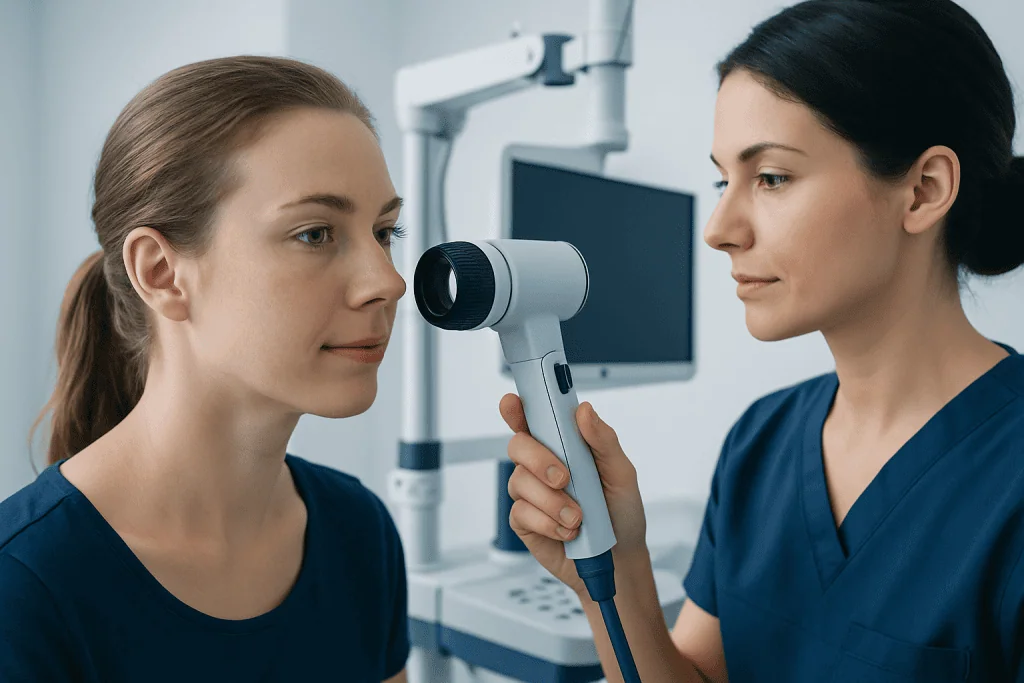
Understanding the difference between vellus hair and terminal hair can make hair changes easier to interpret. Vellus hairs are short, soft, and only lightly pigmented. Terminal hairs are longer, coarser, and darker, and they are typically found on the scalp, eyebrows, eyelashes, underarms, and pubic region. In some people, terminal hair also grows on the face, chest, arms, or legs depending on age, sex, hormones, and genetics.
Hair follicles can respond to hormonal signals over time. In some situations, a follicle that once produced vellus hair may begin producing terminal hair. This process is common during puberty, and it can also occur with hormonal imbalance or increased sensitivity to androgens, the hormones involved in body hair development.
It is also possible for the opposite pattern to occur. On the scalp, some follicles may gradually produce finer, shorter hairs instead of thicker terminal hairs. This process, sometimes called miniaturization, can be seen in certain forms of hair loss such as hair loss. That is why doctors look not only at where hair is growing, but also at changes in texture, thickness, and distribution.
What affects vellus hair growth and visibility

Many normal factors influence how noticeable vellus hair is. Genetics strongly affect hair density, color, and distribution. Skin tone, natural hair color, and the angle of lighting can also make fine facial or body hair seem more prominent even when growth has not truly increased.
Hormones are another major factor. During puberty, pregnancy, menopause, and other life stages, shifts in hormone levels can change the way follicles behave. Some people notice more visible facial fuzz or body hair with these transitions. In others, endocrine conditions can lead to more obvious hair changes, especially if vellus hairs begin converting into darker, coarser terminal hairs.
Medications may also influence hair patterns. Certain drugs can affect the hair cycle, increase fine hair growth, or make existing hair easier to see. Nutrition matters too, since hair follicles are active tissues that can be affected by low iron, significant weight loss, chronic illness, or poor overall nutritional intake. Skin care practices such as exfoliation, dermaplaning, and the use of magnifying mirrors may also simply make normal vellus hair more noticeable.
When changes may point to a medical issue
Most vellus hair is harmless, but the pattern of change matters. A slow, mild increase in visible facial fuzz can occur with age or hormonal shifts and may not require treatment. By contrast, rapid development of coarse hair on the chin, upper lip, chest, abdomen, or back may suggest that hair follicles are being exposed to higher androgen levels or becoming more sensitive to them.
Doctors may ask whether the person also has irregular menstrual cycles, acne, scalp hair thinning, weight gain, fertility concerns, deepening of the voice, or changes in muscle mass. These features can help identify causes of excess hair growth such as hirsutism or hormone-related conditions including polycystic ovary syndrome.
In other situations, generalized fine hair growth may be linked to medications, metabolic conditions, or recovery from nutritional stress. A clinician may also consider skin disorders, endocrine disorders, and less commonly inherited conditions. The key point is that visible vellus hair alone is usually not concerning, but a new pattern of hair growth deserves context.
How doctors evaluate unusual hair growth
Assessment usually begins with a medical history and physical examination. The doctor may ask when the hair change started, whether it was sudden or gradual, which areas are affected, and whether there are associated symptoms such as acne, irregular periods, weight changes, fatigue, or scalp hair shedding. Family history can also be helpful because hair patterns and hormonal traits often run in families.
The skin and hair are then examined closely. A doctor may look at hair thickness, pigment, density, and whether the hairs are clearly vellus or terminal. They may also examine the scalp for thinning, the face and body for acne or other skin changes, and signs of endocrine conditions.
When needed, laboratory tests may be recommended. These can include hormone tests, thyroid testing, blood sugar assessment, or checks for iron and other nutritional issues depending on the clinical picture. If a skin disorder is suspected, referral to a dermatologist may help. Some patients also benefit from evaluation by endocrinology or gynecology if hormone imbalance is a concern.
Treatment options and cosmetic management
Treatment depends on whether the hair pattern is normal, cosmetic, or related to a medical cause. If the hair is simply normal vellus hair that has become more noticeable, treatment is often optional. Some people choose to leave it alone, while others prefer cosmetic approaches for comfort or appearance.
Common cosmetic options include trimming, shaving, threading, waxing, depilatory creams, dermaplaning, or longer-lasting methods such as laser hair removal. The most suitable choice depends on skin sensitivity, hair color, and the area involved. Laser treatment generally works best on darker, coarser hairs than on very fine, light vellus hairs, so an individualized assessment is important.
If an underlying medical issue is found, addressing that condition is the main goal. Treatment may involve hormone management, medication review, or nutritional support. In selected cases where scalp changes are part of the concern, doctors may also discuss broader hair restoration options if there is significant terminal hair loss rather than a problem with vellus hair itself. Any treatment plan should be guided by a qualified clinician, especially when symptoms suggest endocrine or dermatologic disease.
Self-care, skin care, and prevention of irritation
There is usually no need to prevent vellus hair, since it is a normal feature of healthy skin. Instead, self-care focuses on avoiding irritation and choosing safe grooming methods. If a person removes facial or body hair, it helps to use clean tools, gentle products, and techniques suited to sensitive skin.
After hair removal, mild redness or temporary irritation can happen. Gentle cleansing, fragrance-free moisturizers, and sun protection can help support the skin barrier. Harsh scrubs, picking at the skin, or repeatedly treating the same area may increase the risk of razor bumps, irritation, or post-inflammatory discoloration.
General health habits also support healthy hair and skin. A balanced diet, enough protein, management of chronic conditions, and medical review of sudden weight change or fatigue can all be relevant when hair patterns shift. If a person is considering repeated cosmetic treatment, professional guidance may reduce irritation and help set realistic expectations.
When to seek medical care
Medical advice is worth seeking if fine hair suddenly becomes much darker, thicker, or more widespread, especially on the face, chest, or abdomen. Evaluation is also important when hair changes happen together with irregular periods, acne, scalp hair thinning, infertility concerns, unexplained weight gain, or other signs of hormonal change.
Patients should also speak with a doctor if they notice rapid hair changes after starting a medication, if the skin becomes inflamed or scarred after hair removal, or if they are unsure whether the hair pattern is normal for them. A dermatologist or endocrinologist can help determine whether the change is cosmetic, hormonal, nutritional, or related to another condition.
For people who need specialist evaluation and treatment planning, Acibadem International’s multidisciplinary teams in JCI-accredited hospitals assess hair and hormone-related concerns for international patients. In some cases, coordinated care may include dermatology, endocrinology, gynecology, and image-guided testing such as MRI when clinically indicated for the underlying cause.
Frequently asked questions
Is vellus hair normal?
Yes. Vellus hair is a normal type of fine, soft hair that covers much of the body. Most people have it, and by itself it does not usually mean there is a medical problem.
Why does vellus hair sometimes look more noticeable on the face?
Lighting, skin tone, hair color, and close-up mirrors can make normal facial fuzz easier to see. Hormonal changes, aging, and some skin care or hair removal habits can also make it appear more prominent.
Can vellus hair turn into terminal hair?
Yes, in some situations hair follicles can shift from producing vellus hair to producing thicker, darker terminal hair. This commonly happens during puberty and may also occur with hormonal changes or androgen-related conditions.
Does removing vellus hair make it grow back thicker?
No, removal does not change the follicle so that it produces truly thicker hair. Hair may feel blunt or look more noticeable as it grows back after shaving or trimming, but the hair structure itself is not permanently changed by removal.
When should unusual hair growth be checked by a doctor?
A doctor should assess hair growth that appears suddenly, becomes coarse or dark, or develops in a male-pattern distribution on the face, chest, or abdomen. Medical review is also important if it comes with acne, irregular periods, scalp hair loss, or unexplained weight changes.
What kind of doctor treats concerns related to vellus hair?
A primary care doctor can often start the evaluation. Depending on the suspected cause, a dermatologist, endocrinologist, or gynecologist may also be involved.
This article is for general information only and is not a substitute for professional medical advice. Please consult a qualified doctor about your individual situation.
Hair transplant in Turkey — costs, graft counts & a free assessment
JCI-accredited · board-certified surgeons · reply within 24h
Add us as a Preferred Source to see more of our trusted health content across Google Search, AI Overviews and Discover.

More from the Health Library
Retina Detachment — Explained by Medical Evidence, Not Myths

Decompensation: An Evidence-Based Guide for Patients

Camellia Oil: A Complete Medical Overview

Knee Extension: What Patients Need to Know

Cytoxan: A Complete Medical Overview