Vibrio Vulnificus: What Patients Need to Know

Vibrio vulnificus can infect people after eating raw shellfish or exposing an open wound to seawater. Symptoms may begin quickly and can include vomiting, diarrhea, fever, severe skin redness, swelling, or blistering around a wound.
Key Takeaways
- Vibrio vulnificus can infect people after eating raw shellfish or exposing an open wound to seawater.
- Symptoms may begin quickly and can include vomiting, diarrhea, fever, severe skin redness, swelling, or blistering around a wound.
- People with liver disease, weakened immunity, diabetes, or iron overload are at higher risk of severe infection.
- Diagnosis usually combines symptoms, exposure history, examination, and laboratory testing.
- Treatment often requires prompt antibiotics, wound care, and sometimes hospital-based supportive treatment.
- Avoiding raw oysters and protecting cuts from seawater can lower the risk.
Vibrio vulnificus is a bacteria found in warm coastal waters and raw or undercooked shellfish, especially oysters. It can cause serious illness through contaminated seafood or when seawater enters a cut, so early recognition and prompt medical care are important.
Overview
Vibrio vulnificus is a type of bacteria that lives naturally in warm, salty or brackish coastal water. It can cause infection in two main ways: by entering the body through a cut or wound exposed to seawater, or by being swallowed in raw or undercooked shellfish, especially oysters. Although many exposures do not lead to illness, infection can become serious, particularly in people with certain long-term health conditions.
This infection is often discussed during warmer months because the bacteria grow more easily in higher water temperatures. People who fish, swim, boat, or handle seafood may be more likely to encounter it. The condition is not usually spread from person to person in everyday contact.
What makes vibrio vulnificus important is not how common exposure is, but how quickly symptoms can worsen in some individuals. Prompt medical assessment can make a meaningful difference, especially if there is rapid swelling, severe pain, fever, or signs of illness after eating raw shellfish or after seawater touches broken skin.
How Infection Happens
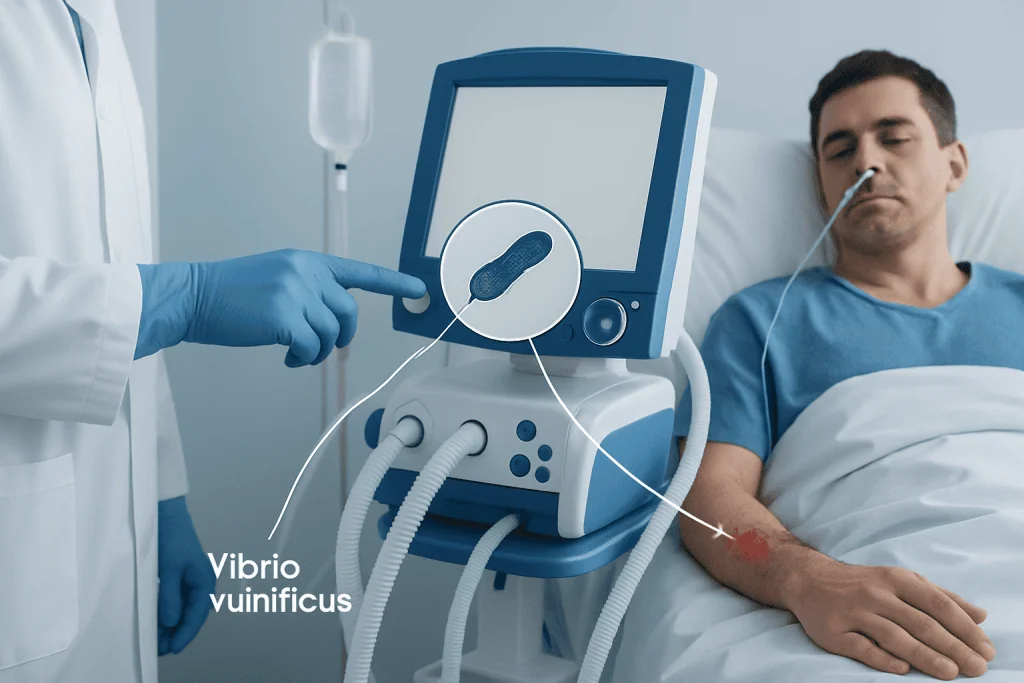
There are two usual routes of infection. The first is foodborne illness after eating contaminated seafood that is raw or not fully cooked. Raw oysters are the best-known source because oysters filter seawater and can concentrate bacteria inside their tissues even when they look, smell, and taste normal.
The second route is wound exposure. A small cut, scrape, surgical wound, burn, tattoo site, or insect bite can allow bacteria to enter if it comes into contact with warm seawater, brackish water, or raw seafood juices. This can lead to a local skin and soft tissue infection that may spread quickly in some people.
Vibrio vulnificus is different from many everyday stomach bugs because it can cause invasive infection in vulnerable patients. In severe cases, bacteria may enter the bloodstream and cause a body-wide infection. This is one reason clinicians may evaluate it urgently alongside other serious bloodstream infections.
It is also helpful to know that not every “vibrio” infection is the same. Different Vibrio species can cause different patterns of illness. Vibrio vulnificus is especially associated with severe wound infection and serious foodborne disease in people with underlying health risks.
Symptoms and Warning Signs
Symptoms depend on how the bacteria entered the body. After eating contaminated seafood, a person may develop nausea, vomiting, stomach cramps, diarrhea, fever, or chills. These symptoms can begin within hours to a day. Some people recover with supportive care, but others become much more unwell very quickly.
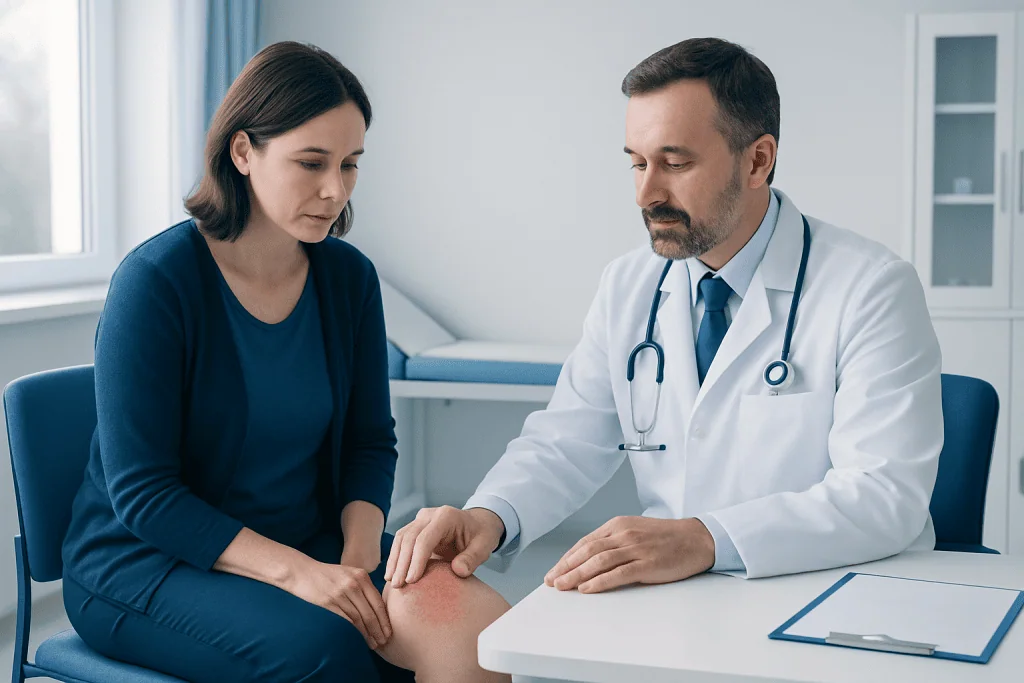
With a wound infection, early signs may include redness, warmth, swelling, tenderness, and pain around the affected area. The skin may change rapidly, with increasing swelling, discoloration, or fluid-filled blisters. Pain that seems more severe than the visible wound can be an important warning sign.
If the infection spreads beyond the skin or gut, systemic symptoms may appear. These can include fever, weakness, dizziness, confusion, low blood pressure, or feeling faint. In severe soft tissue infections, doctors may also consider conditions such as necrotizing fasciitis because both can progress quickly and require urgent care.
- Vomiting or diarrhea after raw shellfish
- Fever or chills after seawater exposure
- Rapidly worsening redness or swelling around a wound
- Blisters, darkening skin, or severe pain
- Weakness, dizziness, confusion, or fainting
Causes and Risk Factors
The direct cause is exposure to vibrio vulnificus bacteria in a suitable environment, most often warm coastal water or contaminated shellfish. The bacteria do not necessarily change the appearance of seafood, so a person cannot rely on smell or taste to judge safety. Improper storage of seafood after harvesting can also increase risk.
Anyone can become infected, but some people are more likely to develop severe illness. Risk is higher in those with chronic liver disease, cirrhosis, hepatitis, heavy alcohol use, diabetes, kidney disease, cancer, iron overload conditions, or a weakened immune system due to illness or medicines. Older adults may also be more vulnerable to complications.
For wound infections, risk increases if a person has an open cut, recent surgery, chronic skin ulcer, or other break in the skin and then enters seawater or handles raw seafood. Even minor wounds should be considered important if they become painful, swollen, or blistered after coastal water exposure.
People with chronic illnesses may already be under care for conditions that affect the body’s defense systems, including some forms of liver disease. For these individuals, prevention advice is especially important because severe infection can develop faster than expected.
How Doctors Diagnose It
Diagnosis starts with a careful history. Doctors usually ask about recent seafood consumption, especially raw oysters, and about any contact between seawater and broken skin. Travel history, timing of symptoms, and underlying medical conditions also help guide the evaluation.
The physical examination looks for signs of dehydration, fever, low blood pressure, abdominal symptoms, or a rapidly spreading skin infection. If a wound is involved, clinicians assess the size of the affected area, depth of infection, blistering, and whether pain appears out of proportion to the visible changes.
Laboratory testing may include blood tests, stool testing in selected situations, blood cultures, and cultures from wound fluid or tissue. Imaging studies can sometimes be used if doctors suspect deeper soft tissue involvement. When severe infection is possible, patients may need urgent assessment in a hospital setting, where diagnostic imaging and close monitoring can support rapid decision-making.
Because symptoms can overlap with other skin and gastrointestinal illnesses, diagnosis is based on the combination of exposure history, examination findings, and test results. Doctors do not usually wait for every result before starting treatment if the clinical picture suggests a serious infection.
Treatment Options
Treatment depends on the severity of illness and whether the infection is limited to the gut, involves a wound, or has spread into the bloodstream. Mild gastrointestinal illness may be managed with hydration and observation, but any signs of severe disease need urgent medical care. Antibiotics are commonly used when vibrio vulnificus is suspected, especially in wound infections or invasive illness.
Wound infections often need more than medication alone. The affected area may require cleaning, removal of damaged tissue, drainage, and repeated reassessment. When doctors suspect deeper tissue involvement, early wound care and surgical evaluation can be essential to control the infection and protect healthy tissue.
Severe cases may require hospital treatment with intravenous fluids, antibiotics, pain management, and support for blood pressure or organ function. If the infection progresses rapidly, the care team may involve specialists in infectious diseases, surgery, critical care, and skin or vascular management. In patients with extensive soft tissue injury, intensive care may be needed while the infection is being treated.
Recovery depends on the person’s overall health, how early treatment begins, and whether complications are present. Follow-up is important to make sure the infection is clearing, wounds are healing well, and any underlying health conditions are also being addressed.
Prevention and Self-care
The most effective way to prevent foodborne vibrio vulnificus infection is to avoid raw or undercooked oysters and other shellfish. Seafood should be cooked thoroughly, kept cold before cooking, and handled with good kitchen hygiene. Separate raw seafood from ready-to-eat foods, and wash hands, utensils, and surfaces after contact with raw shellfish.
To prevent wound infection, people should keep cuts, scrapes, and healing wounds out of warm seawater and brackish water. Waterproof coverings can offer some protection, but if a wound is significant or actively draining, avoiding water exposure is the safer choice. Gloves may help when handling raw seafood if there are breaks in the skin.
After possible exposure, the skin should be washed promptly with clean soap and water, and any wound should be monitored closely. Self-care at home is not enough if redness spreads, pain increases, fever develops, or blisters appear. These changes need professional assessment rather than waiting to see if they improve.
For people with liver disease, diabetes, reduced immunity, or other high-risk conditions, prevention matters even more. Clinicians may advise avoiding raw oysters altogether and being particularly cautious with coastal water exposure when there are cuts or ulcers on the skin.
When to Seek Medical Care
Medical care should be sought promptly if symptoms start after eating raw shellfish or after a wound has been exposed to seawater. Early treatment is especially important if there is fever, vomiting, diarrhea with weakness, or a wound that becomes rapidly red, swollen, very painful, or blistered.
Emergency care is appropriate for severe symptoms such as confusion, fainting, trouble staying awake, breathing difficulty, rapidly spreading skin discoloration, or signs of shock such as cold clammy skin or marked dizziness. People with chronic liver disease, diabetes, cancer, kidney disease, or weakened immunity should have a low threshold for getting urgent medical advice.
If ongoing treatment is needed, multidisciplinary care can be helpful. Acibadem International’s specialists in infectious diseases, emergency medicine, surgery, and critical care diagnose and treat complex infections for international patients in JCI-accredited hospitals.
Frequently asked questions
What is vibrio vulnificus?
Vibrio vulnificus is a bacteria that naturally lives in warm coastal and brackish waters. It can cause illness after eating contaminated raw or undercooked shellfish or when seawater enters a cut or wound.
How serious is a vibrio vulnificus infection?
It can range from a mild stomach illness to a severe wound or bloodstream infection. People with liver disease, diabetes, weakened immunity, or other chronic conditions may become seriously ill more quickly and should seek medical care early.
Can someone get vibrio vulnificus from swimming in the sea?
Yes, but usually only if seawater contacts broken skin such as a cut, scrape, ulcer, or recent surgical wound. Intact skin is a much better barrier, although any unusual rash, swelling, or pain after exposure should be checked.
Do raw oysters always look contaminated?
No. Oysters contaminated with vibrio vulnificus can look, smell, and taste normal. That is why proper cooking and safe handling are important, especially for people at higher risk of severe infection.
How is vibrio vulnificus treated?
Doctors may use antibiotics, fluids, and close monitoring, depending on the severity and the part of the body affected. Wound infections may also need cleaning, drainage, or surgery if damaged tissue is present.
Can vibrio vulnificus be prevented?
In many cases, yes. Avoiding raw oysters, cooking shellfish thoroughly, protecting open wounds from seawater, and washing exposed skin promptly can reduce risk.
This article is for general information only and is not a substitute for professional medical advice. Please consult a qualified doctor about your individual situation.
Explore treatments in Turkey — costs, top hospitals & a free quote
JCI-accredited · board-certified surgeons · reply within 24h
Add us as a Preferred Source to see more of our trusted health content across Google Search, AI Overviews and Discover.
Check your numbers in seconds
BMI, calories, due date, blood pressure and 30+ more clinical calculators — free, instant, doctor-reviewed ranges.

More from the Health Library

Inulin Benefits: What Patients Need to Know

Asparagus — Explained by Medical Evidence, Not Myths

Sleep: A Complete Medical Overview

Gmo: A Complete Medical Overview

Middle Back Right Side: What Patients Need to Know