Video Urodynamic Testing: Finding the Cause of Complex Bladder Symptoms
Video urodynamic testing combines standard urodynamic measurements with real-time imaging. It is often used when bladder symptoms are complex, persistent, or difficult to explain with routine tests alone.
Key Takeaways
- Video urodynamic testing combines standard urodynamic measurements with real-time imaging.
- It is often used when bladder symptoms are complex, persistent, or difficult to explain with routine tests alone.
- The test can help identify problems with bladder storage, bladder emptying, urine leakage, or urinary tract obstruction.
- Preparation is usually simple, and most people go home the same day.
- Results help doctors tailor treatment, which may include lifestyle changes, medication, pelvic floor therapy, or procedures.
Video urodynamic testing is a specialized test that evaluates how the bladder and urethra store and release urine while also capturing imaging. It can help doctors understand difficult or unclear urinary symptoms and guide more precise treatment.
Overview
Video urodynamic testing is an advanced diagnostic test used to assess how the lower urinary tract works. The lower urinary tract includes the bladder, which stores urine, and the urethra, which carries urine out of the body. This test combines two types of information at the same time: pressure measurements from a urodynamic study and images taken while the bladder fills and empties.
Because it provides both functional and visual details, video urodynamic testing can be especially useful when symptoms are complex or when earlier tests have not fully explained the problem. It may be recommended for people with urinary leakage, difficulty emptying the bladder, frequent urination, urgency, recurrent urinary symptoms, or symptoms that may involve the nerves or pelvic floor.
Unlike a simple urine test or ultrasound, this study looks at the bladder in action. It can show whether the bladder muscle squeezes normally, whether the urethra stays closed when it should, whether urine backs up in an unusual way, or whether there is an obstruction to flow. This helps the care team move beyond symptoms alone and focus on the actual cause.
Why the Test Is Used
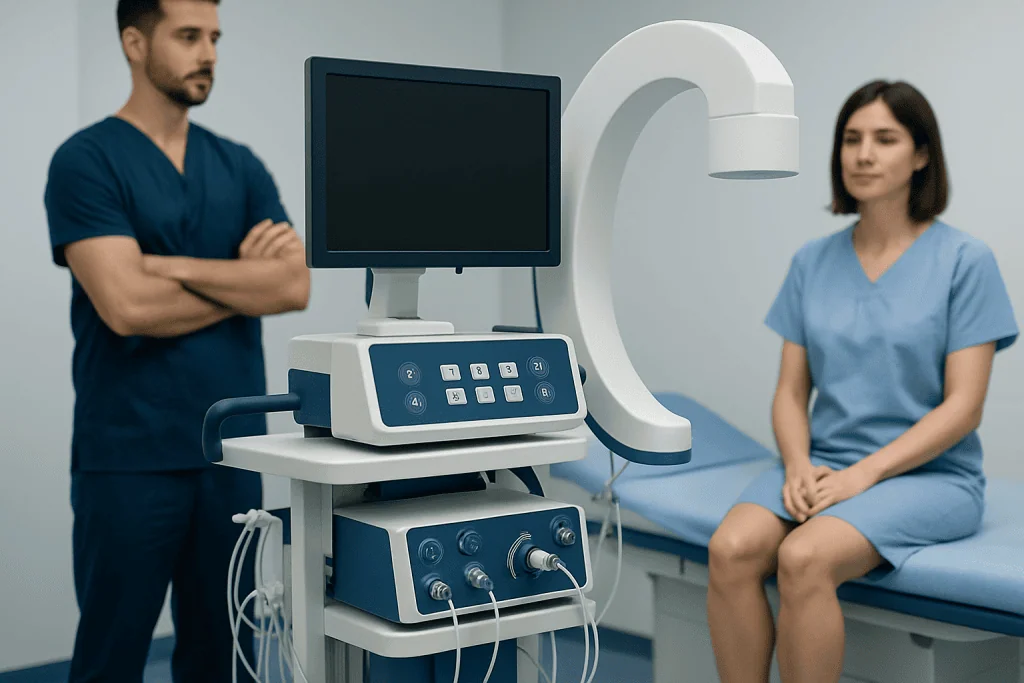
Doctors do not usually need video urodynamic testing for every bladder complaint. Many urinary symptoms can be assessed with medical history, physical examination, urine testing, bladder diaries, and simpler tests. However, this test becomes helpful when symptoms are persistent, severe, unusual, or when treatment has not worked as expected.
It may be used in people who have mixed symptoms, such as both urgency and difficulty voiding, or in those with suspected nerve-related bladder problems. It can also help before surgery for some patients with incontinence or pelvic floor disorders, and it may be useful after prior pelvic surgery when symptoms are difficult to interpret.
Common reasons a doctor may request the test include:
- Urinary incontinence that is not straightforward
- Difficulty starting urination or emptying the bladder
- Frequent urinary tract symptoms with unclear cause
- Suspected bladder outlet obstruction
- Neurogenic bladder related to spinal, neurological, or nerve conditions
- Evaluation before or after selected urologic or gynecologic procedures
In some cases, video urodynamics is part of a broader workup for urinary incontinence or other bladder disorders. The main goal is to understand the pattern of dysfunction clearly enough to choose the most appropriate next step.
How Video Urodynamic Testing Works
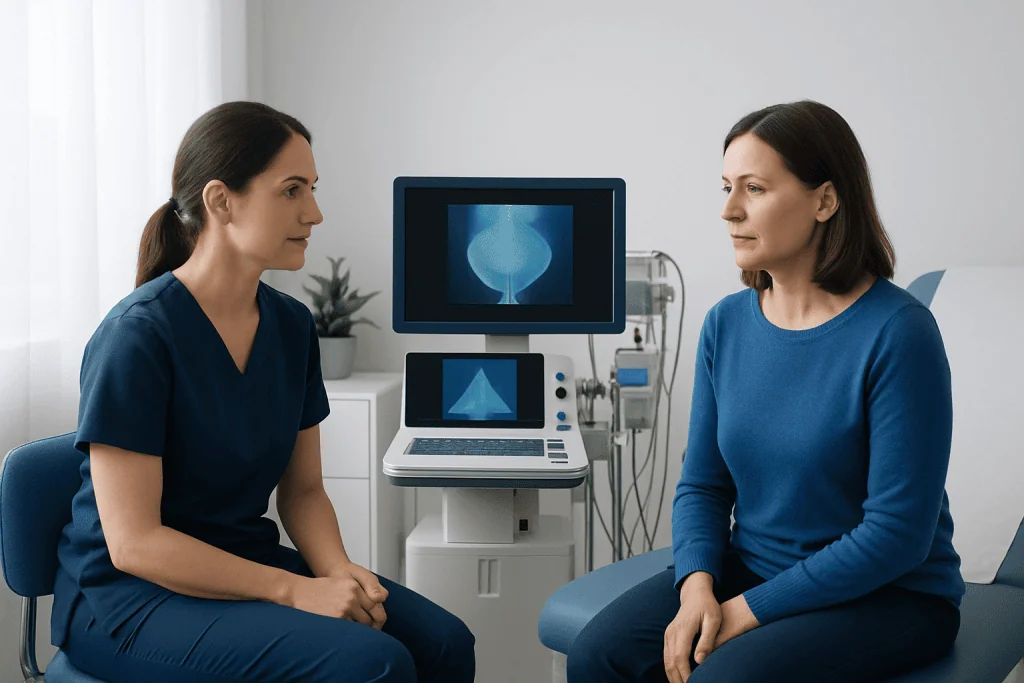
During the test, small catheters are placed to measure pressure in the bladder and sometimes in the rectum or vagina for comparison. The bladder is slowly filled with fluid, and the patient is asked to report sensations such as the first feeling of filling, urgency, or discomfort. Pressure changes are recorded throughout the study.
At the same time, imaging is obtained while the bladder fills and empties. Depending on the center and the clinical question, imaging may involve fluoroscopy, which uses X-ray guidance with contrast material. This allows the doctor to see the shape and movement of the bladder and urethra during storage and voiding.
The test can reveal several types of problems. For example, it may show involuntary bladder contractions, poor bladder compliance, weak bladder muscle contraction, outlet obstruction, stress leakage during pressure changes, or incomplete emptying. When pressure findings and imaging findings are reviewed together, they often provide a clearer explanation than either method alone.
Although the test may feel unfamiliar or mildly uncomfortable, it is usually well tolerated. The team performing it explains each step and aims to make the process as private and comfortable as possible.
What to Expect Before, During, and After
Preparation is usually straightforward. The patient may be asked to arrive with a comfortably full bladder, bring a medication list, or complete a bladder diary. The care team will review symptoms, prior operations, neurological conditions, and medicines that could affect bladder function. In some cases, a urine test is done first to make sure there is no active infection.
During the procedure, the patient changes into a gown, and the catheters are inserted after cleaning the area. The bladder is then filled in a controlled way. The patient may be asked to cough, strain, stand, or urinate during the study so the team can see how the urinary tract behaves under different conditions. The full test often takes less than an hour, although timing varies.
Afterward, mild burning with urination or temporary urinary urgency can happen for a short time. Drinking water may help ease temporary irritation unless a doctor has advised fluid restriction for another reason. Patients should contact their care team if they develop fever, persistent pain, difficulty passing urine, or signs of infection after the test.
Most people can return to normal daily activities the same day. The specialist then interprets the study in the context of the patient’s symptoms, exam findings, and any other tests already performed.
What the Results Can Show
Video urodynamic testing does not diagnose every urinary problem by itself, but it can provide valuable clues about bladder storage and bladder emptying. It may show whether the bladder is overactive, whether it stores urine at unsafe pressures, whether the bladder muscle is weak, or whether the urethra fails to close properly during effort such as coughing.
It can also help identify obstruction or coordination problems between the bladder and the outlet. In some people, especially those with neurological disease or prior pelvic surgery, the issue is not simply one symptom but a pattern of abnormal pressure, flow, and anatomy. This is where the video component can be particularly helpful.
Possible findings may include:
- Detrusor overactivity, which means involuntary bladder muscle contractions
- Stress incontinence, where leakage occurs with coughing or exertion
- Impaired bladder compliance, where the bladder becomes stiff during filling
- Bladder outlet obstruction
- Detrusor underactivity, where the bladder muscle contraction is weak
- Vesicoureteral reflux or other structural concerns seen during imaging
These findings help determine whether treatment should target urgency, leakage, retention, obstruction, nerve-related dysfunction, or a combination of factors. For some patients, the study may clarify whether symptoms fit a condition such as neurogenic bladder or another form of lower urinary tract dysfunction.
Treatment Planning After the Test
The value of video urodynamic testing lies in what happens next: more individualized treatment. Rather than treating symptoms by trial and error, the doctor can use the results to select therapies that fit the underlying problem. This can reduce uncertainty and help avoid treatments that are unlikely to help.
If the study suggests overactive bladder or urgency-related problems, treatment may begin with bladder training, fluid timing, pelvic floor therapy, or medication. When conservative measures are not enough, some patients may be evaluated for advanced options such as Botox for overactive bladder or sacral neuromodulation, depending on the pattern of dysfunction and the patient’s overall health.
If the main issue is stress leakage, treatment may focus on pelvic floor rehabilitation, pessary use in selected patients, or procedures designed to support the urethra. For appropriate candidates, a doctor may discuss options such as midurethral sling surgery. If emptying is blocked or incomplete, treatment may instead target obstruction, prolapse, medication side effects, or bladder muscle weakness.
In complex cases, care may involve collaboration between urology, urogynecology, neurology, rehabilitation, and pelvic floor specialists. Near the end of the diagnostic pathway, some international patients choose centers such as Acibadem International, where multidisciplinary specialists in JCI-accredited hospitals evaluate and treat complex bladder conditions.
Benefits, Limitations, and Safety
One important benefit of video urodynamic testing is precision. It can reveal whether symptoms that seem similar actually come from different causes. For example, frequent urination may be related to overactivity, poor bladder compliance, incomplete emptying, or anxiety around bladder sensation. Identifying the true mechanism helps guide treatment more confidently.
At the same time, no test is perfect. Results must be interpreted by an experienced specialist and correlated with the patient’s symptoms and medical history. Some people may not reproduce their usual symptoms during testing, and findings may not always explain every complaint completely.
The test is generally safe, but it is invasive and may cause temporary discomfort. There is a small risk of urinary tract infection, mild bleeding, or short-term irritation during urination. The care team takes precautions to reduce these risks and will explain when to seek medical advice afterward.
For many patients with difficult bladder symptoms, the potential benefit of obtaining a clearer diagnosis outweighs the short-term inconvenience of the procedure. A careful discussion with a qualified doctor helps determine whether it is the right test for a particular situation.
When to Speak With a Doctor
Urinary symptoms are common, but they should not simply be ignored if they are persistent or affecting daily life. A person should consider speaking with a doctor if there is ongoing urgency, leakage, frequent urination, difficulty emptying the bladder, weak stream, repeated nighttime waking to urinate, or pelvic pressure associated with bladder symptoms.
Prompt medical review is especially important if symptoms are accompanied by blood in the urine, recurrent infections, pain, inability to pass urine, new symptoms after pelvic surgery, or known neurological disease. These situations may call for more detailed evaluation, and video urodynamic testing may be one part of that process.
People often feel embarrassed discussing bladder problems, but these concerns are medical issues and are treatable in many cases. Early evaluation can help improve comfort, confidence, sleep, and quality of life.
Frequently asked questions
What is video urodynamic testing?
Video urodynamic testing is a specialized study that measures bladder and urethral pressures while also capturing imaging during bladder filling and emptying. It helps doctors understand how the lower urinary tract works in real time.
Why would someone need video urodynamic testing instead of a regular bladder test?
It is usually reserved for more complex situations, such as unclear symptoms, failed prior treatment, suspected nerve-related bladder problems, or planning for certain procedures. The added imaging can show structural and functional details that standard testing may miss.
Is video urodynamic testing painful?
Most people describe the test as uncomfortable rather than painful. Catheter placement and bladder filling can cause temporary pressure or a strong urge to urinate, but the sensations usually pass quickly once the test is finished.
How should a patient prepare for the test?
Preparation varies slightly by center, but patients are often asked to bring a medication list and sometimes a bladder diary. A urine sample may be checked first to make sure there is no active infection, and the team will give specific instructions beforehand.
Are there any risks after video urodynamic testing?
Mild burning during urination or temporary urgency can happen for a short time after the procedure. A small number of people may develop a urinary tract infection, so fever, worsening pain, or difficulty urinating should be reported to a doctor.
What happens if the test finds a problem?
The results help the doctor match treatment to the cause of the symptoms. Depending on the findings, treatment may include lifestyle changes, pelvic floor therapy, medication, catheter-based management, or selected procedures.
References
- International Continence Society
- American Urological Association
- European Association of Urology
- National Institute of Diabetes and Digestive and Kidney Diseases
- National Association for Continence
This article is for general information only and is not a substitute for professional medical advice. Please consult a qualified doctor about your individual situation.
Urodynamic Testing in Turkey — costs, top hospitals & a free quote
JCI-accredited · board-certified surgeons · reply within 24h
Add us as a Preferred Source to see more of our trusted health content across Google Search, AI Overviews and Discover.