Viral Gastroenteritis: Symptoms, Causes, and Treatment Options

Viral gastroenteritis usually causes diarrhea, vomiting, nausea, abdominal cramps, and sometimes fever. The most important treatment is preventing dehydration with fluids and, when needed, oral rehydration solutions.
Key Takeaways
- Viral gastroenteritis usually causes diarrhea, vomiting, nausea, abdominal cramps, and sometimes fever.
- The most important treatment is preventing dehydration with fluids and, when needed, oral rehydration solutions.
- Antibiotics do not treat viral gastroenteritis because viruses, not bacteria, are the cause.
- Young children, older adults, pregnant people, and those with weakened immune systems may need closer medical attention.
- Good hand hygiene and safe food handling can help reduce the spread of viral gastroenteritis.
Viral gastroenteritis is an infection of the stomach and intestines that commonly causes sudden diarrhea, vomiting, nausea, and stomach cramps. It is often called the “stomach flu,” but it is not the same as influenza, and most people recover with hydration, rest, and supportive care.
Overview
Viral gastroenteritis is an infection that irritates the stomach and intestines, leading to diarrhea, vomiting, nausea, and cramping. It is often described as the “stomach flu,” but this term can be misleading because it is not caused by the influenza virus. Instead, several different viruses can trigger this short-term digestive illness.
For most otherwise healthy adults, viral gastroenteritis is unpleasant but self-limited. Symptoms often begin suddenly and improve within a few days, although fatigue and a sensitive stomach may linger a little longer. The biggest concern is not usually the infection itself, but fluid loss from vomiting and diarrhea.
This condition spreads easily in households, schools, daycare settings, cruise ships, nursing homes, and other places where people share food, surfaces, or close contact. Because symptoms can overlap with food poisoning, bacterial infections, or conditions such as colitis, a doctor may sometimes need to help clarify the cause.
Common symptoms and how they feel
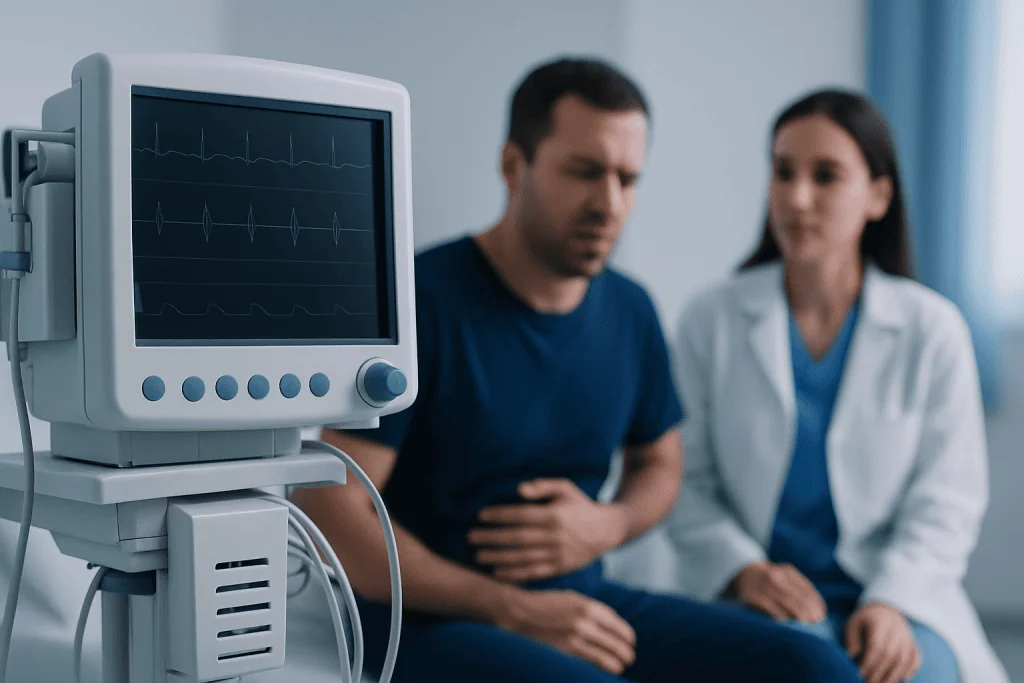
Symptoms of viral gastroenteritis usually start within hours to a few days after exposure, depending on the virus involved. Many people feel well one day and then develop sudden nausea, vomiting, or diarrhea the next. The illness can range from mild to more intense, especially during the first 24 to 48 hours.
Common symptoms include:
- Watery diarrhea
- Nausea and vomiting
- Stomach cramps or abdominal pain
- Loss of appetite
- Low-grade fever
- Headache
- Body aches or general tiredness
Not everyone has all symptoms. Some people mainly have vomiting, while others have mostly diarrhea and cramps. In children, irritability, reduced feeding, or unusual sleepiness may be early clues. Adults may notice dizziness, weakness, dry mouth, or dark urine if dehydration begins to develop.
Bloody diarrhea is not typical of viral gastroenteritis. When blood appears in the stool, or when abdominal pain is severe and focused in one area, doctors may consider other causes such as bacterial infection, inflammatory bowel disease, appendicitis, or another digestive problem.
Causes, spread, and risk factors

Viral gastroenteritis can be caused by several viruses, most commonly norovirus and rotavirus. Adenovirus and astrovirus can also affect the digestive tract, especially in children. These viruses are highly contagious and spread through tiny amounts of stool or vomit from an infected person.
Transmission often happens through contaminated hands, food, water, or surfaces. A person may become infected after eating food prepared by someone who is ill, touching a contaminated doorknob or bathroom surface, or caring for a child with vomiting or diarrhea. Some viruses can survive on surfaces for long periods, which helps explain why outbreaks are common in shared environments.
Certain factors raise the risk of catching or spreading viral gastroenteritis:
- Close contact with an infected person
- Living in or visiting crowded settings
- Poor hand hygiene
- Eating contaminated food or drinking unsafe water
- Young age or older age
- A weakened immune system
- Recent travel
Although many cases are mild, some groups can become dehydrated more quickly. Infants, older adults, pregnant people, and those with chronic illnesses may need earlier medical advice. People with underlying digestive disorders, including Crohn’s disease, may also need assessment if symptoms are hard to distinguish from a flare.
How doctors diagnose viral gastroenteritis
Diagnosis is often based on symptoms, recent exposures, and the short course of the illness. A doctor may ask when symptoms started, whether there is fever or blood in the stool, whether others around the patient are ill, and how much fluid the person is able to keep down. In many uncomplicated cases, laboratory tests are not necessary.
The physical exam focuses on signs of dehydration and whether another condition could be present. Doctors may look for dry mouth, reduced tears, fast heart rate, low blood pressure, abdominal tenderness, or changes in alertness. In infants and small children, fewer wet diapers and a sunken appearance can be especially important clues.
Stool testing may be considered when symptoms are unusually severe, prolonged, bloody, associated with high fever, or occurring during an outbreak investigation. Blood tests may be used if there is concern about dehydration, electrolyte imbalance, kidney strain, or another illness. In some cases, imaging or specialist assessment is needed to rule out problems that can mimic gastroenteritis, such as gallbladder disease, bowel inflammation, or endoscopy-evaluated digestive conditions.
Treatment options and recovery
The main treatment for viral gastroenteritis is supportive care. The body usually clears the infection on its own, so the priority is replacing fluids and electrolytes lost through diarrhea and vomiting. Small, frequent sips of water, oral rehydration solutions, broth, or clear fluids are often better tolerated than large amounts at once.
Food can usually be reintroduced gradually as nausea improves. Bland, easy-to-digest foods may be more comfortable at first, while fatty, spicy, very sugary, or dairy-heavy meals may worsen symptoms for some people. Rest also matters, since the illness can cause tiredness and temporary weakness.
Doctors may recommend certain medications for symptom relief in selected cases, such as anti-nausea treatment or medicine to reduce diarrhea. However, these are not suitable for everyone, especially young children, and they should be used with medical guidance. Antibiotics are not effective against viruses and are generally not used unless a bacterial cause is suspected.
If a person cannot keep fluids down or becomes significantly dehydrated, medical treatment may be needed. This can include monitoring, blood tests, and intravenous fluids. In more complex situations, digestive specialists may be involved, and some patients with recurring or unclear symptoms may benefit from assessment through gastroenterology services.
Prevention and self-care at home
Because viral gastroenteritis spreads easily, prevention depends heavily on hygiene and careful cleaning. Washing hands with soap and water after using the bathroom, changing diapers, and before eating or preparing food is one of the most effective measures. Alcohol-based hand sanitizers can help in some situations, but soap and water are especially important when hands are visibly soiled.
At home, shared surfaces should be cleaned regularly, especially bathrooms, sinks, light switches, and kitchen areas. Clothing or bedding soiled by vomit or stool should be handled carefully and washed promptly. People who are ill should avoid preparing food for others until they have fully recovered and met local public health guidance for returning to work or school.
Self-care focuses on hydration and a gradual return to normal eating. Helpful steps include:
- Taking small, frequent sips of fluid
- Using oral rehydration solutions if diarrhea or vomiting is heavy
- Resting and avoiding strenuous activity
- Eating simple foods as tolerated
- Avoiding alcohol and very rich meals until recovery
In children, routine vaccination against rotavirus can help prevent one important cause of severe gastroenteritis. Families can ask a pediatrician about the recommended vaccine schedule and other practical steps to lower infection risk during outbreak seasons.
When to seek medical care
Many cases of viral gastroenteritis improve at home, but medical care is important when dehydration or another serious cause is possible. A person should contact a doctor if vomiting is persistent, diarrhea is severe or lasts longer than expected, or fluids cannot be kept down well enough to maintain hydration.
Warning signs that deserve prompt medical attention include fainting, confusion, severe weakness, very little urine, a very dry mouth, or signs of dehydration in a child such as no tears, unusual sleepiness, or fewer wet diapers. High fever, blood in the stool, black stools, severe abdominal pain, or symptoms in a newborn also warrant urgent evaluation.
People with chronic medical conditions, kidney disease, inflammatory bowel disease, pregnancy, or weakened immunity may need earlier review even if symptoms seem moderate. Near the end of the care journey, some patients value coordinated evaluation; Acibadem International’s multidisciplinary specialists and JCI-accredited hospitals diagnose and treat digestive conditions for international patients when further assessment is needed.
Frequently asked questions
How long does viral gastroenteritis usually last?
Many people feel the worst symptoms for one to three days, though some cases can last longer. Mild stomach sensitivity or fatigue may continue for several more days after diarrhea or vomiting improves.
Is viral gastroenteritis the same as food poisoning?
Not exactly. Viral gastroenteritis is caused by viruses that infect the digestive tract, while food poisoning can be caused by bacteria, viruses, parasites, or toxins in contaminated food. The symptoms can feel similar, so the exact cause is not always obvious without medical evaluation.
Do antibiotics help viral gastroenteritis?
No. Antibiotics do not work against viruses, so they are not used for routine viral gastroenteritis. A doctor may consider other treatment only if there is concern for a bacterial infection or another diagnosis.
What should a person drink during viral gastroenteritis?
Frequent small sips of water, oral rehydration solution, clear broth, or other gentle fluids are usually best. If vomiting is active, taking very small amounts at a time may help. Sugary drinks and alcohol may make symptoms worse for some people.
Can adults get dehydrated from viral gastroenteritis?
Yes, adults can become dehydrated, especially if vomiting and diarrhea happen together or continue for many hours. Warning signs include dizziness, dry mouth, dark urine, weakness, and urinating less often than usual.
When can someone return to work or school after viral gastroenteritis?
This depends on symptoms and local health guidance, but people are generally advised to stay home while vomiting or having active diarrhea. Even after feeling better, careful handwashing remains important because some viruses can still spread for a period of time.
References
- World Health Organization
- Centers for Disease Control and Prevention
- National Institute of Diabetes and Digestive and Kidney Diseases
- American College of Gastroenterology
This article is for general information only and is not a substitute for professional medical advice. Please consult a qualified doctor about your individual situation.
Gastroenteritis in Turkey — costs, top hospitals & a free quote
JCI-accredited · board-certified surgeons · reply within 24h
Add us as a Preferred Source to see more of our trusted health content across Google Search, AI Overviews and Discover.
Check your numbers in seconds
BMI, calories, due date, blood pressure and 30+ more clinical calculators — free, instant, doctor-reviewed ranges.

Gastroenterology
Diagnosis and treatment of the digestive system and liver, with advanced endoscopy.
46 specialists in this unit