Viral Myelitis: Sudden Weakness, Sensory Changes, and MRI Findings

Viral myelitis is inflammation of the spinal cord that may follow or accompany a viral infection. Common symptoms include weakness, sensory changes, back pain, and bladder or bowel problems.
Key Takeaways
- Viral myelitis is inflammation of the spinal cord that may follow or accompany a viral infection.
- Common symptoms include weakness, sensory changes, back pain, and bladder or bowel problems.
- MRI and spinal fluid testing help doctors confirm inflammation and look for the underlying cause.
- Treatment focuses on reducing inflammation, supporting recovery, and managing complications.
- Prompt medical attention is important if symptoms develop suddenly or worsen quickly.
Viral myelitis is inflammation of the spinal cord linked to a viral infection. It can cause sudden weakness, numbness, pain, and bladder or bowel changes, so early assessment is important to confirm the cause and begin treatment.
Overview of Viral Myelitis
Viral myelitis is inflammation of the spinal cord associated with a viral infection. The spinal cord carries messages between the brain and the rest of the body, so inflammation in this area can affect movement, sensation, and automatic body functions such as bladder or bowel control. Symptoms may appear over hours to days, or sometimes more gradually.
The term “myelitis” describes spinal cord inflammation in general. When a virus is the likely trigger, doctors may call it viral myelitis. In some people, the virus directly affects the spinal cord. In others, the infection may trigger an immune response that leads to inflammation after the initial illness. This is why evaluation often looks not only for a virus itself, but also for the pattern of inflammation it has caused.
Viral myelitis can overlap with or resemble other conditions, including transverse myelitis and other inflammatory spinal cord disorders. Because symptoms can progress quickly and may affect walking or urination, it is considered a condition that needs timely medical assessment.
Symptoms and Early Warning Signs
Symptoms vary depending on which part of the spinal cord is inflamed and how severe the inflammation is. Many people notice sudden or subacute weakness in the legs, and sometimes the arms as well. Weakness may begin on one side or affect both sides. Some people describe heaviness, clumsiness, or difficulty standing and walking.
Sensory changes are also common. These may include numbness, tingling, burning, altered temperature sensation, or a tight band-like feeling around the chest or abdomen. Pain can occur in the back, neck, or limbs. In some cases, symptoms start after a recent viral illness with fever, sore throat, cough, rash, or stomach upset, but myelitis can also be the first clear sign that something is wrong.
Bladder, bowel, or sexual function may be affected because the spinal cord helps control these functions. Trouble starting urination, urinary retention, urgency, constipation, or loss of bowel control can occur. Symptoms that suggest a need for urgent care include:
- Rapidly worsening weakness
- New inability to walk
- Difficulty passing urine or loss of bladder control
- Numbness spreading upward
- Severe back pain with neurological changes
- Breathing difficulty, especially if symptoms rise toward the neck
Causes and Risk Factors

A number of viruses have been linked to myelitis. These include herpes viruses such as herpes simplex and varicella-zoster, enteroviruses, West Nile virus, Epstein-Barr virus, cytomegalovirus, HIV, and, in some situations, influenza or other respiratory viruses. Not every person exposed to these viruses develops spinal cord inflammation, and in many cases the exact trigger is not fully confirmed.
Doctors often think about two broad mechanisms. The first is direct infection of the spinal cord by a virus. The second is an immune-mediated reaction that happens during or after an infection, when the immune system mistakenly injures the spinal cord. This can make viral myelitis difficult to distinguish from other inflammatory disorders such as multiple sclerosis or neuromyelitis optica without careful testing.
Risk factors depend on the virus involved. They may include recent infection, weakened immune defenses, certain chronic medical conditions, travel or seasonal exposure to mosquito-borne viruses, and lack of immunity to vaccine-preventable infections. Still, viral myelitis can also happen in otherwise healthy people, so the absence of known risk factors does not rule it out.
How Doctors Diagnose Viral Myelitis
Diagnosis begins with a detailed history and neurological examination. Doctors assess muscle strength, reflexes, sensation, coordination, and signs that help localize the problem to the spinal cord. They also ask about recent infections, rashes, fever, vaccinations, travel, insect exposure, and immune status. Because spinal cord symptoms can have several causes, the goal is to confirm inflammation and exclude emergencies such as compression from a tumor, bleeding, or disc-related pressure.
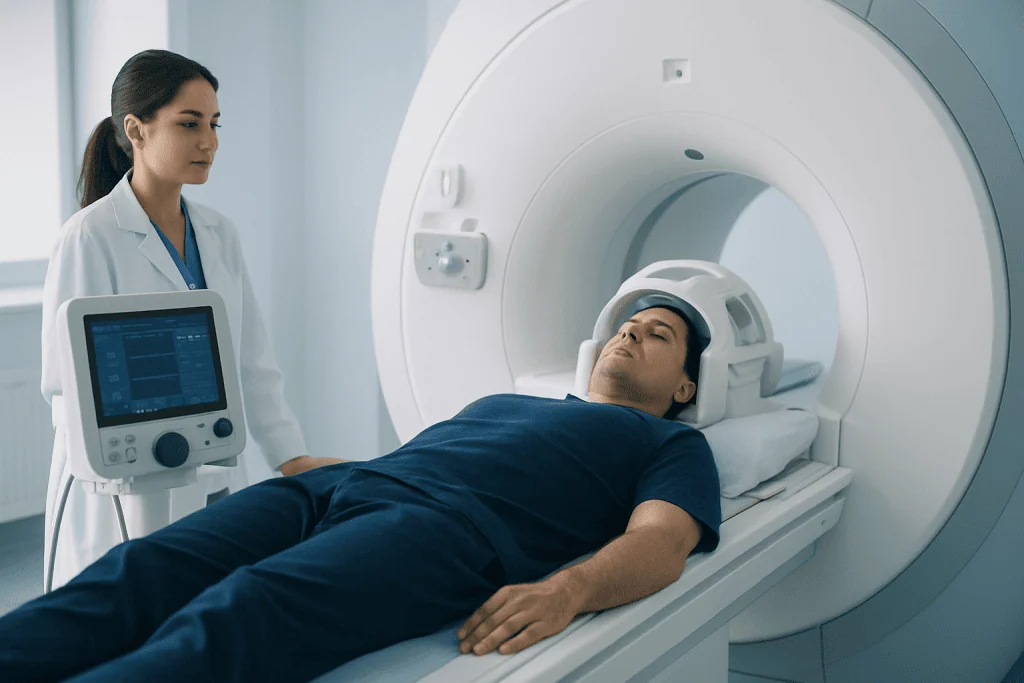
MRI is one of the most important tests. MRI of the spine can show areas of inflammation within the spinal cord, how long a segment is involved, and whether there is swelling or contrast enhancement. Brain MRI may also be recommended to look for additional clues pointing to a specific inflammatory or demyelinating disorder. MRI findings do not always identify the exact virus, but they are central to diagnosis and treatment planning.
Doctors often recommend a lumbar puncture to analyze cerebrospinal fluid. This can show inflammation, increased white blood cells, changes in protein, and sometimes evidence of a specific infection through molecular testing or antibody studies. Blood tests may look for infections, immune markers, vitamin deficiencies, and other causes of myelopathy. In some cases, nerve tests or additional imaging are needed to rule out conditions that can mimic myelitis.
MRI Findings and What They Mean
MRI findings in viral myelitis can vary, but they usually show abnormal signal within the spinal cord where inflammation is present. Radiologists look at the location, length, and pattern of the lesion. Some cases involve a short segment, while others affect a longer stretch of the cord. The affected area may enhance after contrast, suggesting active inflammation, and there may be swelling if the process is more intense.
These imaging patterns help doctors narrow the diagnosis, but they are interpreted together with symptoms and laboratory results. For example, long segments of inflammation may raise concern for broader inflammatory disorders, while certain gray matter patterns can be seen with some viral causes. MRI is also useful for excluding pressure on the spinal cord, which can cause similar symptoms but needs a very different treatment approach.
Follow-up MRI may be used to monitor recovery or to reassess the diagnosis if symptoms change. Improvement on imaging does not always happen at the same speed as symptom recovery, and some MRI abnormalities can persist after the acute illness. The scan is one part of the overall picture, rather than the only measure of progress.
Treatment Options and Recovery
Treatment depends on the suspected cause, the severity of symptoms, and how quickly they are progressing. In many cases, people are admitted to the hospital for monitoring, testing, and early treatment. If a treatable viral infection is suspected, doctors may use antiviral therapy in selected situations, especially for infections such as herpes viruses. Because inflammation itself can damage the spinal cord, treatment may also include therapies aimed at reducing immune-related injury.
High-dose corticosteroids are commonly used in acute myelitis to reduce inflammation, particularly when an immune-mediated process is possible. If the response is incomplete or symptoms are severe, doctors may consider plasmapheresis or intravenous immunoglobulin in selected patients. Supportive care is equally important and may include pain control, prevention of blood clots, bladder management, bowel care, and close observation of breathing or swallowing if the upper spinal cord is involved.
Rehabilitation is a major part of recovery. physical therapy and rehabilitation can help improve strength, balance, mobility, and daily function. Occupational therapy may support hand use and self-care skills, while speech or respiratory therapy may be needed in more complex cases. Recovery is different for each person: some improve substantially over weeks to months, while others have lingering weakness, numbness, spasticity, fatigue, or bladder symptoms that need long-term management.
Near the end of the care pathway, some patients and families seek coordinated evaluation in specialized centers. Acibadem International’s multidisciplinary specialists and JCI-accredited hospitals diagnose and treat neurological conditions, including complex spinal cord inflammation, for international patients when advanced assessment is needed.
Prevention, Self-Care, and Living With Symptoms
There is no single way to prevent all cases of viral myelitis, because many different viruses can be involved. Still, practical steps may lower risk. These include keeping recommended vaccinations up to date, practicing good hand hygiene, avoiding close contact when acutely ill, and reducing mosquito exposure in areas where mosquito-borne infections occur. People with weakened immune systems should follow their doctor’s advice on infection prevention and seek care early for concerning symptoms.
After diagnosis, self-care focuses on protecting function and preventing complications. People may need a bladder and bowel routine, careful skin care if mobility is limited, and strategies to reduce falls. Regular movement within safe limits, guided therapy exercises, hydration, and balanced nutrition can support overall recovery. It is also helpful to keep a record of symptoms, mobility changes, and urinary problems to discuss at follow-up visits.
Living with recovery from myelitis can be physically and emotionally demanding. Fatigue, uncertainty, and changes in independence are common concerns. Support from rehabilitation teams, neurologists, primary care doctors, and mental health professionals can make recovery more manageable. Clear follow-up is important, especially if symptoms return or new neurological problems appear.
When to See a Doctor
Anyone with new weakness, numbness, difficulty walking, or bladder changes should seek medical attention promptly, especially if symptoms develop over hours or days. Spinal cord inflammation is not the only possible cause, but it is one of the important conditions doctors need to identify quickly. Earlier evaluation improves the chance of finding a treatable cause and reducing complications.
Emergency care is especially important if weakness is rapidly progressing, if a person cannot pass urine, if numbness is rising upward, or if breathing feels difficult. These symptoms can signal significant spinal cord involvement. Fever, severe headache, rash, confusion, or immune suppression are also important details to mention because they may help guide testing for infection.
Even after treatment starts, medical follow-up matters. A doctor may repeat neurological examinations, monitor bladder function, adjust rehabilitation plans, and review test results that return later. Any worsening after initial improvement should be reported without delay.
Frequently asked questions
Is viral myelitis the same as transverse myelitis?
Not exactly. Transverse myelitis describes a pattern of spinal cord inflammation, while viral myelitis refers to myelitis linked to a viral infection. A person with viral myelitis may have a transverse pattern on examination or MRI, but the terms are not completely interchangeable.
Can viral myelitis start suddenly?
Yes. Symptoms may begin suddenly or develop over several days, depending on the cause and the degree of inflammation. Sudden weakness, numbness, or urinary difficulty should be assessed urgently.
What does MRI show in viral myelitis?
MRI often shows areas of inflammation inside the spinal cord. The scan helps doctors see where the cord is affected, how much of it is involved, and whether there are features suggesting active inflammation or another cause such as compression.
Can people recover from viral myelitis?
Many people improve, but recovery can vary widely. Some recover well with treatment and rehabilitation, while others have lasting symptoms such as weakness, stiffness, numbness, pain, or bladder problems. Early treatment and rehabilitation can support the best possible functional outcome.
How is viral myelitis treated?
Treatment depends on the likely cause and severity. Doctors may use antivirals in selected infections, corticosteroids to reduce inflammation, and sometimes additional immune therapies if symptoms are severe or not improving. Rehabilitation and supportive care are also key parts of treatment.
Is viral myelitis contagious?
The spinal cord inflammation itself is not contagious. However, the virus linked to it may be contagious, depending on which virus is involved. A doctor can advise on precautions if an active infection is suspected.
References
- World Health Organization
- National Institute of Neurological Disorders and Stroke
- Centers for Disease Control and Prevention
- American Academy of Neurology
- Johns Hopkins Medicine
This article is for general information only and is not a substitute for professional medical advice. Please consult a qualified doctor about your individual situation.
Persistent digestive symptoms? Get evaluated in Turkey
JCI-accredited · board-certified surgeons · reply within 24h
Add us as a Preferred Source to see more of our trusted health content across Google Search, AI Overviews and Discover.