Vital Signs: An Evidence-Based Guide for Patients

Vital signs usually include body temperature, pulse, breathing rate, blood pressure, and often oxygen saturation. A single reading may vary with age, activity, stress, pain, medications, and measurement technique.
Key Takeaways
- Vital signs usually include body temperature, pulse, breathing rate, blood pressure, and often oxygen saturation.
- A single reading may vary with age, activity, stress, pain, medications, and measurement technique.
- Trends over time are often more useful than one isolated number.
- Abnormal vital signs can signal anything from dehydration and infection to heart or lung problems.
- Correct measurement at home improves accuracy and helps guide conversations with a doctor.
Vital signs are key body measurements that help show how well basic functions like circulation, breathing, and temperature control are working. They do not diagnose a condition on their own, but they give important clues that help patients and clinicians recognize health changes early.
Overview: what vital signs are
Vital signs are basic measurements that reflect the body’s most essential functions. In most healthcare settings, they include body temperature, heart rate (pulse), respiratory rate, and blood pressure. Many clinicians also consider oxygen saturation, measured with a pulse oximeter, part of a routine vital sign check because it helps show how well oxygen is reaching the blood.
These measurements are useful because they can change early when the body is under stress. Infection, pain, dehydration, anxiety, blood loss, heart disease, lung disease, and many medicines can affect one or more vital signs. This is why doctors do not look at a number in isolation; they interpret it together with symptoms, medical history, examination findings, and sometimes lab tests or imaging.
For patients, vital signs can be a practical way to understand day-to-day health. Someone monitoring high blood pressure, a fever, or low oxygen levels at home may notice patterns that support timely medical advice. At the same time, normal ranges are not identical for every person, and some variation is expected depending on age, fitness level, pregnancy, activity, and the situation in which the measurement is taken.
The main vital signs and what they show
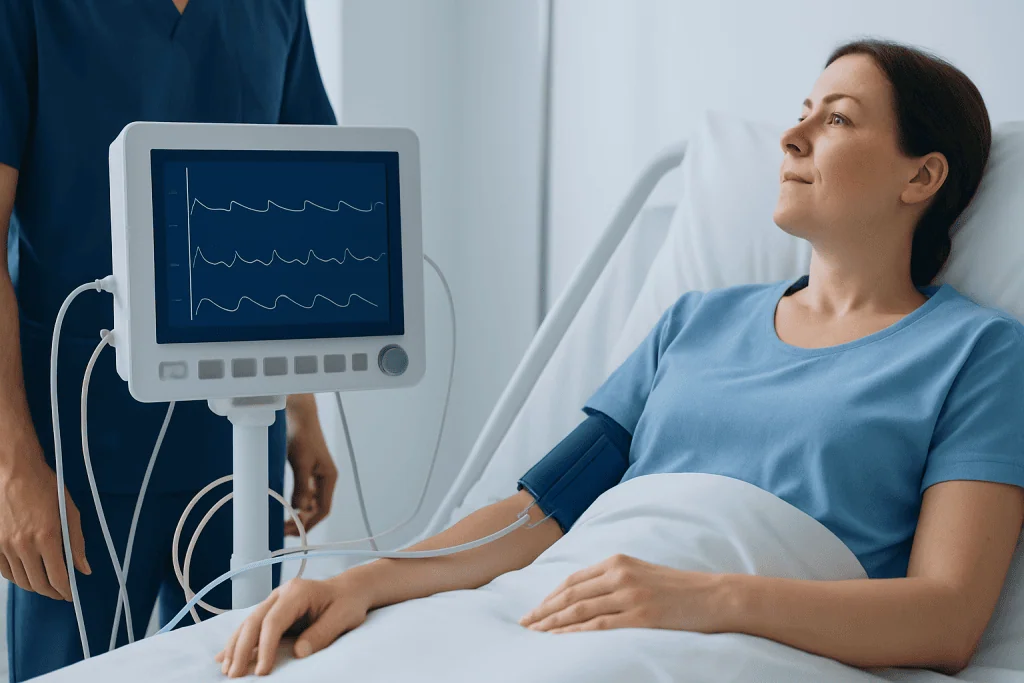
Each vital sign reflects a different body function. Body temperature helps show how the body regulates heat and can rise with infection, inflammation, or overheating. Heart rate measures how many times the heart beats each minute, while respiratory rate counts breaths per minute. Blood pressure reflects the force of blood against artery walls as the heart pumps and relaxes. Oxygen saturation estimates how much oxygen the blood is carrying.
These measurements work best when read together. For example, fever with a fast pulse and faster breathing may suggest infection or dehydration. Low blood pressure with a rapid heart rate can happen when the body is trying to compensate for fluid loss. Low oxygen saturation may point toward a respiratory problem and may need further assessment, especially if the person is also short of breath. In some cases, symptoms such as chest discomfort may prompt evaluation for heart attack.
Vital signs can also be normal even when a person feels unwell, especially early in an illness. Likewise, a reading can be temporarily abnormal for a harmless reason, such as exercise, caffeine, stress, or a poorly fitting blood pressure cuff. This is one reason repeat measurements and proper technique matter.
- Temperature: shows heat regulation and may rise with infection or inflammation.
- Pulse: reflects heart rate and rhythm.
- Respiratory rate: indicates breathing effort and control.
- Blood pressure: helps assess circulation and cardiovascular strain.
- Oxygen saturation: helps estimate how well oxygen is being delivered in the blood.
Normal ranges and why they can vary

There is no single “perfect” vital sign value for every person. Normal ranges differ by age, body size, overall health, physical conditioning, and even the time of day. Children often have faster heart and breathing rates than adults. Athletes may have a lower resting pulse. Older adults may not develop a high fever even with a significant infection.
Context also matters. A person who has just climbed stairs, drunk coffee, or felt anxious in a clinic may have a higher heart rate or blood pressure than usual. Pain, pregnancy, dehydration, certain hormone conditions, and many prescription or over-the-counter medicines can influence readings too. Home measurements may differ from clinic values, especially for blood pressure, which is why many doctors encourage tracking readings under similar conditions.
Because of this natural variation, healthcare professionals often focus on patterns. A blood pressure reading that is repeatedly elevated is generally more meaningful than one high result during a stressful day. The same is true for a persistent fever, a steadily rising resting pulse, or oxygen levels that are consistently lower than normal for that person. If blood pressure remains high over time, a doctor may evaluate for hypertension.
What can cause abnormal vital signs
Abnormal vital signs are not a diagnosis by themselves. They are clues that the body may be responding to illness, injury, environmental conditions, or emotional stress. Fever may be linked to viral or bacterial infections, inflammatory conditions, heat exposure, or reactions to some medications. A low temperature can occur with cold exposure, serious infection in vulnerable people, or problems with temperature regulation.
A fast heart rate can happen with exercise, anxiety, pain, fever, anemia, dehydration, thyroid problems, or heart rhythm disorders. A slow heart rate may be normal in some fit adults, but in other cases it can be related to medications, electrical conduction issues in the heart, or metabolic disorders. Breathing rate may rise with fever, lung disease, asthma, panic, metabolic imbalance, or low oxygen. Blood pressure may be high because of chronic vascular strain, kidney disease, stress, pain, sleep disorders, or stimulants, and low because of dehydration, blood loss, infection, or medication effects.
Some conditions require prompt assessment if symptoms are severe or sudden. For example, chest pain, fainting, new confusion, or marked breathlessness together with abnormal vital signs should not be ignored. Depending on the situation, doctors may use tests such as a cardiology check-up or a general medical check-up to look for the underlying cause.
How vital signs are measured accurately
Accurate technique is essential, especially at home. For blood pressure, the person should usually be seated and rested for several minutes, with feet on the floor and the arm supported at heart level. A cuff that is too small or too large can lead to unreliable readings. It also helps to avoid smoking, caffeine, and exercise for a short period before measuring, unless a doctor has given different instructions.
Pulse can be measured manually at the wrist or neck or by a wearable device, though manual checks can still be useful if a smartwatch gives an unusual reading. Respiratory rate is best counted while the person is resting quietly, since talking or moving changes the result. Temperature should be measured with a reliable thermometer and according to the device instructions. Oxygen saturation devices can be less dependable if the finger is cold, moving, poorly positioned, or has dark nail polish covering the sensor area.
Keeping a simple log can be helpful. Recording the date, time, symptoms, activity level, and any medicines taken around the measurement gives a doctor better information than a single isolated number. This is particularly useful for people with chronic conditions, pregnancy, recovery after illness, or concerns about repeated high or low readings.
How doctors use vital signs in diagnosis and treatment
Vital signs are often the starting point of a medical assessment, not the end point. Doctors use them to decide how urgently a person needs care, whether more tests are needed, and how the body is responding to treatment. In the emergency department, abnormal vital signs may signal the need for rapid monitoring. In primary care, they help identify long-term issues such as repeated high blood pressure or low oxygen levels in someone with lung disease.
When vital signs are persistently abnormal, doctors may order blood tests, urine tests, electrocardiography, chest imaging, or other studies to find the reason. Treatment depends on the cause. It may involve fluids, antibiotics, medication review, management of lung or heart conditions, or lifestyle measures such as sleep improvement, lower sodium intake, exercise, and weight management. If blood pressure concerns need confirmation or follow-up, structured blood pressure monitoring may be recommended.
Care is individualized. An athlete with a low resting pulse may need no treatment at all, while the same number in a person with dizziness might need urgent evaluation. Near the end of the care pathway, patients who need specialist input may be assessed by multidisciplinary teams; Acibadem International’s JCI-accredited hospitals diagnose and treat a wide range of conditions for international patients.
Prevention, self-care, and when to seek medical care
Healthy habits support healthy vital signs, even though they cannot prevent every illness. Regular physical activity, balanced nutrition, adequate fluids, good sleep, stress management, and avoiding tobacco all help the heart, blood vessels, lungs, and overall metabolism. For people with chronic illnesses, taking medicines as prescribed and attending follow-up visits are important parts of prevention.
Home monitoring can be valuable when it has a clear purpose and reliable technique. It is especially useful for people with known high blood pressure, recent infection, chronic lung disease, or a doctor’s advice to monitor recovery. However, repeated checking without guidance can sometimes increase anxiety and lead to unnecessary concern over small normal fluctuations.
Medical care should be sought promptly for warning signs such as chest pain, severe shortness of breath, blue lips, fainting, seizures, sudden confusion, a very low oxygen reading, or a high fever with serious weakness or dehydration. A doctor should also be consulted if blood pressure is repeatedly high or low, pulse is persistently very fast or unusually slow, breathing remains abnormal at rest, or symptoms simply do not improve. Patients with long-standing blood pressure concerns may ultimately need treatment planning after evaluation for underlying cardiovascular risk.
Frequently asked questions
What are the five main vital signs?
The main vital signs are body temperature, heart rate, respiratory rate, blood pressure, and oxygen saturation. Some settings focus on the first four, while many modern clinics also routinely include oxygen saturation.
Can one abnormal vital sign reading mean something serious?
Sometimes, but not always. A single abnormal number may be caused by stress, activity, pain, or measurement error, so doctors usually look at symptoms, repeat readings, and overall trends before drawing conclusions.
How often should a person check vital signs at home?
That depends on the reason for monitoring. Many people do not need routine checks, while others with high blood pressure, lung disease, recent illness, or a doctor’s recommendation may benefit from scheduled monitoring.
Why is blood pressure sometimes higher at the doctor’s office?
Some people experience a temporary rise in blood pressure during medical visits because of stress or anxiety. This is often called a white-coat effect, which is one reason home readings can be helpful when measured properly.
What affects oxygen saturation readings on a fingertip device?
Cold hands, motion, poor circulation, incorrect placement, and some nail products can affect the reading. A pulse oximeter is a useful screening tool, but it does not replace a full medical assessment when symptoms are concerning.
Are normal vital signs the same for children and adults?
No. Children often have different normal ranges, especially for pulse and breathing rate, which are usually faster than in adults. Age-specific interpretation is important, so pediatric readings should be assessed in the right context.
This article is for general information only and is not a substitute for professional medical advice. Please consult a qualified doctor about your individual situation.
Explore treatments in Turkey — costs, top hospitals & a free quote
JCI-accredited · board-certified surgeons · reply within 24h
Add us as a Preferred Source to see more of our trusted health content across Google Search, AI Overviews and Discover.
Check your numbers in seconds
BMI, calories, due date, blood pressure and 30+ more clinical calculators — free, instant, doctor-reviewed ranges.

More from the Health Library

Interpersonal Conflict: What Patients Need to Know

Ears Bleeding: A Complete Medical Overview

Diphenoxylate Atropine: What Patients Need to Know

Organic Green Tea: An Evidence-Based Guide for Patients

A Lp a — Explained by Medical Evidence, Not Myths