Vitamin B7: Evidence-Based Benefits, Risks, and Practical Guidance

Vitamin B7 is another name for biotin, a water-soluble B vitamin involved in energy metabolism. True biotin deficiency is uncommon, so routine supplementation is not necessary for most healthy adults.
Key Takeaways
- Vitamin B7 is another name for biotin, a water-soluble B vitamin involved in energy metabolism.
- True biotin deficiency is uncommon, so routine supplementation is not necessary for most healthy adults.
- Evidence is strongest for treating documented deficiency, not for broadly improving hair, skin, or nails in people with normal levels.
- High-dose biotin can interfere with some laboratory test results, including certain thyroid and cardiac tests.
- People who are pregnant, taking long-term medications, or managing chronic illness should discuss supplements with a clinician.
Vitamin B7, also called biotin, helps the body convert food into energy and supports normal skin, hair, nail, and nervous system function. Most people get enough from food, and current evidence supports supplementation mainly for people with true deficiency or specific medical situations.
Overview: what vitamin B7 is and what it actually does
Vitamin B7 is the common name for biotin, a water-soluble B vitamin that the body uses in several enzyme reactions. Its main role is to help convert carbohydrates, fats, and proteins into usable energy. It also supports normal function of the skin, nervous system, and other tissues that rely on healthy cell growth and metabolism.
Because biotin is found in many foods and the body needs only small amounts, deficiency is rare in the general population. For that reason, the most evidence-based answer to whether vitamin B7 supplements are helpful is fairly simple: they are useful when a person is deficient, but clear benefits are less certain for people who already get enough biotin through diet.
Biotin is often marketed for stronger hair or nails, yet scientific support is more limited than advertising may suggest. Some people with brittle nails or specific deficiency-related symptoms may improve with treatment, but biotin is not a proven cure-all for hair shedding, skin complaints, or low energy when deficiency has not been confirmed.
Potential benefits: where evidence is strongest and where it is limited

The clearest medical use of vitamin B7 is the treatment of biotin deficiency. When deficiency is present, replacing biotin can help improve symptoms such as hair thinning, skin rash, and neurologic changes. In infants with rare inherited disorders that affect biotin metabolism, prompt medical treatment is especially important.
Evidence for biotin supplements in otherwise healthy people is much less consistent. Claims about faster hair growth, thicker hair, clearer skin, or better energy often go beyond what clinical studies can reliably confirm. Hair and nail changes can have many causes, including iron deficiency, thyroid disease, stress, hormonal changes, or underlying skin conditions such as alopecia areata.
For brittle nails, small studies have suggested possible improvement in some people, but the overall evidence remains limited. If hair loss, nail breakage, or skin symptoms are new, severe, or persistent, a medical evaluation is often more useful than starting a supplement without guidance.
Biotin is also sometimes discussed in neurologic or metabolic conditions, but this should not be viewed as standard self-care. Special therapeutic use belongs under specialist supervision and should not replace routine diagnosis or established treatment plans.
Food sources, daily intake, and who may be at risk of low levels
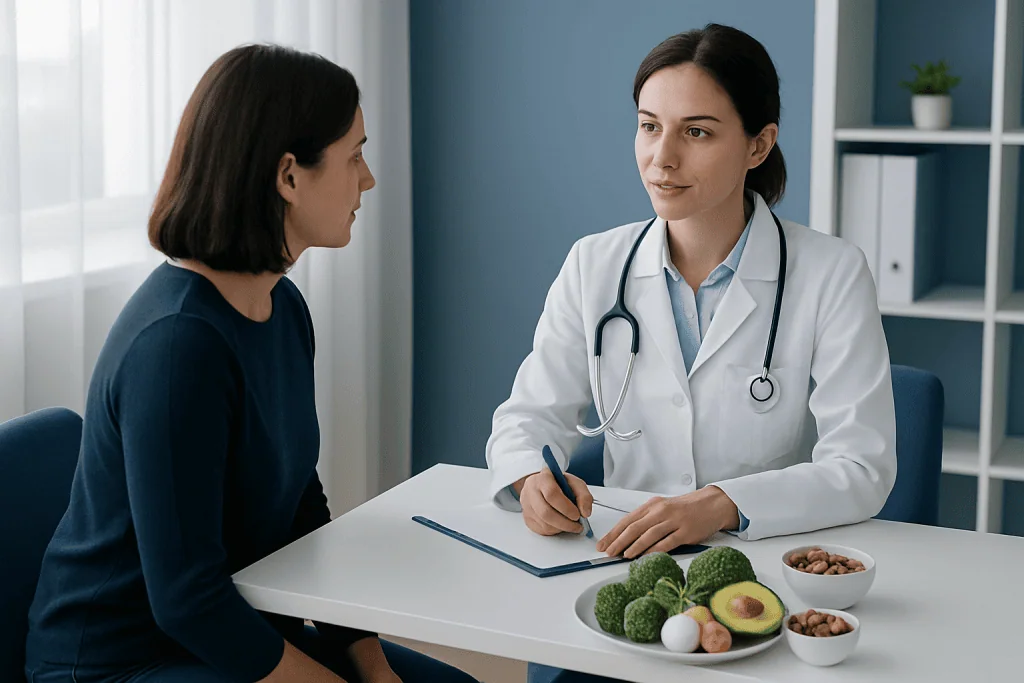
Most people can meet their biotin needs through a balanced diet. Foods that naturally contain biotin include eggs, fish, meat, organ meats, nuts, seeds, legumes, dairy products, and some whole grains. Small amounts are also present in many other foods, so intake is usually spread across the diet rather than coming from one single source.
Biotin deficiency is uncommon, but it can happen. Risk may be higher in people with certain inherited metabolic disorders, prolonged poor nutrition, significant malabsorption, long-term tube feeding without adequate supplementation, or chronic alcohol misuse. Some medications, especially long-term anticonvulsant use, may also affect biotin status.
Pregnancy can increase nutritional demands, and mild reductions in biotin status have been described during pregnancy. However, this does not mean that everyone who is pregnant needs extra supplementation beyond routine prenatal guidance. A clinician can advise on the safest approach based on diet, symptoms, and overall health.
Eating raw egg whites in large amounts over time can also contribute to deficiency because a protein in raw egg white binds biotin and reduces its absorption. Normal cooking reduces this effect.
Signs of deficiency and how doctors evaluate it
When biotin deficiency occurs, symptoms can involve the skin, hair, and nervous system. Possible features include hair thinning or hair loss, a scaly red rash around the eyes, nose, or mouth, brittle nails, fatigue, tingling, mood changes, or problems with coordination. In infants and children with rare metabolic conditions, symptoms may be more serious and require urgent specialist care.
These symptoms are not specific to biotin deficiency. Similar complaints can be caused by iron deficiency, thyroid disorders, poor diet, eczema, fungal skin conditions, medication effects, and many other medical problems. That is why self-diagnosis is often unreliable.
Doctors usually assess symptoms, diet, medical history, medications, and any underlying conditions that may affect absorption or metabolism. In some cases, blood tests or other investigations may be used to look for more common explanations, such as thyroid-related test abnormalities or nutritional deficiencies. If hair or scalp symptoms are prominent, dermatologic evaluation may be appropriate, and some patients may benefit from specialist assessment for hair loss concerns when medically suitable.
Supplements, safety, and important interactions
For most healthy adults, vitamin B7 supplements are generally considered safe when used appropriately, but more is not necessarily better. Because biotin is water-soluble, the body does not store large amounts in the same way as some fat-soluble vitamins. Even so, unnecessary high-dose supplementation can create practical medical problems, especially by interfering with lab tests.
This laboratory interference is one of the most important safety concerns. High-dose biotin can affect certain blood test methods and lead to falsely high or falsely low results. This is especially relevant for some thyroid tests, hormone tests, and cardiac markers such as troponin, which may be used during evaluation of chest pain or suspected heart attack.
Anyone taking biotin supplements should tell their doctor, nurse, and laboratory team before blood tests. Depending on the test and the dose used, the clinician may advise stopping biotin for a period before testing. People under evaluation for endocrine concerns may need careful interpretation of results and, in some cases, specialist thyroid care if a separate thyroid disorder is confirmed.
Other side effects from biotin are usually mild or uncommon, but reactions can vary. A supplement may also contain other ingredients, so label review matters. It is safest to choose products carefully and avoid combining multiple hair, skin, and nail formulas without professional advice.
Who should be cautious or avoid self-prescribing vitamin B7
Not everyone should start biotin on their own. People who are pregnant or breastfeeding, taking seizure medications, living with chronic liver or kidney disease, or undergoing active evaluation for hormone, cardiac, or metabolic problems should speak with a clinician first. The same is true for anyone preparing for surgery or repeated lab testing.
People with unexplained hair loss should be especially careful about assuming a vitamin deficiency. Hair shedding may reflect anemia, autoimmune disease, thyroid dysfunction, nutritional deficiency, medication effects, or scalp disease rather than low biotin alone. In some situations, focused treatment such as dermatology evaluation is more appropriate than supplements.
Children should not receive high-dose supplements unless directed by a qualified clinician. Individuals with rare inherited disorders of biotin metabolism need tailored medical management, not over-the-counter self-treatment. In general, supplements are best used to address a defined need rather than as a blanket solution for vague symptoms.
Practical guidance and when to seek medical care
A practical approach to vitamin B7 begins with diet and symptom review. If a person feels well, eats a varied diet, and has no signs of deficiency, routine biotin supplementation is usually unnecessary. If symptoms such as persistent hair loss, brittle nails, rash, numbness, or fatigue develop, it is reasonable to seek medical advice before starting supplements, because these problems can have many causes.
Medical care should be sought sooner if symptoms are significant, rapidly worsening, or accompanied by neurologic changes, chest pain, fainting, or severe weakness. Care is also important if someone is pregnant, has a child with suspected deficiency, or is taking supplements before important blood tests. A clinician can help decide whether symptoms suggest nutritional deficiency, a skin disorder, a hormonal issue, or another condition that needs treatment.
For international patients who need multidisciplinary assessment, Acibadem International’s JCI-accredited hospitals provide diagnosis and treatment across nutrition, dermatology, endocrinology, and related specialties. The goal is to identify the real cause of symptoms and guide evidence-based care rather than relying on supplements alone.
Frequently asked questions
Is vitamin B7 the same as biotin?
Yes. Vitamin B7 and biotin are two names for the same water-soluble B vitamin. It helps enzymes process carbohydrates, fats, and proteins.
Does vitamin B7 help hair growth?
It can help if a person truly has biotin deficiency, which may contribute to hair thinning. In people with normal biotin status, strong evidence for routine hair growth benefits is limited, so persistent hair loss should be medically assessed.
What foods contain vitamin B7?
Biotin is found in foods such as eggs, fish, meat, nuts, seeds, legumes, dairy products, and some whole grains. Most people get enough through a varied diet without needing supplements.
Can vitamin B7 supplements cause side effects?
Side effects are usually mild or uncommon, but supplements are not risk-free. The most important concern is that high-dose biotin can interfere with certain lab tests and lead to misleading results.
Who is more likely to have biotin deficiency?
People with certain inherited metabolic disorders, malabsorption, prolonged poor nutrition, chronic alcohol misuse, or long-term use of some medications may be at higher risk. Pregnancy may also affect biotin status, which is why professional guidance is helpful.
Should biotin be stopped before blood tests?
It may need to be, depending on the dose and the test being performed. Anyone taking biotin should inform their healthcare team before blood work so the results can be interpreted correctly.
References
- National Institutes of Health Office of Dietary Supplements
- U.S. Food and Drug Administration
- MedlinePlus
- Merck Manual Professional Edition
- World Health Organization
This article is for general information only and is not a substitute for professional medical advice. Please consult a qualified doctor about your individual situation.
Hair transplant in Turkey — costs, graft counts & a free assessment
JCI-accredited · board-certified surgeons · reply within 24h