Vng Test: A Complete Medical Overview
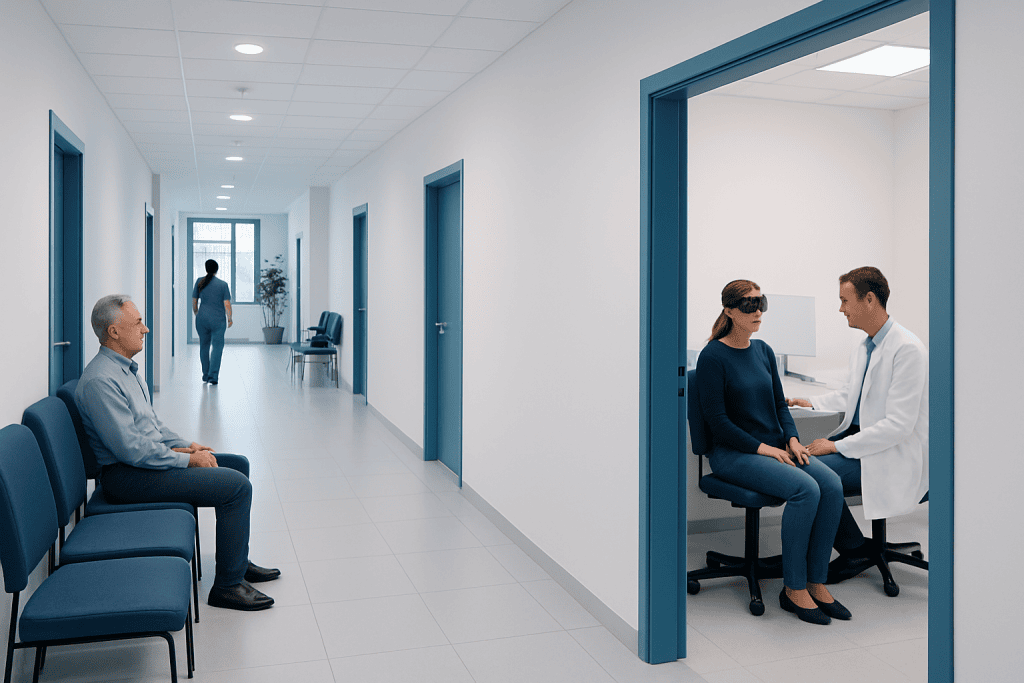
A vng test measures eye movements to assess the vestibular, or balance, system. It can help doctors evaluate vertigo, dizziness, imbalance, and unusual involuntary eye movements.
Key Takeaways
- A vng test measures eye movements to assess the vestibular, or balance, system.
- It can help doctors evaluate vertigo, dizziness, imbalance, and unusual involuntary eye movements.
- The test usually includes tracking visual targets, changing head or body position, and warm or cool air or water stimulation in the ears.
- Results do not diagnose every cause of dizziness on their own and are interpreted alongside symptoms, examination, and sometimes imaging or hearing tests.
- Preparation matters; certain medicines, alcohol, caffeine, and heavy meals may need to be avoided before testing.
A vng test is a balance assessment that records eye movements to help identify whether dizziness or vertigo may be linked to the inner ear or the brain’s balance pathways. It is noninvasive, commonly performed in outpatient settings, and often used as part of a broader evaluation rather than as a standalone diagnosis.
Overview: what a VNG test is
A vng test, short for videonystagmography, is a medical test used to evaluate dizziness, vertigo, and balance problems by recording eye movements. The reason eye movements are so important is that the inner ear balance organs and the brain are closely connected to the muscles that move the eyes. When that system is not working normally, the eyes may make patterns of movement that help doctors understand where the problem may be coming from.
Unlike a routine vision test, a VNG test is not mainly about eyesight. It is designed to assess the vestibular system, which includes parts of the inner ear and the brain pathways that help a person stay oriented, steady, and coordinated. During the test, special goggles with cameras are used to track eye movement while the patient follows visual targets, changes position, or has each ear gently stimulated.
A VNG test does not treat dizziness, and it does not by itself give every answer. Instead, it provides useful clues that are combined with a medical history, physical examination, hearing tests, and sometimes imaging studies. In this way, it helps doctors narrow down whether symptoms are more likely related to an inner ear disorder, a neurological issue, or another cause.
Why doctors order a VNG test
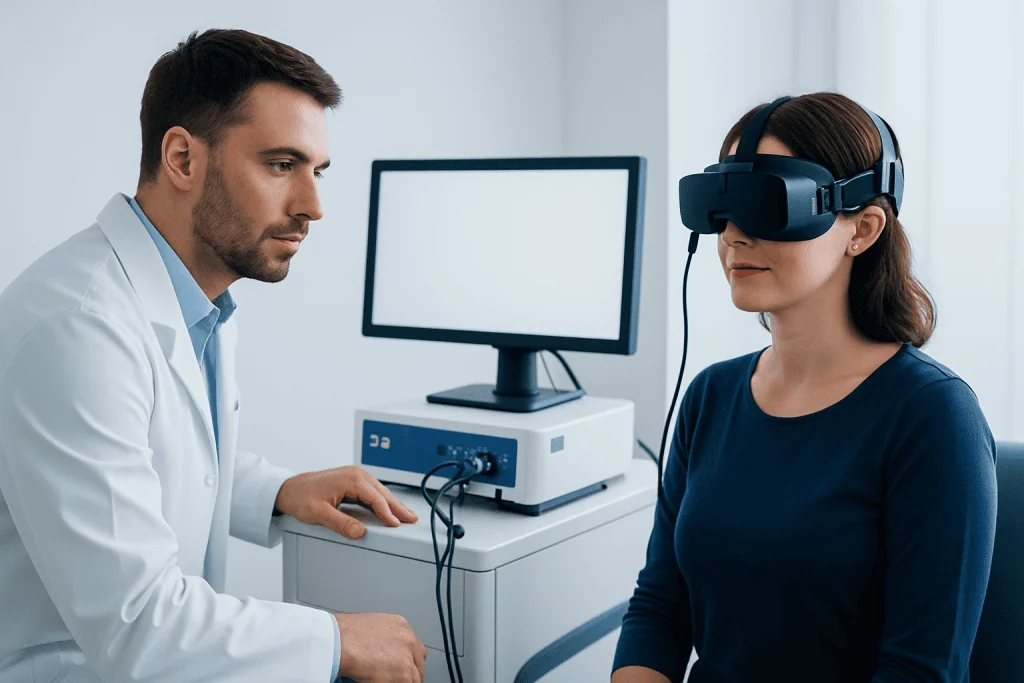
Doctors may recommend a VNG test when a person has repeated or unexplained episodes of dizziness, spinning sensations, poor balance, motion sensitivity, or falls. It may also be used when symptoms are brief but recurring, such as dizziness triggered by head movement, or when symptoms are persistent and interfere with daily activities.
The test is especially helpful when the history suggests a vestibular problem. Examples include suspected vertigo, inner ear inflammation, reduced function in one inner ear, or other conditions that affect balance pathways. In some cases, hearing changes, nausea, a sense of ear fullness, or ringing in the ears may make vestibular testing even more relevant.
VNG can also support the assessment of involuntary eye movements called nystagmus, which may occur with vestibular disorders or some neurological conditions. Doctors may order it together with hearing evaluation, neurological assessment, or imaging, depending on the person’s symptoms and examination findings.
- Recurrent vertigo or spinning sensations
- Unexplained dizziness or lightheadedness
- Unsteadiness when walking
- Falls or fear of falling
- Symptoms triggered by turning in bed or moving the head
- Balance symptoms after an ear infection or head injury
How the test works and what happens during it
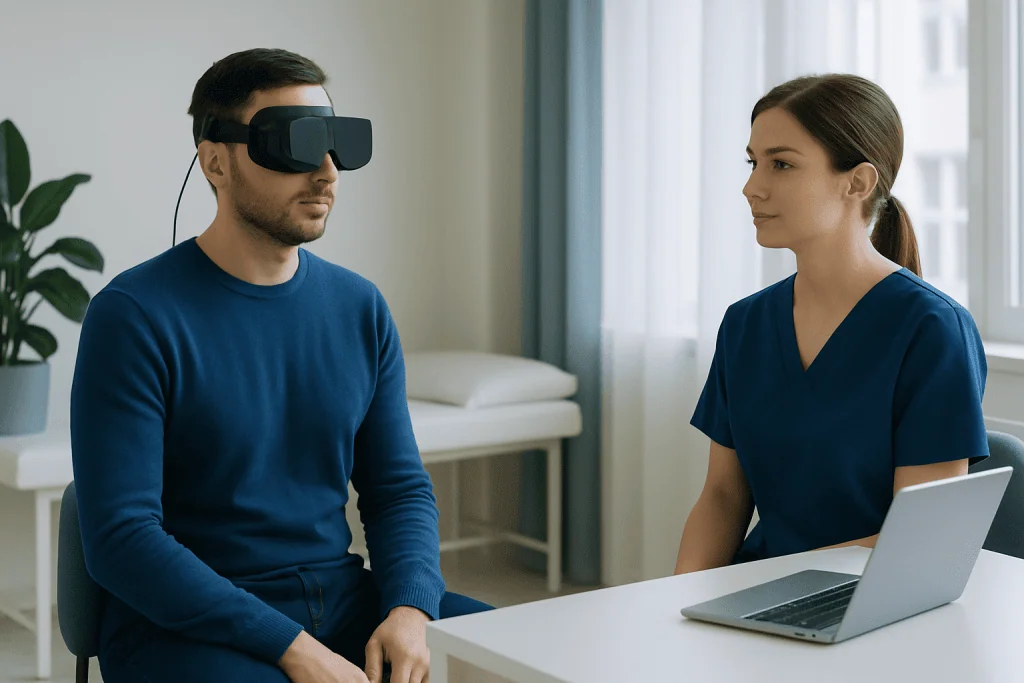
A VNG test usually takes place in an outpatient clinic or specialized balance laboratory. The patient wears lightweight goggles that record eye movements with infrared cameras. Because these cameras can detect very small movements, they allow clinicians to study how the eyes respond under different conditions.
The evaluation commonly includes several parts. In one part, the patient follows lights or moving targets with the eyes. In another, the patient changes head or body position to see whether symptoms or abnormal eye movements appear. A third part, called caloric testing, gently stimulates each ear separately with warm and cool air or water. This creates a temporary signal in the inner ear and helps compare the function of the right and left balance organs.
Some people feel dizzy or briefly nauseated during portions of the test, especially during caloric stimulation, but the sensation usually passes quickly. Although VNG may feel uncomfortable for a short time, it is generally considered safe and noninvasive. If a fuller assessment is needed, doctors may combine it with hearing and balance tests or other vestibular studies.
How to prepare for a VNG test
Preparation instructions can vary between clinics, so the most important step is to follow the specific guidance given by the testing team. In general, patients may be asked to avoid alcohol for about a day before the test and to limit caffeine, nicotine, or heavy meals for several hours beforehand. These factors can affect the balance system or make nausea more likely.
Certain medicines may also interfere with results, especially drugs that suppress dizziness or affect the nervous system. However, medicines should never be stopped without medical advice. Patients should ask the ordering doctor or testing center whether any prescription or over-the-counter medication needs special handling before the appointment.
It is also sensible to wear comfortable clothing and avoid eye makeup or facial products around the eyes if requested, since goggles need a good fit. Because some people feel briefly off-balance after the test, arranging transportation home may be helpful, especially if the person is sensitive to vertigo or has had severe symptoms recently.
What the results may show
VNG results can indicate whether one inner ear is weaker than the other, whether certain movements trigger abnormal eye responses, or whether patterns suggest a central, meaning brain-related, cause rather than a peripheral inner ear cause. This distinction is useful because dizziness can arise from many different systems, and treatment depends on identifying the most likely source.
For example, some result patterns support disorders involving the inner ear balance organs, while others may prompt a doctor to look more closely at neurological causes. A normal VNG does not always mean that symptoms are not real or significant. Some balance disorders are intermittent, some are diagnosed mainly from the history, and some may require different tests to be detected.
Because interpretation is specialized, results are best reviewed in the full clinical context. A doctor may recommend additional assessment such as brain MRI if neurological symptoms are present, or referral to an ear, nose, and throat specialist or neurologist. In certain cases, the next step may involve vestibular rehabilitation, repositioning maneuvers, medication review, or treatment of an underlying ear condition.
Limits of the test and related conditions
Although a VNG test is useful, it has limits. It does not diagnose every cause of dizziness, and it is not the main test for all vestibular conditions. Some disorders are identified more clearly through bedside positional testing, hearing tests, imaging, blood work, cardiovascular evaluation, or careful review of migraine symptoms and medication effects.
For example, a common cause of positional vertigo may be evaluated alongside bedside maneuvers and clinical history, while some patients with suspected Ménière’s disease may also need detailed hearing assessment over time. In others, dizziness may relate to migraine, low blood pressure, anxiety, medication side effects, or neurological disease rather than a primary inner ear problem.
VNG can still be a valuable piece of the puzzle because it provides objective information about eye movement responses. When symptoms are complex, a multidisciplinary approach may be helpful. Near the end of a diagnostic pathway, some patients may be assessed in centers where ENT, neurology, radiology, and rehabilitation teams work together; Acibadem International’s multidisciplinary specialists and JCI-accredited hospitals provide diagnosis and treatment for international patients with balance-related conditions.
What happens after the test and treatment options
After a VNG test, many people can return to normal activities the same day, although some prefer to rest briefly if they feel dizzy. The most important next step is the follow-up discussion, because treatment is based on the cause of symptoms rather than the test itself. A doctor may explain whether the findings point toward an inner ear problem, a central nervous system issue, or the need for more investigation.
Treatment can range from simple positional maneuvers and vestibular rehabilitation exercises to medication changes, treatment of ear disease, or neurological evaluation. If there is concern about a structural problem or stroke-like symptoms, imaging or urgent assessment may be needed. Some patients benefit from a combination of therapies over time, especially if symptoms have affected confidence, walking, or daily routines.
Depending on the findings, further care may include ENT disease treatment or balance-focused rehabilitation. When hearing symptoms accompany dizziness, hearing evaluation can be an important part of planning care. Even when symptoms are longstanding, a structured assessment often helps clarify practical next steps.
When to seek medical care
Medical review is appropriate when dizziness, vertigo, or imbalance is recurring, lasts longer than expected, causes falls, or interferes with work, driving, or daily activities. A doctor should also assess symptoms that come with hearing loss, ringing in one ear, severe nausea, headaches, or recent head injury. These situations do not always indicate a serious problem, but they deserve professional evaluation.
Urgent medical care is important if dizziness is accompanied by chest pain, fainting, new weakness, facial drooping, trouble speaking, double vision, severe sudden headache, or difficulty walking that is new and pronounced. These symptoms can suggest conditions that need immediate attention rather than routine vestibular testing. If symptoms are severe or rapidly worsening, emergency assessment is the safest choice.
For nonurgent symptoms, keeping a symptom diary can help. Noting when dizziness happens, how long it lasts, what triggers it, and whether hearing or headache symptoms occur can make the consultation more informative and may help determine whether a VNG test is likely to be useful.
Frequently asked questions
What does a VNG test diagnose?
A VNG test does not usually diagnose a condition by itself. Instead, it helps doctors evaluate whether dizziness or balance symptoms may be linked to the inner ear or to central balance pathways in the brain. The final diagnosis is made by combining the test results with symptoms, examination findings, and sometimes other tests.
Is a VNG test painful?
A VNG test is generally not painful. Some parts, especially caloric stimulation, can briefly trigger dizziness, nausea, or discomfort, but these sensations usually pass quickly. Most people tolerate the test well.
How long does a VNG test take?
The full appointment often takes around 45 minutes to 90 minutes, depending on the clinic and the number of components performed. Some people may need a shorter or longer visit if additional vestibular or hearing tests are planned.
Should medicines be stopped before a VNG test?
Some medicines can affect test results, especially those used for dizziness, motion sickness, anxiety, or sleep. However, patients should not stop any medicine unless a doctor or testing center specifically advises it. It is best to ask for clear instructions before the appointment.
Can I drive after a VNG test?
Many people can drive afterward, but some feel temporarily dizzy or unsettled. If symptoms are usually strong or if the clinic advises caution, arranging a ride home is sensible. Safety should come first if balance feels off after testing.
What is the difference between VNG and ENG?
Both tests assess balance-related eye movements, but they use different recording methods. VNG uses video goggles and infrared cameras, while ENG uses electrodes placed around the eyes. VNG is commonly preferred because it can provide more detailed eye movement recording.
References
- National Institute on Deafness and Other Communication Disorders
- American Academy of Otolaryngology–Head and Neck Surgery
- National Institute of Neurological Disorders and Stroke
- Mayo Clinic
- Merck Manual Consumer Version
This article is for general information only and is not a substitute for professional medical advice. Please consult a qualified doctor about your individual situation.
Explore treatments in Turkey — costs, top hospitals & a free quote
JCI-accredited · board-certified surgeons · reply within 24h