Weed Withdrawal Symptoms Explained: Common Triggers and Red Flags

Weed withdrawal symptoms most often begin within the first few days after stopping cannabis. Typical symptoms include irritability, insomnia, vivid dreams, anxiety, low mood, reduced appetite, and restlessness.
Key Takeaways
- Weed withdrawal symptoms most often begin within the first few days after stopping cannabis.
- Typical symptoms include irritability, insomnia, vivid dreams, anxiety, low mood, reduced appetite, and restlessness.
- Symptoms are often strongest during the first week and usually improve over time.
- Heavy or long-term cannabis use increases the chance of noticeable withdrawal symptoms.
- Medical assessment is important if symptoms are severe, prolonged, or linked with depression, panic, or other substance use.
Weed withdrawal symptoms are real and can happen when a person stops or sharply reduces regular cannabis use. Common symptoms include irritability, sleep disturbance, anxiety, restlessness, and appetite changes, and they are usually temporary but can still be difficult to manage.
Overview: What weed withdrawal symptoms mean
Weed withdrawal symptoms are the physical and emotional changes that can appear after a person stops using cannabis or cuts down significantly after regular use. For many people, the symptoms are mild to moderate, but they can still disrupt sleep, mood, appetite, concentration, and daily routines. The experience varies from person to person, depending on how often cannabis was used, how much was used, and whether other mental or physical health conditions are present.
Cannabis can affect brain pathways involved in mood, stress, sleep, memory, and reward. When frequent use stops, the body and brain need time to readjust. This adjustment period can lead to temporary discomfort rather than a dangerous medical emergency in most cases, but symptoms can feel very real and frustrating.
Withdrawal does not necessarily mean a person has a severe addiction, but it can be a sign of cannabis use disorder when use has become hard to control or continues despite problems at work, school, relationships, or health. Recognizing the pattern early can help a person seek practical support and avoid repeated cycles of stopping and restarting.
Common symptoms and what they can feel like
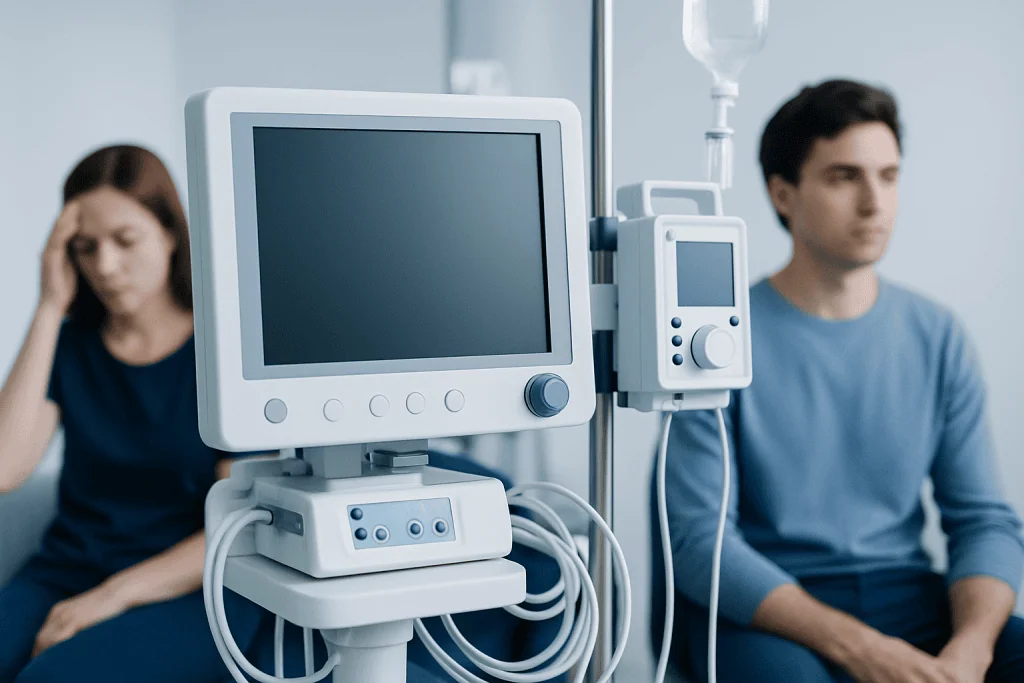
The most common weed withdrawal symptoms are emotional and behavioral. Many people notice irritability, nervousness, restlessness, or feeling unusually tense. Sleep changes are also very common, including trouble falling asleep, waking often during the night, or having vivid or unpleasant dreams. These changes can lead to daytime fatigue and difficulty focusing.
Physical symptoms may happen too, although they are often less intense than the mood and sleep changes. Some people experience reduced appetite, stomach discomfort, nausea, headaches, sweating, chills, or a general sense of unease. Others describe a strong craving to use cannabis again because it seems like the quickest way to relieve symptoms.
Symptoms can affect daily life in subtle ways. A person may become more impatient with family, less productive at work, or less able to tolerate stress. It can also be difficult to tell whether these changes are due to withdrawal alone or to an underlying condition such as anxiety disorder or depression that cannabis had been masking for a time.
- Irritability or anger
- Anxiety or nervousness
- Sleep problems and vivid dreams
- Reduced appetite
- Low mood
- Restlessness
- Headache or stomach upset
- Strong cravings for cannabis
Why withdrawal happens: triggers and risk factors

Withdrawal happens because the brain adapts to repeated exposure to cannabis. Over time, regular use can change how the body responds to the active compounds in cannabis, especially those that act on the endocannabinoid system. When use suddenly stops, the body no longer receives the substance it has adapted to, and symptoms may appear while balance is being restored.
Several factors can make weed withdrawal symptoms more likely. These include daily or near-daily use, using high-potency products, long-term use over months or years, and starting cannabis at a younger age. People who use cannabis to cope with stress, trauma, insomnia, or mood symptoms may also find stopping harder because the original problem returns along with withdrawal.
Certain situations commonly trigger withdrawal. Examples include trying to quit for health reasons, travel, work or school rules, pregnancy planning, family concerns, or after noticing memory, motivation, or mood changes. Withdrawal may also be more complicated when cannabis is used along with alcohol, nicotine, sedatives, or other drugs, because symptoms can overlap and become harder to interpret.
Timeline: when symptoms start and how long they last
The weed withdrawal timeline is often predictable, although it is not identical for everyone. Symptoms commonly begin within 24 to 72 hours after stopping cannabis. During this early period, irritability, anxiety, and trouble sleeping may be the first changes a person notices.
Symptoms often peak during the first week, especially between days two and six. Sleep disruption and vivid dreams may continue beyond the first week, and cravings can come and go depending on stress, social triggers, and exposure to familiar routines associated with cannabis use. Appetite usually starts to improve gradually, but some people continue to feel “off” for several weeks.
Most symptoms improve significantly within two to four weeks. However, if low mood, panic symptoms, severe insomnia, or inability to function continue, medical review is wise. Persistent symptoms may reflect another condition rather than withdrawal alone, and a clinician may recommend psychiatric evaluation and support or a broader health assessment.
How doctors assess cannabis withdrawal
Diagnosis is usually based on a careful clinical history rather than a single lab test. A doctor will ask about how often cannabis is used, what type is used, when symptoms began, and whether symptoms improve or worsen with resumed use. They may also ask about sleep, appetite, mood, daily functioning, and any history of panic attacks, depression, trauma, or other substance use.
The goal is not only to identify withdrawal but also to rule out other causes. Anxiety disorders, major depression, thyroid problems, medication side effects, and withdrawal from alcohol or sedatives can produce overlapping symptoms. In some cases, substance-related mental health symptoms may need separate treatment. If a person has severe mood changes, confusion, or safety concerns, more urgent assessment is needed.
Doctors may also screen for patterns consistent with problematic cannabis use, especially if a person has tried to cut down repeatedly without success. When symptoms are complex or prolonged, evaluation by mental health specialists and, when needed, psychological support can help build an effective care plan tailored to the person’s needs.
Treatment options and practical relief strategies
There is no single medicine specifically used for every case of cannabis withdrawal, so treatment usually focuses on symptom relief, support, and relapse prevention. Many people benefit from structured routines, hydration, regular meals, sleep hygiene, exercise, and reducing caffeine if anxiety or insomnia is worse than usual. A calm and predictable environment can make the first week easier.
Behavioral support is often the most helpful part of treatment. Counseling can help a person identify triggers, manage cravings, and address the reasons cannabis use became frequent. Approaches such as motivational interviewing, cognitive behavioral strategies, and relapse-prevention planning may be recommended. If symptoms are tied to poor sleep, chronic stress, or mood changes, clinicians may also discuss treatment for those underlying issues.
Medical care becomes more important when symptoms are severe, when there is another mental health condition, or when multiple substances are involved. In selected cases, a doctor may suggest symptom-based treatment and monitoring. For people with significant distress or coexisting psychiatric concerns, addiction treatment support may be appropriate as part of a broader recovery plan.
Self-care, prevention, and reducing relapse risk
Planning ahead can reduce the intensity of withdrawal and improve the chance of staying off cannabis if that is the goal. It helps to remove cues linked with use, such as devices, stored products, or social situations centered on cannabis. Letting a trusted family member or friend know about the plan can provide accountability and emotional support during the hardest days.
Simple self-care habits matter. Going to bed and waking at consistent times, eating small regular meals even if appetite is reduced, spending time outdoors, and using relaxation techniques can all help. Some people find it useful to keep a brief symptom diary to recognize that withdrawal is improving over time, even if day-to-day progress feels uneven.
Preventing relapse also means understanding personal triggers. Stress, boredom, poor sleep, social pressure, and untreated mental health symptoms are common reasons people return to use. If cutting down alone has not worked, or if cannabis is being used to cope with anxiety, low mood, or trauma, professional support can be more effective than willpower alone. Near the end of the process, some patients seek care from centers such as Acibadem International, where multidisciplinary specialists in JCI-accredited hospitals assess and treat substance-related and mental health concerns for international patients.
When to seek medical care
Most weed withdrawal symptoms improve without emergency treatment, but medical care is important if symptoms are intense, last longer than expected, or interfere with safety and basic functioning. A person should speak with a doctor if they cannot sleep for several nights, cannot eat or drink adequately, have repeated vomiting, or feel unable to manage anxiety or agitation.
Urgent evaluation is especially important if there is severe depression, hopelessness, panic that feels overwhelming, thoughts of self-harm, or symptoms that suggest another problem such as chest pain, confusion, hallucinations, or seizures. These are not typical signs of uncomplicated cannabis withdrawal and need prompt medical attention.
Medical review is also wise for adolescents, pregnant individuals, people with chronic illness, and anyone using alcohol, benzodiazepines, opioids, or stimulants along with cannabis. In these situations, symptoms may be more complex, and safer monitoring can make withdrawal and longer-term recovery more manageable.
Frequently asked questions
How long do weed withdrawal symptoms last?
Symptoms often begin within one to three days after stopping cannabis and are usually strongest during the first week. Many people improve within two to four weeks, although sleep changes and cravings can last longer in some cases.
What are the most common weed withdrawal symptoms?
The most common symptoms are irritability, anxiety, restlessness, trouble sleeping, vivid dreams, low appetite, and cravings. Some people also notice headaches, stomach discomfort, sweating, or low mood.
Is weed withdrawal dangerous?
For most people, cannabis withdrawal is uncomfortable rather than dangerous. However, medical assessment is important if symptoms are severe, prolonged, or involve depression, panic, confusion, dehydration, or other substance withdrawal.
Why do some people get withdrawal symptoms and others do not?
Symptoms are more likely in people who use cannabis frequently, use high-potency products, or have used for a long time. Individual biology, stress levels, sleep patterns, and underlying mental health conditions also influence how withdrawal feels.
Can quitting weed make anxiety worse at first?
Yes. Anxiety can temporarily increase when regular cannabis use stops, especially during the first several days. If anxiety is intense, lasts beyond the expected withdrawal period, or affects safety and daily functioning, a doctor should evaluate it.
How can someone cope with weed withdrawal symptoms at home?
Helpful steps include keeping a regular sleep schedule, staying hydrated, eating small balanced meals, limiting caffeine, exercising gently, and avoiding situations strongly linked with cannabis use. Support from a clinician, counselor, or trusted family member can also make the process easier.
References
- National Institute on Drug Abuse
- Centers for Disease Control and Prevention
- Substance Abuse and Mental Health Services Administration
- American Psychiatric Association
- World Health Organization
This article is for general information only and is not a substitute for professional medical advice. Please consult a qualified doctor about your individual situation.
Explore treatments in Turkey — costs, top hospitals & a free quote
JCI-accredited · board-certified surgeons · reply within 24h
Add us as a Preferred Source to see more of our trusted health content across Google Search, AI Overviews and Discover.

More from the Health Library



Related Specialists

Dr. Ahmet Kurt
Internal Medicine
Fzt. Murat Elmas
Physical Medicine & Rehabilitation
Assoc. Prof. Dr. Alpay Medetalibeyoğlu
Internal Medicine
Assoc. Prof. Dr. Murat Urkan
General Surgery