Well-Child Visits: What Pediatric Checkups Include at Each Age

Well-child visits are scheduled regularly from birth through the teenage years, even when a child seems healthy. These checkups usually include growth measurements, a physical exam, developmental review, vaccines, and guidance for parents.
Key Takeaways
- Well-child visits are scheduled regularly from birth through the teenage years, even when a child seems healthy.
- These checkups usually include growth measurements, a physical exam, developmental review, vaccines, and guidance for parents.
- What is discussed changes with age, from feeding and sleep in infancy to school, puberty, and mental health in adolescence.
- Routine visits help detect vision, hearing, growth, developmental, and behavioral concerns early.
- Parents should bring questions, records, and any concerns about symptoms, behavior, learning, or emotional wellbeing.
Well-child visits are routine pediatric appointments that help monitor a child’s growth, development, behavior, and overall health from infancy through adolescence. These visits also give families a regular chance to discuss nutrition, sleep, safety, vaccines, and any concerns with a trusted doctor.
Overview of Well-Child Visits
Well-child visits are preventive pediatric checkups scheduled at regular intervals throughout childhood. They are designed to monitor how a child is growing and developing, identify health concerns early, and support families with age-appropriate guidance. Unlike sick visits, these appointments focus on prevention and overall wellbeing rather than treating a new illness.
During a well-child visit, the pediatric team usually measures height, weight, and sometimes head circumference, reviews feeding and sleep patterns, updates vaccinations, and performs a physical examination. As children grow older, visits may also include discussions about learning, behavior, emotional health, puberty, exercise, and safety.
The exact schedule can vary slightly, but well-child visits commonly occur soon after birth, several times during the first year of life, then at regular intervals through childhood and adolescence. These appointments are especially valuable because children change quickly, and some concerns are easier to address when found early.
What Checkups Include in Infancy
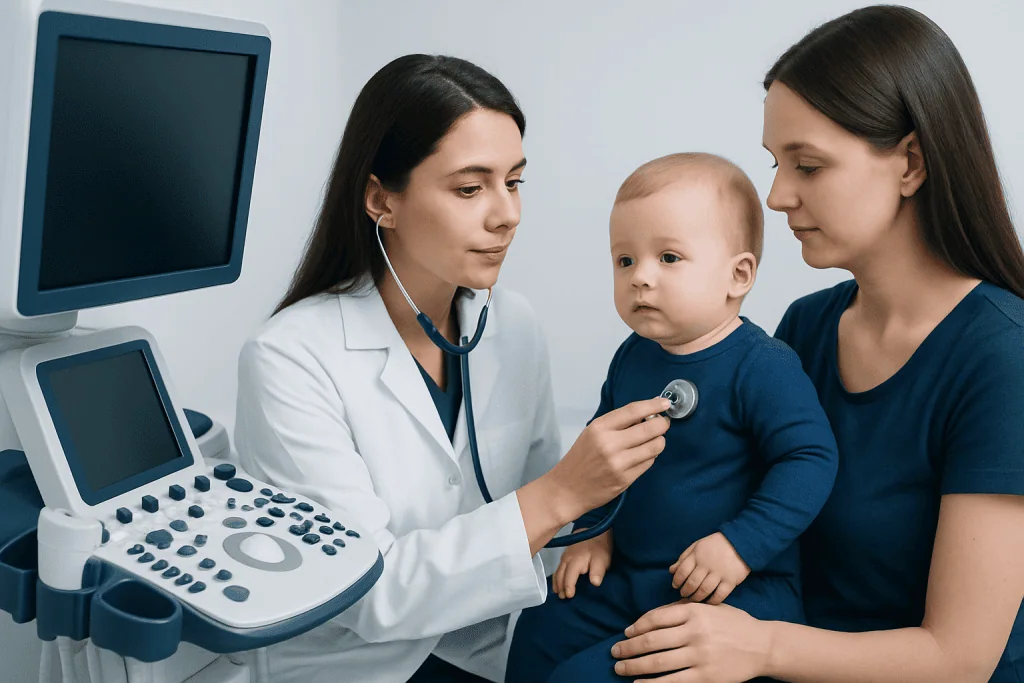
In the first year of life, well-child visits are frequent because growth and development are rapid. Checkups commonly take place in the newborn period and then at around 1, 2, 4, 6, 9, and 12 months. At these visits, the doctor checks weight gain, length, head growth, feeding, sleep, and general health. Parents can ask about breastfeeding, formula feeding, reflux, colic, bowel habits, and common newborn concerns.
Physical exams in infancy include listening to the heart and lungs, checking the hips, skin, eyes, abdomen, and reflexes, and looking for signs of jaundice or other problems. Development is also reviewed, such as whether the baby smiles, follows objects, rolls, sits, babbles, or responds to sounds. If concerns arise, the doctor may recommend further evaluation.
Vaccinations are an important part of infant well-child visits. The pediatrician will explain which vaccines are due and what mild side effects may happen after immunization. Families also receive guidance on safe sleep, car seat use, avoiding smoke exposure, tummy time, and how to reduce risks around the home as the baby becomes more active.
- Growth tracking: weight, length, head circumference
- Developmental milestones: movement, social interaction, hearing, and vision
- Feeding review: breast milk, formula, solids, vitamin supplements if needed
- Safety counseling: sleep position, falls, choking, and car seats
Toddler and Preschool Checkups

Between ages 1 and 5, well-child visits often focus on physical growth, language development, mobility, behavior, and daily habits. Children at this stage are learning quickly, and routine checkups help make sure milestones are progressing as expected. Doctors often ask about walking, running, speech, social play, toilet training, sleep routines, and eating patterns.
These visits may include developmental and behavioral screening tools to look for delays or concerns that are not always obvious during a brief exam. Depending on age and local guidance, screening for anemia, lead exposure, hearing, vision, and oral health may also be recommended. If a child shows signs of speech delay, poor eye contact, or difficulty with motor skills, early support can make a meaningful difference.
Toddler and preschool appointments also give parents a chance to discuss common challenges such as picky eating, tantrums, thumb sucking, bedtime struggles, and screen time. The pediatrician may suggest routines, positive discipline strategies, and ways to encourage healthy habits. Vaccines continue during this stage, and the doctor checks that immunizations remain up to date before school entry.
School-Age Checkups
For school-age children, annual well-child visits help track steady growth and support health during the school years. The doctor usually measures height, weight, and body mass index, reviews nutrition and physical activity, and performs a physical examination. Blood pressure checks become a routine part of many visits, and hearing or vision screening may be repeated when needed.
Conversations often expand beyond physical health. Parents and children may be asked about school performance, attention, friendships, mood, sleep, and participation in sports or other activities. These discussions can help identify learning difficulties, bullying, anxiety, or problems with concentration. If needed, a child may be referred for further assessment or support services.
Safety counseling also changes with age. Pediatricians may talk about bicycle helmets, internet use, water safety, sports injuries, and the importance of regular dental care. Some children with ongoing concerns such as recurrent infections, breathing issues, or weight problems may need additional evaluation. In some cases, a doctor may recommend related care for issues such as childhood obesity or recurring asthma in children when symptoms or growth patterns suggest a problem.
Adolescent Checkups and Teenage Health
Adolescent well-child visits remain important even when teenagers appear healthy and independent. These visits usually continue yearly and focus on growth, puberty, mental wellbeing, sleep, nutrition, exercise, and risk prevention. Teenagers may have a physical exam, blood pressure check, vision assessment if needed, and review of vaccination status, including age-appropriate boosters.
Puberty and sexual development are common topics. The doctor may discuss menstrual health, body changes, acne, personal hygiene, and questions about reproductive health in a respectful, age-appropriate way. Many pediatricians also spend part of the visit speaking with the teenager privately. This can encourage honest discussion about emotional stress, relationships, school pressure, substance use, or other sensitive concerns.
Mental health screening becomes especially relevant in adolescence. Mood changes, anxiety, depression, eating concerns, and sleep problems can affect physical health, learning, and relationships. A supportive checkup gives teenagers a confidential and structured opportunity to ask questions and seek help early. Families are often advised to stay involved while also supporting a teenager’s growing independence.
Screenings, Vaccines, and Early Detection
One of the main benefits of well-child visits is early detection. Some conditions develop gradually and may not be obvious at home, especially in the early stages. Tracking growth over time can reveal concerns with undernutrition, excess weight gain, hormone problems, or chronic illness. Developmental screening may highlight speech, motor, social, or learning issues that benefit from early intervention.
Preventive screening can vary by age, medical history, and national guidance. Depending on the child, this may include hearing or vision testing, blood pressure measurement, screening for anemia or lead exposure, and review of sleep, behavior, and emotional health. For children with symptoms or specific risks, the pediatrician may recommend further tests or referral to specialists.
Vaccination review is another core part of these visits. Immunizations protect children and communities from preventable diseases, and well-child appointments help keep the schedule on track. If a child has missed doses, the doctor can often create a catch-up plan. Families can also use these visits to discuss concerns about vaccine timing, side effects, and school requirements.
How Parents Can Prepare and Support Healthy Habits
Parents can make the most of well-child visits by coming prepared. It is helpful to bring the child’s vaccination record, a list of medications or supplements, and notes about any questions or changes noticed at home or school. For younger children, parents may want to mention sleep patterns, feeding, toilet habits, language development, or behavior. For older children, school performance, mood, exercise, and social concerns are also important topics.
Children often feel more comfortable when parents explain ahead of time that the visit is meant to help them stay healthy. It may help to describe simple steps such as measuring height and weight, listening to the heart, and receiving a vaccine if one is due. Reassurance and honesty can reduce fear and make the appointment smoother.
Well-child visits also support healthy routines at home. Pediatricians commonly encourage balanced meals, active play, consistent sleep schedules, reading, limited screen time, and safe environments. If a child needs extra support, the doctor may recommend services such as nutrition counseling, pediatric check-up programs, pediatric vaccination planning, or further assessment through child development assessment.
When to See a Doctor Between Routine Visits
Well-child visits are essential, but they do not replace care for new symptoms or urgent concerns. Parents should contact a doctor sooner if a child has persistent fever, breathing difficulty, dehydration, unusual sleepiness, severe pain, ongoing vomiting, or any symptom that feels significantly different from the child’s usual health. It is also important to seek advice if a baby is feeding poorly, not gaining weight, or seems less responsive than usual.
Developmental, behavioral, and emotional concerns should also be discussed even if the next routine visit is not due yet. A child who loses skills, stops making expected progress, struggles significantly at school, or shows marked changes in mood or behavior may benefit from earlier evaluation. Acting promptly does not mean something serious is present; it simply helps ensure support is available when needed.
Families who want coordinated pediatric evaluation may seek care in specialized centers. Acibadem International’s multidisciplinary specialists and JCI-accredited hospitals provide diagnosis and treatment for international patients, including preventive pediatric care and related services such as pediatric endocrinology when growth or puberty concerns need closer review. For emergencies, however, immediate local medical care is always the priority.
Frequently asked questions
How often should a child have a well-child visit?
Well-child visits are most frequent during infancy and then usually continue every year through childhood and adolescence. The exact schedule may vary slightly, but a pediatrician can provide the recommended timing based on the child’s age and health needs.
What is the difference between a well-child visit and a sick visit?
A well-child visit focuses on prevention, growth, development, vaccines, and general health guidance. A sick visit is arranged when a child has symptoms such as fever, cough, pain, rash, or another new concern that needs diagnosis and treatment.
Do children need checkups even if they seem healthy?
Yes. Many growth, vision, hearing, developmental, and behavioral concerns can be found early during routine visits before they cause obvious problems. These appointments also help families stay up to date with vaccines and age-specific health advice.
What should parents bring to a pediatric checkup?
It is helpful to bring vaccination records, a list of medicines or supplements, and notes about questions or concerns. If relevant, parents may also bring school reports, growth records, or information about sleep, feeding, behavior, and symptoms.
Are vaccines always given at well-child visits?
Not at every visit, but many routine checkups include vaccine review and age-appropriate immunizations. If a child is behind schedule, the pediatrician may suggest a catch-up plan to provide protection as safely and effectively as possible.
What topics are discussed during adolescent checkups?
Teen visits often include growth, puberty, menstrual health, exercise, sleep, school, emotional wellbeing, and risk prevention. Doctors may also spend part of the visit talking privately with the teenager to encourage open communication about sensitive topics.
References
- American Academy of Pediatrics
- Centers for Disease Control and Prevention
- World Health Organization
- UNICEF
- National Institute for Health and Care Excellence
This article is for general information only and is not a substitute for professional medical advice. Please consult a qualified doctor about your individual situation.
Explore treatments in Turkey — costs, top hospitals & a free quote
JCI-accredited · board-certified surgeons · reply within 24h
Add us as a Preferred Source to see more of our trusted health content across Google Search, AI Overviews and Discover.
Check your numbers in seconds
BMI, calories, due date, blood pressure and 30+ more clinical calculators — free, instant, doctor-reviewed ranges.