What Happens at Your First Oncology Appointment? Step-by-Step Guide

The first oncology appointment usually includes a review of diagnosis, symptoms, scans, and pathology results. Patients are often asked about their medical history, current medicines, and overall health goals.
Key Takeaways
- The first oncology appointment usually includes a review of diagnosis, symptoms, scans, and pathology results.
- Patients are often asked about their medical history, current medicines, and overall health goals.
- More tests may be needed before a final treatment plan is confirmed.
- Bringing records, questions, and a support person can make the visit easier and more productive.
- It is normal not to receive every answer in one visit; cancer care planning often happens step by step.
A first oncology appointment is designed to explain the diagnosis, review test results, and outline possible treatment options in a clear, structured way. Knowing what typically happens can help patients feel more prepared, informed, and supported.
Overview: What the First Oncology Appointment Is For
A first oncology appointment is an important early step after a cancer diagnosis or when cancer is strongly suspected. The main purpose of the visit is to help the oncology team understand the person’s medical situation in detail and to help the patient understand what is known so far. This usually includes reviewing biopsy findings, imaging tests, blood work, symptoms, and general health.
Many people expect to leave the first visit with a complete treatment plan. Sometimes that happens, but often the appointment is more about gathering and explaining information so that the best next steps can be chosen safely. Cancer treatment decisions often depend on the exact type of cancer, where it started, whether it has spread, and the patient’s overall health, preferences, and goals.
The appointment may be with a medical oncologist, surgical oncologist, radiation oncologist, or a multidisciplinary team. In many cases, more than one specialist is involved because cancer care is often coordinated across different areas of medicine. The tone of the visit is usually structured and supportive, with time for questions and discussion.
Before the Visit: How to Prepare
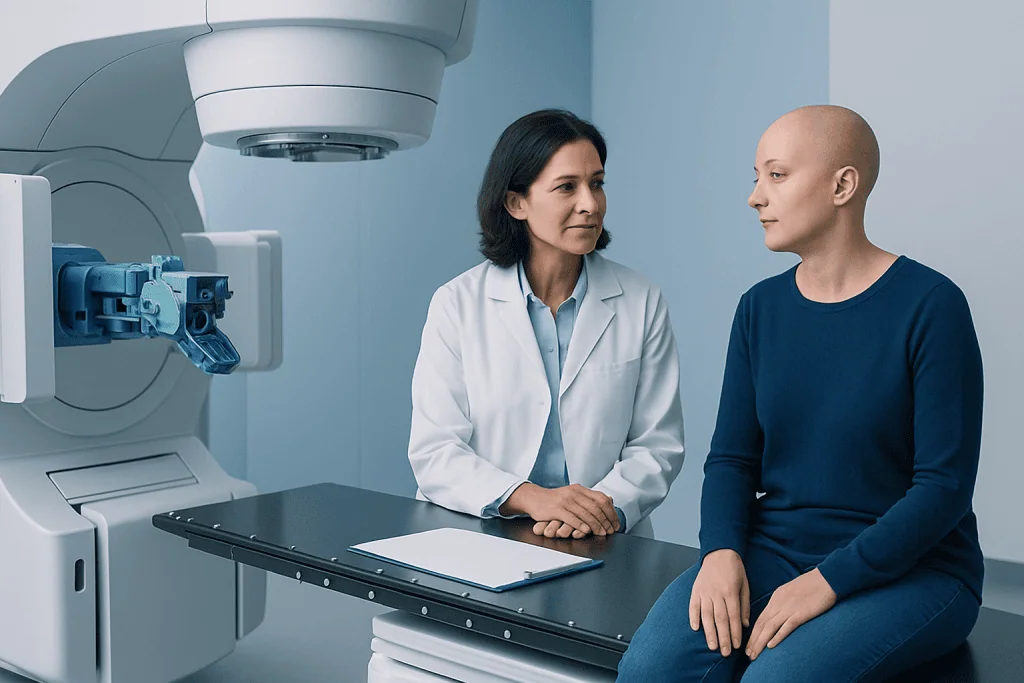
Preparation can make the first oncology appointment less stressful and more useful. Patients are usually encouraged to bring any available medical records, including biopsy or pathology reports, imaging reports, scan discs if requested, blood test results, and a list of current medicines. It can also help to bring notes about symptoms, previous treatments, allergies, and any major past medical conditions.
Because a great deal of information may be discussed, many people find it helpful to bring a family member or trusted friend. This person can take notes, help remember details, and provide emotional support. If language may be a barrier, asking about interpreter services in advance can also be very helpful.
Patients may want to prepare a short list of questions before the appointment. Common questions include what type of cancer is present, whether more tests are needed, what treatment options exist, how urgent treatment is, and what side effects might happen. Writing questions down ahead of time helps make sure the most important concerns are addressed.
- Bring identification, insurance or payment information if needed, and prior medical records.
- Carry a written list of medications, vitamins, and supplements.
- Note important symptoms, when they started, and anything that makes them better or worse.
- Prepare questions and consider bringing someone for support.
What Usually Happens During the Appointment

The visit often begins with registration, basic measurements, and a review of the reason for referral. A nurse or other team member may record weight, blood pressure, temperature, and current symptoms. They may also ask about pain, fatigue, appetite, sleep, and how daily activities have been affected.
The oncologist then usually reviews the medical history in detail. This may include past illnesses, surgeries, family history of cancer, smoking history, alcohol use, reproductive history when relevant, and any previous treatments. The doctor may ask about recent changes such as unexplained weight loss, bleeding, shortness of breath, or new lumps.
A physical examination is often part of the first appointment, though the extent depends on the cancer type and the person’s condition. After that, the doctor typically explains the current findings in straightforward terms and discusses whether the cancer diagnosis is confirmed, what stage is suspected, and what information is still missing. The team may also introduce support services such as nutrition, pain management, counseling, or patient navigation.
Understanding Tests, Staging, and Why More Information May Be Needed
One of the most important parts of the first oncology appointment is reviewing test results. Pathology from a biopsy often gives the most definitive information about the cancer type. Imaging such as CT, MRI, PET, ultrasound, or mammography may help show the size of the tumor and whether nearby tissues or distant organs are involved. Blood tests can provide information about organ function, blood counts, and readiness for treatment.
Patients often hear the word “staging” during this visit. Staging describes how much cancer is present and where it is located. This information helps guide treatment choices and gives the team a more complete understanding of the condition. In some situations, the stage is clear at the first visit; in others, additional scans, repeat biopsy, molecular testing, or specialist review may be needed before staging is finalized.
It is common for patients to feel frustrated if more tests are recommended. However, this step is often necessary to avoid rushed decisions and to choose the most appropriate treatment. The oncology team may explain whether further imaging, pathology review, or procedures are needed before discussing options such as chemotherapy, radiation therapy, or surgery.
How Treatment Options Are Discussed
Treatment discussions are usually individualized. The doctor may explain whether the goal is to cure the cancer, control it for as long as possible, relieve symptoms, or reduce the risk of recurrence after surgery. Depending on the cancer type, treatment may involve one approach or a combination of treatments given in a planned sequence.
Common options include surgery, systemic therapies, and radiation-based treatments. Systemic therapies may include chemotherapy, targeted therapy, hormone therapy, or immunotherapy. Some patients may also be referred for immunotherapy or a specialist review for cancer surgery if these are considered appropriate for the specific diagnosis.
The oncologist usually explains the expected purpose of each treatment, possible side effects, how often it is given, and how the team will monitor response. Patients may also hear about multidisciplinary case review, in which surgeons, medical oncologists, radiation oncologists, pathologists, and radiologists discuss the case together. This team-based approach can help make treatment planning more complete and coordinated.
If there are several reasonable options, shared decision-making becomes especially important. The patient’s age, general health, work and family responsibilities, treatment goals, fertility concerns, and personal preferences can all influence the final plan. Asking for clarification or a second opinion is considered a normal part of cancer care.
Questions Patients May Be Asked and Questions They Can Ask
During the consultation, patients may be asked about symptoms, overall energy, appetite, pain, weight changes, and previous illnesses. The oncology team may also ask about support at home, transportation, work responsibilities, and any practical challenges that could affect treatment. These questions help the team recommend a plan that is both medically appropriate and realistic.
It can help to ask clear, practical questions in return. Useful questions include: What type of cancer is this? Do we know the stage? Are more tests needed? What are the treatment goals? What side effects are common? How quickly does treatment need to start? Who should be contacted if symptoms worsen?
Some people also want to ask about everyday concerns such as eating well, exercise, travel, work, sexual health, or preserving fertility before treatment. Others may ask whether support services are available for emotional distress, financial concerns, or smoking cessation. These are all appropriate topics for the first visit or follow-up discussions.
- What is confirmed, and what is still uncertain?
- What tests are recommended next, and why?
- What treatment options are most suitable and what are their goals?
- What side effects or lifestyle changes should be expected?
- When should urgent symptoms be reported?
After the Appointment: Next Steps and Follow-Up
After the first oncology appointment, the next steps often include scheduling further tests, arranging another consultation, or beginning treatment planning. Some people may be referred to additional specialists such as a surgeon, radiation oncologist, palliative care specialist, dietitian, psychologist, or genetic counselor. Written summaries, appointment schedules, and contact information are often provided to help patients keep track of the plan.
It is normal to feel emotionally overwhelmed after the visit, even when the information is explained clearly. Patients may find it helpful to review notes afterward, discuss the information with a trusted person, and contact the clinic if they think of more questions. Understanding often happens gradually over several conversations rather than all at once.
If a second opinion is desired, most oncology teams understand and support that choice. A second opinion can help confirm the diagnosis, stage, or treatment strategy. Near this stage of care, some patients also choose to be evaluated at centers with broad multidisciplinary expertise; Acibadem International’s multidisciplinary specialists and JCI-accredited hospitals diagnose and treat cancer for international patients.
Follow-up planning may also include guidance on symptom management while waiting for treatment. Patients should ask whom to contact if they develop fever, worsening pain, bleeding, breathing problems, severe vomiting, or other concerning changes. Clear communication with the care team helps make this early period safer and less stressful.
When to Contact a Doctor Sooner
While waiting for oncology follow-up, some symptoms should not be ignored. Patients should seek prompt medical advice if they develop severe or rapidly worsening pain, trouble breathing, heavy bleeding, confusion, dehydration, new weakness, high fever, or inability to eat or drink. The exact advice may differ depending on the person’s diagnosis and current condition.
It is also important to contact the care team if symptoms change noticeably between appointments. For example, rapidly increasing fatigue, worsening swelling, uncontrolled nausea, or significant weight loss may need earlier review. Reporting changes does not mean the situation is automatically serious; it simply helps the team respond appropriately.
If instructions from the clinic are unclear, patients should ask for written guidance about what is urgent, who to call during office hours, and where to go after hours. Knowing this in advance can provide reassurance and help patients feel more in control during a difficult time.
Frequently asked questions
How long does a first oncology appointment usually take?
The length varies, but first visits are often longer than routine follow-up appointments because the doctor needs to review records and explain the situation carefully. It may take enough time to discuss diagnosis, symptoms, tests, and next steps in detail.
Will treatment start at the first oncology appointment?
Sometimes treatment planning can begin right away, but treatment itself does not always start on the first day. Many patients need additional tests, pathology review, or staging information before the final plan is confirmed.
Should someone come with the patient to the appointment?
Many people find it helpful to bring a family member or friend. A support person can take notes, help remember what was discussed, and provide emotional reassurance during an important visit.
What records should be brought to a first oncology appointment?
Helpful records include biopsy or pathology reports, imaging reports, scan discs if requested, blood test results, and a current medication list. Bringing prior treatment summaries and details about allergies or other medical conditions can also be useful.
Is it normal not to get all the answers at the first visit?
Yes. Cancer care often develops step by step, and some decisions depend on test results that are not yet complete. It is common for the first visit to focus on understanding the diagnosis and planning what information is still needed.
Can a patient ask for a second opinion after the first oncology appointment?
Yes, and this is a common part of cancer care. A second opinion can help confirm the diagnosis, stage, or treatment plan and may give patients more confidence in their next steps.
References
- National Cancer Institute
- American Cancer Society
- American Society of Clinical Oncology
- National Comprehensive Cancer Network
- World Health Organization
This article is for general information only and is not a substitute for professional medical advice. Please consult a qualified doctor about your individual situation.
Oncology care in Turkey — second opinion and treatment plan
JCI-accredited · board-certified surgeons · reply within 24h
Add us as a Preferred Source to see more of our trusted health content across Google Search, AI Overviews and Discover.
Check your numbers in seconds
BMI, calories, due date, blood pressure and 30+ more clinical calculators — free, instant, doctor-reviewed ranges.

Medical Oncology Department
Medical treatment of cancer with chemotherapy, immunotherapy and targeted therapies under a multidisciplinary tumor board.
60 specialists in this unitMore from the Health Library



Related Specialists

Prof. Dr. İsmail Çepni
Gynecology & Obstetrics
Dr. Lala Sheykhova
Pediatrics
Prof. Dr. Namik Demir
Gynecology & Obstetrics
Dr. İdris Berke Ceylan
Emergency Service