What Holds Bones Together at the Joints? A Simple Guide to Ligaments and Joint Stability

Ligaments connect bones to other bones and help stabilize joints. They work with muscles, tendons, cartilage, and joint capsules to guide movement.
Key Takeaways
- Ligaments connect bones to other bones and help stabilize joints.
- They work with muscles, tendons, cartilage, and joint capsules to guide movement.
- Stretched or torn ligaments can lead to pain, swelling, and a feeling that a joint is unstable.
- Common ligament injuries include sprains of the ankle, knee, wrist, and thumb.
- Diagnosis may involve a physical exam and imaging such as X-ray or MRI.
- Treatment depends on the severity of injury and may include rest, bracing, physiotherapy, or surgery.
Ligaments are strong bands of connective tissue that connect bone to bone at a joint. They play a key role in joint stability by helping hold bones in proper alignment while allowing safe, controlled movement.
Overview: What Holds Bones Together at the Joints?
Many people ask, what holds bones together at the joints? The simple answer is ligaments. Ligaments are tough, flexible bands of connective tissue that connect one bone to another. They are found around joints throughout the body, including the knees, ankles, shoulders, elbows, wrists, and spine.
Ligaments do more than just “tie” bones together. They help keep a joint aligned, limit excessive movement, and guide how the joint moves. This balance is important because joints need enough flexibility for normal daily activity, but not so much movement that the bones slip out of place or become injured.
Joint stability depends on several structures working together. In addition to ligaments, muscles, tendons, cartilage, the joint capsule, and surrounding nerves all help support a joint. Ligaments are especially important as passive stabilizers, meaning they provide support even when a person is not actively using the muscles around the joint.
When a ligament is stretched too far or torn, the joint may become painful, swollen, or less stable. This type of injury is called a sprain. Understanding how ligaments work can help people recognize injuries early and take steps to protect their joints over time.
How Ligaments Support Movement and Stability
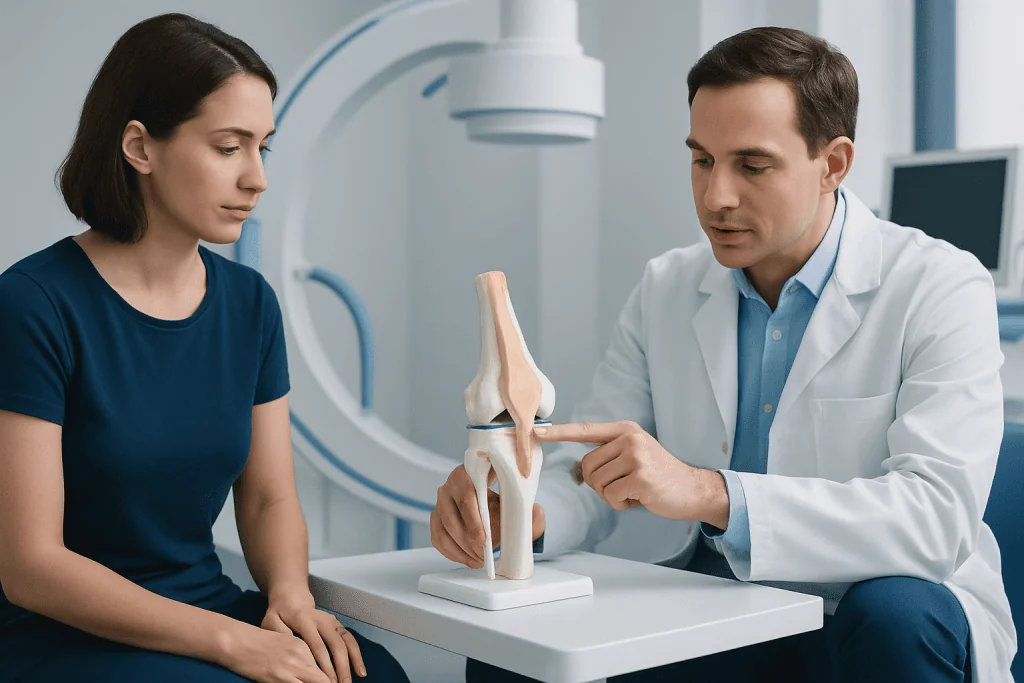
Every joint is designed for a particular type of motion. For example, the knee mainly bends and straightens, while the shoulder allows movement in many directions. Ligaments help control these movement patterns by resisting motions that go beyond the joint’s normal range.
They are made largely of collagen fibers, which gives them strength. At the same time, they have a small degree of elasticity, which allows them to stretch slightly during normal movement. If the force on a ligament is too strong or sudden, that small stretch can become a partial tear or a complete tear.
Ligaments also contain nerve endings that contribute to proprioception, the body’s sense of position and movement. This means they help the brain understand where a joint is in space. When ligaments are injured, this sense can be reduced, which may contribute to repeated twisting, poor balance, or a feeling that the joint may “give way.”
Examples of important ligaments include the anterior cruciate ligament in the knee, the lateral ankle ligaments, and the ligaments that support the wrist and thumb. Injuries in these areas are common in sports, sudden falls, awkward landings, and everyday accidents. In some cases, related problems such as osteoarthritis can also affect how stable and comfortable a joint feels, although arthritis and ligament injuries are different conditions.
Symptoms of a Ligament Injury
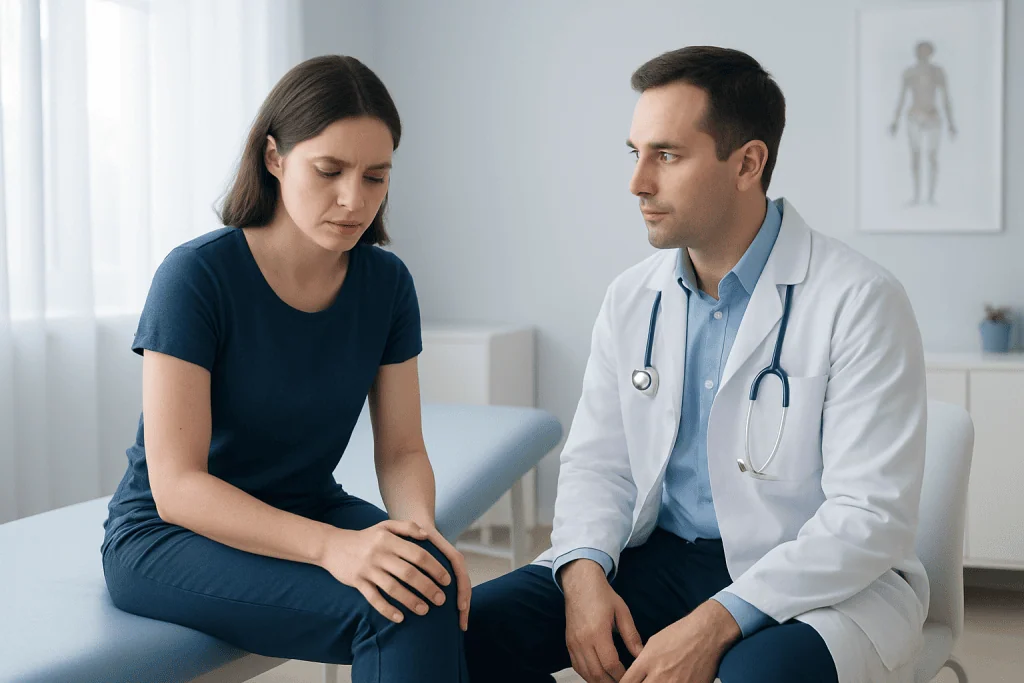
A ligament injury is commonly called a sprain. Symptoms can vary depending on which joint is affected and whether the ligament is mildly stretched or more seriously torn. Some people notice symptoms immediately after an injury, while others develop swelling and stiffness over several hours.
Common symptoms include pain around the joint, swelling, bruising, tenderness, and difficulty moving the area. A person may hear or feel a pop at the time of injury, particularly with a more significant tear. Some joints may feel loose, unstable, or unable to bear weight normally.
Doctors often describe sprains in grades. A mild sprain involves overstretching or small fiber damage. A moderate sprain includes a partial tear and often causes more swelling and instability. A severe sprain is a complete tear or major disruption of the ligament and may greatly affect joint function.
Symptoms that need prompt medical attention include severe swelling, inability to stand or use the joint, obvious deformity, locking, numbness, or pain that does not improve. Because fractures, dislocations, tendon injuries, and ligament tears can feel similar at first, an expert assessment can be important after a significant injury.
Causes and Risk Factors for Ligament Damage
Ligament injuries most often happen when a joint is forced beyond its normal range of motion. This may occur during sports, exercise, sudden twisting, falls, direct blows, or awkward steps on uneven ground. An ankle rolling inward, a knee twisting while the foot stays planted, or a fall onto an outstretched hand are classic examples.
Some activities place more stress on ligaments than others. Sports that involve cutting, jumping, pivoting, rapid changes in direction, or contact can increase the risk of sprains and tears. Repetitive stress may also weaken support around a joint over time, especially when recovery, conditioning, or technique is poor.
Risk factors include previous ligament injury, weak supporting muscles, poor balance, inadequate warm-up, fatigue, and unsuitable footwear. Joint shape and natural flexibility can also affect stability. In some people, hypermobility may make joints move more than usual, which can raise the chance of strains or sprains.
Age-related changes can influence joint stability too. While ligaments remain strong in many adults, tissues may become less resilient with time, and surrounding muscle strength may decline. These changes can make injury more likely during slips, missteps, or sudden movements, especially if overall conditioning is low.
How Doctors Diagnose Ligament Problems
Diagnosis usually begins with a medical history and physical examination. The doctor asks how the injury happened, where the pain is located, whether the joint feels unstable, and if the person heard a pop or noticed rapid swelling. These details can help suggest which ligament may be involved.
During the exam, the doctor checks for swelling, bruising, tenderness, range of motion, and signs of instability. Gentle stress tests may be used to compare the injured side with the unaffected side. In the early stages, swelling and pain can make it difficult to fully assess the joint, so a repeat exam may sometimes be needed.
Imaging may be recommended depending on the symptoms. X-rays do not show ligaments directly, but they can help rule out fractures or joint misalignment. MRI is often the most useful test for showing ligament tears and associated injuries to cartilage, meniscus, or other soft tissues. Ultrasound may be helpful in selected cases, especially for more superficial ligaments.
An accurate diagnosis matters because treatment differs from one injury to another. A mild ankle sprain may improve with conservative care, while a major knee ligament injury may require specialist follow-up. In complex cases, evaluation by an orthopedic team and, when needed, MRI scanning can help clarify the extent of the injury and guide next steps.
Treatment Options for Ligament Injuries
Treatment depends on the location of the ligament, the severity of the injury, the person’s activity level, and whether other structures are also damaged. Many mild to moderate sprains improve with non-surgical care. Early treatment often includes rest, temporary activity reduction, ice, compression, elevation, and protection of the joint.
Braces, taping, or splints may be used to support healing and limit movements that stress the ligament. Pain relief may also be recommended by a doctor. As symptoms improve, rehabilitation becomes a key part of recovery. Targeted exercises help restore range of motion, strength, balance, and confidence in the joint. In many cases, physical therapy and rehabilitation is central to regaining function and reducing the risk of repeat injury.
More severe tears may need specialist management. Surgery is not necessary for every torn ligament, but it may be considered when a joint remains unstable, when high-demand activity is expected, or when there are combined injuries such as meniscus, cartilage, or tendon damage. For example, some people with major knee ligament injuries may be evaluated for knee surgery if non-surgical measures are not enough or if the joint cannot function reliably.
Recovery time varies widely. A mild sprain may improve within weeks, while more serious injuries can take months. Returning to sports or demanding activity too soon can increase the risk of reinjury. Following the medical plan carefully and progressing activity step by step gives the ligament the best chance to heal and helps restore long-term joint stability.
Prevention and Everyday Joint Care
Not every ligament injury can be prevented, but many can be reduced with good joint care. Strong muscles around a joint act as active stabilizers and help absorb force before it reaches the ligaments. Regular strength training, balance work, and flexibility exercises can all support safer movement.
Warming up before exercise is also important. A good warm-up prepares muscles, improves coordination, and may reduce sudden strain on a joint. People who play sports with cutting or jumping movements may benefit from structured injury-prevention programs that focus on landing technique, balance, and core control.
Supportive footwear and appropriate equipment can make a difference as well. Shoes that match the activity and fit properly may improve ankle and foot alignment. After a previous sprain, a brace or taping may be advised during return to sport, especially for the ankle or knee.
At home, simple measures such as using handrails, clearing trip hazards, and being careful on wet or uneven surfaces can help prevent falls. Maintaining a healthy body weight can also reduce stress on weight-bearing joints. If a joint repeatedly feels unstable or painful, professional assessment is important rather than simply pushing through symptoms.
When to See a Doctor
It is sensible to see a doctor after a joint injury if pain is significant, swelling is marked, or the person cannot move or use the joint normally. Medical review is also important if the joint looks deformed, feels unstable, or if there is numbness, locking, or ongoing weakness.
Even when symptoms seem mild at first, persistent pain or repeated sprains should not be ignored. Recurrent instability can lead to further soft tissue damage and may affect everyday activities, work, or sport. Early care can improve healing and help prevent long-term problems.
People with suspected major ligament injuries may need assessment by orthopedic, sports medicine, or rehabilitation specialists. In selected cases, treatment planning may include bracing, supervised rehabilitation, or surgery. Acibadem International’s multidisciplinary specialists in JCI-accredited hospitals diagnose and treat ligament and joint problems for international patients when advanced assessment or coordinated care is needed.
Because ligament injuries can overlap with fractures, tendon injuries, and cartilage problems, self-diagnosis is not always reliable. A qualified healthcare professional can explain what structure is injured, what recovery to expect, and how to return safely to normal activity.
Frequently asked questions
What is the main structure that holds bones together at joints?
The main structure is the ligament. Ligaments connect bone to bone and help keep a joint stable while still allowing normal movement. They are one of the body's key support tissues around joints.
Are ligaments the same as tendons?
No. Ligaments connect bone to bone, while tendons connect muscle to bone. Both are strong connective tissues, but they have different roles in movement and stability.
Can a torn ligament heal on its own?
Some ligament injuries can heal with time, protection, and rehabilitation, especially mild or partial tears. Complete tears may heal less reliably and sometimes leave a joint unstable. A doctor can assess whether conservative care or a surgical opinion is more appropriate.
What does a sprained ligament feel like?
A sprain often causes pain, swelling, tenderness, and difficulty moving the joint. Some people also notice bruising or a feeling that the joint is weak or unstable. Severe sprains may cause a popping sensation at the time of injury.
Which joints are most likely to have ligament injuries?
The ankle and knee are among the most commonly injured joints, especially in sports and falls. Ligament injuries also frequently affect the wrist, thumb, shoulder, and elbow. Any joint can be affected if it is forced beyond its normal range.
How long does it take to recover from a ligament injury?
Recovery depends on the severity and location of the injury. Mild sprains may improve within a few weeks, while severe tears can take months and may need structured rehabilitation or surgery. Returning to full activity should be based on medical advice and functional recovery, not just pain relief.
References
- American Academy of Orthopaedic Surgeons
- National Institute of Arthritis and Musculoskeletal and Skin Diseases
- MedlinePlus
- National Health Service
- Mayo Clinic
This article is for general information only and is not a substitute for professional medical advice. Please consult a qualified doctor about your individual situation.
Joint and spine care in Turkey — expert assessment & treatment
JCI-accredited · board-certified surgeons · reply within 24h
Add us as a Preferred Source to see more of our trusted health content across Google Search, AI Overviews and Discover.

More from the Health Library



Related Specialists

Fzt. Semih Kızıltan
Physical Medicine & Rehabilitation
Dr. Suat Boyacı
Neurosurgery
Prof. Dr. Çiğdem Ünal Gülmeden
Aesthetic Plastic & Reconstructive Surgery
Dr. Dilek Sınmaz
Ear Nose & Throat