What Is Bell’s Palsy? Facial Weakness, Recovery, and Warning Signs

Bell’s palsy usually causes sudden weakness on one side of the face. It affects the facial nerve and may also change tearing, taste, or sound sensitivity.
Key Takeaways
- Bell’s palsy usually causes sudden weakness on one side of the face.
- It affects the facial nerve and may also change tearing, taste, or sound sensitivity.
- Quick medical evaluation is important because stroke and other conditions can look similar.
- Many people recover well, particularly when treatment starts early.
- Protecting the eye is an important part of care if eyelid closure is weak.
Bell’s palsy is a sudden weakness or paralysis of the muscles on one side of the face caused by temporary dysfunction of the facial nerve. It can be frightening, but many people improve significantly over time, especially when they are assessed promptly to rule out more serious causes such as stroke.
Overview
Bell’s palsy is a condition that causes sudden weakness or paralysis of the muscles on one side of the face. It happens when the facial nerve, also called the seventh cranial nerve, becomes inflamed or compressed. This nerve controls facial expression and also plays a role in blinking, tear production, saliva flow, and part of the sense of taste.
The condition often appears quickly, sometimes over a few hours or overnight. A person may notice a crooked smile, drooping of the mouth, or difficulty closing one eye. Because facial weakness can also be a sign of a stroke, Bell’s palsy should never be self-diagnosed without prompt medical assessment.
Bell’s palsy is considered a diagnosis of exclusion, which means doctors make it after considering and ruling out other possible causes of facial weakness. In many cases, the exact trigger is not proven, but viral reactivation and nerve swelling are thought to play a role. Although the symptoms can be distressing, Bell’s palsy is often temporary and many people recover partially or fully over weeks to months.
Symptoms of Bell’s Palsy
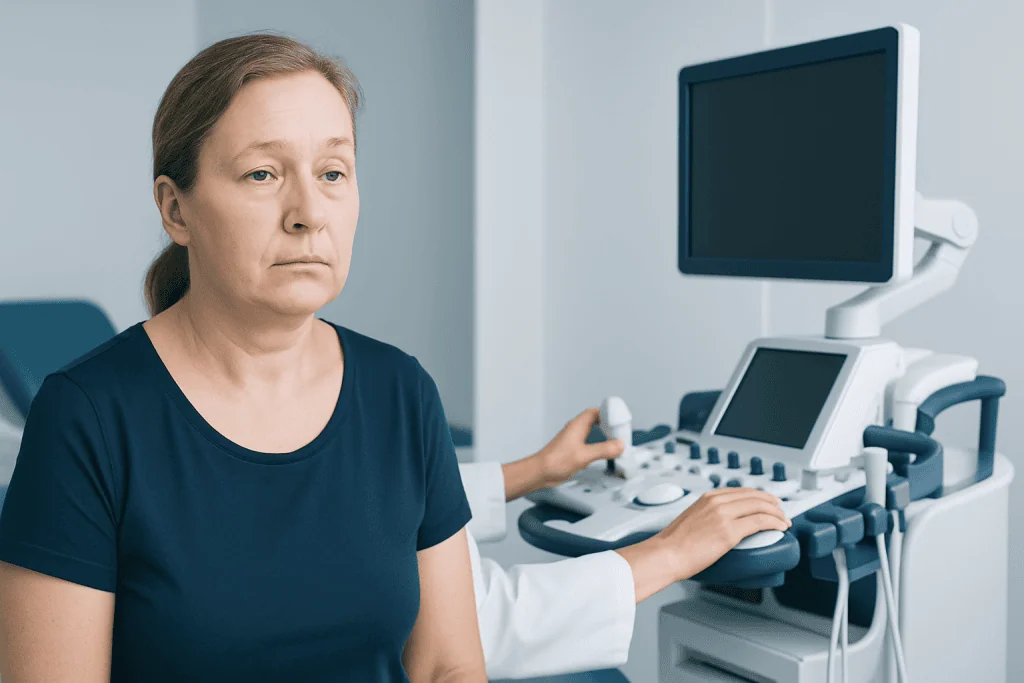
The hallmark symptom of Bell’s palsy is sudden weakness on one side of the face. The forehead, eyelid, and mouth are usually all affected. A person may find it hard to raise the eyebrow, close the eye tightly, smile evenly, or puff out the cheek on the affected side.
Other symptoms can vary from person to person. Some people have mild weakness, while others have more complete facial paralysis. The onset is usually rapid, reaching its worst point within about 48 to 72 hours.
- Facial drooping on one side
- Difficulty closing one eye or blinking
- Drooling or trouble keeping food in the mouth
- Dry eye or excessive tearing
- Changes in taste
- Increased sensitivity to sound in one ear
- Pain around the jaw or behind the ear
- Headache or a feeling of facial numbness, even though sensation is usually normal
Bell’s palsy itself affects facial movement rather than limb strength, speech understanding, or balance. If facial weakness comes with arm or leg weakness, confusion, severe dizziness, double vision, or trouble speaking, another cause such as stroke must be considered urgently.
Causes and Risk Factors

The exact cause of Bell’s palsy is not always known. The most widely accepted explanation is inflammation and swelling of the facial nerve as it passes through a narrow bony canal in the skull. When the nerve swells, its signals to the facial muscles can be disrupted, leading to weakness or paralysis.
Experts believe that some cases may be linked to viral reactivation, especially herpes simplex virus. Other infections and inflammatory conditions have also been associated with facial nerve palsy, but not every case has a clearly identified trigger. Bell’s palsy itself is different from facial paralysis caused by trauma, tumors, ear disease, or central nervous system conditions.
Certain factors may increase the likelihood of Bell’s palsy or be associated with worse symptoms. These include pregnancy, diabetes, recent viral illness, and sometimes high blood pressure. People with recurrent facial weakness may need evaluation for other causes, because repeated episodes are less typical for Bell’s palsy.
Doctors may also consider conditions that can mimic Bell’s palsy, including Lyme disease in some regions, middle ear infection, facial nerve tumors, and multiple sclerosis in selected cases. This is why a careful history and examination are important.
How Bell’s Palsy Is Diagnosed
Diagnosis begins with a medical history and physical examination. Doctors pay close attention to how quickly the weakness began, whether the forehead is involved, and whether there are other neurological symptoms. In Bell’s palsy, weakness usually affects the entire side of the face, including the forehead.
The main goal of the initial assessment is to distinguish Bell’s palsy from other problems that require different treatment. Stroke is one of the most important alternatives to rule out, especially when symptoms are sudden. Depending on the symptoms, doctors may also evaluate for ear disease, infection, trauma, or other neurological disorders.
Not everyone needs extensive testing. If the presentation is typical, laboratory tests or imaging may not be necessary. However, blood tests, hearing tests, or imaging such as MRI may be recommended when the diagnosis is uncertain, symptoms are severe, recovery is delayed, or there are warning signs such as recurrent attacks, gradual onset, or weakness on both sides of the face.
Eye assessment is also important. If the eyelid does not close properly, the surface of the eye can dry out and become irritated. In some cases, referral to a neurologist, ENT specialist, or ophthalmologist may be helpful for complete evaluation and follow-up.
Treatment Options
Treatment for Bell’s palsy is aimed at reducing nerve inflammation, protecting the eye, and supporting recovery. Medical care is most effective when it begins early, usually within the first few days after symptoms start. Many treatment plans include corticosteroid medication, which can improve the chance of recovery in appropriate patients.
Some people may also be prescribed antiviral medication, although its benefit is less certain and depends on the individual situation. Supportive treatment is very important. If the eye does not close fully, lubricating drops during the day, ointment at night, and taping or shielding the eye may help prevent dryness and injury.
When weakness is significant or recovery is slower than expected, doctors may suggest facial exercises or physical therapy and rehabilitation to support muscle control and reduce long-term stiffness. In selected cases, further evaluation may be needed to confirm that Bell’s palsy is the correct diagnosis and to look for complications or other causes.
If symptoms are caused by another condition rather than Bell’s palsy, treatment depends on that diagnosis. For example, structural problems may require targeted ENT or neurological care, and persistent facial weakness may sometimes need specialist assessment through neurology services. Near the end of the care pathway, some international patients choose centers such as Acibadem International, where multidisciplinary specialists in JCI-accredited hospitals evaluate and treat facial nerve disorders.
Recovery, Outlook, and Possible Complications
The outlook for Bell’s palsy is often reassuring. Many people begin to improve within a few weeks, and recovery may continue over several months. The degree of recovery can vary. Some regain normal facial movement, while others have mild lingering weakness or tightness.
Early treatment, milder weakness at the start, and prompt diagnosis are generally associated with a better outcome. People with complete paralysis, delayed improvement, or underlying health conditions may need longer follow-up. Recovery can be uneven, and facial movement may return gradually rather than all at once.
Possible complications include dry eye, eye irritation, corneal injury, persistent weakness, muscle tightness, or involuntary linked movements known as synkinesis. For example, the eye may narrow when smiling. These problems are not inevitable, but they can occur and are often easier to manage when recognized early.
If recovery does not begin as expected, doctors may recommend repeat examination or additional testing, sometimes including CT scan or other imaging depending on the suspected cause. Follow-up helps ensure that another condition is not being missed.
Self-care and Eye Protection
Self-care is an important part of Bell’s palsy treatment, especially when the eye cannot close completely. The exposed eye can dry out quickly, so routine lubrication and physical protection are essential. Following the doctor’s instructions carefully can reduce discomfort and help prevent eye complications.
People are often advised to rest, stay hydrated, and avoid rubbing the eye. Simple facial care and prescribed exercises may help with comfort and muscle awareness, though they should be done under professional guidance rather than forcefully. It is also helpful to take photos or note changes over time, because gradual improvement can be difficult to notice day by day.
- Use lubricating eye drops if recommended
- Apply eye ointment at night when advised
- Use an eye patch or tape the eyelid closed if instructed
- Protect the eye outdoors from wind and dust
- Attend follow-up appointments
- Seek review if symptoms worsen or new symptoms appear
Home care should support, not replace, medical evaluation. Any self-care plan is safest when guided by a qualified clinician who has confirmed the diagnosis.
When to See a Doctor
Anyone who develops sudden facial weakness should seek medical attention promptly. Bell’s palsy is one possible cause, but other conditions may need urgent treatment. A quick assessment is especially important the first time symptoms happen.
Emergency evaluation is needed if facial weakness comes with difficulty speaking, arm or leg weakness, severe headache, fainting, confusion, trouble walking, double vision, chest pain, or sudden severe dizziness. These features are not typical of Bell’s palsy and may point to a stroke or another serious neurological problem.
Medical review is also important if there is facial weakness that develops gradually, affects both sides, keeps recurring, follows head injury, or is associated with a rash, hearing loss, fever, or significant ear pain. Follow-up should be arranged if symptoms are not improving, if eye irritation develops, or if swallowing and eating become difficult.
Prompt, careful evaluation helps confirm the diagnosis, start appropriate treatment, and protect the eye. In many cases, early reassurance and a clear plan can make the recovery period easier to manage.
Frequently asked questions
Is Bell’s palsy the same as a stroke?
No. Bell’s palsy is a problem affecting the facial nerve, while a stroke affects blood flow to the brain. Because both can cause facial drooping, sudden facial weakness should be assessed urgently by a doctor.
How quickly does Bell’s palsy start?
Bell’s palsy usually begins suddenly and often worsens over hours to a couple of days. Many people notice the change when they wake up or while brushing their teeth, smiling, or blinking.
Can Bell’s palsy go away on its own?
Many cases improve significantly over time, and some recover fully. Even so, medical evaluation is important because early treatment may improve recovery and because other causes of facial weakness need to be ruled out.
How long does Bell’s palsy recovery take?
Recovery time varies. Some people start improving within a few weeks, while others recover more gradually over several months. If there is little or no improvement, follow-up assessment is important.
Why is eye care so important in Bell’s palsy?
If the eyelid does not close properly, the eye surface can dry out and become irritated or injured. Lubricating drops, ointment, and eye protection can help prevent complications while the facial nerve recovers.
Can Bell’s palsy happen more than once?
It can recur, but repeated episodes are less common. If facial weakness returns, doctors may recommend a more detailed evaluation to look for other possible causes.
References
- National Institute of Neurological Disorders and Stroke
- National Health Service
- Mayo Clinic
- American Academy of Neurology
- National Institute for Health and Care Excellence
This article is for general information only and is not a substitute for professional medical advice. Please consult a qualified doctor about your individual situation.
Explore treatments in Turkey — costs, top hospitals & a free quote
JCI-accredited · board-certified surgeons · reply within 24h
Add us as a Preferred Source to see more of our trusted health content across Google Search, AI Overviews and Discover.
Check your numbers in seconds
BMI, calories, due date, blood pressure and 30+ more clinical calculators — free, instant, doctor-reviewed ranges.

More from the Health Library



Related Specialists

Assoc. Prof. Dr. Dilek Hacer Çeşme
Radiology
Dr. Artunç Kaan Turanoğlu
Otorhinolaryngology
Assoc. Prof. Dr. Muharrem Koçyiğit
Anesthesiology
Dr. Zeynep Ekici Ljama
Anesthesiology