What Is Information Technology? A Patient-Friendly Guide to Digital Health Tools

Information technology in healthcare includes digital records, telemedicine, apps, portals, and connected devices. These tools can make care more convenient, coordinated, and easier to access.
Key Takeaways
- Information technology in healthcare includes digital records, telemedicine, apps, portals, and connected devices.
- These tools can make care more convenient, coordinated, and easier to access.
- Privacy and data security are important parts of safe digital healthcare.
- Digital tools support care but do not replace professional medical judgment.
- Patients can benefit most by using trusted platforms and asking questions when unsure.
Information technology in healthcare refers to the digital systems and tools used to support medical care, communication, records, and decision-making. For patients, it often means easier access to appointments, test results, virtual visits, and health information.
Overview: what information technology means in healthcare
Information technology in healthcare describes the use of computers, software, networks, and connected devices to support medical services. In everyday terms, it includes tools such as electronic health records, online appointment systems, telemedicine platforms, patient portals, digital imaging, health apps, and wearable devices. These technologies help organize information and make communication between patients and healthcare teams more efficient.
For patients, digital health tools can make care easier to navigate. A person may book an appointment online, join a video consultation from home, receive test results through a secure portal, or track blood pressure with a connected device. These tools are designed to support convenience, continuity of care, and a clearer understanding of health information.
Information technology is now part of many stages of care, from prevention and screening to diagnosis, treatment, follow-up, and long-term condition management. It does not replace doctors, nurses, or other professionals. Instead, it helps them share information, monitor progress, and make decisions with the patient.
Common digital health tools patients may use
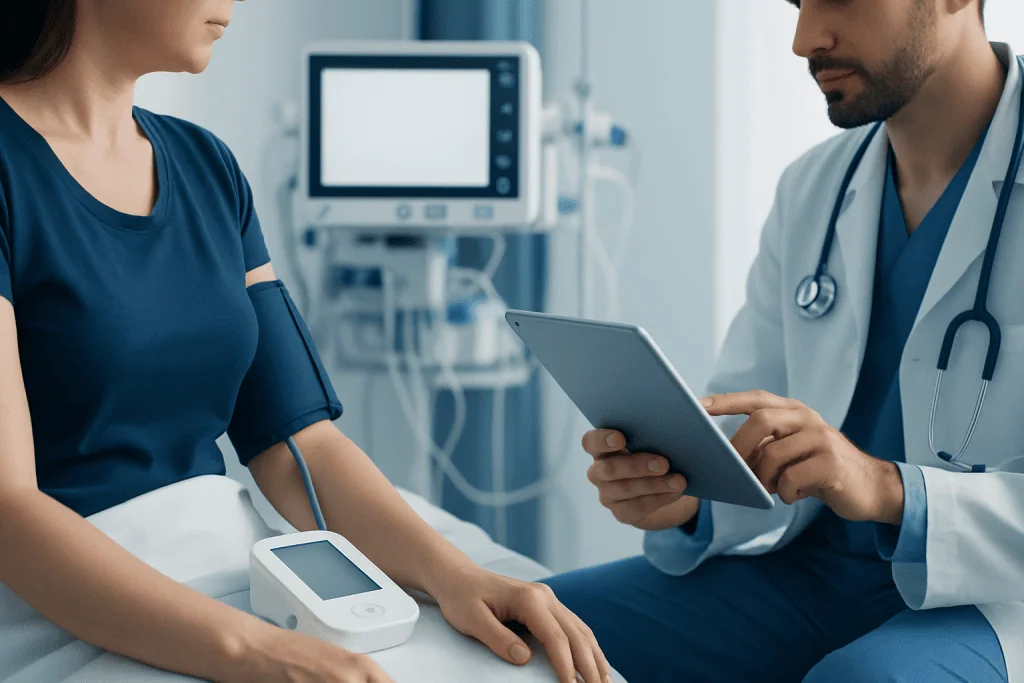
Many people already use healthcare technology without thinking of it as information technology. A patient portal is one common example. It may allow patients to view lab results, request prescription renewals, read visit summaries, and send secure messages to their care team. This can reduce delays and help patients stay informed between appointments.
Telemedicine is another widely used tool. Through phone or video visits, patients can discuss symptoms, review ongoing treatments, or receive follow-up advice without traveling to a clinic. Telemedicine can be especially helpful for routine reviews, second opinions, or situations where travel is difficult, although some concerns still require an in-person examination.
Other examples include:
- Electronic health records that store medical history, test results, medications, and allergies
- Mobile health apps for reminders, education, symptom tracking, or lifestyle support
- Wearable devices that track heart rate, sleep, activity, or other health data
- Digital imaging systems that allow scans and X-rays to be stored and shared more easily
- Hospital information systems that coordinate appointments, billing, and clinical workflows
Some tools are aimed mainly at convenience, while others directly support treatment and monitoring. For example, digital systems may help manage chronic illnesses such as diabetes or support follow-up after procedures by allowing secure remote communication with a clinician.
How information technology can benefit patients

One major benefit of information technology in healthcare is better access to care. Patients may be able to connect with a doctor more quickly, review records without waiting for paper copies, and receive reminders for appointments or medicines. This can save time and reduce confusion, particularly when care involves more than one specialist.
Digital systems can also improve coordination. When records are organized electronically, healthcare teams may more easily review previous diagnoses, medications, allergies, and test results. This can support safer decision-making and reduce repeated tests. In large hospitals, digital systems also help different departments communicate more smoothly.
Another advantage is patient engagement. When people can see their own results, track symptoms, or read reliable educational materials, they may feel more involved in their care. Some patients use home devices to monitor blood pressure, glucose, oxygen levels, or heart rhythm, then share that information with their doctor. In selected cases, this can help identify changes earlier and guide more timely follow-up.
Technology may also support personalized care. Clinical software can help doctors review patterns in data, compare current findings with past results, and plan treatment based on the patient’s needs. In some areas, advanced tools may be used alongside services such as robotic surgery or preventive health check-ups to support planning, precision, and follow-up.
Limitations, risks, and privacy concerns
Although digital health tools are helpful, they also have limits. Technology can support care, but it cannot fully replace the value of a physical examination, clinical experience, or direct discussion with a doctor. A symptom checker, app, or wearable may provide useful information, but it should not be used to make a diagnosis without professional guidance.
Not every patient finds digital systems easy to use. Some people may have limited internet access, low confidence with technology, language barriers, visual difficulties, or trouble remembering passwords. Healthcare services need to consider accessibility so that digital tools improve care rather than create extra obstacles.
Privacy is another important issue. Health information is sensitive, so secure systems are essential. Reputable providers use protected platforms, access controls, and privacy policies to reduce the risk of unauthorized access. Patients can also help protect their data by using strong passwords, avoiding public Wi-Fi for sensitive tasks when possible, and checking that messages or apps come from trusted healthcare organizations.
It is also helpful to remember that health data from consumer devices may not always be complete or medically precise. A wearable alert or an app reading can be a reason to review symptoms, but it should be interpreted in context. If there is a worrying result, persistent symptoms, or uncertainty, a qualified clinician should assess it.
How digital tools are used in diagnosis and treatment
Information technology supports diagnosis by helping doctors collect, store, review, and compare medical information. Electronic records bring together test results, medication lists, past history, and imaging findings in one place. This can be especially valuable for people with complex conditions or those seeing several specialists.
Imaging and laboratory systems are also part of healthcare information technology. Digital scans can be stored securely, reviewed by specialists, and shared across departments more efficiently than paper-based systems. This may help speed up clinical decisions and make multidisciplinary care more practical.
During treatment, digital systems may assist with scheduling, medication safety checks, remote monitoring, and follow-up communication. For example, patients recovering from surgery or managing a long-term illness may use portal messages or virtual visits to discuss symptoms and progress. Some specialties also use advanced planning systems before procedures such as Gamma Knife treatment or radiation therapy, where accurate imaging and data integration are important.
In many hospitals, technology also supports team-based care. Specialists in radiology, laboratory medicine, surgery, oncology, cardiology, and primary care may all work from coordinated digital information. Near the end of the care journey, international patients may also encounter digital tools that help organize records, translation support, travel planning, and remote follow-up. Acibadem International’s multidisciplinary specialists and JCI-accredited hospitals use modern digital systems to diagnose and treat patients from around the world.
How patients can use digital health tools safely and confidently
Patients can benefit most from digital healthcare by using trusted systems provided or recommended by recognized healthcare organizations. Before entering personal information, it is sensible to check that the website or app is official and secure. If a platform asks for unusual details or payments, patients should confirm with the clinic or hospital directly.
Keeping records organized can also help. Patients may want to save appointment summaries, maintain an updated medication list, and note important questions before a telemedicine visit. If they use a wearable or symptom tracker, it can be useful to share patterns rather than relying on single isolated readings.
Good communication remains essential. If a result is unclear, a message is confusing, or a symptom is worsening, the patient should contact a healthcare professional rather than trying to interpret everything alone. Digital tools work best when they support, not replace, a clear relationship with the care team.
Simple safety habits include:
- Using strong, unique passwords for patient portals and health apps
- Turning on two-factor authentication when available
- Logging out from shared devices
- Reading privacy settings before connecting apps or devices
- Seeking medical advice for urgent or severe symptoms instead of relying on technology alone
When to ask a healthcare professional for help
Patients should seek professional advice whenever symptoms are new, severe, persistent, or concerning, even if a digital tool suggests otherwise. Chest pain, breathing difficulty, sudden weakness, major bleeding, severe allergic reactions, confusion, or signs of stroke require urgent medical attention rather than online self-management. Technology can assist with triage, but urgent symptoms should always be treated seriously.
It is also worth asking for help if digital systems are difficult to use. A clinic may be able to explain how to access a portal, prepare for a virtual visit, or understand online test results. Support from family members, caregivers, or patient services can also make digital care easier to manage.
Questions are especially important when using apps, wearables, or online information to follow a chronic condition. If readings change, symptoms do not match the device data, or a patient is unsure what action to take, a doctor can help interpret the information safely. The goal of information technology in healthcare is not to make patients manage illness alone, but to give them better tools to stay connected, informed, and supported.
Frequently asked questions
What is information technology in healthcare in simple terms?
It means using digital systems and devices to support medical care. Examples include online appointments, electronic health records, telemedicine, patient portals, and wearable health trackers.
How does healthcare technology help patients?
It can make care more convenient and easier to access. Patients may be able to review test results, communicate with their doctor, attend virtual visits, and track certain health measures from home.
Are patient portals and health apps safe to use?
They can be safe when they come from trusted healthcare providers or reputable organizations and use secure systems. Patients should protect their accounts with strong passwords and contact the provider if anything seems unusual.
Can telemedicine replace in-person doctor visits?
Not always. Telemedicine is useful for many follow-up visits, routine discussions, and some symptom reviews, but certain problems still need a physical examination, tests, or urgent in-person care.
Do wearable devices give medical diagnoses?
No. Wearables can provide useful information about patterns such as activity, heart rate, or sleep, but they do not replace a doctor’s assessment. Any concerning reading should be discussed with a healthcare professional.
What should a patient do if an online health result is confusing?
The best step is to contact the healthcare team for clarification. Online reports may use medical language, and a clinician can explain what the result means in the context of the person’s overall health.
References
- World Health Organization
- U.S. National Library of Medicine
- Centers for Disease Control and Prevention
- National Institutes of Health
- Office of the National Coordinator for Health Information Technology
This article is for general information only and is not a substitute for professional medical advice. Please consult a qualified doctor about your individual situation.
Explore treatments in Turkey — costs, top hospitals & a free quote
JCI-accredited · board-certified surgeons · reply within 24h
Add us as a Preferred Source to see more of our trusted health content across Google Search, AI Overviews and Discover.
Check your numbers in seconds
BMI, calories, due date, blood pressure and 30+ more clinical calculators — free, instant, doctor-reviewed ranges.