What Is Ketamine? Here Is What the Evidence Says

Ketamine is a prescription medicine mainly used for anesthesia and, in selected cases, treatment-resistant depression. When used in a medical setting, ketamine is monitored carefully and is often well tolerated.
Key Takeaways
- Ketamine is a prescription medicine mainly used for anesthesia and, in selected cases, treatment-resistant depression.
- When used in a medical setting, ketamine is monitored carefully and is often well tolerated.
- Common short-term effects can include dizziness, nausea, dissociation, increased blood pressure, and sleepiness.
- Misuse or frequent non-medical use can harm mental health, the bladder, liver, and overall safety.
- Urgent medical care is needed for trouble breathing, chest pain, seizures, severe confusion, or loss of consciousness.
Ketamine is a medicine that has legitimate medical uses, especially for anesthesia and, in some settings, severe depression. It is often safe when given by trained professionals, but misuse or unsupervised use can lead to important side effects and health risks that deserve medical attention.
Overview: what ketamine is and why it is used
Ketamine is a prescription medicine that doctors have used for many years, mainly as an anesthetic. In controlled medical settings, it can help prevent pain and awareness during procedures, and it may also be used in carefully selected patients for severe or treatment-resistant depression. For most people who receive it under professional supervision, ketamine is used safely with close monitoring.
People often ask, “what is ketamine?” because the term appears in very different contexts. Medically, ketamine is a dissociative anesthetic, meaning it can change perception, awareness, and pain sensation. Outside medical care, it may be misused recreationally, and that non-medical use carries much greater risk because the dose, purity, setting, and supervision are uncertain.
Understanding this difference is important. A medicine can be beneficial in one context and harmful in another. This article explains ketamine in a practical way: what it does, how doctors use it, what side effects can happen, and which warning signs mean a person should seek medical advice.
How ketamine affects the body and mind
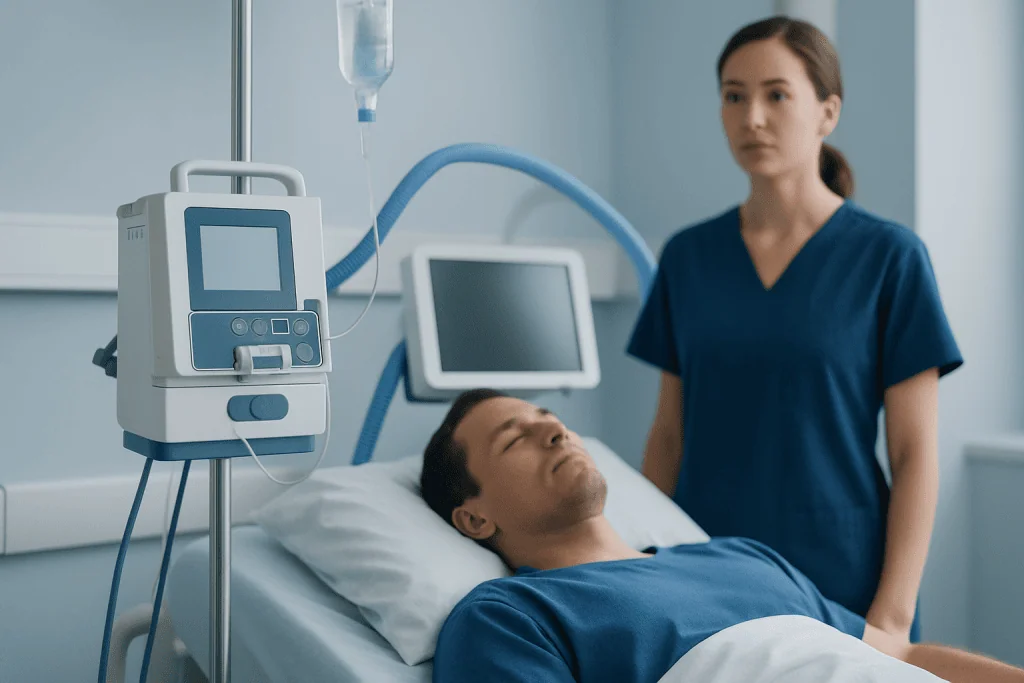
Ketamine works mainly by affecting brain signaling related to glutamate, an important chemical messenger involved in pain, memory, mood, and perception. Its effects can appear quickly. Depending on the dose and the reason it is being used, ketamine may reduce pain, cause sedation, or create a dissociative state in which a person feels detached from their thoughts, surroundings, or body.
In medical care, these effects can be useful. For anesthesia, ketamine may help maintain breathing and blood pressure better than some other anesthetic drugs in certain situations. In mental health care, low-dose ketamine or closely related treatments may sometimes help symptoms improve faster than standard antidepressants, although this is not appropriate for everyone and requires specialist evaluation.
Because ketamine can affect thinking, judgment, balance, and perception, its use can temporarily impair normal functioning. Even after a medically supervised dose, a person may need observation until alertness returns. Driving, alcohol use, and decision-making should be avoided until a clinician confirms it is safe.
Medical uses of ketamine

Ketamine has established uses in anesthesia and procedural sedation. It may be used before surgery, during emergency care, or for certain painful procedures. In some cases, ketamine is also used as part of pain management, especially when other approaches are not enough or are not suitable.
Another area of growing clinical interest is mental health. Carefully selected patients with severe depression, especially when symptoms have not improved with standard treatment, may be evaluated for ketamine-based care by specialists in depression. This does not mean ketamine is a routine first-line treatment. It is usually considered only after a thorough review of diagnosis, current medicines, safety factors, and follow-up needs.
Ketamine treatment should never be self-directed. A doctor first considers medical history, heart and blood pressure status, substance use history, and mental health conditions such as anxiety, psychosis, or bipolar disorder. In hospital settings, ketamine may be one part of broader care that can also include anesthesia and reanimation services or coordinated support through psychiatry when mental health treatment is being considered.
Possible side effects and health risks
Short-term side effects are often temporary, especially when ketamine is used in a supervised setting. These may include nausea, vomiting, dizziness, blurred vision, sleepiness, headache, increased heart rate, and higher blood pressure. Some people also experience dissociation, unusual dreams, anxiety, or a feeling of being disconnected from reality for a short time.
Risks can be higher in non-medical use, high doses, or repeated use. Ketamine misuse may lead to accidents, unsafe behavior, memory and concentration problems, and worsening mental health symptoms. In some people, it can trigger agitation, panic, paranoia, or hallucinations. Mixing ketamine with alcohol, opioids, benzodiazepines, or other sedating substances can be especially dangerous because it may increase the risk of slowed breathing, loss of consciousness, or injury.
Longer-term heavy use has been linked to bladder irritation and damage, painful urination, frequent urination, abdominal or pelvic pain, and possible liver problems. If urinary symptoms develop, a doctor may assess for other causes as well, including kidney stones or infection, because these can produce some similar symptoms. Ongoing misuse may also lead to dependence, meaning a person finds it hard to stop despite harm.
- Common short-term effects: dizziness, nausea, dissociation, sleepiness
- Important safety concerns: high blood pressure, impaired judgment, falls, accidents
- Longer-term concerns with misuse: bladder injury, memory problems, mood changes, dependence
Red flags and when to seek medical care
Many mild after-effects of medically supervised ketamine wear off with observation and rest. However, some symptoms should not be ignored. Urgent medical care is needed if a person has trouble breathing, severe chest pain, a seizure, fainting, loss of consciousness, extreme agitation, severe confusion, or signs of an allergic reaction such as swelling of the face or throat.
Medical review is also important if symptoms do not settle as expected, or if there are repeated episodes of palpitations, panic, persistent vomiting, severe dizziness, or unusual behavior after ketamine use. People who have ongoing low mood, suicidal thoughts, increasing anxiety, or possible substance misuse should seek prompt help from a qualified professional. These concerns may require assessment beyond the immediate ketamine exposure.
A person should also arrange a non-urgent appointment if they develop burning urination, urinary frequency, blood in the urine, pelvic pain, or abdominal pain after repeated ketamine use. Doctors may investigate the urinary tract and other organs, and in some cases specialist evaluation in urology may be appropriate. Early review can help identify reversible problems and support safer next steps.
How doctors evaluate ketamine-related concerns
When someone seeks care, the first steps are usually straightforward and focused on safety. A doctor asks what happened, when ketamine was taken, whether it was prescribed, how much may have been used, and whether any alcohol or other drugs were taken at the same time. They will also ask about symptoms such as chest pain, shortness of breath, confusion, mood changes, urinary symptoms, and any history of heart disease, mental health conditions, or substance use.
The physical examination usually includes vital signs such as blood pressure, heart rate, temperature, breathing rate, and oxygen level. Depending on symptoms, doctors may examine mental status, hydration, the heart and lungs, and the abdomen. If needed, they may order blood tests, urine tests, an electrocardiogram, or imaging to look for complications or to rule out other causes.
This step-by-step approach matters because symptoms after ketamine are not always caused by ketamine alone. Other medicines, dehydration, panic reactions, infections, heart rhythm problems, or unrelated conditions can create a similar picture. Doctors focus on identifying urgent problems first, then deciding whether monitoring, supportive care, mental health follow-up, or specialist input is needed.
Treatment and recovery
Treatment depends on why ketamine was used and what symptoms are present. After medically supervised ketamine, many people need only observation, a calm environment, and time for the effects to fade. Nausea, dizziness, or temporary confusion often improve on their own while clinicians continue to monitor breathing, circulation, and comfort.
If side effects are more significant, treatment is supportive and symptom-based. Doctors may give oxygen, fluids, medicines for nausea, or treatment for high blood pressure or agitation when appropriate. If ketamine was mixed with other substances, care is tailored to the full picture rather than to ketamine alone. Severe symptoms may require emergency treatment and close monitoring.
For people with repeated non-medical use, recovery often includes more than treating the immediate episode. Follow-up may involve assessment for bladder or liver problems, support for dependence, and help with underlying anxiety, depression, trauma, or sleep issues. In selected cases, broader care through a medical check-up can help identify complications and guide referral to the right specialist. Near the end of the care pathway, patients who travel internationally may also choose centers such as Acibadem International, where multidisciplinary specialists in JCI-accredited hospitals diagnose and treat related medical and mental health concerns.
Prevention and safer self-care
The safest way to use ketamine is only under the guidance of a qualified medical team and for a clear medical reason. People should never take someone else’s prescription or use ketamine from an unknown source. Purity, dose, and contaminants are unpredictable outside regulated care, which increases the risk of overdose, severe side effects, and injury.
After a medical dose, patients should follow discharge instructions carefully. It is usually wise to avoid driving, alcohol, sedatives, and important decisions until fully recovered. Having a responsible adult nearby after treatment may be advised, depending on the setting and the person’s overall health.
Anyone considering ketamine for depression or pain should discuss alternatives, expected benefits, possible side effects, and monitoring needs with a doctor. Patients with high blood pressure, heart disease, psychosis, pregnancy, substance use disorder, or urinary symptoms should mention these issues clearly before treatment. Open communication helps clinicians choose the safest and most appropriate plan.
Frequently asked questions
Is ketamine a drug or a medicine?
Ketamine is both a medicine and a drug with potential for misuse. In healthcare, it is a prescription medication used for anesthesia, sedation, and in selected cases certain mental health treatments. Outside medical supervision, it can be dangerous.
What is ketamine used for in hospitals?
Hospitals mainly use ketamine for anesthesia, procedural sedation, and sometimes pain management. In certain specialized settings, it may also be used for treatment-resistant depression after careful psychiatric assessment and monitoring.
Can ketamine be safe?
Yes, ketamine can be safe when trained professionals use it for appropriate medical reasons and monitor the patient closely. As with any medicine, it can still cause side effects, so the setting, dose, and patient’s medical history matter.
What are the most common side effects of ketamine?
Common side effects include dizziness, nausea, sleepiness, blurred vision, and a detached or dreamlike feeling. Some people may also have a temporary rise in blood pressure or heart rate. These effects often improve as the medicine wears off.
When should someone worry after taking ketamine?
A person should seek urgent help for trouble breathing, chest pain, seizures, fainting, severe confusion, or loss of consciousness. Medical advice is also important if there is persistent vomiting, panic, urinary pain, blood in the urine, or symptoms that do not improve as expected.
Is ketamine addictive?
Ketamine can lead to problematic use and dependence in some people, especially with repeated non-medical use. A person may find it difficult to stop, may crave the drug, or may continue using it despite harm. Early support can make treatment easier and more effective.
References
- U.S. Food and Drug Administration
- National Institute of Mental Health
- MedlinePlus
- National Health Service
- World Health Organization
This article is for general information only and is not a substitute for professional medical advice. Please consult a qualified doctor about your individual situation.
Explore treatments in Turkey — costs, top hospitals & a free quote
JCI-accredited · board-certified surgeons · reply within 24h
Add us as a Preferred Source to see more of our trusted health content across Google Search, AI Overviews and Discover.
Check your numbers in seconds
BMI, calories, due date, blood pressure and 30+ more clinical calculators — free, instant, doctor-reviewed ranges.