What Is PRP Treatment? Uses, Candidates, and Results

PRP treatment uses concentrated platelets made from a small sample of the patient’s own blood. It may be used in orthopedics, sports injuries, hair restoration, and some skin or cosmetic procedures.
Key Takeaways
- PRP treatment uses concentrated platelets made from a small sample of the patient’s own blood.
- It may be used in orthopedics, sports injuries, hair restoration, and some skin or cosmetic procedures.
- Results are usually gradual and can vary based on the diagnosis, age, overall health, and treatment plan.
- PRP is generally considered low risk because it comes from the patient’s own blood, but side effects and treatment failure are still possible.
- A specialist assessment is important to decide whether PRP treatment is suitable and evidence-based for a specific problem.
PRP treatment, or platelet-rich plasma therapy, uses a concentrated sample of a patient’s own blood to support tissue repair and healing. It is used in selected cases for hair loss, some musculoskeletal injuries, and certain skin and cosmetic concerns, with benefits and timing that depend on the condition being treated.
Overview: What Is PRP Treatment?
PRP treatment stands for platelet-rich plasma treatment. It is a medical procedure that uses a small sample of the patient’s own blood, processed to concentrate platelets. Platelets are blood components best known for helping the body form clots, but they also contain growth factors and signaling proteins that support healing and tissue repair.
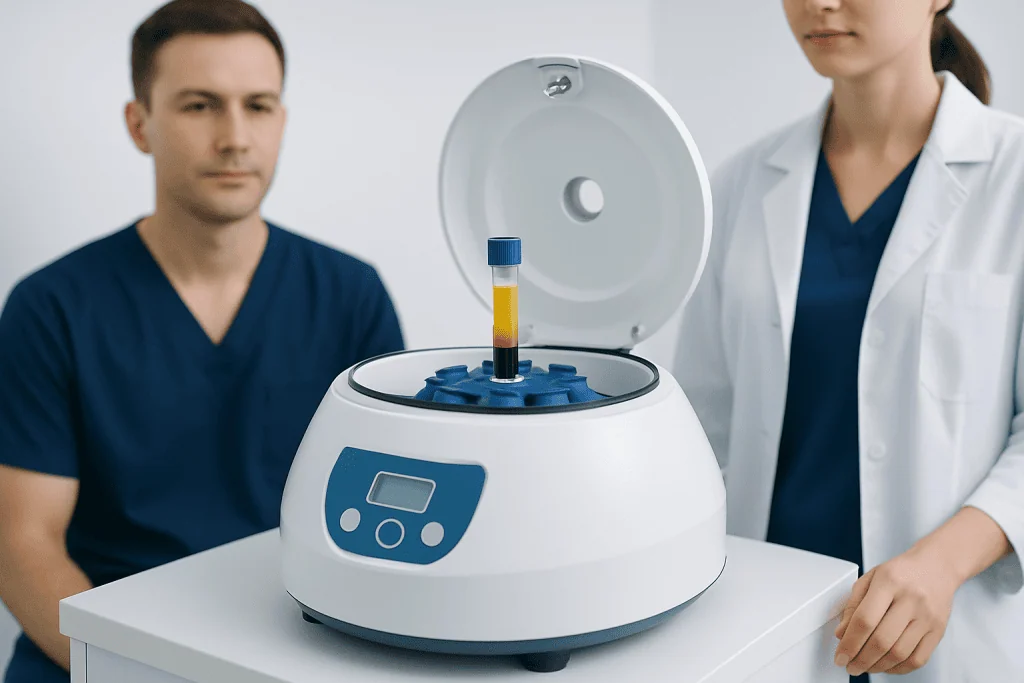
During the procedure, blood is drawn and placed in a centrifuge, which separates its components. The platelet-rich portion is then prepared for use and injected, or sometimes applied during another procedure, into the area being treated. The goal is to encourage the body’s natural healing response in a more targeted way.
PRP therapy is used across several fields of medicine. Common examples include some tendon and joint problems, selected sports injuries, hair thinning, and certain skin rejuvenation treatments. It is not a cure-all, and its usefulness depends on the condition, the severity of the problem, and the quality of the treatment plan.
Because PRP comes from the patient’s own blood, the risk of allergic reaction is low. Even so, it remains a medical procedure that should be performed by trained professionals after a careful diagnosis and discussion of expected benefits, limitations, and alternatives.
What PRP Treatment Is Used For
PRP treatment is most often discussed in three broad areas: musculoskeletal medicine, hair restoration, and skin or aesthetic medicine. In musculoskeletal care, it may be offered for some tendon injuries, overuse conditions, and certain joint symptoms. Examples may include tennis elbow, some tendon irritation around the shoulder, or selected knee problems. In some cases, PRP may be considered as part of a broader plan that also includes physical therapy, activity changes, or other non-surgical treatments.
For hair loss, PRP may be used in people with certain types of thinning hair, especially when hair follicles are still active. It is commonly discussed alongside treatments for hair loss and may be part of a non-surgical approach to support hair density or reduce shedding. It is not suitable for every cause of hair loss, so diagnosis is essential before treatment begins.
In skin care and aesthetic medicine, PRP may be used to support skin texture, recovery, and overall rejuvenation, sometimes together with procedures such as microneedling or other dermatologist-led treatments. Patients may hear it described as part of a regenerative skin approach. Depending on the goal, a specialist may also discuss related options such as hair transplant for advanced hair loss or dermatology care for skin and scalp evaluation.
Although PRP has become widely known, the strength of evidence is not the same for every use. Some conditions are better studied than others. For that reason, doctors usually recommend PRP only after matching it carefully to the individual diagnosis and explaining where the evidence is stronger and where it remains more limited.
Who May Be a Good Candidate

A good candidate for PRP treatment is usually someone with a clearly defined condition that may respond to regenerative support and who has realistic expectations about the outcome. In many cases, PRP is considered when symptoms have not fully improved with rest, exercise-based therapy, medication, or other standard approaches, but surgery is not yet necessary or may be better avoided if possible.
For hair and skin concerns, ideal candidates often have early or moderate changes rather than severe tissue loss or complete follicle inactivity. For orthopedic uses, patients may benefit most when the problem involves soft tissue irritation or mild to moderate degeneration rather than advanced structural damage. The best candidate profile depends on the body area and diagnosis.
Not everyone is suitable for PRP. A doctor may postpone or avoid treatment in people with certain blood disorders, active infection, uncontrolled chronic illness, severe anemia, or problems affecting platelet function. Use of blood-thinning medicines, smoking, and poor general health can also influence whether the treatment is appropriate or how well it may work.
Before recommending PRP, clinicians usually review medical history, medications, prior treatments, and treatment goals. This helps ensure that the patient understands the likely benefits, the possibility of needing repeated sessions, and the chance that PRP may provide only partial improvement.
How the Procedure Is Done and What to Expect
PRP treatment is usually performed as an outpatient procedure. First, a small amount of blood is drawn from a vein, much like a routine blood test. The sample is then spun in a centrifuge to separate and concentrate the platelets. After preparation, the platelet-rich plasma is placed into a syringe for injection into the target area.
The exact technique depends on the reason for treatment. In orthopedic care, the injection may be guided by ultrasound to improve accuracy, especially for tendons, ligaments, or joints. In hair restoration, multiple small injections are often placed across areas of thinning. In skin care, PRP may be injected or used alongside other treatments such as regenerative medicine approaches when clinically appropriate and specialist-led, although the treatment plan depends on the condition and local practice.
Most sessions are relatively brief, but the total appointment time can be longer because of preparation and observation. Mild discomfort, pressure, or soreness after the procedure is common. Some people return to daily activities quickly, while others are advised to rest the treated area for a short period, particularly after tendon or joint injections.
Doctors often provide aftercare instructions based on the body area treated. This may include avoiding strenuous exercise for a short time, using cold packs, and following a rehabilitation plan if the problem is orthopedic. Because healing is gradual, benefits are not usually immediate, and some people may need a series of sessions rather than a single treatment.
Results, Benefits, and Limitations
The potential benefit of PRP treatment is that it may help support the body’s own repair processes. For some patients, this can mean less pain, improved function, better tissue quality, or visible improvements in hair or skin over time. However, PRP does not work equally well for every person or every condition.
Results are often gradual. In musculoskeletal problems, improvement may take weeks to months as tissues recover and rehabilitation progresses. For hair restoration, visible change may take several months because hair growth follows a natural cycle. In aesthetic uses, skin improvements may also appear progressively rather than all at once.
One important limitation is that PRP is not standardized in exactly the same way everywhere. Preparation methods, platelet concentration, treatment intervals, and injection techniques can differ between clinics and medical specialties. This may partly explain why studies sometimes show mixed results and why individual experiences can vary.
PRP is also not a substitute for accurate diagnosis. If symptoms are caused by advanced arthritis, a complete tendon tear, scarring hair loss, or another condition that needs a different approach, PRP alone may not provide meaningful improvement. In those situations, other options such as rehabilitation, medication, surgery, or condition-specific care may be more suitable.
Risks, Side Effects, and Safety
PRP treatment is generally considered low risk because it uses the patient’s own blood. This reduces the chance of allergy or rejection. Still, no medical procedure is entirely risk-free, and patients should understand possible side effects before agreeing to treatment.
Common short-term effects include pain at the injection site, swelling, redness, bruising, or a feeling of tightness or pressure. These usually settle within a few days. In orthopedic injections, some people notice a temporary increase in soreness before improvement begins.
Less common risks include infection, bleeding, injury to nearby structures, or no meaningful benefit from treatment. There can also be risks related to the injection technique or the body area being treated. For example, injections near delicate structures may require careful imaging guidance and specialist experience.
Patients should always tell their doctor about medications, supplements, bleeding problems, pregnancy, recent illness, or previous reactions to procedures. Choosing a qualified medical team helps reduce avoidable risks and ensures that the treatment is performed with proper hygiene, preparation standards, and follow-up care.
Diagnosis, Alternatives, and Follow-Up
PRP treatment should start with a proper diagnosis, not just a symptom. A doctor may use physical examination, imaging, blood tests, scalp assessment, or specialist review depending on the concern. This step is essential because conditions that look similar on the surface may need very different treatments.
Alternatives to PRP depend on the diagnosis. These may include structured physical therapy, exercise therapy, anti-inflammatory treatment, orthotics, lifestyle changes, topical or oral medicines, corticosteroid injections, or surgery in selected cases. For hair concerns, a clinician may compare PRP with medical therapies or procedural options such as orthopedic care for joint and tendon issues or specialist scalp treatment when the underlying problem is not primarily regenerative.
Follow-up is an important part of the process. Doctors usually monitor symptoms, function, hair growth, or skin response over time and may adjust the plan if improvement is limited. Some patients need repeat sessions, while others may do better with a different strategy based on their response.
Near the end of the care pathway, some patients seek treatment in centers with coordinated specialty support. Acibadem International’s multidisciplinary specialists and JCI-accredited hospitals diagnose and treat conditions that may be considered for PRP treatment, particularly when orthopedic, dermatologic, or hair-related assessment is needed for international patients.
When to See a Doctor About PRP Treatment
It is sensible to see a doctor if pain, hair shedding, or skin concerns continue despite basic self-care or are affecting daily life, work, sport, or confidence. Early assessment can help identify whether PRP is a reasonable option or whether another treatment would be more appropriate.
Medical review is especially important if there is severe pain, sudden loss of function, rapid hair loss, signs of infection, unexplained swelling, or symptoms that are getting worse. These situations may point to a condition that needs prompt diagnosis rather than elective regenerative treatment.
Patients interested in PRP should also seek advice if they have chronic illness, bleeding disorders, use anticoagulants, or are unsure about the cause of their symptoms. A qualified clinician can explain expected outcomes, likely timing, and whether the evidence supports PRP for that specific situation.
In general, the best results come when PRP is chosen thoughtfully, used for the right indication, and combined with a complete treatment plan. A clear conversation with a specialist can help patients make an informed, realistic decision.
Frequently asked questions
What is PRP treatment in simple terms?
PRP treatment is a procedure that uses a concentrated part of a person’s own blood, rich in platelets, to support healing. The prepared plasma is injected into a specific area such as a joint, tendon, scalp, or skin.
What conditions can PRP treatment help with?
PRP treatment may be used for some tendon and joint problems, selected sports injuries, certain types of hair loss, and some skin rejuvenation procedures. Whether it is helpful depends on the diagnosis, severity, and the evidence for that particular use.
How long does it take to see PRP results?
Results are usually gradual rather than immediate. Musculoskeletal symptoms may improve over several weeks or months, while hair and skin changes often take a few months to become noticeable.
Is PRP treatment safe?
PRP is generally considered low risk because it is made from the patient’s own blood. Even so, temporary pain, swelling, bruising, infection risk, or lack of benefit are still possible, so it should be done by a qualified clinician.
How many PRP sessions are usually needed?
The number of sessions varies by condition and treatment goals. Some people have one session, while others may be advised to have a series of treatments with follow-up to assess the response.
Who should not have PRP treatment?
PRP may not be suitable for people with certain blood disorders, active infections, severe anemia, uncontrolled illness, or problems affecting platelet function. A doctor will also review medications such as blood thinners before deciding if treatment is appropriate.
References
- American Academy of Orthopaedic Surgeons
- American Academy of Dermatology
- National Institutes of Health
- U.S. Food and Drug Administration
- National Health Service
This article is for general information only and is not a substitute for professional medical advice. Please consult a qualified doctor about your individual situation.
Hair transplant in Turkey — costs, graft counts & a free assessment
JCI-accredited · board-certified surgeons · reply within 24h
Add us as a Preferred Source to see more of our trusted health content across Google Search, AI Overviews and Discover.