What Is Radio Radiation: How It Works, Results and What to Expect

Radiation therapy damages the DNA of targeted cells so cancer cells are less able to grow and divide. Most people receive external-beam treatment as short outpatient visits over several days or weeks.
Key Takeaways
- Radiation therapy damages the DNA of targeted cells so cancer cells are less able to grow and divide.
- Most people receive external-beam treatment as short outpatient visits over several days or weeks.
- Side effects are usually limited to the treatment area and may build gradually during treatment.
- The hardest recovery days often occur near the end of treatment or in the first one to two weeks afterward, but timing varies.
- Radiation does not make a person radioactive after standard external-beam therapy.
- The oncology team can help manage symptoms and should be contacted promptly for severe, new, or worsening concerns.
“Radio radiation” is commonly used to describe radiation therapy (radiotherapy), a medical treatment that uses carefully targeted high-energy radiation to treat cancer and, less commonly, certain noncancerous conditions. Treatment is planned individually, and side effects depend mainly on the body area treated, dose, and a person’s overall health.
What Is Radio Radiation?
“Radio radiation” is not a formal medical term, but it is often used to mean radiation therapy, also called radiotherapy. Radiation therapy uses high-energy particles or waves, such as X-rays, to damage the genetic material inside cells. Cancer cells generally have less ability than healthy cells to repair this damage, so they may stop dividing and gradually die.
Radiation can be used alone or combined with surgery, chemotherapy, immunotherapy, hormone therapy, or targeted medicines. Its goal may be to cure or control a cancer, reduce the chance of recurrence after surgery, shrink a tumor before another treatment, or relieve symptoms such as pain or bleeding.
It is important to distinguish radiation therapy from everyday radiofrequency exposure. Mobile phones, Wi-Fi, and radio signals use non-ionizing radiofrequency energy. Radiation therapy typically uses ionizing radiation, which has enough energy to affect cells and is delivered in precisely planned medical doses.
How Radiation Therapy Works and Who May Benefit
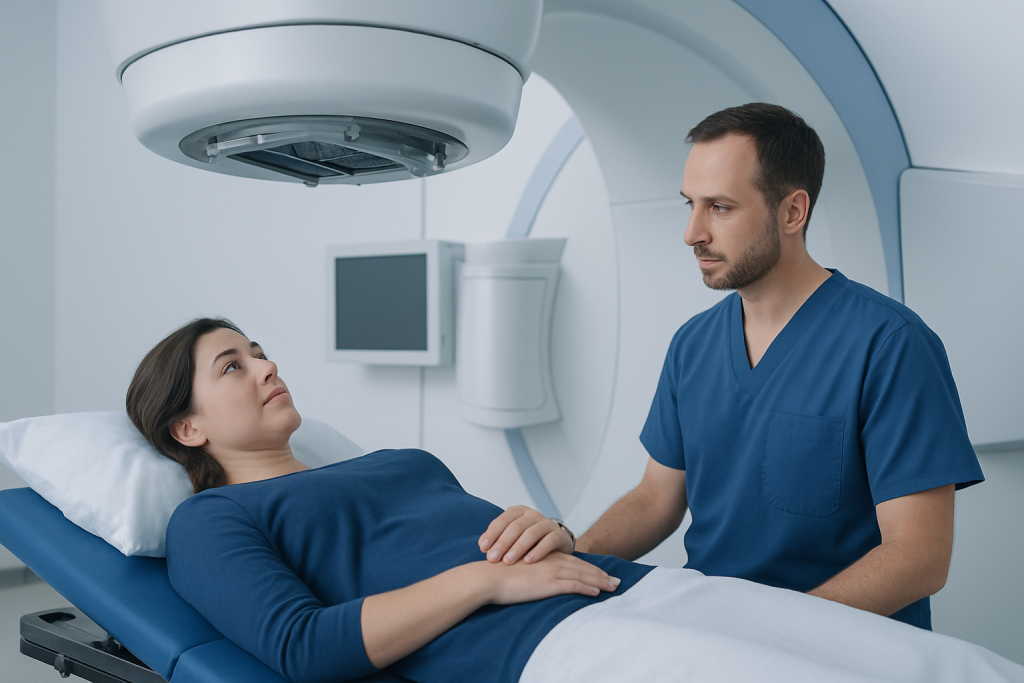
Before treatment begins, a radiation oncologist reviews the diagnosis, imaging, previous treatments, general health, and treatment goals. Modern planning aims to deliver radiation to the tumor or surgical area while reducing exposure to nearby healthy organs. The exact technique depends on the cancer type, its location, and whether it has spread.
External-beam radiation is the most common form. A machine called a linear accelerator directs beams from outside the body toward the planned treatment area. Other approaches include internal radiation, known as brachytherapy, where a radioactive source is placed in or close to the target, and systemic radioactive treatments that travel through the body for selected conditions.
People may be candidates for radiation at different points in care. For example, it may be recommended after breast-conserving surgery, alongside treatment for head and neck cancers, or to manage symptoms from cancer involving bone. The decision is individualized and should balance expected benefit, alternatives, possible side effects, and personal priorities.
Radiation therapy can be part of a broader cancer care plan, coordinated among surgeons, medical oncologists, radiation oncologists, nurses, dietitians, and other professionals as needed.
What Happens During Radiation Treatment?
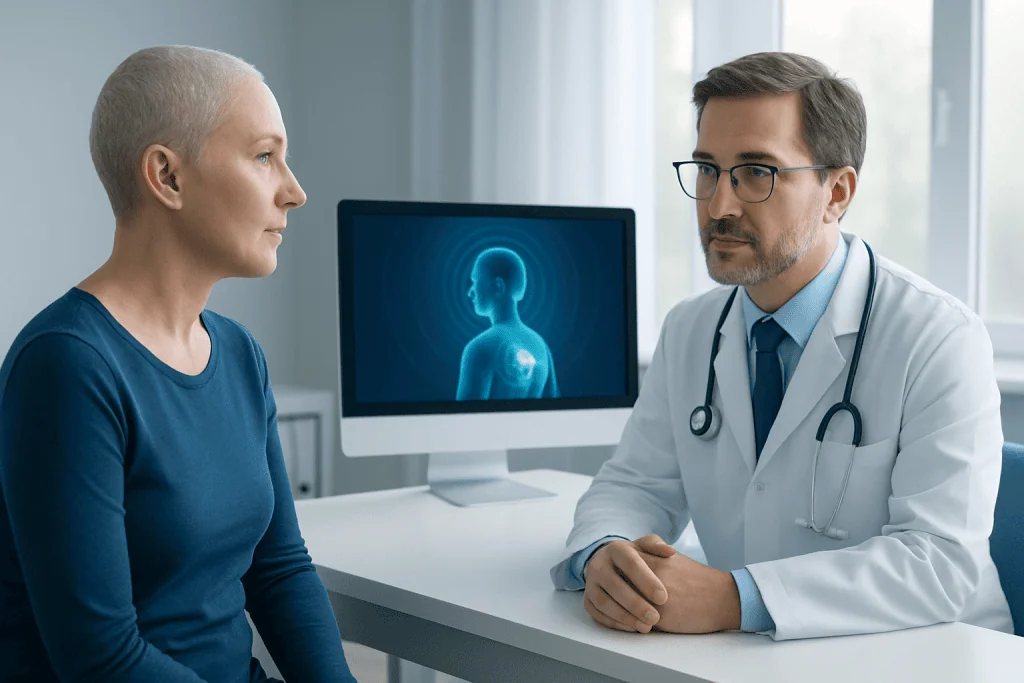
Treatment usually begins with a planning appointment called simulation. The team may use a CT scan and sometimes MRI or PET imaging to map the treatment area. Small skin marks or tiny permanent tattoo dots may be used for positioning. Depending on the body part, an immobilization device, such as a fitted mask, body mold, or vacuum cushion, may help the person stay in the same position each day.
Specialized software is then used to create a treatment plan. This process can take days to a few weeks because the team carefully calculates beam angles and dose distribution. The doctor reviews and approves the final plan before treatment starts.
For external-beam therapy, the person changes into a gown and lies on the treatment table. Radiation therapists position the body using the planning marks and imaging guidance. The machine may move around the table, but it does not touch the person and treatment itself is painless. Staff leave the room during beam delivery but watch and communicate through cameras and an intercom.
Daily appointments commonly last 15 to 30 minutes, while the radiation is delivered for only a small part of that time. Sessions are generally given on weekdays, and the overall schedule may range from a few visits to several weeks. Radiation therapy plans and schedules vary substantially by diagnosis and treatment purpose.
Benefits, Limitations, and Possible Side Effects
The main benefit of radiation therapy is its ability to target a defined area without surgery. It can eliminate microscopic cancer cells remaining after surgery, control tumor growth, or relieve symptoms. Advances such as image-guided radiation therapy, intensity-modulated radiation therapy, and stereotactic techniques can improve precision in appropriate cases.
The downside to radiation therapy is that healthy cells near the treatment area can also be affected. Many short-term effects are temporary because normal tissues can repair themselves, but some effects may persist or develop months to years later. The risk depends on the location treated, total dose, treatment technique, other therapies, and individual health factors.
Common short-term effects may include fatigue, skin redness or darkening in the treatment field, itching, tenderness, and swelling. Area-specific symptoms can include sore throat or mouth changes with head and neck treatment, nausea or bowel changes with abdominal or pelvic treatment, and urinary or sexual changes with pelvic treatment.
Longer-term risks can include tissue stiffness, scarring, changes in organ function, fertility effects, lymphedema, or a small risk of a new cancer later in life. The treatment team discusses relevant risks before treatment and monitors for them afterward. Helpful related care may include medical oncology and supportive services when treatment involves several modalities.
What Are the Hardest Days After Radiation Treatment?
For many people, the hardest days are not the first days of treatment. Side effects often build gradually because normal tissues respond over time. Symptoms may be most noticeable toward the end of a treatment course or during the first one to two weeks after external-beam radiation finishes.
Fatigue can continue for several weeks, and skin reactions may temporarily worsen after the final session before healing begins. Symptoms involving the mouth, throat, bowel, bladder, or swallowing may also peak after treatment, depending on the site treated. Some people have mild effects, while others need closer symptom support.
Recovery timelines are individual. The oncology team provides site-specific instructions on skin care, food and fluid intake, activity, medicines, and follow-up. Reporting symptoms early can make them easier to manage and may prevent dehydration, weight loss, infection, or unnecessary discomfort.
What I Wish I Knew Before Radiation?
Many people find it useful to know that radiation is a process rather than a single event. Planning can take time, treatments are usually frequent, and side effects may appear gradually. Asking about the purpose of treatment, expected benefits, likely side effects for the specific body area, and the anticipated schedule can make the experience feel more predictable.
It is also helpful to arrange practical support in advance. This may include transportation, help with meals or childcare, flexible work arrangements, and a plan for regular appointments. Comfortable clothing, a written list of questions, and a way to track symptoms, sleep, appetite, and energy levels can be useful.
People should avoid applying creams, deodorants, powders, supplements, or herbal products to the treatment area without asking the care team, as some products can irritate skin or affect care. Smoking cessation, adequate protein and fluids, gentle activity when tolerated, and rest can support general wellbeing during treatment.
Acibadem International’s multidisciplinary specialists and JCI-accredited hospitals provide assessment and treatment planning for international patients who need coordinated cancer care.
How Long Does RF Sickness Last?
“RF sickness” is not a standard medical diagnosis. It may refer to symptoms that someone attributes to radiofrequency exposure, or it may be used informally to describe feeling unwell during radiation treatment. These are different situations and should not be assumed to have the same cause.
Non-ionizing radiofrequency exposure from common communication devices has not been shown to cause a consistent syndrome called RF sickness at typical regulated exposure levels. When a person has symptoms such as headache, fatigue, dizziness, nausea, poor sleep, or concentration difficulties, a clinician can help assess possible medical, environmental, emotional, medication-related, or lifestyle contributors.
If the question refers to side effects from cancer radiation therapy, duration depends on the treatment site and individual response. Many acute effects improve within several weeks after therapy ends, although fatigue can last longer and certain late effects may occur months or years afterward. New or persistent symptoms should be discussed with the oncology team rather than self-diagnosed.
When to Seek Medical Care
A person receiving radiation therapy should contact their treatment team promptly for symptoms that are severe, sudden, or worsening. This includes fever, uncontrolled pain, repeated vomiting, inability to drink fluids, signs of dehydration, significant shortness of breath, chest pain, confusion, severe diarrhea, heavy bleeding, or a rapidly spreading skin reaction.
Urgent medical assessment is also important for swelling of the face or throat, trouble breathing or swallowing, weakness on one side of the body, new seizures, or other symptoms that could indicate an emergency. The care team can explain which symptoms are expected for the treated area and which need same-day attention.
After treatment has ended, follow-up visits remain important. They allow clinicians to evaluate response, support recovery, manage longer-term effects, and coordinate further care when needed. People should bring new concerns to a qualified doctor even if they are unsure whether symptoms are related to prior radiation.
Frequently asked questions
Does radiation therapy hurt during treatment?
External-beam radiation treatment is painless while the beam is on. The machine may make noise and the person must remain still, but they do not feel the radiation itself. Some side effects, such as skin tenderness or fatigue, can develop later depending on the treatment area.
Will a person be radioactive after radiation therapy?
People who receive standard external-beam radiation are not radioactive afterward and can safely be around family, friends, children, and pregnant people. Certain internal or systemic radioactive treatments may require temporary safety precautions. The treatment team gives clear instructions when those precautions apply.
What are the hardest days after radiation treatment?
For many people, symptoms are most noticeable near the end of a treatment course or in the first one to two weeks after it ends. Skin reactions and fatigue can temporarily continue or worsen before recovery begins. The exact timeline depends on the treated body area and the individual plan.
What should someone know before starting radiation therapy?
It helps to understand the treatment goal, number of visits, expected area-specific effects, and how to contact the care team outside normal hours. People should discuss all medicines, supplements, prior treatments, pregnancy concerns, and existing health conditions. Planning transportation and practical support can also reduce stress during treatment.
What is the downside to radiation therapy?
Radiation can affect healthy tissue near the target area, causing short-term or longer-term side effects. Possible effects vary by treatment location and may include fatigue, skin changes, bowel or bladder symptoms, swallowing difficulties, fertility effects, or tissue stiffness. The doctor weighs these risks against the likely benefit before recommending treatment.
How long does RF sickness last?
RF sickness is not a recognized standard medical diagnosis, and symptoms attributed to radiofrequency exposure should be assessed individually. If the term is being used for side effects of cancer radiation therapy, many acute symptoms improve within weeks after treatment, though fatigue may last longer. Persistent, severe, or new symptoms should be evaluated by a healthcare professional.
References
- National Cancer Institute
- American Cancer Society
- American Society for Radiation Oncology
- International Atomic Energy Agency
- World Health Organization
This article is for general information only and is not a substitute for professional medical advice. Please consult a qualified doctor about your individual situation.
Oncology care in Turkey — second opinion and treatment plan
JCI-accredited · board-certified surgeons · reply within 24h
Add us as a Preferred Source to see more of our trusted health content across Google Search, AI Overviews and Discover.