What Is the Average Size of a Man? Causes, Explanations, and Next Steps

Penis size varies naturally, and most men are within a broad normal range. Accurate measurement matters because perception is often influenced by anxiety, body image, or comparison.
Key Takeaways
- Penis size varies naturally, and most men are within a broad normal range.
- Accurate measurement matters because perception is often influenced by anxiety, body image, or comparison.
- A doctor may evaluate hormonal, developmental, structural, or erectile issues when symptoms are present.
- Red flags include sudden size change, pain, penile curvature, difficulty with erections, or delayed puberty.
- Treatment depends on the cause and may range from reassurance to hormone or urology care.
What is the average size of a man? In everyday health discussions, this usually means penis size, and the most important point is that size varies naturally and most men are within a normal range. Concerns are often harmless, but sudden changes, pain, erection problems, or marked curvature deserve medical attention.
Overview: what this question usually means
When people ask, “what is the average size of a man,” they usually mean penis size rather than overall body size. In medical practice, the reassuring message comes first: penis size varies naturally, and for most adults, variation within a broad range is normal and not a sign of disease.
Researchers measure length in standardized ways, usually when the penis is flaccid, stretched, or erect. Published studies show that stretched penile length often roughly reflects erect length, and average values for adults generally fall around the mid-range of what many people expect rather than the extremes often seen in media or online claims.
Just as important, size by itself does not determine sexual function, fertility, masculinity, or the ability to have satisfying intimacy. People commonly overestimate what is “normal,” which can create unnecessary worry. That is why doctors look not only at measurements, but also at symptoms, development, erections, curvature, and overall health.
If someone is concerned, the next step is not to assume a problem but to assess whether there are warning signs. Sudden change in size, pain, significant bend, trouble with erections, or concerns about delayed puberty are more useful medical clues than a number alone.
What counts as average or normal size?
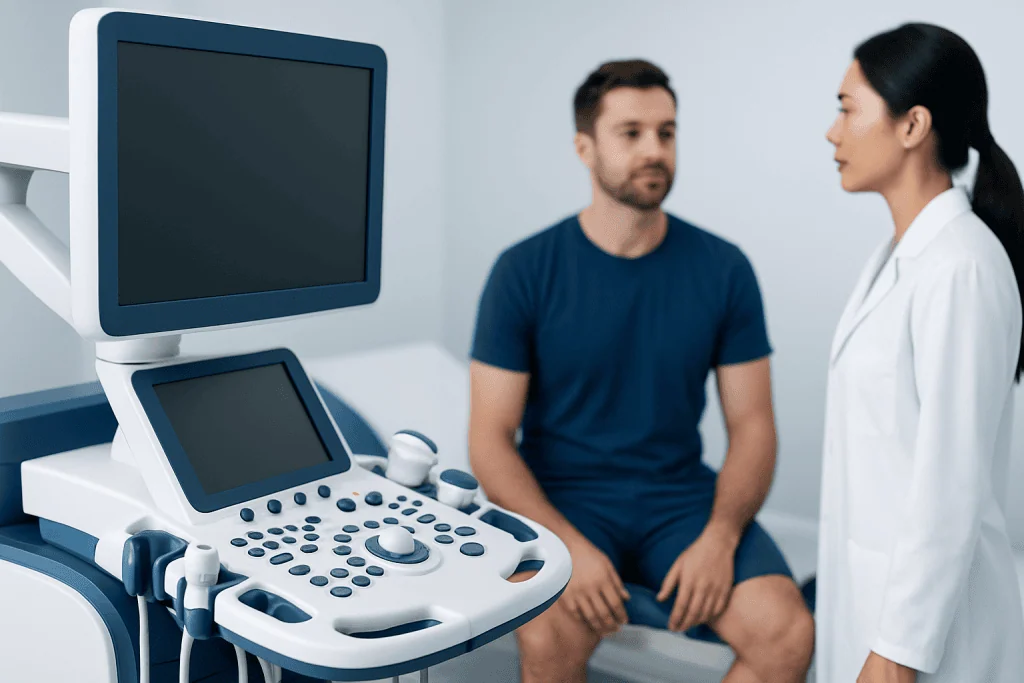
There is no single “perfect” or required penis size. In adults, normal includes a wide range, and average values differ slightly depending on how measurement is taken. Flaccid size varies greatly because temperature, stress, activity, and time of day can all affect it. For that reason, flaccid length alone is not the best way to judge whether size is typical.
Doctors often use stretched penile length as a practical clinical measure. It is measured from the pubic bone to the tip of the penis while gently stretching it, with fat at the pubic area pressed inward so the bone-based length is recorded accurately. This method reduces some of the day-to-day variation seen in the flaccid state.
A true medical concern about small size is usually framed as micropenis, which is a specific diagnosis based on standardized measurement and age-related criteria, not simply feeling smaller than average. In adults, this diagnosis is uncommon. More often, men who worry about size are actually within the normal range and benefit from accurate measurement and reassurance.
Appearance can also be affected by factors other than actual penile length. A prominent pubic fat pad, skin conditions, scarring, or a buried penis can make the penis look shorter. In these situations, a medical assessment can help distinguish a visual concern from a structural or treatable problem.
Why concerns about size happen

Many concerns arise from perception rather than disease. Looking down from above can make the penis seem shorter than it appears from the side or in a mirror. Comparison with pornography, social media, locker-room memories, or inaccurate online claims can also distort expectations. Body image anxiety may play a major role even when measurements are normal.
Sometimes there is a medical explanation. Hormonal issues during fetal development, childhood, or puberty can affect genital growth. Conditions involving the testes, pituitary gland, or testosterone production may be relevant in some patients, especially when size concerns are paired with delayed puberty, infertility, low libido, or reduced body hair.
Structural conditions can change shape or apparent length later in life. Scar tissue inside the penis can cause bending and perceived shortening, as seen in Peyronie’s disease. Weight gain around the lower abdomen may also create a buried or hidden appearance, making a normal-sized penis seem smaller.
Erectile dysfunction can further contribute to the impression of reduced size because erections may become less firm or less complete. This does not necessarily mean the penis itself has become smaller. In some cases, evaluation for erectile dysfunction helps clarify whether the main issue is function, anatomy, or anxiety.
Red flags that deserve medical review
Most size concerns are not dangerous, but some symptoms should prompt a medical visit. A sudden decrease in apparent size, new pain, difficulty achieving or maintaining an erection, or a new bend or lump in the penis are important reasons to seek evaluation. These symptoms can point to scarring, inflammation, circulation problems, or another treatable condition.
Medical review is also appropriate if puberty seems delayed or incomplete. In teenagers or young adults, concerns such as very limited genital growth, lack of voice changes, sparse body hair, or unusually small testes may suggest a hormonal or developmental issue. Early assessment can help identify whether endocrine testing is needed.
Other reasons to see a doctor include trouble urinating, repeated infections, skin changes, trauma, or infertility concerns. Men who feel persistent distress about penis size despite reassurance may also benefit from professional support, because body image and sexual confidence can affect quality of life even when anatomy is normal.
Although online products may promise enlargement, sudden, dramatic, or permanent gains are not supported by reliable evidence for most non-medical products. A clinician can help distinguish safe options from interventions that may be ineffective or harmful.
How doctors evaluate size concerns
A medical evaluation usually begins with a private, respectful conversation. The doctor asks when the concern started, whether size has changed over time, and whether there are related symptoms such as erection difficulties, pain, curvature, infertility, low sexual desire, or changes in puberty and body hair. Past medical history, medications, weight changes, and previous surgery or injury can also matter.
The physical exam may include measuring stretched penile length, examining the testes and scrotum, and checking for scarring, plaques, skin conditions, or signs of hormonal imbalance. If excess pubic fat is making the penis appear smaller, this may become clear during the exam. In many cases, this examination is enough to reassure the patient that findings are normal.
When needed, additional tests can help identify underlying causes. These may include hormone blood tests such as testosterone and pituitary-related hormones, fertility testing, or imaging in selected cases. If erection quality is the main issue, the doctor may assess blood flow or other causes of sexual dysfunction.
Evaluation is tailored to the individual. Some people only need education and reassurance, while others may be referred to a urologist, endocrinologist, or men’s health specialist for more specific care. The goal is to understand both anatomy and function, rather than focusing on a number in isolation.
Treatment options and next steps
Treatment depends on the cause. If measurements are normal and no disease is found, the most helpful next step may be reassurance, education about normal variation, and discussion of body image concerns. For many patients, understanding how penis size is measured and how much normal variation exists greatly reduces worry.
If there is an underlying medical condition, treatment targets that issue. Hormonal disorders may need endocrine evaluation and treatment. Erectile difficulties may be addressed through lifestyle changes, counseling, medication, or specialist care such as treatment for erectile dysfunction. Curvature or scar-related shortening may need focused urology assessment and, in selected cases, procedural treatment.
When excess abdominal or pubic fat contributes to a buried appearance, weight management can improve visible length and overall health. In rare situations involving true structural problems, reconstructive approaches may be considered through urology care. Any surgical discussion should be careful and individualized, because surgery carries risks and is not appropriate for most people with normal anatomy.
Patients should be cautious about pills, creams, devices, or procedures marketed directly to consumers. Many are poorly studied, and some can cause injury, pain, scarring, or disappointment. A qualified doctor can explain which options are evidence-based and which are best avoided. Near the end of the care journey, some international patients choose centers such as Acibadem International, where multidisciplinary specialists in JCI-accredited hospitals evaluate and treat men’s health concerns.
Self-care, body image, and practical reassurance
For many men, the healthiest next step is not chasing a larger number but focusing on sexual health, body confidence, and general well-being. Regular exercise, weight management, good sleep, avoiding smoking, and controlling long-term conditions such as diabetes or high blood pressure can support better erectile function and overall confidence.
Accurate measurement, if a doctor advises it, is more helpful than repeated self-checking. Frequent measuring often increases anxiety without giving useful information. It may also help to remember that sexual satisfaction depends on communication, arousal, intimacy, comfort, and function much more than on size alone.
Mental health support can be valuable when worry becomes persistent or affects relationships. Men who avoid intimacy, feel ashamed, or spend significant time comparing themselves with unrealistic online images may benefit from counseling. This is especially true if the concern continues even after medical reassurance.
Some people who worry about size are actually noticing changes caused by function rather than anatomy. If erection firmness is the main problem, seeking help for sexual function can be more effective than looking for enlargement. Related concerns such as penile prosthesis treatment are generally considered only for selected patients with significant erectile dysfunction after specialist evaluation.
When to seek medical care
Medical care is a good idea if there is a sudden or noticeable change in size, new curvature, pain during erection, a lump or plaque in the penis, difficulty with erections, or concerns about delayed puberty. These issues do not always mean a serious condition, but they are specific reasons for a proper assessment rather than self-diagnosis.
It is also reasonable to seek care if fertility is a concern, if there has been trauma or surgery affecting the genital area, or if body image worry is causing ongoing distress. A doctor can clarify whether the issue is normal variation, a hormonal problem, a structural condition, or a treatable sexual health concern.
Prompt evaluation is especially important if symptoms develop quickly, interfere with urination or sexual function, or are accompanied by testicular changes. Early assessment often makes it easier to identify the cause and discuss the most suitable options.
Frequently asked questions
What is the average size of a man usually referring to?
In health articles and everyday questions, it usually refers to penis size. Doctors consider both length and function, and they emphasize that normal includes a broad range.
Is being smaller than expected usually a medical problem?
Not usually. Many men who worry about size are within the normal range, and differences in body shape, pubic fat, and perspective can make the penis appear smaller than it is.
Can penis size change over time?
Apparent size can change with weight gain, temperature, stress, aging, and erection quality. A true sudden change, especially with pain or curvature, should be evaluated by a doctor.
How do doctors measure penis size accurately?
Doctors commonly measure stretched penile length from the pubic bone to the tip of the penis. Pressing gently to the pubic bone helps account for fatty tissue and gives a more reliable clinical measurement.
Does a smaller penis cause infertility?
Size alone does not determine fertility. Fertility depends more on sperm production, hormone balance, testicular function, and the ability to have intercourse or provide a semen sample when needed.
Are enlargement products effective?
Many over-the-counter products are not supported by strong evidence, and some may cause irritation, injury, or scarring. It is safer to discuss concerns with a qualified doctor before trying any product or device.
When should someone seek medical advice about penis size?
A medical visit is appropriate for sudden change, pain, new curvature, erection problems, delayed puberty, fertility concerns, or significant emotional distress. Even when the cause is harmless, professional evaluation can provide clarity and reassurance.
References
- American Urological Association
- European Association of Urology
- Urology Care Foundation
- National Institute of Diabetes and Digestive and Kidney Diseases
- Mayo Clinic
This article is for general information only and is not a substitute for professional medical advice. Please consult a qualified doctor about your individual situation.
Explore treatments in Turkey — costs, top hospitals & a free quote
JCI-accredited · board-certified surgeons · reply within 24h
Add us as a Preferred Source to see more of our trusted health content across Google Search, AI Overviews and Discover.