What Is the First Sign of Huntington’s Disease?

The first sign of Huntington’s disease is often subtle and may involve movement, mood, or cognitive changes. Early symptoms can include clumsiness, fidgeting, irritability, depression, or trouble concentrating.
Key Takeaways
- The first sign of Huntington’s disease is often subtle and may involve movement, mood, or cognitive changes.
- Early symptoms can include clumsiness, fidgeting, irritability, depression, or trouble concentrating.
- Diagnosis is based on neurological assessment, family history, and genetic testing when appropriate.
- There is no cure, but treatment can help manage symptoms and support quality of life.
- People with a family history of Huntington’s disease should seek professional genetic counseling before testing.
The first sign of Huntington’s disease is often not one single symptom but a gradual change in movement, mood, or thinking. Early symptoms can be mild and easy to overlook, which is why careful medical evaluation is important when concerns arise.
Overview
Huntington’s disease is an inherited condition that affects the brain over time. It gradually changes movement, thinking, and behavior. Because it develops slowly, the earliest changes may be mild and may not be recognized right away by the person or their family.
When people ask about the first sign of Huntington’s disease, there is not always a single clear answer. For some, the earliest sign is a slight movement change, such as clumsiness, restlessness, or unusual fidgeting. For others, mood changes such as irritability, depression, or anxiety may appear first. Some people notice thinking changes, including difficulty focusing, planning, or keeping up with familiar tasks.
These early signs do not confirm Huntington’s disease on their own. Many other conditions can cause similar symptoms. However, if symptoms are persistent, gradually worsening, or linked with a family history, medical assessment is important. Early diagnosis can help people better understand symptoms, plan care, and access support.
What Is Usually the First Sign of Huntington’s Disease?
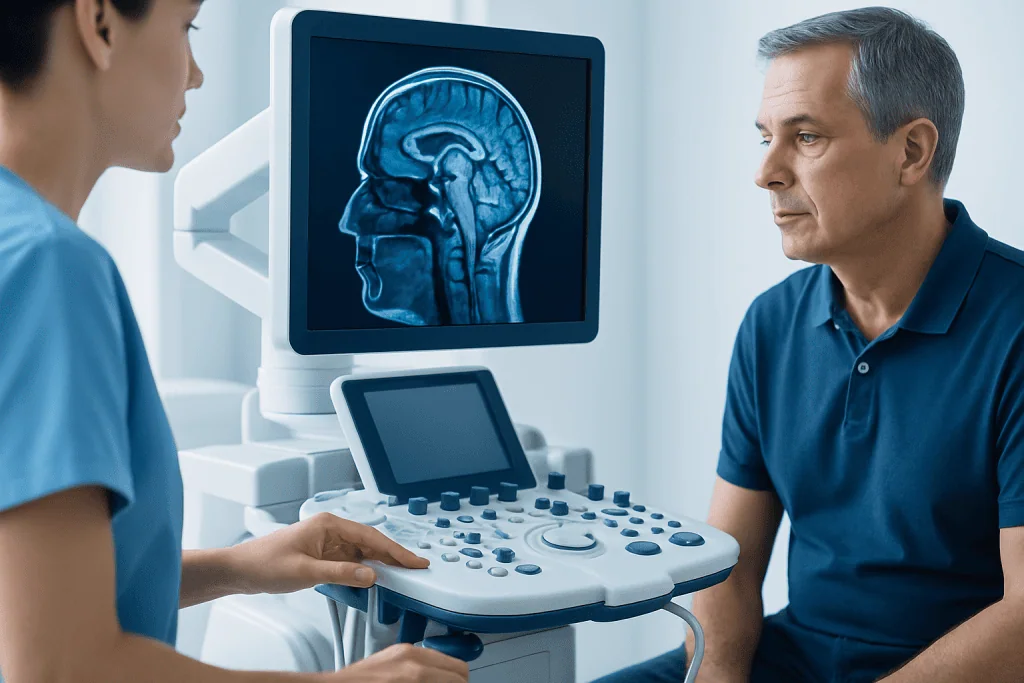
The first sign of Huntington’s disease is often subtle and may differ from person to person. In many cases, early movement changes are noticed first. These can include slight jerking, fidgeting, poor coordination, changes in handwriting, dropping objects, or seeming unusually clumsy. These movements may be mistaken for nervous habits or simple awkwardness at first.
In other people, the earliest noticeable changes are emotional or behavioral. A person may become more irritable, withdrawn, depressed, anxious, or less interested in usual activities. Sometimes loved ones notice these changes before the person does. Because these symptoms are common in many other conditions, they can be difficult to connect to Huntington’s disease early on.
Thinking changes can also be among the first signs. A person may have trouble organizing tasks, making decisions, concentrating, or learning new information. Work performance may change, daily routines may feel harder, or multitasking may become more difficult. These changes are often gradual rather than sudden.
Overall, the earliest sign is usually a small but persistent change in how a person moves, feels, or thinks. The pattern, family history, and progression over time are what help doctors decide whether further evaluation for Huntington’s disease is needed.
Common Early Symptoms

Early Huntington’s disease symptoms can vary widely. Some people have mostly movement-related symptoms at first, while others have mood or cognitive symptoms. The condition tends to affect several areas of life rather than only one.
Common early symptoms may include:
- Unusual fidgeting or involuntary movements
- Clumsiness, poor balance, or frequent minor accidents
- Changes in speech or swallowing that begin gradually
- Irritability, anxiety, or low mood
- Reduced motivation or social withdrawal
- Trouble concentrating or organizing tasks
- Slower thinking or difficulty making decisions
- Sleep disturbances or daytime fatigue
These symptoms usually progress slowly. In the early stage, a person may still manage daily life independently, but tasks can begin to feel more demanding. Family members or coworkers may notice changes before a formal diagnosis is made.
It is also important to remember that not everyone develops symptoms in the same order. Some people may show movement changes first, while others mainly struggle with mood or thinking changes. This variation is one reason why expert neurological evaluation is so valuable.
Causes and Risk Factors
Huntington’s disease is caused by a change in the HTT gene. This altered gene leads to the production of an abnormal protein, which gradually damages certain brain cells. Over time, this causes the movement, cognitive, and psychiatric symptoms associated with the disease.
The main risk factor is family history. Huntington’s disease is inherited in an autosomal dominant pattern, which means a child of an affected parent has a 50% chance of inheriting the altered gene. A person who does not inherit the gene does not develop the disease and cannot pass it on to their children.
Symptoms most often begin in adulthood, commonly between ages 30 and 50, although onset can happen earlier or later. In some families, symptoms may appear at younger ages in successive generations. There is also a less common juvenile form, which begins in childhood or adolescence and may present differently.
Having a family history does not always mean symptoms are already present. Some people seek medical advice because they are worried about future risk rather than because they have clear symptoms. In these situations, genetic counseling is especially important before any testing is considered.
How Doctors Diagnose It
Diagnosing Huntington’s disease usually starts with a detailed medical history and neurological examination. The doctor asks about movement changes, mood symptoms, thinking difficulties, and family history. They also assess balance, reflexes, coordination, speech, and involuntary movements.
Because early symptoms can overlap with many neurological or psychiatric conditions, diagnosis may take time. Brain imaging such as MRI or CT can help rule out other causes of symptoms, but imaging alone does not confirm Huntington’s disease. Cognitive and psychiatric assessments may also be helpful in understanding how symptoms are affecting daily life.
Genetic testing can confirm whether the altered HTT gene is present. This is a major step and should be approached carefully. People with symptoms may be offered testing as part of their evaluation. People without symptoms but with a family history may also consider predictive genetic testing, but this should only be done with proper counseling because of its emotional and practical impact.
In many cases, care involves more than one specialist. A neurologist may lead the evaluation, while psychiatry, psychology, genetics, and rehabilitation specialists may also contribute. If movement symptoms need closer assessment, doctors may recommend care in a center experienced in movement disorders treatment.
Treatment Options and Support
There is currently no cure that stops or reverses Huntington’s disease, but treatment can help manage symptoms and maintain quality of life. Care is usually individualized because symptoms and their progression vary from person to person. Treatment may address movement problems, emotional symptoms, sleep issues, and difficulties with speech or swallowing.
Medicines may be used to reduce involuntary movements or to manage depression, anxiety, irritability, or other psychiatric symptoms. Non-drug approaches are also very important. Physical therapy can help with balance, strength, mobility, and fall prevention. Occupational therapy may support daily activities, while speech and language therapy can help with communication and swallowing challenges.
Psychological and social support also play an important role. Living with a progressive neurological condition can be emotionally difficult for both patients and families. Counseling, support groups, and regular follow-up can help people adapt to changes and make informed decisions about work, driving, safety, and future care planning.
Because Huntington’s disease affects several areas of health, coordinated care often brings the most benefit. Depending on symptoms, a person may also benefit from neurology care and structured physical therapy and rehabilitation. Near the end of the care pathway, some international patients choose centers such as Acibadem International, where multidisciplinary specialists in JCI-accredited hospitals diagnose and treat complex neurological conditions.
Prevention, Self-care, and Family Planning
Huntington’s disease cannot be prevented if a person has inherited the altered gene. However, early medical care and healthy daily habits can help manage symptoms and support overall well-being. Regular exercise, balanced nutrition, good sleep habits, and structured routines may help a person stay as independent as possible for longer.
Self-care is also about safety and support. If balance or coordination is changing, it may help to reduce fall hazards at home, review driving safety with a doctor, and seek rehabilitation support early. If mood symptoms or stress are affecting daily life, mental health support should be part of care rather than treated as a separate issue.
Family planning is another important topic. People with a family history of Huntington’s disease may wish to speak with a genetic counselor before having children or before pursuing genetic testing. Counseling can help explain inheritance, testing choices, emotional implications, and reproductive options in a neutral and informed way.
Loved ones may also need guidance. Family members often notice early changes first and may take on caregiving responsibilities over time. Education, social support, and open communication can make a meaningful difference for the whole family.
When to See a Doctor
A person should see a doctor if they or their family notice ongoing changes in movement, mood, or thinking that are unusual for them. Symptoms that gradually worsen, interfere with work or daily tasks, or occur along with a known family history deserve medical attention. Even if the cause is not Huntington’s disease, assessment can help identify other treatable conditions.
It is especially important to seek help for depression, anxiety, personality changes, or any thoughts of self-harm. Mental health symptoms are a real part of Huntington’s disease and should be treated seriously and compassionately. Prompt support can improve safety and quality of life.
People with a parent or close relative affected by Huntington’s disease may also wish to speak with a doctor or genetic counselor even before symptoms begin. Professional advice can help them understand their risk, decide whether testing is appropriate, and plan next steps carefully.
Early evaluation does not change the genetic cause, but it can reduce uncertainty, guide symptom management, and connect the person and family with practical support. When concerns arise, a qualified healthcare professional is the best source of advice.
Frequently asked questions
What is usually the very first symptom of Huntington’s disease?
The first symptom is often a subtle change rather than one dramatic sign. It may be mild clumsiness, fidgeting, mood changes such as irritability or depression, or trouble concentrating. The earliest symptom can differ from one person to another.
At what age do symptoms of Huntington’s disease usually begin?
Symptoms most often start in adulthood, commonly between ages 30 and 50. However, they can begin earlier or later. A less common juvenile form can appear in childhood or adolescence.
Can mood changes appear before movement problems?
Yes, mood and behavior changes can appear before obvious movement symptoms. Some people first develop depression, irritability, anxiety, or reduced motivation. This is one reason the condition may be difficult to recognize early.
How is Huntington’s disease confirmed?
Doctors usually begin with a medical history and neurological examination. If Huntington’s disease is suspected, genetic testing can confirm whether the altered HTT gene is present. Genetic counseling is important before and after testing.
If a parent has Huntington’s disease, will their child definitely get it?
No, but each child of an affected parent has a 50% chance of inheriting the altered gene. Inheriting the gene means the person is at risk of developing the disease. A genetic counselor can help explain what this means for individuals and families.
Is there a cure for Huntington’s disease?
There is currently no cure that stops the disease completely. However, treatment can help manage movement, mood, and thinking symptoms. Supportive therapies and regular follow-up can improve comfort, function, and quality of life.
References
- National Institute of Neurological Disorders and Stroke
- National Institute on Aging
- NHS
- MedlinePlus
- Huntington's Disease Society of America
This article is for general information only and is not a substitute for professional medical advice. Please consult a qualified doctor about your individual situation.
Explore treatments in Turkey — costs, top hospitals & a free quote
JCI-accredited · board-certified surgeons · reply within 24h
Add us as a Preferred Source to see more of our trusted health content across Google Search, AI Overviews and Discover.