What Medicine Is Best for a Headache? How Doctors Match Treatment to Symptoms

There is no single best headache medicine for everyone; treatment depends on the headache type. Tension headaches, migraines, cluster headaches, and sinus-related pain are managed differently.
Key Takeaways
- There is no single best headache medicine for everyone; treatment depends on the headache type.
- Tension headaches, migraines, cluster headaches, and sinus-related pain are managed differently.
- Doctors consider symptoms, frequency, triggers, age, pregnancy status, and other health conditions before recommending medicine.
- Frequent use of pain relievers can sometimes cause medication-overuse headache.
- New, severe, or unusual headaches should be evaluated promptly, especially if they come with neurological symptoms or fever.
The best headache medicine depends on what kind of headache a person has, how often it happens, and whether there are warning signs that suggest an underlying illness. Doctors choose treatment by matching the medicine to the headache pattern, associated symptoms, and the person’s overall health.
Overview: Why the Right Headache Medicine Varies
Headache is a symptom, not a single disease. A person may develop a headache from muscle tension, migraine, dehydration, poor sleep, sinus inflammation, infection, eye strain, medication overuse, or many other causes. Because the reasons are different, the most suitable headache medicine also differs from one person to another.
Doctors usually begin by identifying the headache type. Common primary headaches include tension-type headache, migraine, and cluster headache. Secondary headaches happen because of another issue, such as sinus disease, a fever-related illness, high blood pressure in some settings, a head injury, or a medication side effect. The goal is not only to reduce pain, but also to treat the cause when one is present.
In general, treatment falls into two broad groups: medicines that stop a headache once it starts, and medicines that help prevent future attacks. Some people only need occasional symptom relief, while others benefit from a longer-term plan that includes lifestyle changes, trigger management, and preventive treatment. This is especially important for recurrent migraine or chronic headaches.
Common Types of Headache and Their Symptoms
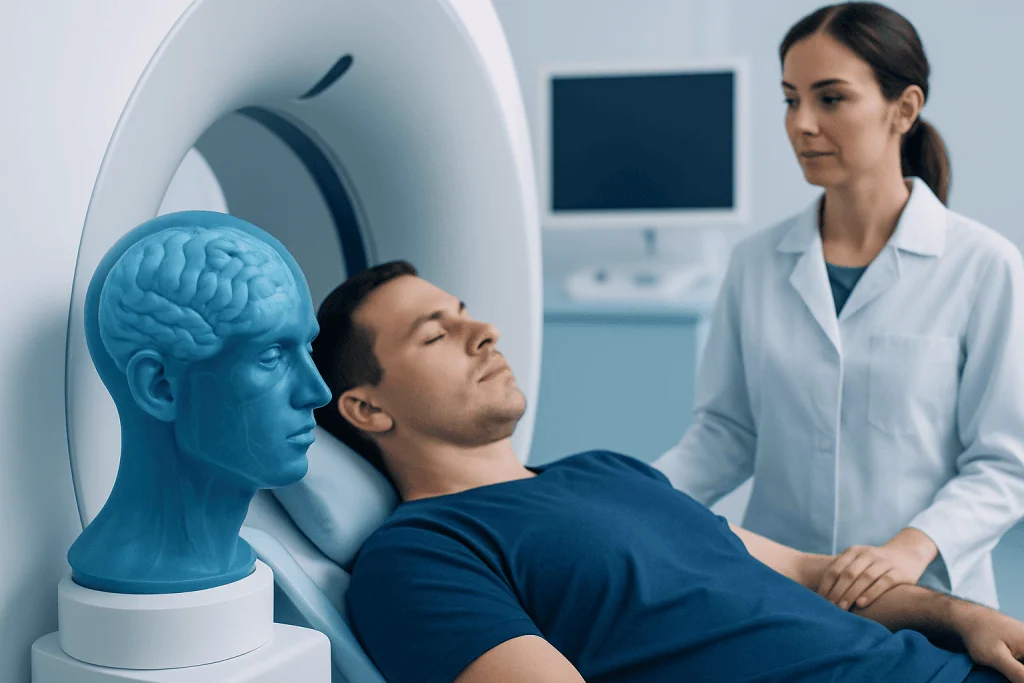
Tension-type headache is often described as a steady, pressing, or tightening pain on both sides of the head. It may feel like a band around the forehead or pressure in the neck and scalp. Many people notice it during periods of stress, poor posture, prolonged screen time, or fatigue. It usually does not cause severe nausea or strong sensitivity to light and sound.
Migraine commonly causes moderate to severe throbbing or pulsating pain, often on one side of the head, although both sides can be involved. It may come with nausea, vomiting, and sensitivity to light, sound, or smells. Some people experience aura before the headache, such as flashing lights, blind spots, tingling, or speech changes. Migraine attacks may last for hours or even days if untreated.
Cluster headache is less common but very painful. It typically causes intense pain around one eye or temple, often with tearing, nasal congestion, redness of the eye, or drooping of the eyelid on the same side. The attacks tend to come in groups over weeks or months. Sinus-related headache may involve facial pressure and nasal symptoms, but true sinus headache is less common than many people think, and migraine is often mistaken for it.
- Tension headache: pressure or tightness, often mild to moderate
- Migraine: throbbing pain with nausea or light sensitivity
- Cluster headache: severe one-sided pain around the eye
- Secondary headache: linked to another medical condition or trigger
How Doctors Decide Which Medicine May Help

Doctors usually ask several key questions: Where is the pain located? How severe is it? How long does it last? Are there symptoms such as nausea, fever, neck stiffness, visual changes, weakness, or numbness? They also ask how often headaches happen, what may trigger them, and what medicines have already been tried. A headache diary can be very helpful in finding patterns.
The choice of headache medicine also depends on the person’s age and overall health. For example, treatment may be adjusted if someone is pregnant, has stomach ulcers, kidney disease, liver disease, cardiovascular disease, asthma, or is taking blood thinners. A medicine that is suitable for one person may not be the safest option for another.
Doctors also consider how quickly a medicine needs to work and whether the headaches are occasional or frequent. Some medicines are intended for fast symptom relief. Others are used regularly to reduce how often headaches happen. If headaches are becoming more frequent, a clinician may also review whether repeated use of pain relievers is actually making symptoms worse through medication-overuse headache.
Medicines Used for Different Headache Types
For occasional mild headaches, doctors may suggest simple pain-relieving medicines, especially when the pattern fits tension-type headache or a mild nonspecific headache. These may help when used correctly and not too often. However, they are not ideal as a long-term solution for frequent headaches, because regular overuse can lead to rebound symptoms and can also affect the stomach, liver, or kidneys in some people.
Migraine often needs more targeted treatment. Depending on the individual case, doctors may recommend medicines designed specifically for migraine attacks, anti-nausea medicines, or preventive medicines if attacks are frequent or disabling. For some people, the plan may include rest in a dark room, hydration, and early treatment at the first sign of symptoms. Those with persistent or complex migraine may benefit from specialist-led migraine treatment.
Cluster headache requires a different approach and often urgent medical guidance because the pain can be severe. Treatment may include fast-acting therapies and preventive strategies during a cluster period. If a headache appears to be secondary, treatment should focus on the underlying problem rather than simply masking the pain. For example, sinus disease, infection, a dental problem, or an eye condition may require separate evaluation and care.
Some people with ongoing or difficult-to-classify headache symptoms are referred for neurology consultation so the headache pattern can be assessed in more detail. The aim is to use the least risky and most effective medicine for the specific headache type, while reducing the chance of side effects and unnecessary medication use.
When Tests or Further Evaluation Are Needed
Many headaches can be diagnosed from the medical history and examination alone. In people with a well-established pattern of tension headaches or migraine and no warning signs, imaging tests are often not necessary. Still, a doctor may recommend tests if the headache is new, unusually severe, changing in pattern, or associated with symptoms that raise concern.
Warning features can include a sudden explosive headache, headache after a head injury, fever, stiff neck, confusion, fainting, seizures, weakness, numbness, new vision loss, or speech difficulty. Headaches that begin after age 50, occur in someone with cancer or a weakened immune system, or worsen with coughing or changes in position may also need prompt evaluation.
Depending on the situation, doctors may order blood tests, eye examination, or brain imaging. In selected cases, they may request MRI or other imaging to look for structural causes. The purpose of testing is not to alarm patients, but to make sure serious causes are not missed when symptoms do not fit a typical benign headache pattern.
Prevention, Self-Care, and Avoiding Medication Overuse
For many people, headache care is not only about medicine. Regular sleep, consistent meals, hydration, stress management, exercise, and limiting excess caffeine can all help reduce attacks. It may also help to identify triggers such as skipped meals, alcohol, bright light, strong odors, hormonal changes, or long periods at a computer. Good posture and breaks from screens can be especially useful for tension-type headache.
Medication-overuse headache is an important but often overlooked problem. It can happen when pain-relief medicines are taken too often for too long, causing headaches to become more frequent and harder to treat. A doctor can review the person’s medicine pattern and create a safer plan if this is suspected. Stopping or reducing overused medicines should be done with medical guidance, especially if stronger prescription medicines are involved.
People with frequent migraine or chronic daily headache may be advised to keep a headache diary and discuss preventive treatment. This might include prescription medicines, non-drug strategies, or both. In some cases, persistent headaches may overlap with other neurological issues, and a broader assessment for headache disorders may be helpful.
When to See a Doctor
A person should seek medical advice if headaches are recurring, interfering with work or daily life, waking them from sleep, or no longer responding to usual self-care. Evaluation is also important if someone needs pain medicine frequently, because this may suggest an untreated headache disorder or medication overuse.
Urgent medical care is recommended for a sudden severe headache that reaches maximum intensity quickly, a headache after head trauma, or a headache with fever, stiff neck, confusion, fainting, seizure, weakness, numbness, or trouble speaking. New headaches during pregnancy, or headaches with significant visual changes or very high blood pressure, also need prompt medical review.
With proper diagnosis, many headaches can be managed successfully and safely. Near the end of the care journey, some patients may need coordinated support from neurology, imaging, pain management, ENT, or internal medicine specialists. Acibadem International’s multidisciplinary specialists and JCI-accredited hospitals diagnose and treat headache conditions for international patients when further evaluation is needed.
Frequently asked questions
What is the best medicine for a headache?
There is no single best headache medicine for everyone. The right choice depends on whether the headache is caused by tension, migraine, cluster headache, sinus disease, or another condition. Doctors also consider how severe the pain is, how often it happens, and the person’s medical history.
Do migraine medicines work for all headaches?
Not always. Medicines used for migraine are designed for migraine symptoms and may not be the best option for tension-type or secondary headaches. Using the wrong medicine can be less effective and may expose a person to unnecessary side effects.
Can taking too much headache medicine make headaches worse?
Yes, frequent use of pain-relief medicines can lead to medication-overuse headache in some people. This can create a cycle in which headaches happen more often and are harder to control. A doctor can help review medicine use and suggest a safer treatment plan.
When should someone worry about a headache?
A headache needs urgent medical attention if it is sudden and severe, happens after a head injury, or comes with fever, neck stiffness, confusion, weakness, numbness, seizure, or trouble speaking. New headaches with major visual changes or during pregnancy should also be checked promptly. Most headaches are not dangerous, but warning signs should never be ignored.
Are antibiotics useful for headache?
Antibiotics do not treat most headaches. They are only helpful when a doctor confirms a bacterial infection as the cause, such as certain sinus or other infections. Many headaches that feel like sinus pain are actually migraine or another headache disorder.
How do doctors diagnose the type of headache?
Doctors usually start with a detailed medical history and physical examination. They ask about the location, timing, severity, triggers, and associated symptoms, and may recommend tests if there are warning signs or an unusual pattern. Many common headaches can be identified without complex testing.
References
- World Health Organization
- National Institute of Neurological Disorders and Stroke
- American Migraine Foundation
- International Headache Society
- Mayo Clinic
This article is for general information only and is not a substitute for professional medical advice. Please consult a qualified doctor about your individual situation.
Explore treatments in Turkey — costs, top hospitals & a free quote
JCI-accredited · board-certified surgeons · reply within 24h
Add us as a Preferred Source to see more of our trusted health content across Google Search, AI Overviews and Discover.
Check your numbers in seconds
BMI, calories, due date, blood pressure and 30+ more clinical calculators — free, instant, doctor-reviewed ranges.