When to See an Oncologist: Symptoms, Referrals, and First Appointment Questions

An oncologist is a doctor who diagnoses, treats, and monitors cancer and related blood disorders. People may be referred to an oncologist because of persistent symptoms, abnormal imaging, biopsy results, or unusual blood tests.
Key Takeaways
- An oncologist is a doctor who diagnoses, treats, and monitors cancer and related blood disorders.
- People may be referred to an oncologist because of persistent symptoms, abnormal imaging, biopsy results, or unusual blood tests.
- Not every abnormal test means cancer, but specialist review can clarify the cause and guide further testing.
- Bringing medical records, a medication list, and questions to the first visit can make the appointment more productive.
- Urgent symptoms such as unexplained bleeding, severe pain, rapid weight loss, or a growing lump should be assessed promptly.
Knowing when to see an oncologist can help a person get timely specialist care after concerning symptoms, abnormal tests, or a cancer diagnosis. An oncologist evaluates possible or confirmed cancer, explains next steps, and helps coordinate treatment and follow-up.
Overview: What an Oncologist Does
An oncologist is a doctor who specializes in diagnosing and treating cancer. This specialist may also help evaluate symptoms or test results that suggest cancer but have not yet led to a definite diagnosis. In many cases, a person sees an oncologist after a referral from a primary care doctor, surgeon, gynecologist, gastroenterologist, pulmonologist, or another specialist.
There are several types of oncologists. Medical oncologists manage treatments such as chemotherapy, immunotherapy, targeted therapy, and hormone therapy. Surgical oncologists focus on operations used to diagnose or remove tumors. Radiation oncologists use carefully planned radiation therapy. Many patients are cared for by a team that includes more than one oncology specialist, along with radiologists, pathologists, nurses, and supportive care professionals.
Seeing an oncologist does not always mean a person has cancer. Sometimes the appointment is meant to investigate suspicious symptoms, clarify abnormal scan findings, or review a biopsy. The goal is to reach an accurate diagnosis as early as possible and, if needed, create a treatment plan that matches the cancer type, stage, and the patient’s overall health.
When to See an Oncologist
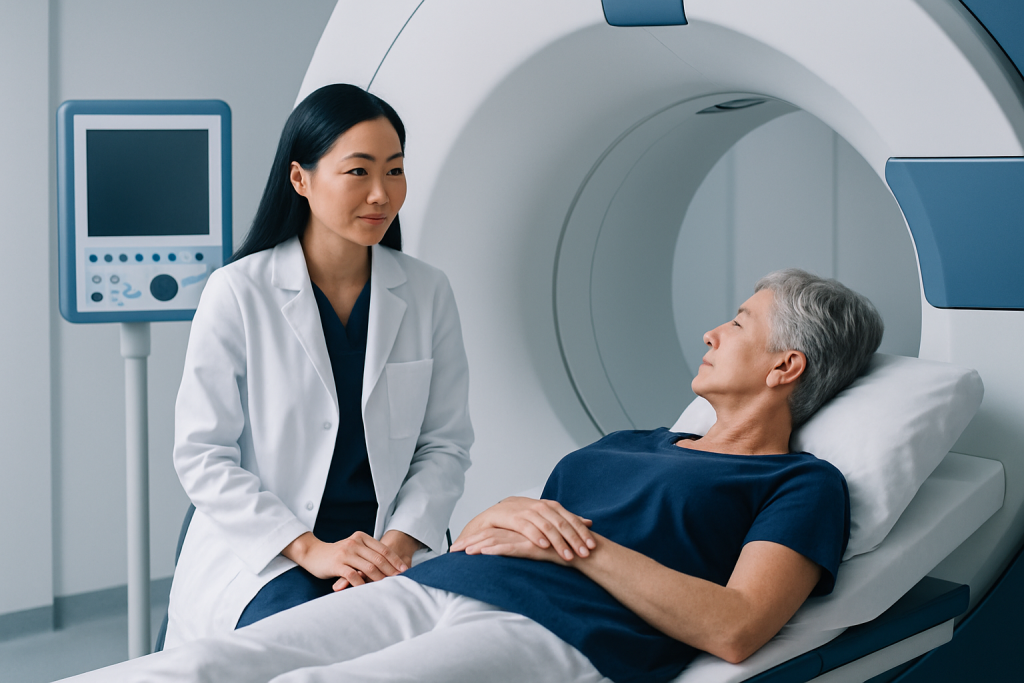
A person may need to see an oncologist when symptoms persist without a clear explanation, when a doctor finds a suspicious mass, or when tests suggest the possibility of cancer. Common reasons for referral include a lump in the breast or another area, unexplained weight loss, ongoing fatigue, persistent pain, prolonged cough, unusual bleeding, or changes in bowel or bladder habits that do not improve.
Abnormal screening or diagnostic tests are another common reason. These may include an unusual mammogram, colonoscopy finding, Pap test, CT scan, MRI, ultrasound, or blood test. In some cases, a biopsy already shows cancer cells, and the oncologist becomes the main doctor guiding treatment. In others, the oncologist helps determine what additional tests are needed before a diagnosis is confirmed.
Some symptoms deserve prompt medical attention because they can signal a serious problem, including cancer or another urgent condition. These include a rapidly growing lump, coughing up blood, difficulty swallowing that worsens, persistent hoarseness, new seizures, jaundice, severe bone pain, or unexplained swelling of lymph nodes. While many of these symptoms can have non-cancer causes, they should not be ignored.
- Persistent symptoms lasting weeks without a clear cause
- Abnormal imaging or screening results
- Biopsy results showing precancerous or cancerous changes
- Strong family history or inherited cancer risk requiring specialist advice
- Need for a second opinion after a new cancer diagnosis
Symptoms and Findings That May Lead to Referral

The symptoms that lead to an oncology referral often depend on the part of the body involved. For example, breast changes such as a new lump, skin dimpling, or nipple discharge may require further assessment. Ongoing digestive symptoms, blood in the stool, iron-deficiency anemia, or unexplained abdominal pain may lead to evaluation for gastrointestinal cancers. A persistent cough, coughing up blood, chest pain, or an abnormal lung scan may raise concern about a lung problem that needs specialist review.
Blood test changes can also lead to referral. Unexplained anemia, very high or low white blood cell counts, abnormal platelets, or unusual protein levels may need assessment by a hematologist-oncologist. Likewise, enlarged lymph nodes, night sweats, recurring fevers, or unexplained weight loss may require evaluation for blood cancers such as lymphoma or leukemia.
It is important to remember that symptoms alone cannot diagnose cancer. Many common concerns, such as fatigue, bloating, cough, or pain, often have non-cancer explanations. The reason to seek care is not to assume the worst, but to avoid delay when symptoms are persistent, unusual, progressive, or paired with abnormal tests.
How Referrals and Diagnosis Usually Work
Most people do not schedule directly with an oncologist as the first step. Instead, a primary care physician or another specialist usually starts the evaluation, orders initial tests, and then makes a referral if cancer is suspected or confirmed. This process helps ensure that the oncologist receives key information such as scan results, laboratory tests, pathology reports, and a summary of symptoms.
During the diagnostic process, the oncology team may recommend additional imaging, specialized blood tests, genetic testing, endoscopy, or a biopsy if one has not already been done. A biopsy is often the most important step because it allows a pathologist to examine tissue under a microscope and identify whether cancer is present. If cancer is diagnosed, further tests may be used to determine its stage and whether it has spread.
Accurate diagnosis matters because treatment depends on the exact cancer type and extent of disease. For example, suspicious findings in the breast may lead to breast cancer evaluation, while lesions in the colon may prompt testing for colon cancer. Some patients also seek a second opinion before starting treatment, which is a common and reasonable part of cancer care.
What Happens at the First Oncology Appointment
The first visit is usually focused on understanding the diagnosis or concern, reviewing records, and planning next steps. The oncologist will ask about symptoms, medical history, family history of cancer, medications, allergies, and lifestyle factors such as smoking or occupational exposures. A physical examination may also be performed, depending on the situation.
If cancer has already been diagnosed, the discussion may cover the cancer type, stage, possible treatments, goals of care, and expected next tests. If the diagnosis is not yet certain, the oncologist may explain which studies are needed to clarify it. These can include advanced imaging, tissue sampling, or consultations with other specialists.
It often helps to bring copies of scans, pathology reports, biopsy slides if requested, blood test results, and a written list of questions. Having a family member or trusted friend present can be useful for support and note-taking. Many people feel overwhelmed at the first appointment, so asking for clear explanations in simple language is entirely appropriate.
- What do the current test results show?
- Do more tests need to be done before a diagnosis is confirmed?
- If cancer is present, what type and stage is it?
- What treatments are recommended, and what are their main benefits and side effects?
- Should the person consider surgery, chemotherapy, radiotherapy, or another approach?
- Is a second opinion or genetic counseling recommended?
Treatment Options an Oncologist May Discuss
Cancer treatment depends on the tumor type, stage, location, molecular features, symptoms, and the patient’s general health. In some cases, surgery is the first step, especially when the cancer appears localized. In others, the main treatment may be systemic therapy such as medical oncology care with medicines that travel through the body, or radiation therapy directed at a specific area.
Common treatment categories include surgery, chemotherapy, targeted therapy, hormone therapy, immunotherapy, radiation therapy, and in selected cancers, stem cell transplantation. Some patients receive one treatment, while many receive a combination in a carefully planned sequence. The oncologist explains the purpose of treatment, whether it aims to cure the disease, control it, relieve symptoms, or reduce the chance of recurrence.
Supportive care is also an important part of treatment. This may include pain control, nutritional support, management of nausea or fatigue, psychological support, fertility counseling, and rehabilitation. Near the end of the care pathway, some international patients may also explore multidisciplinary assessment at centers such as Acibadem International, where JCI-accredited hospitals and oncology specialists diagnose and treat cancer using coordinated care.
Preparing for the Visit and Caring for Yourself
Waiting for an oncology appointment can feel stressful, but practical preparation can make the process easier. A patient can gather prior records, make a timeline of symptoms, list all medicines and supplements, and write down personal and family history of cancer. It is also helpful to note any changes in appetite, weight, sleep, pain, or daily function.
Self-care before and during evaluation should focus on general health rather than trying to treat the underlying cause at home. This means staying hydrated, eating regular meals as tolerated, avoiding tobacco, limiting alcohol, and getting rest. Emotional support also matters. Talking with loved ones, asking questions, and seeking counseling or support groups may help people cope with uncertainty.
People should avoid delaying care because of fear. An oncology referral is a step toward answers, not a diagnosis by itself. Early evaluation can be especially helpful when symptoms are progressive, when screening tests are abnormal, or when there is a strong inherited risk of cancer.
When to Seek Prompt Medical Attention
Some symptoms should be assessed quickly, either by a doctor urgently or in an emergency setting, depending on severity. These include severe shortness of breath, heavy bleeding, sudden weakness, new confusion, seizures, severe dehydration, uncontrolled vomiting, or intense pain. These symptoms may or may not be related to cancer, but they require prompt attention.
Urgent follow-up is also important for people who notice a rapidly enlarging lump, new jaundice, worsening difficulty swallowing, persistent vomiting, black or bloody stools, or unexplained fever that does not improve. Anyone with a known cancer diagnosis should contact their care team right away if they develop signs of infection, sudden neurological symptoms, or treatment-related side effects that feel severe.
In general, it is wise to contact a healthcare professional if symptoms are persistent, unusual, or worsening, especially when they interfere with daily life. Timely assessment can help rule out serious causes, speed diagnosis, and allow treatment to begin sooner if it is needed.
Frequently asked questions
Does being referred to an oncologist mean a person has cancer?
No. Many people are referred because of abnormal symptoms or test results that still need to be clarified. An oncologist helps determine whether cancer is present and what further evaluation is needed.
Can a person see an oncologist without a referral?
This depends on the healthcare system, insurance rules, and the clinic’s policies. In many cases, a referral is helpful because it organizes records and prior test results, but some centers also accept self-referred patients seeking an opinion.
What tests might an oncologist order?
The oncologist may request blood tests, imaging studies, biopsy review, additional tissue sampling, endoscopy, or genetic testing. The exact tests depend on the person’s symptoms, initial findings, and medical history.
What should a patient bring to the first oncology appointment?
Useful items include identification, a medication list, previous scan reports, pathology or biopsy results, laboratory records, and a written list of questions. Bringing a family member or friend can also help with support and remembering information.
When is a second opinion a good idea?
A second opinion can be helpful after a new cancer diagnosis, before major treatment begins, or when treatment options are complex. It can confirm the diagnosis, offer additional perspectives, and help the patient feel more confident in the plan.
What questions are important to ask the oncologist?
Patients often ask about the diagnosis, stage, treatment choices, expected benefits, common side effects, and the purpose of each recommended test. It is also reasonable to ask about timelines, daily life during treatment, and whether supportive care services are available.
References
- World Health Organization
- National Cancer Institute
- American Cancer Society
- Centers for Disease Control and Prevention
- National Comprehensive Cancer Network
This article is for general information only and is not a substitute for professional medical advice. Please consult a qualified doctor about your individual situation.
Oncology care in Turkey — second opinion and treatment plan
JCI-accredited · board-certified surgeons · reply within 24h
Add us as a Preferred Source to see more of our trusted health content across Google Search, AI Overviews and Discover.