Where Does Fat Go When You Lose Weight?

Most of the mass from lost body fat leaves through the lungs as carbon dioxide. Fat cells usually shrink during weight loss rather than disappearing completely.
Key Takeaways
- Most of the mass from lost body fat leaves through the lungs as carbon dioxide.
- Fat cells usually shrink during weight loss rather than disappearing completely.
- Exercise supports health and energy use, but breathing is the main route by which fat’s breakdown products leave the body.
- Sustainable weight loss depends on a consistent energy deficit, adequate nutrition, physical activity, sleep, and medical support when needed.
- Rapid or unexplained weight loss should be discussed with a qualified healthcare professional.
When body fat is used for energy, it is not simply converted into heat, muscle, or sweat. Most of its mass leaves the body as carbon dioxide when a person breathes out, while the remainder becomes water that leaves through urine, sweat, breath, and other body fluids.
Where does fat go when you lose weight?
When a person loses body fat, most of that fat ultimately leaves the body through the lungs as carbon dioxide. The rest becomes water, which is removed in urine, sweat, exhaled breath, and other normal body fluids. This happens after the body breaks stored fat down and uses it to meet energy needs.
Fat does not turn directly into muscle, disappear through sweating alone, or leave mainly through bowel movements. Weight loss can also involve changes in body water, stored carbohydrate, and sometimes muscle tissue, so a change on the scale does not always reflect body-fat loss alone.
Understanding this process can make weight management feel less mysterious. However, the body’s metabolism is complex, and healthy progress is usually gradual rather than dramatic from one day to the next.
Stored fat: what it is and why the body keeps it
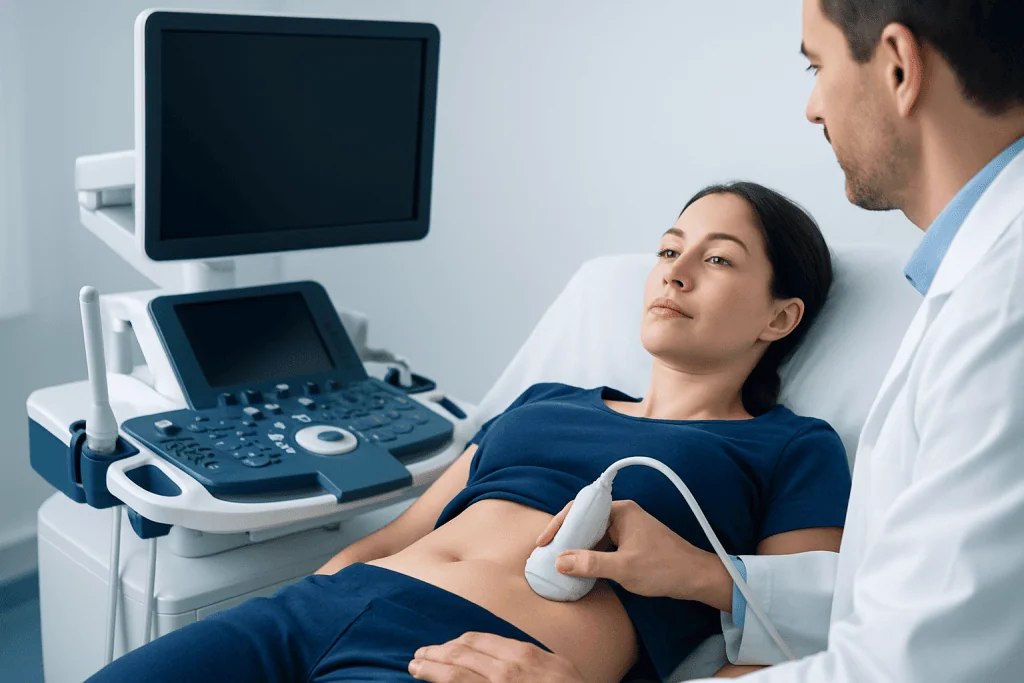
Body fat, also called adipose tissue, is an essential and active tissue. It stores energy, helps protect organs, provides insulation, and produces signaling substances involved in appetite, metabolism, and inflammation. Everyone needs a certain amount of body fat for normal health.
The main stored form of fat is triglyceride. A triglyceride contains carbon, hydrogen, and oxygen. It is stored inside fat cells, also called adipocytes, particularly under the skin and around internal organs. The location and amount of body fat are influenced by genetics, age, hormones, sleep, activity patterns, medical conditions, and diet.
When the body needs more energy than it receives from food over time, it can draw on these stored triglycerides. This is one reason a sustained energy deficit is needed for body-fat loss. The deficit does not need to be extreme; overly restrictive approaches may be difficult to maintain and can affect nutritional intake, mood, or muscle mass.
How the body turns fat into usable energy

Between meals, during physical activity, and whenever energy intake is lower than energy use, hormones help signal fat cells to release stored triglycerides. These triglycerides are broken into fatty acids and glycerol, which can travel through the bloodstream to tissues that need energy.
Inside cells, especially in muscle and other active tissues, fatty acids are processed through metabolic pathways. With oxygen, their atoms are rearranged in chemical reactions that release energy the body can use for movement, body temperature, organ function, and other essential tasks.
The final products of this process are primarily carbon dioxide and water. Carbon dioxide enters the blood, travels to the lungs, and is breathed out. Water can be used by the body or excreted. The energy released does not have physical mass that needs to be “sweated out”; it supports the body’s ongoing work.
Breathing faster on its own is not a weight-loss strategy. Deliberate overbreathing can cause dizziness or faintness and does not meaningfully increase fat loss. The body produces more carbon dioxide during normal activity because working muscles use more energy, not because a person is forcing themselves to breathe differently.
Why sweat, urine, and the scale can be misleading
Sweat contains mostly water and electrolytes, not large amounts of melted fat. A person may weigh less immediately after a hot workout, sauna session, or day of heavy sweating, but that short-term change is usually fluid loss. Drinking and eating normally will restore much of that water weight.
Urine also removes water and metabolic waste products, but it is not the main pathway for the mass of lost fat. Water produced during fat metabolism may leave through urine, sweat, breath, and other routes, yet most of the carbon from fat leaves as carbon dioxide through exhalation.
Day-to-day body weight naturally changes with hydration, salt intake, digestion, menstrual cycles, carbohydrate intake, medication use, and bowel habits. Stored carbohydrate, called glycogen, holds water in the body. This is why early weight changes after dietary changes can be rapid, even before substantial body-fat loss has occurred.
For a clearer picture, it may help to look at longer-term trends rather than a single weigh-in. Some people also track waist measurement, clothing fit, physical function, or clinician-guided body-composition assessments. No one measure is perfect on its own.
Do fat cells disappear during weight loss?
In most adults, fat cells primarily become smaller as their stored triglyceride content decreases. The number of fat cells does not usually fall substantially with routine diet and activity-based weight loss. This is one reason weight regain can occur: fat cells can store energy again when energy intake consistently exceeds energy use.
Body-fat distribution may change differently from person to person. Genetics and hormones affect whether someone tends to carry more fat around the abdomen, hips, thighs, or elsewhere. It is not possible to choose where fat loss happens first by exercising one body part. For example, abdominal exercises can strengthen core muscles but do not specifically remove abdominal fat.
Some medical and surgical procedures may alter fat tissue in selected areas, but they are not substitutes for overall weight management and do not address all metabolic health concerns. A healthcare professional can discuss whether any treatment is appropriate based on an individual’s health, goals, and medical history.
Supporting healthy fat loss without common myths
Healthier weight loss generally comes from an approach that can be continued over time. A balanced eating pattern with vegetables, fruit, fiber-rich foods, protein sources, and minimally processed foods can help support fullness and nutrition. The most suitable plan varies according to culture, preferences, health conditions, medications, and daily routine.
Regular physical activity increases energy use and brings benefits beyond weight change, including improved cardiovascular fitness, strength, mobility, mood, and sleep. A combination of aerobic activity and resistance training is often useful. Resistance exercise can help preserve muscle while weight is being lost, particularly when paired with adequate protein and appropriate calorie intake.
Sleep and stress management also matter. Inadequate sleep and ongoing stress can affect appetite, food choices, energy levels, and the ability to maintain routines. Rather than relying on detoxes, sweat-based methods, unproven supplements, or extreme fasting, people are usually better served by practical habits they can sustain.
- Aim for regular meals and a nutrient-dense eating pattern.
- Include activity that is enjoyable and appropriate for current fitness and health.
- Build strength gradually and avoid sudden, excessive exercise programs.
- Monitor progress over weeks and months, not only from daily scale changes.
- Seek professional advice for individualized support when weight affects health or wellbeing.
When to seek medical care
A person should speak with a doctor if they are losing weight without trying, particularly if the change is ongoing or accompanied by symptoms such as persistent fatigue, fever, pain, changes in bowel habits, difficulty swallowing, ongoing nausea, low mood, or loss of appetite. Unintentional weight loss can have many causes, including medical conditions that need assessment.
Medical guidance is also important before starting a weight-loss plan for people who are pregnant or breastfeeding, children and teenagers, older adults, people with a history of an eating disorder, or those living with diabetes, heart disease, kidney disease, digestive conditions, or other long-term illnesses. Weight-loss medications and surgery require careful clinical evaluation and follow-up.
A clinician can review health history, medications, nutrition, activity, sleep, and relevant tests when indicated. Acibadem International’s multidisciplinary specialists and JCI-accredited hospitals diagnose and treat weight-related health concerns for international patients, with care tailored to individual clinical needs.
Frequently asked questions
Does fat leave the body through sweat?
Sweat mainly removes water and electrolytes, not significant amounts of body fat. Sweating can cause temporary weight loss from dehydration, but this weight generally returns after fluids are replaced. Most of the mass from metabolized fat leaves the body as carbon dioxide through exhaled breath.
Do you breathe out fat when you lose weight?
A person breathes out carbon dioxide produced when the body breaks down stored fat and other fuels for energy. Carbon dioxide contains carbon atoms that were previously part of stored fat. This does not mean taking deeper or faster breaths alone will cause meaningful fat loss.
Can exercise make fat turn into muscle?
No. Fat tissue and muscle tissue are different types of tissue, so fat cannot turn directly into muscle. Exercise can help reduce fat stores while strength training can build or preserve muscle, which may change body shape and improve physical function.
Why does body weight drop quickly at the beginning of a diet?
Early changes on the scale may reflect reduced body water and lower glycogen stores, especially when carbohydrate or salt intake changes. Glycogen is stored with water, so using or reducing glycogen can lead to a quick water-weight change. Longer-term trends are more informative for assessing body-fat loss.
Can you lose fat from one specific area of the body?
Exercises can strengthen muscles in a targeted area, but they do not reliably cause fat loss only in that area. The body determines where it releases stored fat based on factors such as genetics, hormones, sex, age, and overall energy balance. Consistent whole-body habits are more effective than spot-reduction methods.
Is rapid weight loss always unhealthy?
Not always, because the appropriate rate depends on a person’s starting point, health status, and whether treatment is medically supervised. However, rapid loss can include water and muscle as well as fat, and it may be harder to sustain. A doctor or registered dietitian can help determine a safe, suitable approach.
This article is for general information only and is not a substitute for professional medical advice. Please consult a qualified doctor about your individual situation.
Medical weight-loss options in Turkey — costs & eligibility
JCI-accredited · board-certified surgeons · reply within 24h
Add us as a Preferred Source to see more of our trusted health content across Google Search, AI Overviews and Discover.
Check your numbers in seconds
BMI, calories, due date, blood pressure and 30+ more clinical calculators — free, instant, doctor-reviewed ranges.

More from the Health Library

Kappa Lc Free — Explained by Medical Evidence, Not Myths
Lung Sounds: An Evidence-Based Guide for Patients

Arm Muscles: An Evidence-Based Guide for Patients

Dilaudid — Explained by Medical Evidence, Not Myths

Infected Piercing Belly: What Patients Need to Know