Where Does Nutrient Absorption Take Place? How Your Body Uses Food

Most nutrient absorption occurs in the small intestine, especially the jejunum and ileum. The stomach mainly breaks food down, while the small intestine absorbs most nutrients into the blood or lymph.
Key Takeaways
- Most nutrient absorption occurs in the small intestine, especially the jejunum and ileum.
- The stomach mainly breaks food down, while the small intestine absorbs most nutrients into the blood or lymph.
- The large intestine mainly absorbs water, electrolytes, and some substances made by gut bacteria.
- Healthy digestion depends on the pancreas, liver, gallbladder, intestinal lining, and gut motility working together.
- Conditions affecting the intestine can reduce nutrient absorption and lead to deficiencies.
Nutrient absorption is the process of moving vitamins, minerals, fats, proteins, carbohydrates, and water from food into the body. Although digestion begins in the mouth and stomach, most nutrient absorption takes place in the small intestine.
Overview: Where Does Nutrient Absorption Take Place?
Nutrient absorption is how the body takes the useful parts of food and transfers them into circulation so they can be used for energy, growth, repair, and normal body functions. This process does not happen in just one step. Food is first chewed, mixed with saliva, exposed to stomach acid, and then broken down further by digestive enzymes and bile before nutrients can be absorbed.
Most nutrient absorption takes place in the small intestine, a long, folded tube between the stomach and the large intestine. Its inner surface is specially designed for this job. Tiny finger-like projections called villi and even smaller microvilli create a very large surface area, helping the body absorb nutrients efficiently.
Different parts of the digestive tract have different roles. The mouth and stomach begin digestion, but they absorb only a limited number of substances. The small intestine absorbs most carbohydrates, proteins, fats, vitamins, and minerals, while the large intestine mainly absorbs water and electrolytes. In this way, the digestive system works as a coordinated pathway rather than a single organ doing everything alone.
How Digestion Prepares Food for Absorption
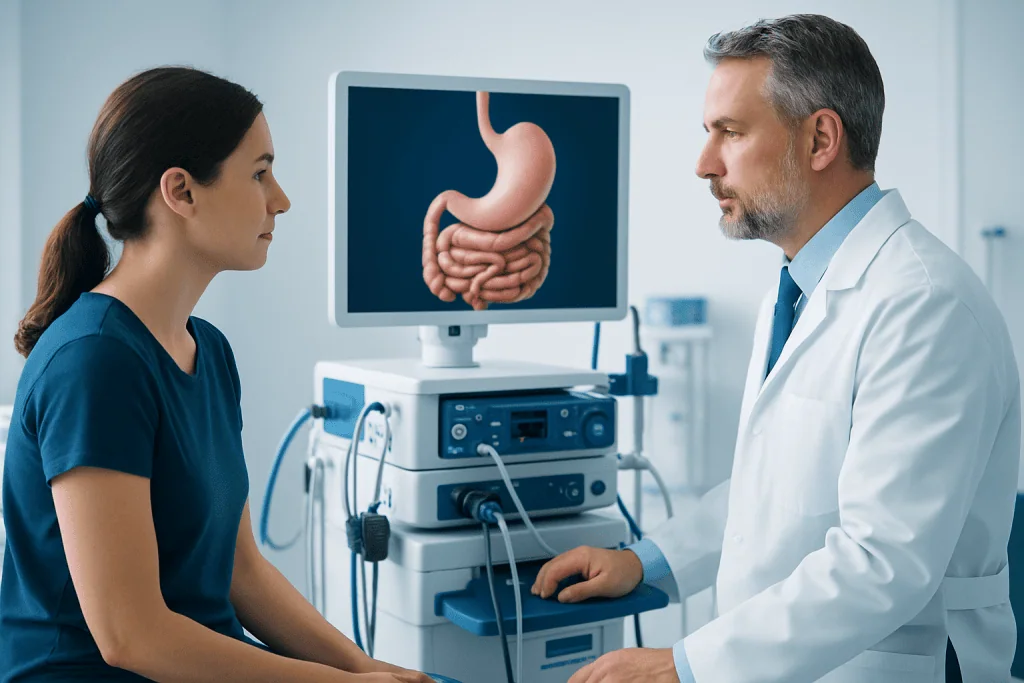
Before nutrients can be absorbed, food must be broken into smaller molecules. Digestion starts in the mouth, where chewing and saliva begin processing carbohydrates. In the stomach, acid and enzymes help break down proteins and turn food into a semi-liquid mixture that can pass into the small intestine.
In the first part of the small intestine, called the duodenum, digestive juices from the pancreas and bile from the liver and gallbladder are added. Pancreatic enzymes break carbohydrates into simple sugars, proteins into amino acids, and fats into smaller components. Bile helps dissolve fats into tiny droplets so they can be absorbed more easily.
This breakdown is important because the intestinal wall can only absorb nutrients in small, usable forms. For example, starch must become simple sugars, proteins must become amino acids or small peptides, and fats must become fatty acids and monoglycerides. Once food is processed into these smaller units, absorption can begin.
Which Parts of the Intestine Absorb Which Nutrients?
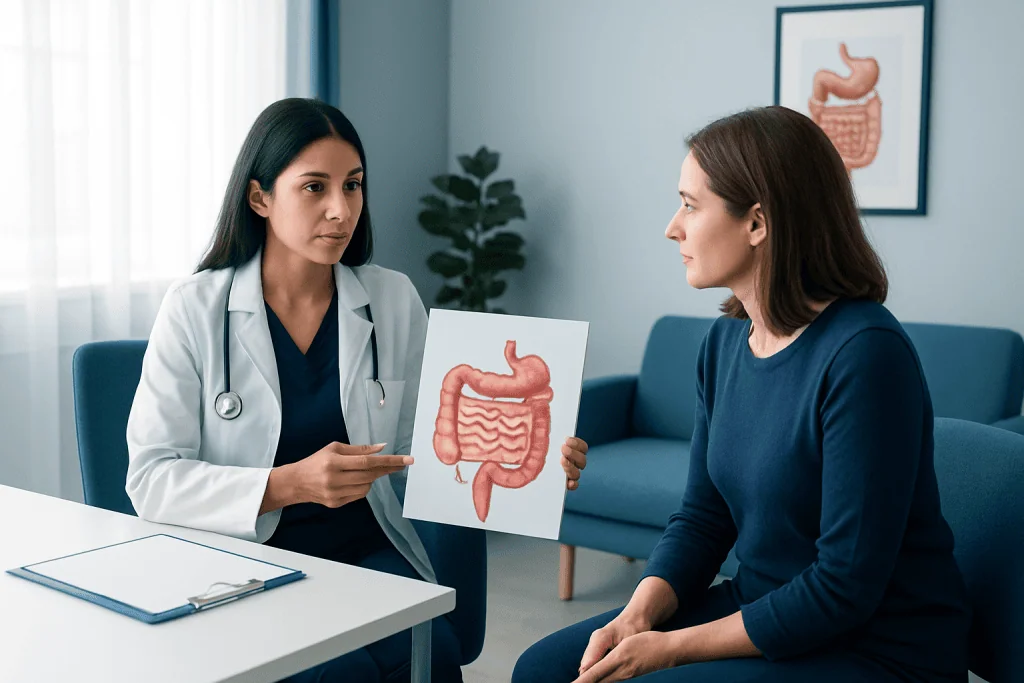
The small intestine has three sections: the duodenum, jejunum, and ileum. Each has a slightly different role. The duodenum is especially important for mixing food with digestive enzymes and for beginning the absorption of minerals such as iron and calcium. The jejunum absorbs a large share of carbohydrates, proteins, fats, water-soluble vitamins, and many minerals.
The ileum, the last part of the small intestine, continues absorbing nutrients and has some special tasks. It is the main site where vitamin B12 and bile acids are absorbed. These bile acids are then recycled by the body and used again to help digest fats.
The large intestine, or colon, has a different role. It does not absorb most calories from food in the usual way, but it does absorb water, sodium, potassium, and some short-chain fatty acids produced when gut bacteria ferment fiber. It also helps the body recover fluid from digested material before stool is formed.
- Duodenum: early digestion and absorption of iron, calcium, and some other minerals
- Jejunum: major absorption of sugars, amino acids, fats, vitamins, and many minerals
- Ileum: absorption of vitamin B12, bile acids, and remaining nutrients
- Colon: absorption of water, electrolytes, and some byproducts of fiber fermentation
How Nutrients Enter the Blood and Lymph
Once nutrients reach the surface of the small intestine, they move through the intestinal lining by several transport mechanisms. Some pass through easily, while others require special carrier proteins or energy-dependent transport. After crossing the intestinal wall, most nutrients enter tiny blood vessels called capillaries and travel first to the liver through the portal circulation.
The liver acts as a processing center. It helps store, convert, or distribute nutrients according to the body’s needs. Glucose, amino acids, water-soluble vitamins, and many minerals travel this blood route. This allows the body to carefully regulate how nutrients are used and stored.
Fats follow a slightly different path. After digestion, they are packaged into particles called chylomicrons inside intestinal cells and then enter lymphatic vessels called lacteals. From there, they travel through the lymphatic system before reaching the bloodstream. This is why fat absorption depends not only on the intestine itself but also on bile, pancreatic enzymes, and healthy lymphatic transport.
What Can Affect Nutrient Absorption?
Many factors can influence how well the body absorbs nutrients. The health of the intestinal lining is especially important. If the lining is inflamed, damaged, or shortened by disease or surgery, the body may not absorb enough nutrients. Conditions such as celiac disease, inflammatory bowel disease, infections, or certain inherited disorders can interfere with normal absorption.
Digestive organs outside the intestine also matter. The pancreas provides enzymes, and the liver and gallbladder supply bile, both of which are essential for digestion and absorption. Problems such as pancreatic insufficiency, reduced bile flow, or chronic digestive disease may lead to poor absorption, particularly of fats and fat-soluble vitamins.
Some medicines, alcohol use, intestinal surgery, radiation treatment, and long-term diarrhea can also reduce nutrient uptake. In addition, age, dietary pattern, gut bacteria, and the speed at which food moves through the digestive tract may all play a role. When malabsorption is suspected, doctors may evaluate the stomach, pancreas, liver, small intestine, and colon to find the cause.
Signs of Poor Nutrient Absorption
When the body does not absorb nutrients properly, symptoms can vary depending on which nutrients are lacking and how long the problem has been present. Common signs may include bloating, diarrhea, greasy or floating stools, unintended weight loss, tiredness, and weakness. Some people may also notice mouth ulcers, hair thinning, bone discomfort, tingling, or changes in the skin.
Vitamin and mineral deficiencies may develop gradually. For example, low iron can contribute to anemia and fatigue, low vitamin D can affect bone health, and low vitamin B12 may cause nerve-related symptoms. Children with absorption problems may show poor growth or delayed development.
These symptoms do not always mean there is a serious problem, and many digestive complaints have more than one possible cause. Still, persistent changes in bowel habits, ongoing fatigue, or signs of nutritional deficiency deserve medical attention. A healthcare professional can assess whether the issue is related to digestion, absorption, diet, or another condition such as Crohn's disease.
How Doctors Evaluate Absorption Problems
Doctors usually begin with a medical history, symptom review, and physical examination. They often ask about bowel habits, weight change, diet, surgeries, medications, and any family history of digestive disease. Blood tests may be used to check for anemia, vitamin deficiencies, low protein levels, inflammation, or signs of liver and pancreatic problems.
Depending on the situation, further tests may include stool studies, breath tests, imaging, or endoscopy. Stool tests can help identify fat malabsorption or infection. Endoscopy allows specialists to look at the digestive tract directly and, when needed, take tissue samples from the small intestine to investigate disorders such as celiac disease.
If symptoms suggest a structural or inflammatory problem, a doctor may recommend colonoscopy or other digestive evaluations. Some people may also need imaging or specialized assessment of the pancreas, liver, or bile ducts. In more complex cases, a team approach can be helpful, including specialists in gastroenterology, nutrition, and internal medicine.
Supporting Healthy Absorption and When to Seek Care
For most people, healthy nutrient absorption is supported by a balanced diet, adequate fiber, hydration, regular physical activity, and timely care for digestive symptoms. Eating a variety of foods helps provide the full range of nutrients the body needs. If a person has a diagnosed digestive condition, following the treatment plan and any prescribed dietary adjustments can make absorption more effective.
Self-care should be practical and individualized. Some people benefit from smaller, more frequent meals, while others need support from a dietitian to correct deficiencies or manage food intolerance. Supplements may be helpful in certain cases, but they should ideally be guided by a healthcare professional, especially when there is a possibility of malabsorption.
Medical advice is important if there is ongoing diarrhea, unexplained weight loss, persistent abdominal pain, signs of nutrient deficiency, blood in the stool, or poor growth in a child. When treatment is needed, it focuses on the underlying cause and may include nutrition support, medication, or procedures such as endoscopy to clarify the diagnosis. Acibadem International’s multidisciplinary specialists in JCI-accredited hospitals also evaluate and treat digestive and absorption-related conditions for international patients.
Frequently asked questions
Where does most nutrient absorption occur?
Most nutrient absorption occurs in the small intestine. The jejunum and ileum are especially important because they have a large surface area that allows digested nutrients to pass into the blood or lymph.
Does the stomach absorb nutrients too?
The stomach mainly helps break food down rather than absorbing most nutrients. It can absorb small amounts of certain substances, but the small intestine does the majority of nutrient absorption.
What is the role of the large intestine in absorption?
The large intestine mainly absorbs water and electrolytes. It also absorbs some substances produced when gut bacteria ferment dietary fiber, helping support fluid balance and bowel function.
How are fats absorbed differently from other nutrients?
Fats need bile and pancreatic enzymes to be digested properly. After absorption, they enter the lymphatic system first rather than going directly into the bloodstream like many other nutrients.
What conditions can reduce nutrient absorption?
Conditions affecting the small intestine, pancreas, liver, or bile flow can reduce nutrient absorption. Examples include celiac disease, inflammatory bowel disease, pancreatic insufficiency, infections, and some effects of intestinal surgery.
What are common signs of malabsorption?
Common signs include diarrhea, bloating, unintended weight loss, tiredness, and greasy stools. Over time, vitamin or mineral deficiencies may cause anemia, bone problems, nerve symptoms, or poor growth in children.
References
- National Institute of Diabetes and Digestive and Kidney Diseases
- NHS
- Merck Manual Consumer Version
- American College of Gastroenterology
This article is for general information only and is not a substitute for professional medical advice. Please consult a qualified doctor about your individual situation.
Persistent digestive symptoms? Get evaluated in Turkey
JCI-accredited · board-certified surgeons · reply within 24h
Add us as a Preferred Source to see more of our trusted health content across Google Search, AI Overviews and Discover.

More from the Health Library

Onion Calories: Benefits, Risks, and Safe Use

Sore Throat Eat What: Evidence-Based Benefits, Risks, and Practical Guidance

Food Help for Pennis Growth: What the Clinical Research Actually Says

Rfk Jr Food Pyramid Review: Evidence-Based Benefits, Risks, and Practical Guidance

Vitamin a Benefits: Evidence-Based Benefits, Risks, and Practical Guidance