

White Spots on Lips: An Evidence-Based Guide for Patients

Many cases of white spots on lips are benign, especially tiny painless spots that stay stable over time. Common causes include Fordyce spots, irritation, canker sores, oral thrush, and some viral infections.
Key Takeaways
- Many cases of white spots on lips are benign, especially tiny painless spots that stay stable over time.
- Common causes include Fordyce spots, irritation, canker sores, oral thrush, and some viral infections.
- A doctor may recommend examination, swabs, or rarely a biopsy if a spot is persistent, changing, or unclear.
- Self-care should focus on gentle lip protection and avoiding irritation rather than squeezing or picking the spots.
- Medical review is important if spots are painful, last more than two weeks, recur often, bleed, or are associated with a lump or ulcer.
White spots on lips are common and are often caused by harmless changes such as Fordyce spots, dryness, or mild irritation. However, persistent, painful, growing, or unexplained spots should be assessed by a qualified doctor to identify infections, inflammatory conditions, or, less commonly, precancerous change.
What white spots on lips usually mean
White spots on lips can have several causes, and many are not dangerous. In everyday practice, the most common explanations are harmless oil glands called Fordyce spots, minor irritation from products or lip biting, and short-lived mouth sores. Because the lips are delicate and exposed to friction, sun, saliva, and cosmetics, small color or texture changes are common.
At the same time, not every white spot is the same. Some appear as tiny pale-yellow dots, some look like a shallow ulcer with a white center, and others form a patch that does not wipe away. The appearance, duration, associated pain, and whether the spot is inside the mouth or on the lip border help guide what it may be.
Most people do not need urgent treatment, but they do benefit from knowing when a spot should be checked. A lesion that persists, enlarges, becomes painful, repeatedly returns, or occurs with other symptoms deserves medical attention. An evidence-based approach focuses on pattern recognition, examination, and avoiding assumptions.
How white lip spots can look and feel
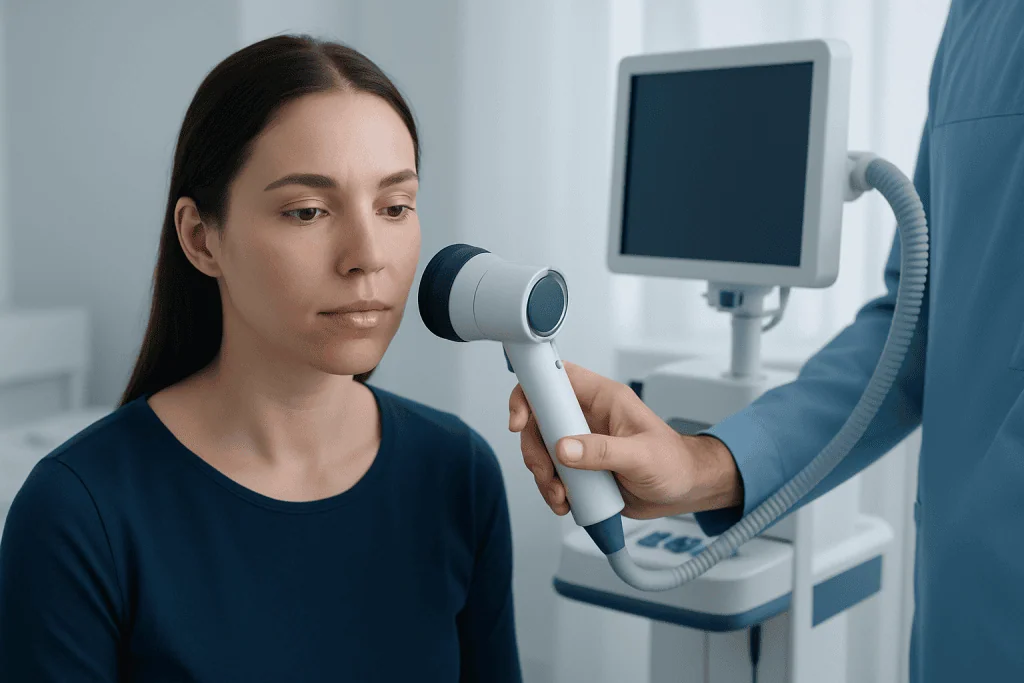
White spots on lips may show up in different ways. They can be tiny dots scattered along the lip border, a single white bump, a sore with a pale coating, or a thicker white patch. Some are smooth and flat, while others feel raised or rough. Texture often matters as much as color when doctors assess a lip lesion.
Symptoms also vary. Harmless spots are often painless and stable. Other causes may bring burning, tenderness, cracking, swelling, itching, or sensitivity when eating salty, spicy, or acidic foods. If there are mouth lesions elsewhere, trouble swallowing, fever, or swollen lymph nodes, the cause may be different from a simple lip irritation.
People may notice the spots after illness, stress, a new toothpaste, sun exposure, dehydration, or accidental lip trauma. Keeping track of when the spots started, what they look like, and whether they wipe off or bleed can help a clinician make a faster, more accurate diagnosis.
Common causes of white spots on lips

One of the most common benign causes is Fordyce spots. These are visible sebaceous glands that look like tiny white, cream, or yellowish dots on the lips or inside the cheeks. They are not an infection, are not contagious, and usually do not require treatment unless their appearance is bothersome.
Minor trauma and irritation can also create white changes. Lip biting, friction from dental appliances, harsh lip products, smoking, and dryness may lead to small pale areas, thickening, or peeling. Aphthous ulcers, often called canker sores, can appear near the inner lip as painful round lesions with a white or yellow center and a red rim.
Infectious causes are another possibility. Oral thrush may cause creamy white patches that can sometimes be wiped away, often leaving soreness underneath. Cold sores caused by herpes simplex usually begin with tingling or burning, then blisters and crusting, but early lesions may be mistaken for white bumps. More information about oral cancer and cold sores can be helpful when symptoms fit those patterns.
Less commonly, a persistent white patch may reflect inflammatory or precancerous change, especially if it does not heal, feels thickened, or is linked to tobacco, heavy alcohol use, chronic sun exposure, or immune suppression. Conditions such as leukoplakia or actinic damage on the lip need professional evaluation rather than home treatment.
Risk factors and clues that help narrow the cause
Age, medical history, and daily habits can all influence why white spots on lips appear. Recent antibiotic or inhaled steroid use may increase the chance of oral thrush. A history of eczema, allergies, or sensitive skin can make irritant or allergic cheilitis more likely. Frequent sun exposure can contribute to chronic lip damage, especially on the lower lip.
Immune status matters too. People with diabetes, immune suppression, nutritional deficiencies, or recurrent viral infections may be more prone to persistent mouth or lip lesions. Dentures, braces, or a sharp tooth edge can repeatedly irritate the same area and create a chronic white patch from friction.
Certain visual clues are especially useful. Tiny symmetrical dots that have been present a long time are more likely to be Fordyce spots. A painful shallow sore points more toward an aphthous ulcer. White material that wipes away suggests thrush. A firm patch, an ulcer that does not heal, or a crusted sun-damaged area on the lip border requires closer assessment.
- Harmless pattern: small, painless, stable dots
- Irritation pattern: dry, flaky, or thickened areas after exposure or trauma
- Infection pattern: soreness, redness, white coating, blisters, or fever
- Warning pattern: persistent ulcer, bleeding, firmness, growth, or color change
How doctors diagnose white spots on lips
Diagnosis begins with a careful history and physical examination. A doctor will ask when the spot began, whether it is painful, if it has changed in size or texture, and whether there have been triggers such as new cosmetics, trauma, illness, smoking, or sun exposure. They will usually examine the lips, inside the mouth, tongue, gums, and nearby lymph nodes.
In many cases, appearance alone strongly suggests the cause. Fordyce spots, canker sores, cold sores, and thrush often have recognizable features. If infection is suspected, a swab may sometimes be used. If allergy or chronic irritation is suspected, the clinician may advise stopping likely triggers and observing for improvement.
If a lesion is persistent or atypical, further testing may be needed. This can include assessment by dermatology, oral medicine, ENT, or dental specialists, and occasionally a biopsy to rule out precancerous or cancerous change. If a concerning lesion needs sampling or removal, evaluation may involve biopsy testing or referral for oral cancer treatment if indicated by the findings.
Treatment options and what helps
Treatment depends on the cause. Harmless Fordyce spots usually need no treatment. Reassurance is often enough, and doctors generally advise against squeezing, scraping, or trying harsh over-the-counter acids on the lips, as these can lead to irritation, infection, or scarring.
If irritation or contact allergy is the problem, care focuses on removing triggers and protecting the lip barrier. This may mean changing toothpaste, lip balm, or cosmetic products, avoiding habitual lip biting, and using a bland moisturizer or lip protectant. If a fungal infection such as thrush is diagnosed, a clinician may prescribe antifungal treatment. Viral sores may be managed with supportive care or antiviral medicines when appropriate.
Painful canker sores often improve with time, but a doctor may recommend protective gels, anti-inflammatory treatments, or investigation for underlying triggers if they are frequent. Persistent rough or sun-damaged lip lesions may require specialist care, including close examination or procedures tailored to the diagnosis. In selected cases, evaluation by dermatology care or ENT specialists may be appropriate.
People should avoid self-treating a persistent lip lesion with repeated home remedies if the diagnosis is unclear. The best approach is targeted treatment after a professional assessment, especially for any spot that lasts longer than expected or repeatedly comes back.
Self-care, prevention, and daily lip protection
Simple daily habits can reduce irritation and support healing. Lips do best with gentle care: avoiding picking, limiting lip licking, staying well hydrated, and using fragrance-free products if sensitivity is suspected. A protective lip balm can help with dryness, especially in cold, windy, or very dry environments.
Sun protection is important for the lips, particularly for people who spend time outdoors. A lip product with sun protection and physical barriers such as a hat can reduce chronic sun-related damage. Tobacco avoidance is also important because smoking can worsen irritation and raises the risk of persistent lip and mouth lesions.
Good oral hygiene helps, but products should not sting or irritate. If white spots seem to follow a new toothpaste, mouthwash, lipstick, or dental appliance, stopping the suspected trigger and discussing alternatives with a clinician can be useful. Recurrent sores may also improve when common triggers such as stress, mouth injury, and certain foods are identified and minimized.
When to seek medical care
Most white spots on lips are not an emergency, but some features should prompt a medical review. A doctor should assess any spot or patch that lasts more than two weeks, becomes larger, bleeds, feels firm, or keeps returning in the same place. Pain, trouble eating, fever, swollen lymph nodes, or lesions elsewhere in the mouth are also reasons to seek care.
People with weakened immunity, diabetes, recent chemotherapy, or repeated oral infections should have persistent lip changes evaluated sooner. This is also true for anyone with heavy sun exposure, tobacco use, or a history of oral precancer or cancer. Early assessment helps distinguish harmless findings from conditions that need treatment.
For international patients who need further evaluation, Acibadem International’s multidisciplinary specialists in JCI-accredited hospitals assess lip and oral lesions and coordinate diagnosis and treatment when needed. A calm, stepwise examination is usually the fastest way to clarify what the spot is and what, if anything, should be done next.
Frequently asked questions
Are white spots on lips usually serious?
Often they are not serious. Common causes include Fordyce spots, mild irritation, and canker sores, but a persistent or changing spot should still be checked by a doctor.
What are Fordyce spots on the lips?
Fordyce spots are visible oil glands that can look like tiny white or yellowish dots on the lips. They are benign, not contagious, and usually do not need treatment.
Can dehydration cause white spots on lips?
Dehydration can contribute to dry, flaky, irritated lips, which may make pale patches or peeling more noticeable. However, it is not the only cause, so persistent spots should not automatically be blamed on dryness.
How do I know if a white spot on my lip is a cold sore?
Cold sores often start with tingling, burning, or itching before small blisters appear. They usually become sore and may crust, while Fordyce spots are typically painless and stable.
Should I try to pop or scrape a white bump on my lip?
No. Popping, scraping, or picking at a lip lesion can worsen irritation, cause infection, and delay healing. It is safer to leave it alone and seek medical advice if it does not improve.
When should a white spot on the lip be biopsied?
A biopsy may be considered when a lesion is persistent, unexplained, growing, firm, bleeding, or has an unusual appearance. The decision is made by a clinician after examination and depends on the suspected cause.
References
- American Academy of Dermatology
- Mayo Clinic
- National Health Service
- National Institute of Dental and Craniofacial Research
- World Health Organization
This article is for general information only and is not a substitute for professional medical advice. Please consult a qualified doctor about your individual situation.
Explore treatments in Turkey — costs, top hospitals & a free quote
JCI-accredited · board-certified surgeons · reply within 24h
Add us as a Preferred Source to see more of our trusted health content across Google Search, AI Overviews and Discover.

More from the Health Library



Related Specialists

Ody. Eda Yüksel
Audiology
Dr. Nezail Demirciler
Aesthetic Plastic & Reconstructive Surgery
Dr. Ceyhun Cesur
Aesthetic Plastic & Reconstructive Surgery
Dr. Hüseyin Çelik
Nephrology