Why Do Men Have Nipples? A Doctor-Reviewed Answer

Male nipples form early in fetal development before the body develops distinctly male or female traits. In most men, nipples have no major biological function and are a normal anatomical feature.
Key Takeaways
- Male nipples form early in fetal development before the body develops distinctly male or female traits.
- In most men, nipples have no major biological function and are a normal anatomical feature.
- Symptoms such as a new lump, nipple discharge, persistent pain, or skin changes need medical review.
- Doctors may assess hormone levels, medications, breast tissue, and related symptoms if nipple or chest changes occur.
- Conditions such as gynecomastia, infection, or rarely breast cancer can affect the male nipple area.
Men have nipples because all embryos begin developing along a similar body plan before sex-specific features fully form. In most cases, male nipples are completely normal and harmless, although new pain, discharge, a lump, or skin changes should be checked by a doctor.
Overview: the short answer
The short answer to why do men have nipples is that nipples develop before an embryo’s sex characteristics fully differentiate. Early in pregnancy, human embryos follow a similar developmental pattern, and the structures that become nipples form before hormones direct the body to develop more typically male or female reproductive anatomy.
For that reason, male nipples are a normal part of human anatomy, not a sign that something is wrong. In most cases they do not have a significant biological function in men, but their presence reflects how the body develops in the womb.
It is also important to separate this common question from medical symptoms. Having nipples is normal; however, a new lump under the nipple, discharge, persistent tenderness, swelling, or skin changes are not simply explained by normal anatomy and should be assessed by a clinician.
How nipples develop before birth
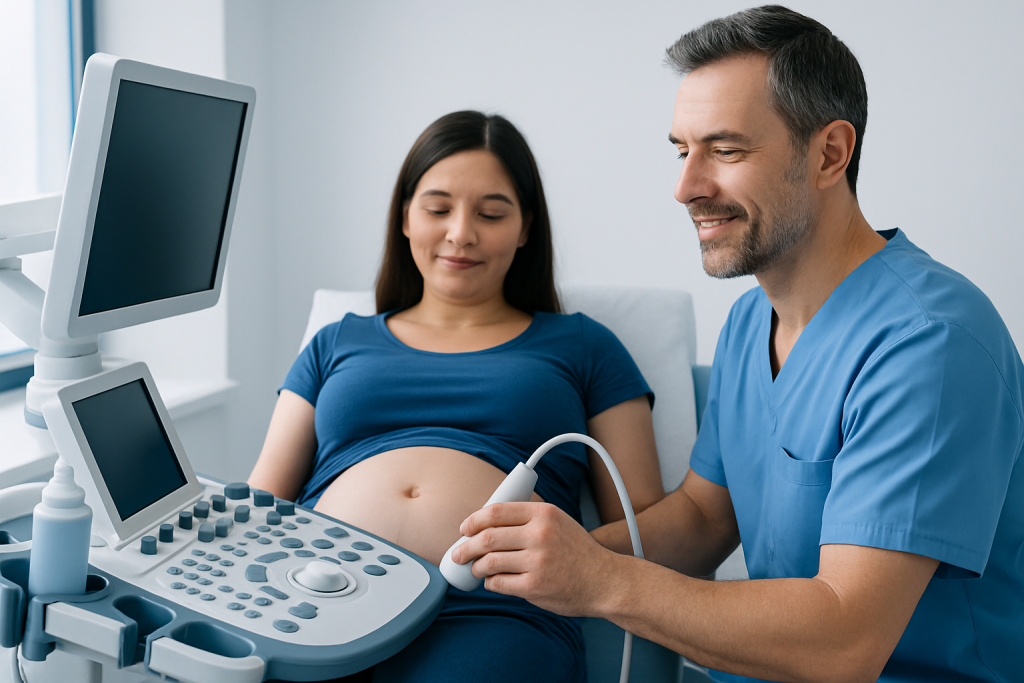
During early embryonic development, the body begins laying down basic structures before sex-specific traits become obvious. Among these early structures are the so-called milk lines, bands of tissue that extend along the chest and torso. Nipples begin forming from this early tissue before later developmental signals shape the reproductive organs and other sex-related features.
Only after this stage do sex chromosomes and hormones, especially androgens such as testosterone, guide the embryo toward more typically male or female development. By then, the nipples have already formed. Because there is no developmental process that removes them in male fetuses, they remain after birth.
This explains why men and women both have nipples even though they usually serve different roles later in life. In females, hormones during puberty and pregnancy support breast development and possible milk production. In males, breast tissue usually stays much less developed, but the nipples remain as part of the original early body plan.
Do male nipples have a function?
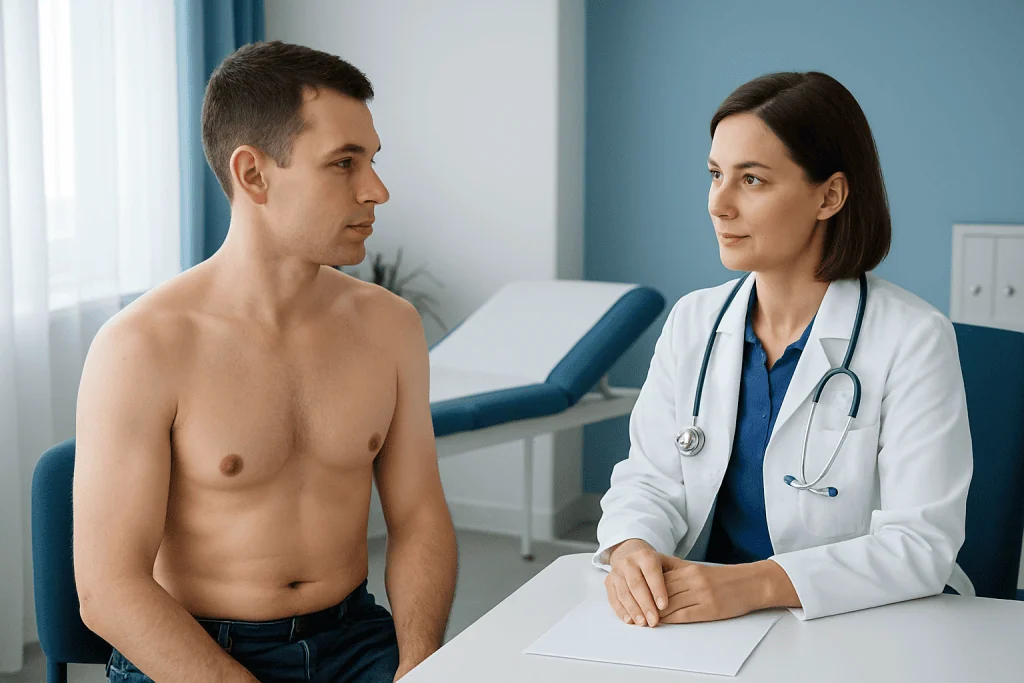
For most men, nipples do not have a major physiological function. They are generally considered a normal anatomical remnant of shared embryonic development. They can still contain nerves and blood supply, which is why they may be sensitive to touch, temperature, friction, or irritation.
Although uncommon, men do have a small amount of breast tissue beneath the nipple area. This tissue can respond to hormones, certain medicines, weight changes, or health conditions. As a result, men can sometimes notice enlargement, tenderness, or fullness in the chest. A common example is gynecomastia, which refers to enlargement of male breast tissue.
In rare situations, the nipple area may be affected by infection, inflammation, benign growths, or cancer. That does not mean male nipples are inherently risky; it simply means that, like any body tissue, they can occasionally develop medical problems that deserve evaluation.
What is normal and what is not
Normal male nipples vary in size, color, shape, and sensitivity. One side may look slightly different from the other, and temporary tenderness can occur with friction from exercise, skin irritation, or minor hormonal fluctuations. Small changes during puberty are also common as hormone levels shift.
Features that deserve more attention include:
- a new lump under or near the nipple
- persistent pain or tenderness on one side
- nipple discharge, especially if bloody or spontaneous
- skin dimpling, crusting, scaling, or ulceration
- recent inversion of the nipple
- noticeable swelling of one breast or the armpit area
Most of these symptoms still turn out to have non-cancerous causes, but they should not be ignored. Some men develop hormone-related breast tissue enlargement, while others may have cysts, infection, or skin conditions. A clinician can help determine whether the change is harmless or needs treatment.
Another point that often reassures patients is that chest fullness in men is not always the same as true breast tissue enlargement. Sometimes the appearance comes mainly from fatty tissue rather than glandular breast tissue. A medical exam helps distinguish between these possibilities.
Common causes of nipple and breast changes in men
The most common medical reason men notice changes around the nipples is hormonal influence on breast tissue. This may happen during puberty, with aging, or in association with conditions that affect hormone balance. True enlargement of breast tissue is called gynecomastia, while increased fat in the chest area without glandular growth is often called pseudogynecomastia.
Other possible causes include certain medications, anabolic steroids, alcohol misuse, liver disease, kidney disease, thyroid disorders, and testicular conditions. Weight changes can also alter the appearance of the chest. Skin irritation, eczema, cysts, or infection may cause redness, tenderness, or crusting around the nipple.
Rarely, a serious underlying problem is present. Male breast cancer is uncommon, but it can occur, particularly with a firm one-sided lump, nipple retraction, discharge, or skin changes. Doctors may also consider endocrine causes when nipple or breast changes appear together with low libido, infertility, reduced body hair, or other signs of hormone imbalance.
When symptoms are bothersome or persistent, a doctor may recommend further evaluation and in some cases treatment for the underlying cause. Depending on the findings, options may include hormone assessment, observation, medication review, or procedures such as breast cancer treatment or gynecomastia surgery when clinically appropriate.
How a doctor evaluates the problem
If a man seeks care for nipple or breast changes, the medical review usually begins with a history and physical examination. The doctor may ask when the change started, whether it affects one or both sides, and whether there is pain, discharge, fever, weight change, or medication use. A history of liver disease, thyroid disease, fertility issues, or family history of breast cancer may also be relevant.
During the examination, the clinician checks the nipple and surrounding tissue for lumps, asymmetry, skin changes, warmth, swelling, or enlarged lymph nodes. The chest, armpits, and sometimes the testicles and thyroid may also be examined, depending on the symptoms and suspected cause.
If there are red flags, imaging such as ultrasound or mammography may be advised. Blood tests can help assess hormone levels, liver and kidney function, or thyroid disease. When a definite lump or suspicious area is found, a biopsy may be needed to confirm the diagnosis and guide treatment.
This stepwise approach is designed to avoid unnecessary alarm while still identifying conditions that need attention. In many cases, the result is reassurance and monitoring rather than urgent intervention.
Treatment, self-care, and when to seek medical care
Treatment depends entirely on the cause. If the nipple area is normal and the question is simply anatomical, no treatment is needed. If symptoms relate to friction or mild skin irritation, practical self-care may help, such as wearing softer fabrics, keeping the area dry, and avoiding harsh soaps or products that trigger irritation.
When breast enlargement is due to medication effects, hormone changes, or an underlying condition, management focuses on that cause. A doctor may review medicines, recommend treatment for endocrine or organ-related problems, or suggest observation if symptoms are mild and likely to settle. Persistent or distressing enlargement may sometimes be treated with surgery after proper assessment, including endocrinology evaluation when hormonal causes are suspected.
Medical care should be sought promptly if there is a new breast or nipple lump, bloody or clear nipple discharge, one-sided swelling, skin dimpling, crusting that does not heal, persistent pain, fever, or unexplained weight loss. These symptoms do not automatically mean cancer, but they do need professional review.
For international patients who need assessment, Acibadem International’s multidisciplinary specialists and JCI-accredited hospitals evaluate breast, hormonal, and related concerns with individualized care. If the concern appears linked to a broader breast cancer work-up or another underlying condition, specialist referral may be recommended.
Frequently asked questions
Why do men have nipples if they do not breastfeed?
Men have nipples because they form early in embryonic development, before the body develops distinctly male or female sex characteristics. By the time hormones guide male development, the nipples are already present.
Are male nipples completely useless?
Not completely. They may not have a major reproductive function in most men, but they are still normal body structures with nerves, skin, and a small amount of underlying breast tissue.
Is it normal for male nipples to be sensitive?
Yes, mild sensitivity can be normal because the nipple area contains nerve endings. Friction from clothing, exercise, skin irritation, or temporary hormonal changes can make sensitivity more noticeable.
What does a lump under a man's nipple mean?
A lump under the nipple can have several causes, including gynecomastia, a cyst, infection, or less commonly cancer. Any new or persistent lump should be examined by a doctor, especially if it is one-sided or associated with discharge or skin changes.
Can men get breast cancer?
Yes, although it is uncommon, men can develop breast cancer. Warning signs include a firm lump, nipple retraction, discharge, and changes in the skin over the breast or nipple.
When should a man see a doctor about nipple changes?
Medical advice is important if there is a new lump, ongoing pain, discharge, redness, swelling, crusting, or a nipple that newly turns inward. It is also wise to seek review if symptoms persist or if there are other signs of hormone imbalance.
References
This article is for general information only and is not a substitute for professional medical advice. Please consult a qualified doctor about your individual situation.
Explore treatments in Turkey — costs, top hospitals & a free quote
JCI-accredited · board-certified surgeons · reply within 24h
Add us as a Preferred Source to see more of our trusted health content across Google Search, AI Overviews and Discover.