Why Is Linzess Dangerous? A Doctor-Reviewed Answer

For most adults, Linzess is tolerated well, but diarrhea is common and can sometimes be severe. The most important warning signs are persistent diarrhea, dehydration, severe belly pain, vomiting, fainting, or blood in the stool.
Key Takeaways
- For most adults, Linzess is tolerated well, but diarrhea is common and can sometimes be severe.
- The most important warning signs are persistent diarrhea, dehydration, severe belly pain, vomiting, fainting, or blood in the stool.
- Doctors assess symptoms, hydration, medicines, and possible bowel conditions before deciding whether Linzess is the cause.
- Linzess should not be used in young children and may be unsafe if bowel blockage is suspected.
- Medical review is important if symptoms are new, severe, or do not improve after stopping the medicine as advised.
Linzess is not dangerous for most adults when it is prescribed appropriately, but some side effects can become serious. The main concerns are severe diarrhea, dehydration, worsening abdominal symptoms, and situations where the medicine is used in someone who should not take it.
Overview: why Linzess can sometimes be dangerous
For most adults, Linzess is not dangerous when it is used exactly as prescribed. It is a medicine commonly used for chronic constipation and constipation-predominant irritable bowel syndrome, and many people take it without major problems. The reason it is sometimes described as dangerous is not that it is broadly unsafe, but that it can trigger side effects that become serious in a small number of patients.
The main risk is strong diarrhea. Because Linzess works by increasing fluid in the intestines and helping stool move through the bowel, it can sometimes work too well. When diarrhea is frequent or severe, the body can lose too much water and electrolytes, which may lead to dehydration, weakness, dizziness, and other complications.
There are also situations where the medicine may be inappropriate, such as suspected bowel blockage or use in children for whom it is not approved. In practice, the question “why is Linzess dangerous” is best answered by looking at who is taking it, what symptoms develop, and whether there are warning signs that need prompt medical attention.
What Linzess does and why side effects happen
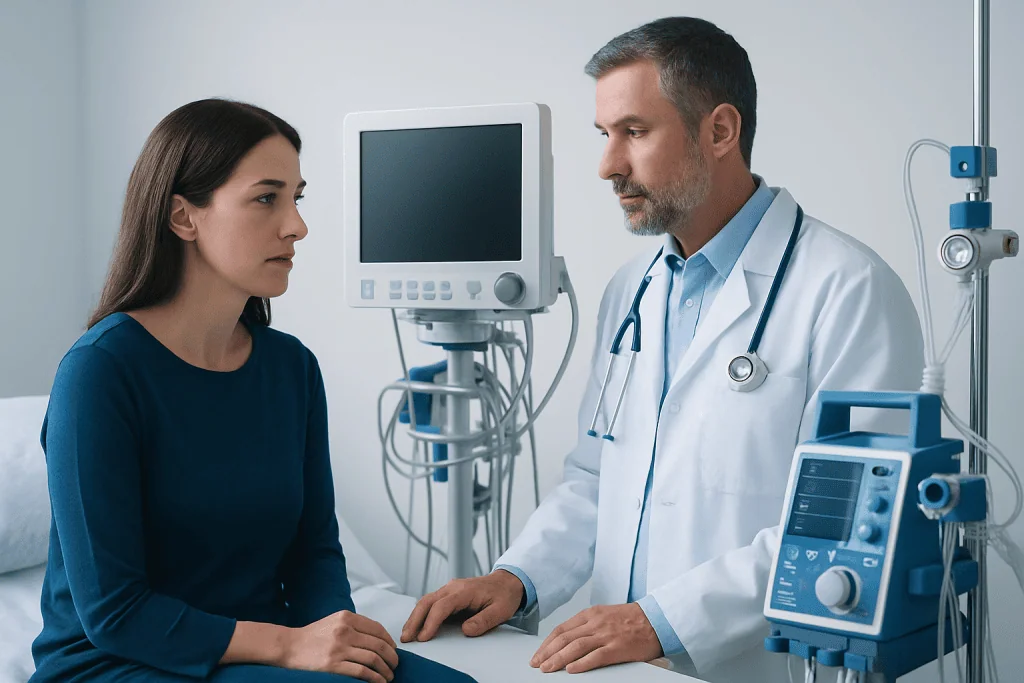
Linzess, also known by its generic name linaclotide, acts on receptors in the lining of the intestines. This leads to more fluid entering the bowel and can speed intestinal movement. For people with hard stools, infrequent bowel movements, or constipation linked to irritable bowel syndrome, this effect can ease discomfort and improve regularity.
The same mechanism explains most of its side effects. If too much fluid shifts into the intestine, stools may become loose or urgent. Some people also notice abdominal cramping, bloating, gas, or a feeling that bowel symptoms have changed suddenly after starting treatment.
Doctors usually weigh these effects against the expected benefit. A mild increase in bowel movements is often part of treatment, but severe symptoms are different. The concern is not simply that diarrhea occurs, but whether it becomes intense enough to interfere with daily life, cause dehydration, or suggest another digestive problem that needs separate evaluation.
Common side effects versus red flags

Many side effects of Linzess are unpleasant but not dangerous. Mild diarrhea, looser stools, bloating, gas, and mild abdominal discomfort may happen, especially when treatment first begins. In some people these effects settle as the body adjusts, though patients should still mention them to the prescribing doctor if they are bothersome or persistent.
Red flags are different because they may point to dehydration, an excessive drug effect, or another illness. Symptoms that deserve prompt review include severe diarrhea, diarrhea that does not stop, marked dizziness, fainting, unusual weakness, dry mouth, reduced urination, severe stomach pain, vomiting, or inability to keep fluids down.
Blood in the stool, black stools, fever, a swollen abdomen, or pain that feels out of proportion should not be assumed to be a routine medication effect. These symptoms can overlap with conditions such as bowel inflammation, infection, obstruction, or significant hemorrhoidal bleeding. In those situations, a doctor may need to look beyond the medicine itself and assess for hemorrhoids or other gastrointestinal causes.
- Often manageable: mild loose stools, gas, bloating, mild cramping
- Needs medical advice soon: persistent diarrhea, weakness, worsening abdominal pain
- Needs urgent care: signs of dehydration, fainting, severe pain, blood in stool, inability to drink fluids
Who may be at higher risk
Some people are more vulnerable to complications from diarrhea and fluid loss. Older adults, people who already have low fluid intake, and those with other illnesses that affect fluid balance may feel the effects more quickly. Risk can also be higher in anyone taking other medicines that increase dehydration risk, such as diuretics, or in people who already have frequent loose stools before starting Linzess.
The medicine should not be used when bowel obstruction is known or suspected. If the intestine is blocked, a drug that alters fluid movement and motility can worsen symptoms and delay correct treatment. Severe constipation with vomiting, a distended abdomen, or inability to pass gas should be assessed promptly rather than treated at home with a new medicine.
Age matters as well. Linzess carries an important warning against use in young children because of the risk of serious dehydration. Even in older children and adolescents, it should only be used when a qualified clinician decides it is appropriate. Adults with complex digestive symptoms may need evaluation for other conditions such as Crohn's disease or structural bowel problems before treatment is continued.
How a doctor evaluates symptoms after starting Linzess
If someone develops concerning symptoms on Linzess, the first step is usually to clarify timing and severity. A doctor will ask when the medicine was started, the dose, whether it was taken correctly, and how soon diarrhea or pain began afterward. They will also ask about fluid intake, urination, dizziness, appetite, stool appearance, and whether the patient has had fever, vomiting, or blood in the stool.
Next comes a review of other possible causes. Not every episode of diarrhea in a person taking Linzess is caused by the medicine. Viral gastroenteritis, food poisoning, antibiotic-associated diarrhea, inflammatory bowel disease, bowel obstruction, and other conditions can overlap. In some cases, examination and tests such as blood work, stool tests, or imaging may be needed to check hydration, inflammation, infection, or blockage.
Doctors also look at whether constipation was the correct problem to treat in the first place. If symptoms include unexplained weight loss, persistent pain, anemia, rectal bleeding, or a major change in bowel habits, further digestive evaluation may be appropriate. Depending on the situation, this can include consultation with a specialist in gastroenterology or tests such as colonoscopy to look for another underlying cause.
Treatment and what to do if side effects occur
Treatment depends on how severe the symptoms are. For mild side effects, a doctor may advise monitoring, improving fluid intake, or reviewing how the medicine is taken. Patients should not make major changes on their own without checking with the prescribing clinician, but they should report symptoms that are persistent or disruptive.
If diarrhea is severe, the medicine is often paused while the patient is assessed. The immediate priority is preventing or correcting dehydration. This may include oral fluids and, in more serious cases, medical treatment for fluid and electrolyte replacement. If another condition is suspected, treatment is directed at that cause rather than assuming Linzess is solely responsible.
Some people may need a different constipation strategy if Linzess is not well tolerated. Depending on symptoms and medical history, options can include dietary changes, pelvic floor assessment, or other constipation treatments. If a structural or functional bowel disorder is suspected, a physician may recommend further evaluation and, when appropriate, constipation treatment tailored to the underlying cause.
When to seek medical care
Medical advice should be sought promptly if diarrhea becomes frequent, intense, or lasts more than a short period after starting Linzess. Review is also important if a person feels unusually weak, lightheaded, confused, or has signs of dehydration such as very dry mouth or much less urination than usual.
Urgent care is warranted for severe abdominal pain, fainting, blood in the stool, black stools, ongoing vomiting, fever with worsening bowel symptoms, or inability to drink enough fluids. These are not typical “wait and see” symptoms because they may signal dehydration, bleeding, obstruction, or another illness that needs treatment.
Patients with chronic constipation should also arrange medical review if symptoms are not improving, if they are becoming dependent on repeated self-treatment, or if alarm features develop. Near the end of the care pathway, some patients may benefit from specialist assessment; Acibadem International’s multidisciplinary specialists in JCI-accredited hospitals diagnose and treat digestive conditions for international patients when further evaluation is needed.
Frequently asked questions
Is Linzess dangerous for most adults?
No. For most adults who take it as prescribed, Linzess is not dangerous. The main concern is that it can sometimes cause severe diarrhea, which may lead to dehydration or require the medicine to be stopped and reviewed.
What is the most serious side effect of Linzess?
The most important serious side effect is severe diarrhea. This matters because ongoing fluid loss can cause dehydration, dizziness, weakness, low urine output, and in some cases the need for urgent medical care.
When should someone stop taking Linzess and call a doctor?
A person should contact their doctor if they develop persistent or severe diarrhea, significant abdominal pain, vomiting, or signs of dehydration. If there is fainting, blood in the stool, black stools, or inability to keep fluids down, urgent medical care is more appropriate.
Can Linzess cause stomach pain?
Yes. Mild cramping or abdominal discomfort can happen because the medicine changes fluid movement and bowel activity. Severe or worsening pain is different and should be evaluated, especially if it comes with bloating, vomiting, fever, or trouble passing stool or gas.
Why is Linzess especially risky in children?
Young children are more vulnerable to dangerous dehydration from severe diarrhea. Because of this risk, the medicine carries an important warning and should not be used in children for whom it is not approved.
How do doctors tell whether Linzess or another problem is causing diarrhea?
Doctors look at the timing of symptoms, the dose, hydration status, stool pattern, and any other medicines or illnesses. If needed, they may order blood tests, stool tests, or imaging to rule out infection, bowel inflammation, obstruction, or other digestive conditions.
References
- U.S. Food and Drug Administration
- National Institute of Diabetes and Digestive and Kidney Diseases
- American College of Gastroenterology
- MedlinePlus
- Mayo Clinic
This article is for general information only and is not a substitute for professional medical advice. Please consult a qualified doctor about your individual situation.
Persistent digestive symptoms? Get evaluated in Turkey
JCI-accredited · board-certified surgeons · reply within 24h
Add us as a Preferred Source to see more of our trusted health content across Google Search, AI Overviews and Discover.