Wide Feet: What Patients Need to Know

Foot width varies naturally and should be considered alongside shoe length when choosing footwear. Shoes that are too narrow can contribute to blisters, corns, calluses, numbness, and worsening toe deformities.
Key Takeaways
- Foot width varies naturally and should be considered alongside shoe length when choosing footwear.
- Shoes that are too narrow can contribute to blisters, corns, calluses, numbness, and worsening toe deformities.
- Feet may become wider over time because of ligament changes, weight changes, swelling, pregnancy, or flattening of the arch.
- A professional foot assessment is useful when width changes suddenly, affects one foot only, or is accompanied by pain, redness, or difficulty walking.
- Supportive, properly fitted footwear is the main first step for most people with wide feet.
Wide feet are a common foot shape variation, though they can also develop or become more noticeable with aging, pregnancy, swelling, injury, or certain foot conditions. Choosing shoes with adequate width and seeking assessment for persistent pain, swelling, or shape changes can help protect comfort and mobility.
Overview: What Does It Mean to Have Wide Feet?
Wide feet describe feet that require more room across the forefoot, midfoot, or both than a standard-width shoe provides. Foot width is a normal part of human variation, just like shoe length, arch height, and toe shape. Some people have naturally broad feet from childhood, while others notice their feet gradually becoming wider later in life.
Having wide feet is not usually a medical problem by itself. The main concern is footwear fit: shoes that compress the toes or sides of the foot can cause discomfort and increase pressure on the skin, nerves, joints, and toenails. A shoe that is the correct length but too narrow may still lead to pain, rubbing, or a feeling that the foot is spilling over the sole.
Foot width can also change during the day. Standing, walking, warm weather, and fluid retention may cause temporary swelling, so feet are often slightly wider in the afternoon or evening. For this reason, shoe fitting is usually most accurate later in the day, while wearing the type of socks or hosiery normally used with the shoes.
How Wide Feet May Feel and Look
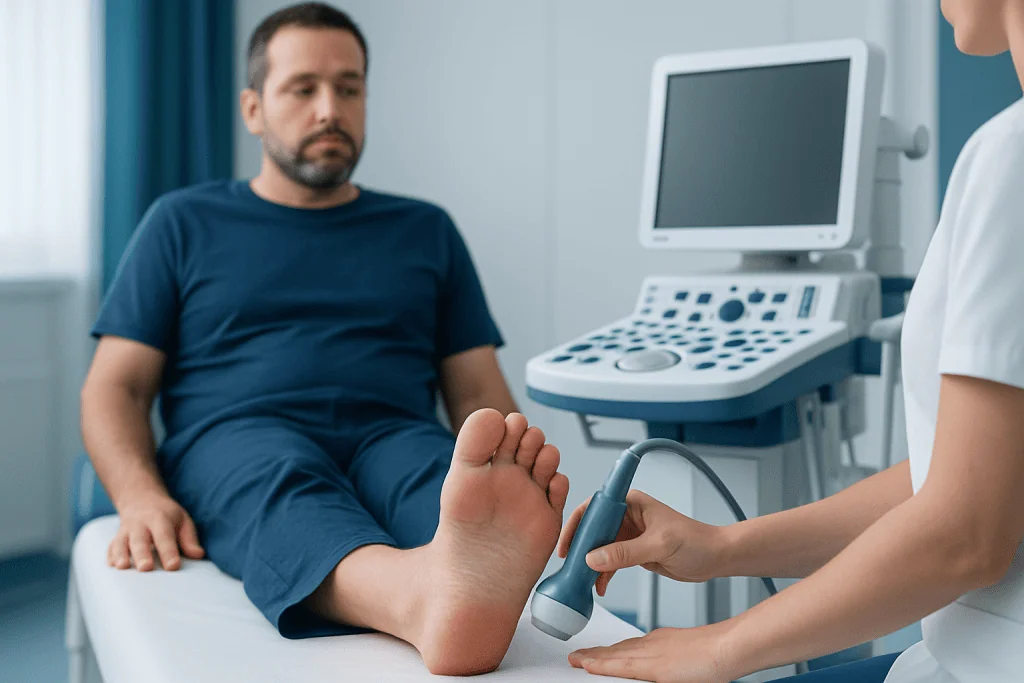
Wide feet do not always cause symptoms. When shoes are well fitted, a person may have no discomfort at all. Problems tend to develop when footwear is narrow, rigid, pointed, or lacks enough depth for the toes and upper part of the foot.
Common signs that a shoe may be too narrow include pressure at the little-toe side of the foot, pinching across the ball of the foot, toe crowding, blisters, corns, calluses, or redness after taking shoes off. Some people notice tingling, numbness, burning, or aching, especially after long periods of walking or standing. Toenails may become sore if the front of the shoe is also too short or shallow.
The foot may appear wider at the forefoot, with the skin pressing against the upper or sides of the shoe. A person may also see a bulge near the base of the big toe or little toe. These changes can be associated with conditions such as bunions or tailor’s bunions, although a broad foot alone does not mean that either condition is present.
Why Feet Can Be Wide or Become Wider

Genetics is one of the most important influences on foot width. Bone shape, joint structure, ligament flexibility, body build, and inherited foot alignment all contribute. People may simply have naturally broad feet, and this does not need treatment unless it makes footwear uncomfortable or limits daily activities.
Feet can widen over time as the ligaments and supporting tissues of the foot become less firm. Aging, repeated weight-bearing activity, weight changes, and a lowering of the arch can allow the foot to spread. When the arch flattens, the foot may become both longer and wider. This can occur gradually and may affect one or both feet.
Pregnancy can also bring temporary or lasting changes in foot size because of fluid retention, increased load on the feet, and hormonal effects on ligaments. Swelling from prolonged sitting, heat, certain medicines, vein problems, or medical conditions may make shoes feel tighter. A sudden change in width, particularly in only one foot, deserves clinical evaluation rather than being assumed to be a normal sizing issue.
Some foot conditions can alter the shape of the forefoot. These include bunions, inflammatory arthritis, previous fractures, tendon problems, and nerve-related changes in people with reduced sensation. Diabetes does not directly cause wide feet, but nerve damage, circulation concerns, and changes in foot shape make careful shoe fit especially important for people living with diabetes.
Measuring Foot Width and Finding a Better Shoe Fit
Shoe sizing should account for both length and width. Width labels vary between manufacturers and countries, so a letter or label may not fit the same way across brands. Trying shoes on is therefore more useful than relying on a familiar size alone. A trained shoe fitter, podiatrist, or orthopedic specialist can measure each foot while the person is standing.
Both feet should be measured because one foot is commonly a little larger than the other. Shoes should fit the larger foot, with enough room for the toes to move naturally. There should be no pinching at the sides, no pressure over toe joints, and no need to “break in” a shoe that feels painful in the shop. The heel should feel secure without slipping excessively.
Helpful features for wide feet include a broad toe box, a rounded or foot-shaped front, adjustable laces or straps, soft uppers, and an adequately wide sole. A deeper shoe may be useful when there is a high instep, toe deformity, or need for an insole. Wide-width athletic, walking, work, and formal shoes are available from many manufacturers; a wider shoe is generally preferable to sizing up in length, which can create instability and toe gripping.
- Try shoes on later in the day, when feet may be at their widest.
- Walk in both shoes and check for rubbing, sliding, or pressure points.
- Bring orthotics or insoles when shopping, if these are normally worn.
- Replace shoes that have become misshapen or unevenly worn.
Comfort Measures and Treatment Options
For most people, the most effective approach is footwear that matches the foot’s shape. Reducing pressure can ease minor pain and may help prevent friction-related problems. Cushioned socks, protective pads for areas that rub, and non-medicated blister dressings may provide temporary comfort. It is important not to place pads in a way that makes the shoe tighter.
If there are calluses or corns, regular moisturizing and gentle care may help, but cutting them at home with blades or sharp tools is not recommended. People with diabetes, poor circulation, reduced sensation, or a history of foot ulcers should seek professional guidance before using medicated corn-removal products or attempting self-treatment. A podiatrist can safely assess skin pressure and recommend appropriate care.
Insoles or custom orthotics may be considered when foot mechanics, a flattened arch, arthritis, or another condition contributes to pain. They do not make the foot narrower, but they may improve support, distribute pressure, and make walking more comfortable. Persistent pain may require assessment to identify issues such as tendon irritation, a stress injury, arthritis, or a toe deformity.
Procedures or surgery are not treatments for naturally wide feet alone. They may be discussed only when a diagnosed structural problem, such as a painful bunion or severe deformity, continues to cause significant symptoms despite suitable shoes and other conservative measures. The choice depends on the diagnosis, symptom severity, overall health, and personal activity needs.
Daily Foot Care and Prevention
Preventing shoe-related discomfort begins with routine attention to fit. Shoes should be comfortable from the start, with enough space across the widest part of the foot and at the toes. Alternating between different pairs of well-fitting shoes can reduce repeated pressure on the same areas. High heels and narrow pointed shoes may be worn occasionally by some people, but they are more likely to crowd the forefoot and should not be relied upon for prolonged walking or standing.
Checking the feet regularly can identify redness, blisters, thickened skin, cracks, or nail irritation early. Keep feet clean and dry, change socks when damp, and choose socks without tight seams when possible. Maintaining a healthy activity routine and gradually increasing walking or exercise can support foot comfort, but pain should not be pushed through.
People who stand for long shifts may benefit from supportive footwear, rest breaks, and elevating the feet when swelling occurs. If swelling is recurrent, discussing it with a clinician is sensible, particularly if it is new, one-sided, or associated with shortness of breath, chest discomfort, or other systemic symptoms. Footwear is one part of care, but persistent swelling needs its underlying cause considered.
When to Seek Medical Care
Medical care is appropriate when foot pain persists despite changing footwear, interferes with walking, wakes a person at night, or repeatedly causes blisters, corns, skin breakdown, or numbness. A clinician can examine foot alignment, skin health, circulation, joints, and nerve function, and may recommend imaging or specialist assessment if an injury or structural condition is suspected.
Prompt assessment is particularly important for sudden swelling, redness, warmth, severe pain, a new deformity, inability to bear weight, or a foot that becomes wider quickly without an obvious reason. These symptoms may have causes beyond ordinary shoe fit. One-sided swelling should also be assessed, especially after injury, surgery, prolonged travel, or immobilization.
People with diabetes, peripheral artery disease, neuropathy, rheumatoid arthritis, or reduced immune function should contact a healthcare professional early for any blister, wound, color change, or unexplained foot pain. Acibadem International’s multidisciplinary specialists and JCI-accredited hospitals can assess foot symptoms and related orthopedic, circulatory, or metabolic concerns for international patients.
Frequently asked questions
Are wide feet normal?
Yes. Wide feet are a common normal variation in foot shape and often run in families. They only require attention when footwear causes pain, rubbing, skin problems, or difficulty walking.
Why have my feet become wider with age?
Feet may widen as ligaments become less supportive and the arch gradually lowers with age. Weight changes, long periods of standing, pregnancy, swelling, and some foot conditions can also contribute.
Should a person buy longer shoes if their feet are wide?
Not usually. Buying shoes that are longer than needed can allow the foot to slide, which may cause instability, toe gripping, and blisters. It is generally better to choose the correct length in a wider fitting or a style with a broader toe box.
Can wide shoes help with bunion pain?
A wide, deep toe box can reduce pressure on a bunion and may improve comfort. However, it does not reverse the bony change, and persistent pain or a worsening deformity should be assessed by a qualified clinician.
Can weight gain make feet wider?
Weight gain can increase the load placed on the feet and may contribute to flattening or spreading over time. It can also make existing footwear feel tighter, especially if swelling is present.
When is a wider foot a sign of a health problem?
A gradual change in both feet is often related to normal aging, footwear needs, or arch changes. Sudden widening, one-sided swelling, redness, warmth, severe pain, numbness, or inability to walk should be medically assessed.
This article is for general information only and is not a substitute for professional medical advice. Please consult a qualified doctor about your individual situation.
Explore treatments in Turkey — costs, top hospitals & a free quote
JCI-accredited · board-certified surgeons · reply within 24h
Add us as a Preferred Source to see more of our trusted health content across Google Search, AI Overviews and Discover.

More from the Health Library

Tavr Procedure: An Evidence-Based Guide for Patients

Pectin — Explained by Medical Evidence, Not Myths

Indoor Rowing Machine: What Patients Need to Know

Xiphoid Process: An Evidence-Based Guide for Patients

Facial bones: Symptoms, Causes, and Treatment — Complete Patient Guide