Workout Mobility: What Patients Need to Know
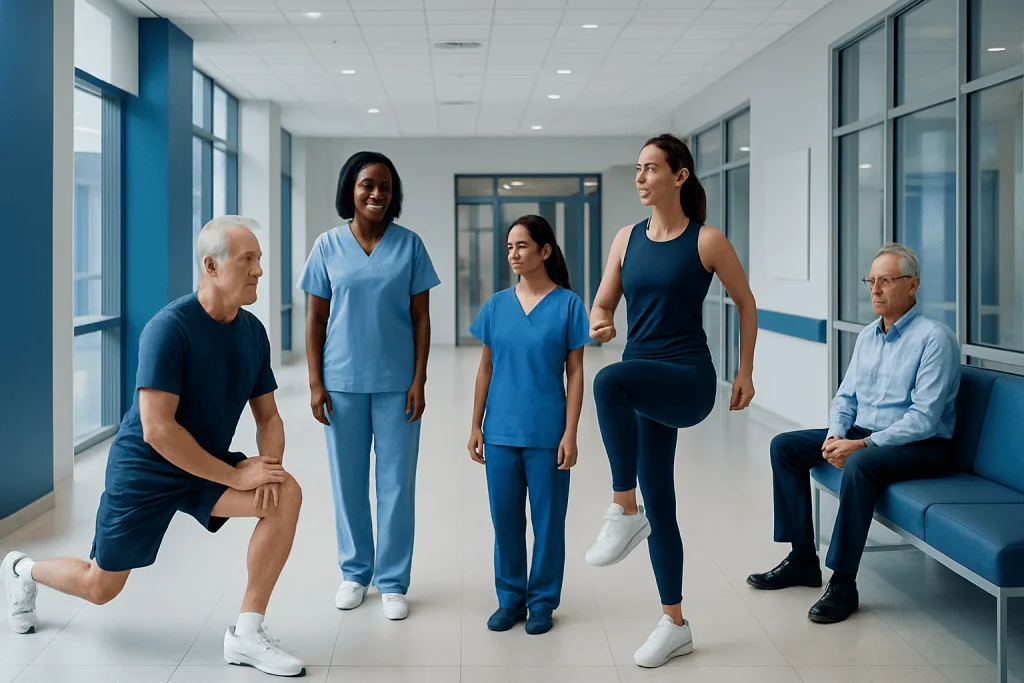
Workout mobility is different from flexibility because it focuses on controlled joint movement, not just muscle length. A good mobility routine is usually brief, targeted, and built around a person’s activities, symptoms, and goals.
Key Takeaways
- Workout mobility is different from flexibility because it focuses on controlled joint movement, not just muscle length.
- A good mobility routine is usually brief, targeted, and built around a person’s activities, symptoms, and goals.
- Mobility work may support posture, movement quality, balance, and comfort during exercise and daily tasks.
- Pain, swelling, repeated injury, or loss of motion should be assessed by a qualified clinician rather than pushed through.
- People with arthritis, back pain, or prior injuries often benefit from a personalized plan and guided rehabilitation.
Workout mobility refers to exercises that help joints move through a comfortable range with control, strength, and coordination. For many people, it can improve exercise technique, support daily function, and reduce strain when it is done consistently and matched to individual needs.
What workout mobility means
Workout mobility means practicing movements that help the body use its joints through a comfortable range with control. In practical terms, it is the ability to squat, reach, rotate, hinge, step, and lift without unnecessary stiffness, compensation, or loss of balance. It is not only about being “loose” or flexible. It also involves strength, coordination, body awareness, and stability.
This is why workout mobility is different from stretching alone. Flexibility usually refers to how much a muscle can lengthen, while mobility refers to how well a joint moves during an activity. For example, a person may be able to touch their toes while sitting but still have limited hip or ankle mobility during a squat. Good movement depends on how muscles, joints, nerves, and connective tissues work together.
For patients and recreational exercisers, mobility is best thought of as a movement skill. It can be trained before exercise as part of a warm-up, during a rehabilitation plan, or on rest days to maintain function. The goal is not to force extreme ranges of motion, but to make everyday and athletic movement smoother, safer, and more efficient.
Why mobility matters for exercise and daily life
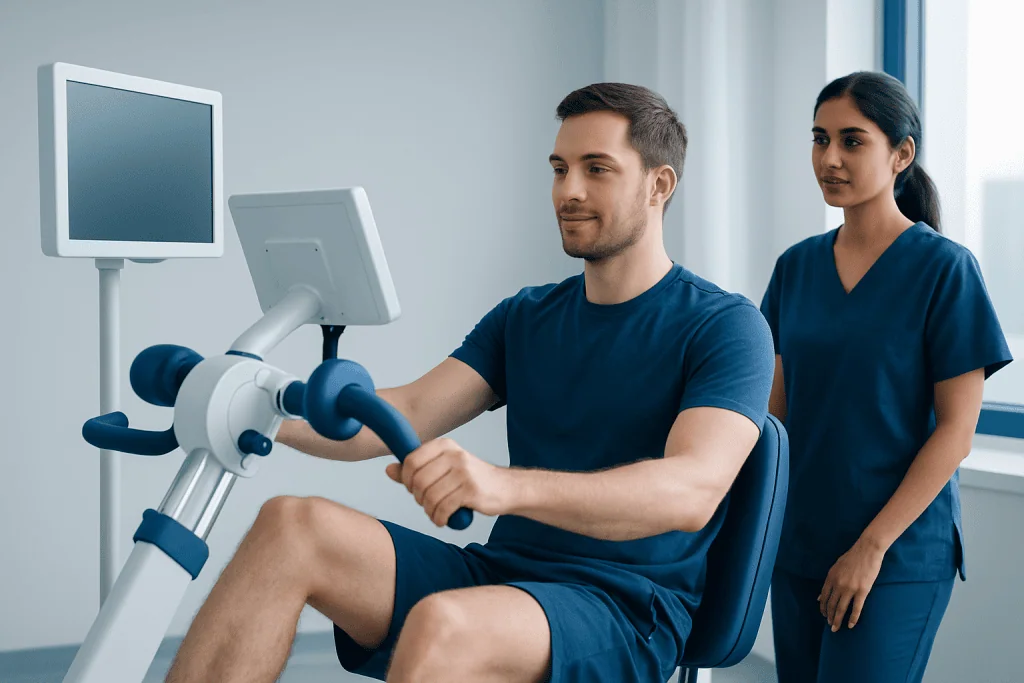
Mobility supports how the body performs common patterns such as bending, climbing stairs, getting up from a chair, turning the head, or reaching overhead. During exercise, it can help a person move with better technique and distribute load more evenly across the body. This may lower unnecessary stress on nearby tissues, especially when combined with strength training and proper recovery.
Limited mobility does not always cause symptoms, but in some people it can contribute to poor form, stiffness after inactivity, or recurring overload in certain areas. A person with restricted ankle motion, for example, may compensate at the knees or lower back during walking, running, or squatting. Likewise, limited shoulder or thoracic spine mobility may make overhead movements feel awkward or uncomfortable.
Mobility work may be especially useful for people who sit for long periods, return to exercise after a break, or recover from an injury. It is also commonly included in rehabilitation programs for lower back pain and other musculoskeletal concerns. In these settings, the emphasis is usually on restoring comfortable motion, improving movement confidence, and building control rather than chasing maximum range.
- It may improve movement quality during exercise.
- It can support balance, posture, and body awareness.
- It often helps people prepare for activity and recover from stiffness.
- It works best when paired with strength, sleep, and gradual training progression.
Mobility, flexibility, stability, and strength: how they differ

These terms are related but not interchangeable. Flexibility describes the ability of a muscle or soft tissue to lengthen. Mobility describes usable movement at a joint. Stability refers to the ability to control a joint and resist unwanted motion. Strength is the capacity of muscles to produce force. Healthy movement usually requires all four.
A joint that is flexible but not stable may feel loose yet remain poorly controlled. On the other hand, a person may be strong in a limited range but still struggle to perform movements that need rotation, deep bending, or overhead reach. This is one reason modern exercise programs often include both mobility work and strength exercises. The two approaches are complementary rather than competing.
For patients, this distinction matters because discomfort is not always solved by stretching more. Tightness can sometimes reflect weakness, guarding after injury, joint irritation, or a movement pattern problem. When symptoms persist, a professional assessment can help determine whether the main issue is mobility, stability, strength, or an underlying condition such as osteoarthritis.
Common causes of reduced mobility
Reduced mobility can develop for many reasons. Common contributors include prolonged sitting, repetitive movement, deconditioning, prior injury, aging-related changes, post-surgical stiffness, and pain that leads a person to avoid certain motions. In some cases, mobility limits are temporary and improve with regular movement. In others, they reflect inflammation, structural changes, or joint disease.
Muscle tightness is only one part of the picture. Restricted motion may also come from joint capsule stiffness, swelling, altered nerve sensitivity, weakness in supporting muscles, or poor motor control. For example, after an ankle sprain, a person may regain the ability to walk but still have lingering stiffness and reduced balance that affect exercise technique. Similarly, shoulder discomfort can reduce reaching and lifting even after the initial pain settles.
Medical conditions can also influence mobility. Arthritis, chronic back pain, neurological disorders, and some inflammatory conditions may limit comfortable movement and require a guided treatment plan. People with repeated injuries, a history of surgery, or significant pain during exercise may benefit from a structured assessment, often including physical therapy and rehabilitation to identify the movement and tissue factors involved.
How to build a safe workout mobility routine
A useful mobility routine is usually short, purposeful, and linked to the day’s activity. Before exercise, many people benefit from 5 to 10 minutes of dynamic movements that gently take joints through the ranges needed for training. Examples include ankle rocks, hip circles, thoracic rotations, cat-camel movements, arm circles, and controlled bodyweight squats. The aim is to prepare, not exhaust.
Good workout mobility is generally active rather than passive. Active mobility means the person moves and controls the range using their own muscles. This approach helps train coordination and stability alongside motion. Static stretching can still have a place, especially after exercise or when advised in rehabilitation, but it should not be the only method used.
Progress should be gradual. Movements should feel controlled and tolerable, not forced or sharply painful. It is often helpful to focus on the joints most relevant to common exercise patterns:
- Ankles for walking, running, squatting, and lunging
- Hips for bending, stepping, and lower-body strength exercises
- Thoracic spine for rotation and upright posture
- Shoulders for reaching, pressing, and pulling movements
- Wrists for floor-based exercises and some lifting positions
People returning from injury or dealing with long-standing stiffness may need a more personalized plan. In some cases, supportive care may include supervised exercise, manual therapy, and movement retraining. If surgery is part of treatment for a structural problem, rehabilitation remains central to restoring function afterward, including after selected orthopedic surgery procedures.
Signs that mobility work should be modified or medically assessed
Mobility training should not cause sharp pain, joint locking, a sense of giving way, or increasing swelling. Mild muscular effort and temporary stretching sensations are common, but symptoms that worsen during or after exercise deserve attention. Pain that repeatedly appears with the same movement can be a sign that the body needs a different approach rather than more force.
Warning signs include a clear difference between sides after an injury, loss of motion that is getting worse, numbness or tingling, night pain that disturbs sleep, or stiffness accompanied by redness, warmth, fever, or significant swelling. These features may suggest irritation, inflammation, nerve involvement, or another medical issue that needs evaluation.
When symptoms limit daily life, it is sensible to seek professional advice early. A clinician may assess joint range, strength, balance, gait, posture, and movement patterns, and may recommend imaging or specialist care if needed. For selected patients with persistent spinal symptoms, broader evaluation and tailored spine care or surgery may be considered only after appropriate assessment and conservative treatment where suitable.
Diagnosis, professional support, and treatment options
There is no single test for “poor mobility.” Diagnosis starts with a history of symptoms, activity level, prior injuries, and movement goals. A clinician or physiotherapist will often observe how the person walks, squats, reaches, rotates, or balances, and compare active and passive ranges of motion. This helps distinguish whether the limitation is related to pain, tissue stiffness, weakness, coordination, or a joint problem.
If a specific condition is suspected, additional tests may be appropriate. Imaging such as X-rays or MRI may be used when there is concern about arthritis, a structural injury, or ongoing pain that does not improve. Blood tests may be considered if an inflammatory condition is possible. Not everyone with stiffness needs extensive testing; many people improve with guided exercise and gradual loading.
Treatment depends on the cause. Options may include activity modification, mobility drills, strengthening, balance training, posture and movement retraining, pain management, and treatment of the underlying disorder. For some people, a supervised program is the safest way to regain confidence and consistency. Near the end of the care pathway, Acibadem International’s multidisciplinary specialists in JCI-accredited hospitals also diagnose and treat mobility-limiting musculoskeletal conditions for international patients.
Prevention, self-care, and when to seek medical care
For most people, preserving mobility is less about doing long routines and more about moving regularly throughout the week. Changing positions often, strength training with good form, warming up before intense exercise, and practicing a few targeted movements for stiff areas can all help. Recovery matters too: sleep, hydration, and pacing influence how the body feels and performs.
Self-care should match the person’s body and schedule. Someone with desk-based work may benefit from thoracic extension, hip mobility, and short walking breaks. A runner may focus more on ankles, calves, hips, and foot strength. An older adult may prioritize balance, chair rises, and gentle rotational movements. Consistency is usually more effective than occasional intense stretching sessions.
Medical care should be sought if pain is severe, follows a traumatic injury, or is associated with swelling, deformity, weakness, numbness, fever, or inability to bear weight. It is also sensible to arrange an assessment if stiffness persists for weeks, repeatedly limits exercise, or interferes with sleep or daily function. Early guidance can help prevent avoidable setbacks and clarify whether symptoms are due to training habits or an underlying condition.
Frequently asked questions
What is workout mobility in simple terms?
Workout mobility is the ability to move a joint through a comfortable range with control. It combines motion, strength, coordination, and stability rather than focusing only on stretching.
Is mobility the same as flexibility?
No. Flexibility refers more to how much a muscle can lengthen, while mobility refers to how well a joint can move during a task. A person can be flexible but still have poor mobility if they cannot control the movement well.
How often should someone do mobility exercises?
Many people do well with a few minutes of mobility work most days or as part of a warm-up before exercise. The best frequency depends on activity level, symptoms, and whether a person is recovering from an injury.
Can mobility work help with back or joint stiffness?
It can help some people, especially when stiffness is related to inactivity, movement habits, or mild functional limitations. However, persistent pain or progressive stiffness should be evaluated to rule out arthritis, injury, or another condition.
Should mobility exercises be painful?
They should not cause sharp, worsening, or lingering pain. Mild effort or stretching sensations can be normal, but pain, swelling, or joint instability are signs to stop and seek advice.
What are examples of good mobility exercises?
Common examples include ankle rocks, hip circles, thoracic rotations, controlled squats, shoulder circles, and gentle spinal movements. The most useful exercises are the ones matched to the person’s activity demands and any symptoms they have.
This article is for general information only and is not a substitute for professional medical advice. Please consult a qualified doctor about your individual situation.
Joint and spine care in Turkey — expert assessment & treatment
JCI-accredited · board-certified surgeons · reply within 24h
Add us as a Preferred Source to see more of our trusted health content across Google Search, AI Overviews and Discover.

More from the Health Library

Preoperational Stage — Explained by Medical Evidence, Not Myths

Oral Gonorrhea: What Patients Need to Know

Coriander Substitute: A Complete Medical Overview

Contractures: A Complete Medical Overview

Rosacea Sun Cream: What Patients Need to Know