Inflammatory Bowel Treatment
Inflammatory bowel disease treatment manages Crohn’s disease and ulcerative colitis with medications, nutrition guidance, monitoring, and surgery when needed to reduce flares and protect bowel health.
Quick answer
Inflammatory bowel disease treatment is the long-term care used to control Crohn's disease and ulcerative colitis, chronic conditions in which the immune system inflames the digestive tract. It combines medication to calm inflammation, nutrition support, endoscopic monitoring and, when complications develop, surgery. The aim is remission: healing the bowel lining, preventing flares and protecting long-term bowel health.
Colitis and Inflammatory Bowel Disease: A Clear Starting Point
Inflammatory bowel disease treatment is the structured, long-term care used to control Crohn’s disease and ulcerative colitis — chronic conditions in which the immune system drives inflammation in the digestive tract. Colitis, in the broad sense, means inflammation of the colon; ulcerative colitis is the form that belongs to inflammatory bowel disease. Treatment combines medication, nutrition support, endoscopic monitoring and, when needed, surgery, with the aim of calming inflammation, healing the bowel lining and keeping the disease quiet for the long term.
This page explains what colitis is, how it relates to inflammatory bowel disease, which symptoms matter, how the diagnosis is confirmed, and what treatment realistically involves — from first assessment through medication, endoscopy and surgery to long-term follow-up. It is written for people weighing up specialist care. It does not promise simple answers, because inflammatory bowel disease rarely offers them. What it offers instead is a clear picture of the decisions you and your doctors will face.
What is colitis?
Colitis is inflammation of the large intestine — the colon. It is a description, not a single disease, and that distinction matters because the treatment depends entirely on the cause. Colitis can be triggered by bacterial, viral or parasitic infection, by reduced blood flow to the bowel (ischaemic colitis), by radiation, by reactions to certain medications, or by microscopic inflammation that is only visible on biopsy. It can also be chronic and immune-mediated, as in ulcerative colitis. Infectious colitis usually settles once the infection is treated, which is one reason stool testing comes early in any work-up; where infection is suspected, evaluation may involve the Infectious Diseases Department. Ulcerative colitis behaves differently: it is a lifelong condition that flares and settles over time and needs a maintenance strategy, not a single course of treatment. Deciding which kind of colitis you have is therefore the first and most consequential step.
What is inflammatory bowel disease?
Inflammatory bowel disease (IBD) is the umbrella term for two chronic immune-mediated conditions: ulcerative colitis and Crohn’s disease. In ulcerative colitis, inflammation typically begins in the rectum and extends continuously through part or all of the colon, affecting the inner lining. In Crohn’s disease, inflammation can occur anywhere from the mouth to the anus, most often at the end of the small intestine and in the colon, and it can involve the full thickness of the bowel wall — which is why narrowing, abscesses and fistulas are complications of Crohn’s disease in particular. IBD is not the same as irritable bowel syndrome, despite the similar name; irritable bowel syndrome causes real and often disabling symptoms but does not inflame or damage the bowel tissue. IBD does, and that structural risk is what shapes treatment.
When Inflammatory Bowel Disease Begins to Shape Daily Life
Living with inflammatory bowel disease is physically exhausting and emotionally difficult in ways that are easy to underestimate from outside. Crohn’s disease and ulcerative colitis often begin during the most active years of life — school, work, travel, building a family, building a career. Symptoms come and go, which makes the condition feel unpredictable. You may feel well for weeks or months, then face abdominal pain, urgent diarrhoea, bleeding, fatigue, weight loss, fever, or the quiet, constant calculation of where the nearest toilet is.
For many people, the decision to seek specialist care is not only about controlling symptoms. It is about understanding what is happening inside the digestive tract, preventing bowel damage, reducing the need for emergency care, and making informed choices about long-term treatment. The questions tend to be the same everywhere: Is this Crohn’s disease or ulcerative colitis? Why do flares keep returning? Are stronger medications necessary? Is surgery avoidable? What happens if treatment is delayed?
Inflammatory bowel disease treatment is not a single intervention. It is a long-term medical strategy: reduce inflammation, induce remission, maintain control, protect nutrition, monitor for complications, preserve quality of life. Some people need medication adjustment and close monitoring. Others need advanced imaging, endoscopy, nutritional rehabilitation, biologic or targeted therapies, or surgery for complications such as strictures, fistulas, severe bleeding or disease that no longer responds to medication. The right plan depends on an honest assessment of where your disease stands now — not where it stood at diagnosis.
Colitis Symptoms: How the Disease Shows Itself
Colitis symptoms centre on the bowel, but they rarely stop there, and they do not always match how much inflammation is actually present. Some people have dramatic symptoms with modest inflammation; others feel almost normal while inflammation continues silently between flares. This mismatch is one of the central problems in managing the disease, and it is why objective testing — not symptoms alone — guides good treatment decisions.
What are the main symptoms for colitis disease?
The main symptoms for colitis disease are persistent diarrhoea, blood or mucus in the stool, abdominal cramping, rectal pain, urgency and fatigue. Many people also notice loss of appetite, unintended weight loss, nausea, low-grade fever and bowel movements that wake them at night — nighttime symptoms are a particularly useful clue, because they are unusual in functional bowel disorders. In children and adolescents, delayed growth or delayed puberty can be the first sign, sometimes before bowel symptoms are obvious. Symptoms in Crohn’s disease depend heavily on where the inflammation sits: small-bowel disease may cause pain and weight loss with little visible bleeding, while colonic disease looks more like classic colitis. None of these symptoms is unique to inflammatory bowel disease, which is why testing matters before treatment begins.
Symptoms beyond the bowel
Inflammatory bowel disease can affect the whole body, not only the gut. Some people develop joint pain or swelling, eye inflammation, skin lesions, mouth ulcers, or inflammation of the liver and bile ducts; conditions affecting the liver may need parallel assessment alongside liver disease specialists. Blood clots are more common during active flares. Anaemia — from blood loss, iron deficiency or chronic inflammation — is one of the most frequent companions of the disease and a major cause of fatigue. These extraintestinal features can appear before, during or independently of bowel flares, and they sometimes bring people to the wrong specialist first. Recognising them as part of one condition changes the treatment conversation.
What Causes Inflammatory Bowel Disease?
No single cause of inflammatory bowel has been identified. Current evidence points to a combination of factors: genetic susceptibility, an immune system that responds abnormally to the bacteria normally living in the gut, changes in that gut microbiome, and environmental influences that are still being mapped. Family history raises risk but does not determine it — most people with IBD have no affected relative. Smoking has an unusual double role: it worsens Crohn’s disease and increases recurrence after surgery. Diet and stress do not cause inflammatory bowel disease, although both can influence how symptoms feel. In short, this is not a disease you gave yourself, and it is not one that willpower or diet alone can switch off.
What triggers colitis?
Flares of colitis can be triggered by intestinal infections, by interruptions in maintenance therapy, and in some people by certain anti-inflammatory painkillers — any question about specific medications belongs with the treating doctor, because the picture differs from patient to patient. Often, though, a flare has no identifiable trigger at all. This unpredictability is a feature of the disease, not a sign that something was done wrong. It is also the strongest argument for maintenance treatment and scheduled monitoring rather than reacting to each flare as it comes: relapse after stopping therapy is a well-recognised pattern, and much of modern IBD care is built around preventing it.
What foods trigger colitis?
No food causes colitis, and no diet reliably switches it off — but during active flares, certain foods commonly aggravate symptoms without worsening the underlying inflammation. High-fibre foods, raw vegetables, spicy dishes, caffeine, alcohol and dairy are frequent culprits, though tolerance varies enormously between individuals. In Crohn’s disease with narrowing of the bowel, fibrous foods can be genuinely risky because they may contribute to obstruction. A dietitian’s role is to separate foods that merely cause discomfort from restrictions that matter medically, to prevent the gradual, self-imposed narrowing of diet that leaves many patients undernourished, and to build an eating pattern that fits your culture and daily life. Restriction for its own sake helps no one; targeted, temporary adjustment during flares often does.
Will colitis go away on its own?
Infectious colitis often resolves once the infection clears, but ulcerative colitis and Crohn’s disease do not go away on their own. They are lifelong, relapsing-remitting conditions. What treatment can realistically achieve is remission — periods, sometimes very long ones, in which inflammation is controlled, the bowel lining heals and symptoms fade. Remission is not the same as disappearance: inflammation can return, which is why maintenance therapy and monitoring continue even when you feel entirely well. Stopping treatment because symptoms have settled is one of the most common reasons flares return, and it is a decision that should only ever be made together with the treating physician.
Who May Need Inflammatory Bowel Disease Treatment?
Treatment becomes relevant when symptoms, test results or a previous diagnosis point to ongoing inflammation in the digestive tract. Some people arrive newly diagnosed after months of unexplained symptoms. Others have known Crohn’s disease or ulcerative colitis and seek care because symptoms are worsening, medications no longer work as well as they did, or complications have developed. A third group feels reasonably well but needs surveillance — long-standing colitis carries a risk of precancerous change in the colon lining, and scheduled colonoscopy is how that risk is managed.
How is inflammatory bowel disease diagnosed?
Diagnosis rests on combining several kinds of evidence, because no single test proves IBD. It usually begins with a careful history and physical examination. Blood tests look for anaemia, inflammation markers, nutritional deficiencies, liver function changes and infection indicators. Stool tests help identify infection and measure intestinal inflammation directly. Colonoscopy with biopsies is central: it lets the physician see the intestinal lining, map how far inflammation extends, and take tissue samples that pathology can use to distinguish ulcerative colitis from Crohn’s disease, infection, microscopic colitis and other mimics. Upper endoscopy is added when Crohn’s disease is suspected in the upper digestive tract.
Imaging fills in what endoscopy cannot reach. Magnetic resonance enterography evaluates the small intestine — bowel wall thickening, narrowing, abscesses and fistulas — without ionising radiation. Computed tomography is used in urgent situations, particularly when obstruction or perforation is suspected. Pelvic imaging maps perianal fistulas in Crohn’s disease and guides surgical planning. Bowel ultrasound can monitor inflammation in some settings without radiation, and capsule endoscopy is considered when small-bowel disease is suspected and strictures have been reasonably excluded first — a capsule can lodge at a narrowing, so the order of testing matters.
Ruling out look-alike conditions is part of the diagnosis, not an afterthought. Infection, medication injury, ischaemic colitis, microscopic colitis, celiac disease and irritable bowel syndrome can all mimic aspects of IBD. Treating the wrong condition exposes you to unnecessary medication risk while the real problem continues, which is why biopsy review and imaging correlation are worth the time they take.
When is a second opinion worthwhile?
A second opinion tends to be most valuable at decision points: when the diagnosis is uncertain, when symptoms do not match test results, when surgery has been recommended, when a major medication escalation is on the table, or when there is concern about long-term medication safety. A useful second opinion reviews the original endoscopy reports, biopsy slides where possible, imaging and medication history — not just the summary letters — and states plainly whether the current plan follows evidence-based practice, whether additional evaluation is needed before changing therapy, and where genuine uncertainty remains. Sometimes the most valuable outcome of a second opinion is confirmation that the existing plan is sound.
Conditions and Indications Addressed by Treatment
Inflammatory bowel disease treatment addresses both the underlying disease and the complications that accumulate over time, and every patient’s pattern is different. Decisions depend on whether disease is mild, moderate or severe; whether inflammation affects the rectum, colon, small intestine, perianal area or several regions at once; and whether complications are already present. Two patients with the same diagnosis on paper can need entirely different plans.
In ulcerative colitis, treatment may target proctitis (inflammation limited to the rectum), left-sided colitis, extensive colitis, severe acute colitis, recurrent bleeding, anaemia, steroid dependence, or disease that does not respond adequately to standard medication. Patients with long-standing ulcerative colitis also need surveillance colonoscopy to watch for precancerous changes, particularly when inflammation has involved a large portion of the colon for many years.
In Crohn’s disease, treatment may address purely inflammatory disease, stricturing disease, penetrating disease, perianal fistulas, abscesses, bowel obstruction, malnutrition and recurrence after surgery. The distinction between inflammation and scar tissue is critical here: inflammatory Crohn’s disease may respond well to medication, while a fibrotic stricture is scar, and scar does not reliably improve with anti-inflammatory drugs — it may need endoscopic dilation or surgery instead. Getting this distinction right, usually through imaging, prevents months of escalating medication against a problem medication cannot fix.
IBD care also extends to the consequences of chronic disease and its treatment: iron-deficiency anaemia, vitamin B12 deficiency, low vitamin D, bone health after steroid exposure, growth delay in younger patients, infection risk on immune-modifying therapy, vaccination review, pregnancy planning and cancer surveillance. The disease affects the whole person; treatment has to acknowledge that while staying focused on its central task — controlling intestinal inflammation.
How Inflammatory Bowel Disease Treatment Is Performed
Preparation and Initial Evaluation
Treatment begins with confirming the diagnosis and mapping the extent of disease. When care transfers between physicians or hospitals, the new team typically reviews prior colonoscopy reports, biopsy results, imaging, medication history, hospitalisation records and laboratory tests. Where records are incomplete or outdated, targeted testing fills the gaps. This groundwork prevents unnecessary medication changes and separates active inflammation from infection, scar tissue, medication side effects or overlapping conditions such as irritable bowel syndrome.
A typical initial pathway runs in this order:
- Review of existing records, medication history and previous endoscopy and pathology reports.
- Blood and stool testing for inflammation, anaemia, nutrition and infection.
- Endoscopy with biopsies and, where indicated, cross-sectional imaging of the small bowel and pelvis.
- Safety screening before immune-modifying therapy — this may include testing for tuberculosis, hepatitis B and C, and HIV where appropriate, plus baseline blood counts, liver function and vaccination review.
- Nutritional assessment and correction of deficiencies.
- A written treatment and monitoring plan, discussed and agreed with the patient.
Nutritional assessment deserves its place early in that list. Many people with IBD arrive with iron deficiency, low albumin, weight loss, dehydration or vitamin deficiencies. Diet alone does not usually control moderate or severe disease, but nutritional status strongly affects strength, healing, medication tolerance and surgical recovery. Correcting it is not a side project; it changes what the rest of the treatment can achieve.
How to Treat Inflammatory Bowel Disease with Medication
How to treat inflammatory bowel disease depends first on severity and risk, and medication is the foundation for most patients. Mild ulcerative colitis is often treated with drugs that act directly on the colon lining, given orally or rectally — rectal therapy matters more than many patients expect, because urgency and bleeding usually originate in the rectum and lower colon, exactly where these treatments work. Corticosteroids control flares over short periods, but long-term steroid use is avoided wherever possible because of its risks: bone loss, infection, high blood sugar, weight changes, cataracts, mood effects and adrenal suppression. A treatment plan that depends on repeated steroid courses is a plan that needs revising.
For moderate to severe disease, or where high-risk features are present, physicians may recommend immunomodulators, biologic therapies or targeted oral small-molecule agents. These work by dampening specific parts of the inflammatory process rather than the whole immune system. Some are given by infusion, some by injection, others by mouth. The choice weighs the diagnosis, disease location, previous medication response, other health conditions, monitoring requirements, patient preference — and whether the same therapy can realistically be continued and monitored where the patient lives. A medication that cannot be sourced or supervised over the long term may not be the right choice, however effective it is on paper.
Response is then verified, not assumed. Symptoms, blood tests, stool inflammation markers, imaging and endoscopy each contribute, because feeling better often precedes actual healing of the bowel lining. If inflammation persists, the physician may adjust the dose, switch medication, check drug levels or antibodies in selected cases, or reconsider whether an unrecognised complication — a stricture, an abscess, an infection — is the real reason treatment appears to be failing. Antibiotics have a role in specific situations such as abscess or perianal Crohn’s disease, but they are not the main treatment for most flares.
Endoscopic and Imaging-Guided Care
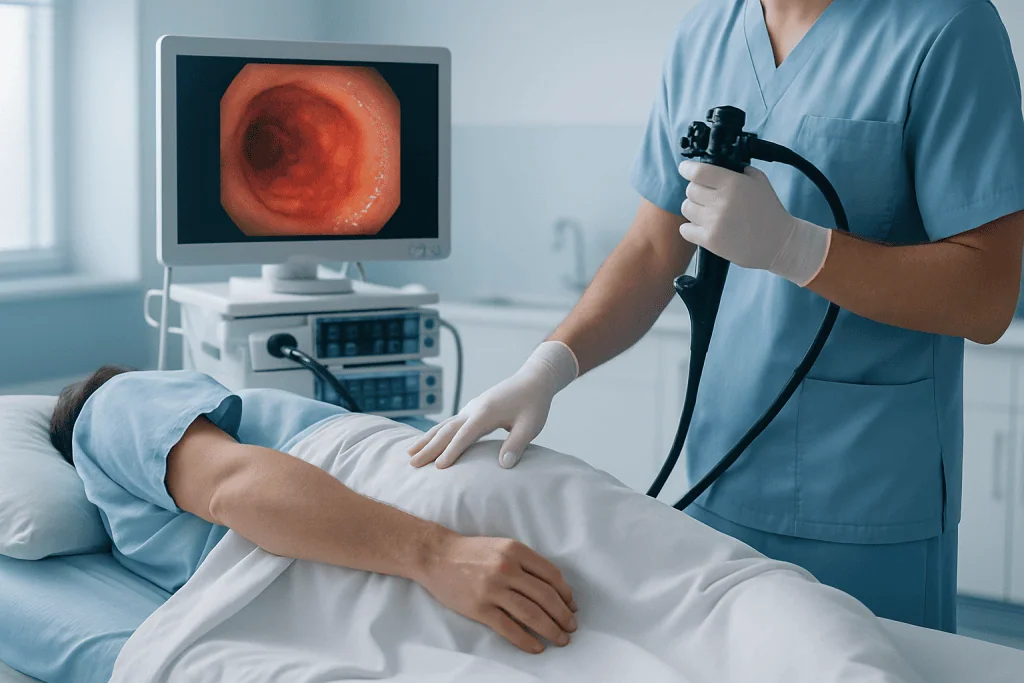
Endoscopy runs through every stage of IBD care: diagnosis, monitoring, cancer surveillance and selected treatments. Colonoscopy shows inflammation, ulcers, bleeding, strictures and — just as importantly — healing, which is the real target of therapy. Biopsies confirm the disease pattern and exclude infection, dysplasia and other causes of inflammation. In long-standing colitis, surveillance colonoscopy may use enhanced visualisation techniques to pick up subtle precancerous change while it is still manageable endoscopically. Some strictures can be widened with endoscopic balloon dilation, sparing or postponing surgery in suitable patients.
Imaging shows what endoscopy cannot. Magnetic resonance enterography is the workhorse for small-bowel Crohn’s disease and fistulas, avoiding ionising radiation in patients who will need repeated assessment over decades. Computed tomography answers urgent questions — obstruction, perforation, abscess — quickly. Pelvic imaging maps perianal fistulas before surgery. Together, these studies determine whether a problem is inflammatory and treatable with medication, whether an abscess needs drainage before immune-suppressing therapy can safely be intensified, or whether surgery is the sounder option.
Surgical Treatment When Needed
Surgery is not a failure of treatment; in some situations it is the safest and most effective option, and framing it honestly matters. Operations may be planned electively — which allows nutritional and medical optimisation first — or performed urgently when complications force the timing.
In Crohn’s disease, surgery may remove a severely damaged bowel segment, widen a narrowed area with a strictureplasty, drain an abscess or treat fistulas. Surgeons preserve as much healthy bowel as possible, because Crohn’s disease can recur elsewhere and future operations may be needed. Minimally invasive approaches are used when disease complexity, previous operations, inflammation and anatomy allow it safely. Medical follow-up continues after surgery, since operating on one segment does not prevent inflammation returning in another.
In ulcerative colitis, surgery may be recommended for medically refractory disease, severe acute colitis, dysplasia, cancer or serious medication complications. Because ulcerative colitis is confined to the colon, removing the colon and rectum removes the tissue the disease affects. Options include creation of an ileal pouch in selected patients, or an ileostomy; some patients need staged procedures, and monitoring continues afterwards because pouch inflammation can occur. The right operation depends on age, continence, fertility goals, medication exposure, cancer risk and personal priorities — these choices reshape daily life, and they deserve unhurried discussion.
Timings vary widely. Diagnostic endoscopy itself may take under an hour, though preparation and recovery take longer. Infusion therapy may occupy several hours depending on the medication and monitoring needs. Surgery may take several hours, with hospital stay and recovery depending on the procedure, disease severity and whether the operation was planned or urgent.
Recovery and Ongoing Monitoring
Recovery depends on what was done. After a medication change, some people notice improvement within days to weeks, while deeper control of inflammation takes longer to confirm. After endoscopy, most people return to usual activity quickly, though sedation requires same-day precautions. After surgery, expect several days in hospital and several weeks of graduated return to normal activity, with attention to hydration, wound care, nutrition, pain control and bowel function.
Long-term follow-up is not an optional extra; it is the treatment. IBD changes over time, so monitoring continues even when you feel entirely well: scheduled blood tests, stool markers, imaging or endoscopy at intervals, medication safety checks, nutrition review and cancer surveillance where indicated. When care is shared between physicians or teams, a good plan states explicitly which tests have been completed, which must continue, what results should prompt review, and how findings will be communicated between everyone involved in follow-up.
What does remission actually mean?
Remission in inflammatory bowel disease has layers, and clinicians distinguish them deliberately. Clinical remission means symptoms have settled: bowel habits normalise, bleeding stops, energy returns. Biochemical remission means the measurable footprints of inflammation — blood markers and stool markers — have returned to normal. Endoscopic remission, often called mucosal healing, means the bowel lining itself looks healed when examined directly, and it is the strongest predictor of a stable future: fewer flares, fewer hospitalisations, less bowel damage over time. The layers do not always move together. A person can feel well while inflammation smoulders, or feel unwell after the lining has healed because of scarring or an overlapping functional disorder. This is why modern treatment aims beyond comfort alone, and why follow-up testing continues after symptoms fade — the goal is a bowel that is actually healed, not merely quiet.
Is Colitis Very Serious? Why Acting Early Matters
Colitis can range from mild and manageable to genuinely dangerous, and the honest answer is that seriousness depends on cause, extent and how long inflammation goes uncontrolled. In ulcerative colitis, unchecked inflammation can cause severe bleeding, anaemia, hospitalisation, toxic megacolon and, in some patients with long-standing extensive disease, an increased long-term cancer risk. In Crohn’s disease, persistent inflammation can lead to narrowing, obstruction, abscesses, fistulas, malnutrition and repeated surgery. None of this is inevitable — it is precisely what structured treatment exists to prevent — but it is why the disease should not be managed by waiting to see what happens.
Complications tend to announce themselves: blood in the stool, fever, dehydration, severe abdominal pain, persistent vomiting, rapid weight loss and symptoms that disturb sleep are the patterns that mark active inflammation or a developing complication rather than day-to-day variation. The difference between planned treatment and emergency treatment is usually the difference between a disease recognised early and one recognised late.
Acting early also reduces steroid exposure. Steroids control flares effectively over the short term, but repeated or prolonged courses carry a cost the body pays later. A well-designed plan minimises that cost through maintenance therapy, objective monitoring and timely escalation — using steroids as a bridge, never as the strategy.
Potential Benefits of Inflammatory Bowel Disease Treatment
What treatment can deliver depends on disease type, severity and response to therapy — no honest clinician promises otherwise. The goals themselves, though, are consistent across patients: control inflammation, prevent complications, restore nutrition and make daily life predictable again.
| Benefit | What It Means for You |
|---|---|
| Reduced inflammation | Treatment aims to calm the immune activity injuring the bowel, which may decrease pain, diarrhoea, bleeding and urgency. |
| Fewer flares | A maintenance plan can reduce the frequency and severity of flare-ups, making work, travel and family life more predictable. |
| Protection against bowel damage | Controlling inflammation may lower the risk of strictures, fistulas, severe colitis, hospitalisation and emergency surgery. |
| Improved nutrition and strength | Dietary guidance, deficiency correction and disease control help address anaemia, weight loss, fatigue and low nutrient levels. |
| More informed decisions | Accurate diagnosis, imaging, endoscopy and specialist review clarify whether medication, surgery or monitoring is the right next step. |
| Long-term monitoring | Structured follow-up detects relapse, medication side effects and cancer risk factors earlier, when intervention is simpler. |
Recovery Timeline After Inflammatory Bowel Disease Treatment
Recovery varies by treatment type, so the timeline below is a general orientation rather than a schedule. Your own plan will be more specific, because it will be built around your disease, your treatment and your test results.
| Time Period | What Patients Can Expect |
|---|---|
| Day 1 | Consultation, blood and stool tests, imaging, endoscopy preparation, medication review or infusion therapy. After endoscopy, temporary bloating or drowsiness from sedation can occur. |
| First week | Test results and biopsy findings shape the treatment plan. Some patients start or adjust medication. Surgical patients focus on pain control, walking, hydration, bowel function and early nutrition. |
| First month | Symptoms may begin to improve with effective therapy, though full control of inflammation takes longer. Follow-up tests assess response and medication safety. |
| Several months | The team evaluates deeper healing using stool markers, blood tests, imaging or endoscopy. Doses are refined and nutrition goals reassessed. |
| Longer term | Maintenance therapy, surveillance and relapse prevention become the focus, with a clear plan for which warning symptoms warrant review and how follow-up continues at home. |
Factors That Influence Outcomes
Outcomes in inflammatory bowel disease depend on a handful of medical and practical factors, and understanding them helps you read your own situation realistically. The most important is disease phenotype: where the inflammation sits, how severe it is, and whether complications — strictures, fistulas, abscesses, severe colitis — are already present. Early inflammatory disease behaves differently from long-standing scar tissue or penetrating complications, and the treatment toolkit differs accordingly.
Diagnostic accuracy comes next. Infection, medication injury, ischaemic colitis, celiac disease, irritable bowel syndrome and microscopic colitis can each mimic aspects of IBD. Treating the wrong condition exposes a patient to unnecessary risk while delaying the right care, which is why biopsy review, imaging correlation and careful clinical interpretation are worth insisting on before major treatment changes.
Medication selection and adherence carry equal weight. Some therapies require regular dosing, laboratory monitoring, infusion schedules or injection training. Missing doses, or stopping treatment once symptoms improve, raises the risk of relapse — and relapsed disease is sometimes harder to bring back under control than it was the first time. Continuity of access is part of the medical decision itself: a therapy that cannot realistically be continued and monitored over years may not be the best therapy, whatever its merits.
Objective monitoring sharpens every decision. Symptoms matter, but they do not reliably reflect inflammation. Inflammation can smoulder with mild symptoms; conversely, symptoms can persist after inflammation heals because of scarring, bile acid diarrhoea, infection, pelvic floor dysfunction or an overlap with irritable bowel syndrome. Blood tests, stool markers, endoscopy and imaging separate these possibilities, so that treatment escalates when it should and — just as importantly — does not escalate when the problem is something else.
Lifestyle and general health shape the course too. Smoking is associated with worse Crohn’s disease and higher recurrence after surgery. Steroid exposure, bone health, vaccination status and infection screening all need attention over years of treatment. Stress does not cause IBD, but chronic illness brings anxiety, disturbed sleep and social limits that deserve acknowledgment and support as part of care, not as an afterthought.
Finally, surgical outcomes reflect timing and preparation: nutritional status, inflammation level, prior operations, medication exposure, and whether the operation is planned or urgent. When surgery is considered early enough to allow optimisation — nutrition corrected, infection drained, medications adjusted — recovery tends to be safer than when a patient arrives with advanced infection, perforation or severe malnutrition. This is one more argument for facing the surgical question openly rather than deferring it until circumstances decide.
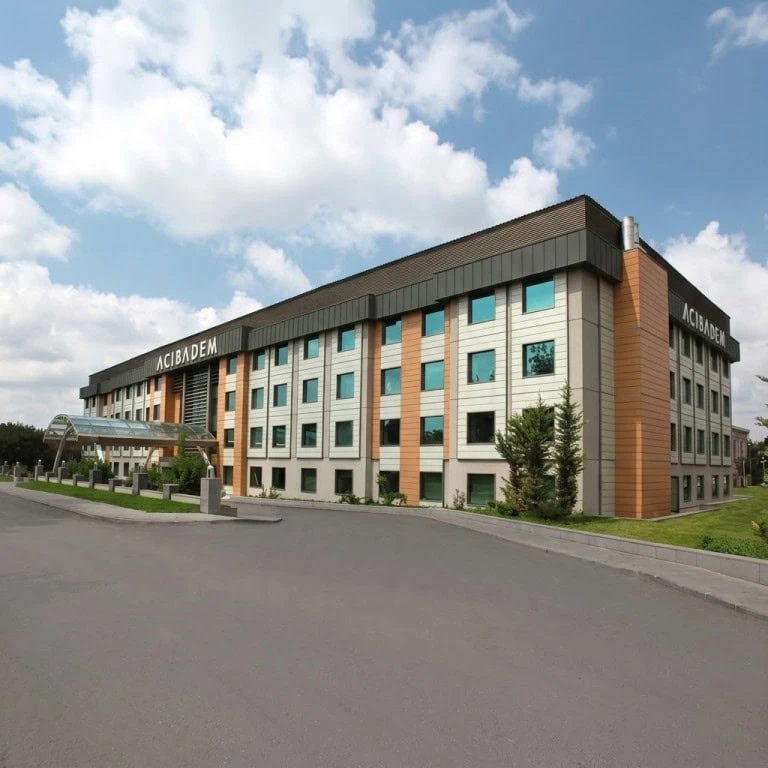
Inflammatory Bowel Disease Care at Acibadem
At Acibadem, care for Crohn’s disease and ulcerative colitis is organised around multidisciplinary assessment. Gastroenterologists, colorectal surgeons, radiologists, pathologists, dietitians, anaesthesiologists and other specialists collaborate when a case requires it, and complex cases may be discussed in specialist boards — particularly where surgery, advanced medical therapy, cancer surveillance or overlapping conditions are involved.
That structure matters because IBD decisions are rarely isolated. A gastroenterologist needs imaging input to judge whether symptoms are inflammatory or fibrotic. A surgeon needs pathology and endoscopy findings before recommending an operation. A dietitian can improve nutritional status before medication escalation or surgery. A radiologist may identify an abscess that must be drained before immune-suppressing therapy can safely be intensified. Each of these handoffs is a point where fragmented care loses information — and coordinated care does not.
Diagnostic pathways are built to answer the right questions rather than to run the most tests. Depending on the situation, evaluation may include high-resolution endoscopy with targeted biopsies, pathology analysis, cross-sectional imaging for small-bowel and pelvic disease, laboratory monitoring, stool inflammation markers and pre-treatment infection screening. Minimally invasive surgical techniques are used where they are appropriate, though the safest approach always depends on the individual anatomy and disease severity in front of the surgeon.
A second opinion, where sought, involves review of previous records and a clear recommendation on whether additional testing, medication adjustment, surgery or surveillance is appropriate, with benefits, risks and alternatives stated plainly.
Treatment planning stays personal because the disease demands it. A young adult with newly diagnosed ulcerative proctitis does not need the same plan as a patient with long-standing extensive colitis and dysplasia. A patient with mild Crohn’s inflammation differs from one with recurrent obstruction and prior bowel surgery. Someone who can continue infusion therapy without interruption has different options from someone who cannot access the same medication where they live. A sound plan reflects the evidence and the practical reality of the person’s life — both, not one or the other.
Living with Inflammatory Bowel Disease: A Realistic Outlook
Inflammatory bowel disease can feel unpredictable, but care does not have to be. With structured evaluation, an accurate diagnosis, objective monitoring and a plan matched to the individual, many people reduce their flares, protect their bowel from long-term damage and regain a stable daily routine. The right approach may involve medication, nutrition support, endoscopic monitoring, surgery, or a combination of these over time — and it will almost certainly change as the disease and the evidence evolve. What stays constant is the logic: measure the inflammation honestly, treat it proportionately, verify the result, and keep watching. That is what turns a chronic, relapsing condition into one you can plan a life around.
Preparation
- Patients usually need a gastroenterology evaluation, blood and stool tests, and imaging or colonoscopy results if available. Bring previous reports, medication lists, and allergy information. Your doctor may review vaccinations and infection screening before immune-modulating medicines.
Aftercare
- Follow the prescribed medication schedule and attend regular monitoring visits to track inflammation and side effects. Nutrition support, hydration, stress management, and prompt reporting of bleeding, fever, or severe abdominal pain are important. Long-term colonoscopy surveillance may be recommended for some patients.
Frequently Asked Questions
What affects the cost of inflammatory bowel disease treatment?
The final cost depends on disease type and severity, required tests, medication plan, infusion or injection needs, hospital admission, endoscopy, surgery, and the length of follow-up. A personalised estimate can only be prepared after a specialist reviews your medical records.
How can I get a personalised quote from Acibadem?
You can request a free consultation and share your diagnosis, recent colonoscopy and biopsy reports, imaging, laboratory results, current medicines, and symptom history. The international patient team can help coordinate review by the relevant specialist and provide an individual care plan and quote.
Are medicines included in an inflammatory bowel disease treatment quote?
This depends on the proposed package and the treatment route. Consultations and tests may be quoted separately from long-term medicines, biologic therapy, infusion services, or monitoring. The quote should clarify what is included and what may be billed separately.
Does Crohn’s disease cost the same to treat as ulcerative colitis?
Not necessarily. Costs can differ because Crohn’s disease and ulcerative colitis may require different investigations, medicines, monitoring, and surgical approaches. Disease location, complications, and previous treatment response are important cost factors.
Will I need surgery, and how would that affect the cost?
Many patients are managed with medicines and monitoring, but surgery may be needed for complications or disease that does not respond to treatment. If surgery is recommended, the cost may be affected by the operation type, hospital stay, anesthesia, pathology, stoma care if needed, and follow-up.
Is this information medical or financial advice?
No. This is general educational information. Treatment suitability and expected costs should be discussed with a gastroenterology specialist, and a personalised quote should be requested before making travel or care decisions.
Medically reviewed by the Acıbadem International Medical Board — August 31, 2026
See our medical review board →
Update history
- PublishedJune 8, 2026
- Medical review approvedAugust 31, 2026
- Last content updateSeptember 8, 2026