

Acibadem Hospital Safety: How We Protect International Patients
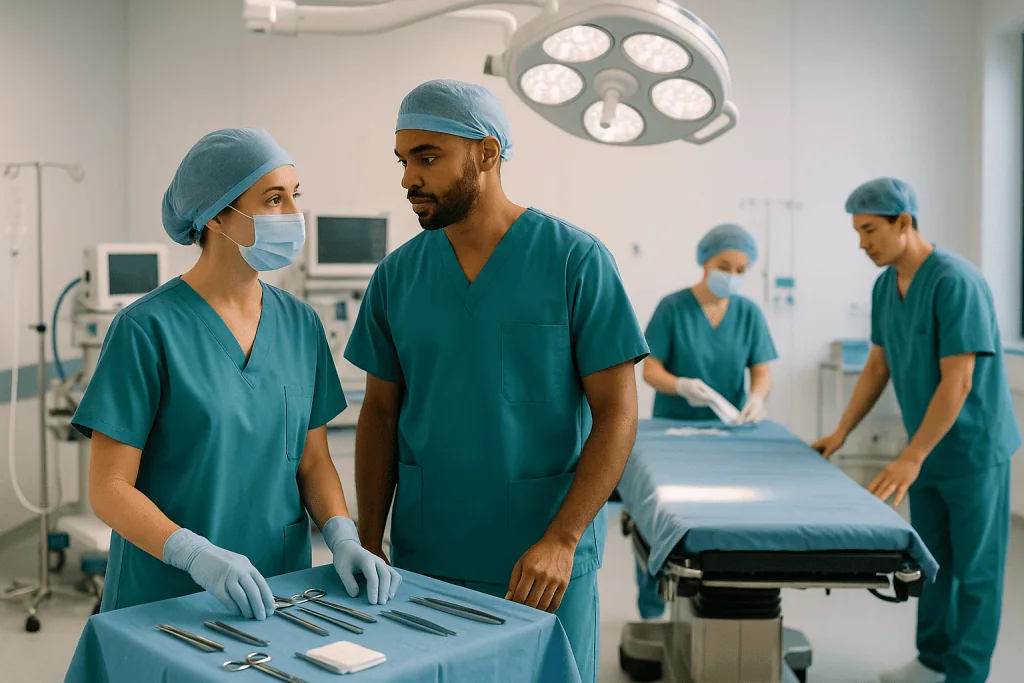
US hospital rating lists and safety grades cover United States hospitals only, so they cannot tell you how a hospital in Turkey performs. What you can do is borrow their logic. Acibadem protects international patients through pre-arrival record review, repeated identity checks, interpreter support, infection prevention routines, medication reconciliation and structured discharge planning, and this guide explains how to judge each layer yourself.
Booking treatment in another country raises a question most people ask quietly: will I actually be safe there? It is a fair thing to wonder, and it deserves a fuller answer than a reassuring slogan. Safety when you travel for healthcare is about more than the procedure itself: it is about accurate information before you fly, clear communication in the hospital, everyday routines that prevent avoidable harm, and a discharge plan that works once you are home. This guide explains how Acibadem International supports each of those stages, and it also addresses something many readers arrive with: what US hospital rating systems do and do not tell you about care outside the United States.
At a glance
- Best for: International patients who want a realistic view of hospital safety abroad, including what US rating systems can and cannot tell them
- Covers: Rating systems in context, pre-arrival planning, identity checks, infection prevention, medication safety, communication and discharge
- Care setting: Acibadem hospitals with coordinated multidisciplinary teams and international patient services
- Support available: International patient coordinators, interpreters, and practical travel guidance
- What to prepare: Medical records, a complete medication and allergy list, passport, insurance details, and your own questions
US hospital ratings and safety grades: what they mean if you are treated abroad
If you looked at US hospital rating lists before landing on this page, you are in good company. Rating lists are a natural starting point when you are comparing hospitals, and the annual ‘best hospitals’ announcements attract a great deal of attention and patient safety news coverage. It is worth being precise about what these systems actually measure.
The best-known US hospital lists are built from United States public inpatient claims data, and the US safety-grade programmes assign letter grades to American general hospitals based on surveys and publicly reported process and outcome measures. These are serious efforts with published methodologies, and they are useful, for the hospitals they cover. None of them rates hospitals in Turkey, or anywhere outside the United States.
That means a hospital in Istanbul will not appear in those tables or safety grades, not because of anything about its quality, but because it sits entirely outside the dataset. Its absence is neither a warning sign nor an endorsement. It is simply out of scope. Any medical travel website that implies a foreign hospital ‘ranks’ on these systems is misusing them.
The honest and useful move is to take the questions that sit behind those rating systems, how does this hospital prevent infections, manage medications, verify patient identity, staff its wards, plan discharge, and ask them directly of any hospital you are considering. The rest of this guide walks through how those safeguards work in practice at Acibadem, and how you can check them for yourself. International accreditation programmes also publish public directories of accredited hospitals, so you can verify any hospital’s current status at the source rather than relying on marketing claims.
What hospital safety means when you are travelling for care
If you are coming to Turkey for treatment, hospital safety includes much more than the operation or appointment itself. It starts with accurate medical information before you travel, continues with identity checks and clear communication during your stay, and extends to infection prevention, medication safety, discharge planning and follow-up after you leave. Each stage carries its own risks, and each has its own safeguards.
For international patients, practical details matter because unfamiliar systems add stress. You may be navigating language differences, travel timing, accommodation, airport transfers and questions from family at home. A safe experience is one where these logistics are handled in a structured way, so you always know what is happening, who is responsible for what, and what comes next.
At Acibadem, this approach is supported by multidisciplinary specialist teams and international patient services designed for people arriving from abroad. That does not remove every uncertainty, no hospital anywhere can honestly claim that, but it creates a more organised, transparent environment where your care plan and your travel plan are managed together rather than colliding.
Before you arrive: the safety steps that begin at home
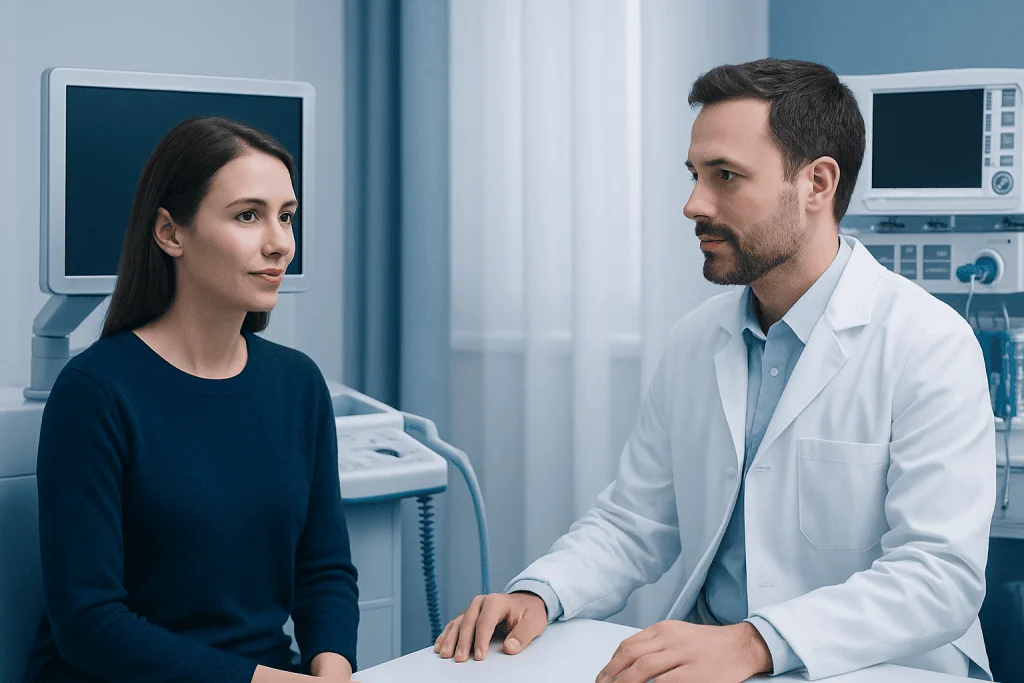
A safer hospital journey usually begins before you book your flight. You are in a much better position if you share your records early: previous test results, imaging, medication lists, allergies, and any chronic conditions. Early review lets the care team understand your situation in advance, spot gaps that need filling, and reduce avoidable delays after you land. Our pre-travel health checklist for international patients sets out exactly what to gather and in what form.
Confirm the practical details ahead of time too. Ask which documents to bring, whether any pre-admission instructions such as fasting apply to you, how long you should plan to stay in Turkey, and whether a companion would help. Decisions about your regular medicines before tests or treatment belong to your treating doctor, raise the question early rather than assuming, and never adjust anything on your own initiative. If you have mobility, dietary or accessibility needs, mentioning them in advance gives the hospital time to prepare properly.
Acibadem International patient coordinators help organise this pre-arrival stage, including communication with the hospital, interpreter planning and general travel guidance. This coordination is more than convenience: when your medical plan and your travel plan are aligned rather than handled separately, less can fall through the gaps.
- Send records in advance where possible, in digital and printed form.
- Prepare a complete medication and allergy list, including supplements and herbal products.
- Check passport validity and leave realistic time margins around your treatment dates.
- Ask your treating team about fasting or other pre-admission instructions.
At the hospital: identity checks, communication, and coordinated care

Once you arrive, some of the most important safety measures look almost boringly routine. Staff will confirm your name, date of birth, planned treatment, allergies and records, repeatedly, and often by different people. This is not disorganisation. Repeated verification is a standard patient safety practice worldwide, designed to make sure the right patient receives the right care at the right time. The correct response is to answer carefully every time, even the fifth time.
Communication is the second pillar. If you are not fully comfortable discussing your health in Turkish or English, an interpreter helps you understand instructions, consent discussions, timing and discharge advice. Ask for clarification whenever anything is unclear, particularly around medicines, test preparation, mobility limits and what to expect afterwards. If your treatment involves surgery, our guide to surgical safety checklist questions patients can ask gives you a concrete script to work from.
Coordination matters in a large hospital. Acibadem works with multidisciplinary teams, which is especially relevant if your treatment crosses more than one specialty, or involves imaging, laboratory work or anaesthesia assessment. A coordinated system reduces the chance that important information falls between departments and gives you a clearer, more predictable path through your stay. If scans are part of your plan, radiology and imaging safety for international patients explains the checks that happen around contrast, screening questions and equipment.
Day to day: infection prevention and medication safety
Most patients think first about the procedure, but everyday hospital processes carry just as much weight in preventing harm. Infection prevention includes hand hygiene protocols, cleaning standards, sterile technique, and guidance on visitors, masks or room procedures where needed. These are precisely the process measures that hospital safety-grading systems examine, which is why they make good questions anywhere in the world. You also have a role: our guide on how international patients can help prevent infections and errors covers the habits that genuinely help, starting with feeling free to ask any staff member whether they have cleaned their hands.
Medication safety is the other daily safeguard. Expect to be asked several times about your regular medicines, supplements, allergies and past reactions. This matters most if you take blood thinners, diabetes medicines, heart medications or herbal products, because these can interact with testing, anaesthesia, recovery or new prescriptions. The repetition is deliberate: reconciling your medication list at every transition, admission, transfer, discharge, is one of the most effective error-prevention tools a hospital has.
You can support this actively. Keep an up-to-date list with doses. Mention every non-prescription product you use, however minor it seems. And if a pill or injection looks unfamiliar, or does not match what you were told, ask before taking it. Good hospitals welcome that question; it is a feature of a safety culture, not a challenge to it.
Safety beyond the ward: companions, accommodation, and getting around
For international patients, safety does not stop at the hospital entrance. You may need help with transport, nearby accommodation, appointment timing and daily practicalities while recovering in an unfamiliar city. A well-planned stay reduces unnecessary strain, especially when you are tired after tests or treatment.
If you travel with a family member or friend, decide in advance who keeps the documents, medication list and discharge papers organised. A companion can note instructions during consultations, watch how you are managing, and handle logistics if plans shift. If you travel alone, make sure the hospital holds a current emergency contact for you and that you understand how support works outside normal hours before you need it.
Acibadem International assists with interpreter coordination and practical travel and accommodation support. This is a safety measure as much as a comfort: arriving on time, understanding instructions, and not solving transport problems at the last minute all leave more of your attention for recovery. If your stay involves an inpatient admission, it is worth reading about choosing private room upgrades in Turkey so accommodation decisions are made calmly rather than at the admission desk.
Going home safely: discharge, follow-up, and continuity
Discharge is one of the most important moments in the whole journey, because responsibility begins shifting back to you and your local support network. Before leaving, make sure you understand your medicines, any wound or activity instructions, dietary advice where relevant, and when you are considered fit to travel. Your clinical team will brief you on the warning signs that apply to your specific treatment: that briefing is personal to your case, and it is the version to rely on rather than anything general you read online. If any part of it is unclear, ask for it to be explained again in plain terms before you leave the building.
Know how follow-up will work once you return home. Ask whether your reports will be provided in English, how to share test results after discharge, and how non-urgent questions are handled from abroad. International follow-up runs far more smoothly when you keep digital copies of your records, prescriptions, imaging and discharge summary together in one place, ideally the same folder you built before travelling.
Plan the journey home realistically. Fitness to fly depends on your treatment and your recovery, and it is a clinical judgement, not a booking decision. Building slack into your return date costs less stress than compressing recovery to meet a flight.
Step by step
- Share your medical information early. Send recent reports, scans, medication details, allergies and relevant history before you travel where possible. Early review lets the team plan properly and reduces surprises after arrival.
- Confirm your travel and appointment plan. Make sure consultations, tests, admission timing and expected length of stay fit your travel schedule, with margin for additional assessments or a slower recovery than expected.
- Arrange interpreter and coordinator support in advance. If language could affect your understanding of consent, medicines or instructions, set this up before you arrive rather than improvising on the day.
- Build a complete safety folder. Passport, insurance information, medication list, allergies, emergency contact and previous reports, together, in printed and digital form. It simplifies admission, review and discharge alike.
- Engage with every check. When staff confirm your identity, allergies or treatment plan, answer carefully each time, and speak up if anything differs from what you expected. Our checklist of questions to ask before surgery in Turkey helps you prepare these conversations.
- Review discharge before leaving. Do not leave until you understand your medicines, restrictions, follow-up plan and the warning signs your team has explained for your case, and until you know how questions are handled while you are still in Turkey.
- Plan the return realistically. Confirm fitness to travel with your treating team and arrange airport or in-flight assistance if you need it. A well-timed return is part of recovery, not an optional extra.
Your checklist
- Passport and travel documents
- Complete medication list with doses
- Allergy information and past reactions
- Recent medical reports, scans, and test results
- Insurance or payment documents if applicable
- Emergency contact details
- Comfortable clothing and any personal essentials
- A notebook or phone to record instructions
- Questions you want answered before discharge
Key takeaways
- US hospital rating lists and safety grades cover US hospitals only; a Turkish hospital’s absence from them means nothing about its quality either way.
- The questions behind those rating systems, infections, medication, identification, coordination, are worth asking any hospital directly.
- Repeated identity and medication checks are normal and deliberate; engage with them every time.
- Interpreter and international patient support make care safer as well as easier, especially around consent and discharge.
- Safe discharge means understanding your medicines, your personal warning signs, your follow-up plan and your fitness to travel.
Frequently asked questions
Are hospital rating websites trustworthy?
The established US rating sites publish their methodologies and build their hospital ratings largely from public inpatient claims data, which makes them a reasonable reference point for comparing American hospitals. Their main limits are scope, they cover US hospitals only, and the fact that claims data cannot capture everything about care quality. For hospitals outside the United States, including in Turkey, they simply have no data, so they can neither endorse nor criticise them.
Who pays for hospital rating websites?
Consumers can usually search doctor and hospital listings without paying; the companies behind them earn revenue from healthcare organisations rather than from patients. Knowing the business model is healthy scepticism: it does not invalidate the ratings, but it is a reminder to read any rating site’s methodology page, not just its headlines.
What do patient safety ratings mean to consumers and hospitals?
For consumers, ratings are a starting shortlist, not a verdict: they compress complex care into a grade and can only reflect what the underlying data captures. For hospitals, they create public accountability and pressure to improve measured processes such as hand hygiene, medication systems and infection control. The wisest use of any rating is to borrow its categories as questions and ask them of the hospital you are actually considering.
What is a safety net hospital?
A safety net hospital is a United States term for hospitals whose mission or legal mandate is to treat patients regardless of insurance status or ability to pay, typically serving large uninsured and Medicaid populations. It describes a funding and mission profile, not a quality level, and it has no direct equivalent in the Turkish system. It is unrelated to safety ratings despite the similar wording.
When are hospitals required to use interim life safety measures?
Interim life safety measures are a US regulatory concept. Hospitals put them in place when construction, renovation or an identified deficiency temporarily compromises building fire-safety features, blocked exit routes or disabled alarm zones, for example, with accrediting bodies requiring a documented policy and compensating steps until the issue is resolved. It is a facilities term rather than a clinical one; as a patient you would rarely encounter it directly.
How can I help ensure my own safety in hospital?
Bring a full medication and allergy list, share your records early, keep documents organised, and ask questions whenever anything is unclear. Answer every identity check carefully, mention supplements and past reactions honestly, feel free to ask staff about hand hygiene, and do not take a medicine that looks different from what you were told without asking first. Patient participation is a recognised part of safe care, not an imposition on staff.
Which is the world’s No. 1 hospital?
There is no single answer, because there is no single methodology. Different rankings weigh reputation surveys, outcome data, research output and patient experience differently, and most cover only one country or region. A hospital can top one list and be absent from another purely because of scope. Focus instead on whether a hospital’s processes, communication and follow-up fit your specific treatment and circumstances.
Why are my name and details checked so many times?
Repeated checks are a standard patient safety measure used in well-run hospitals worldwide. They confirm that the correct person receives the correct test, medicine or treatment, and they catch mismatches before they matter. Treat each check as a fresh opportunity to flag anything that sounds different from what you were expecting.
Add us as a Preferred Source to see more of our trusted health content across Google Search, AI Overviews and Discover.

Update history
- PublishedJune 22, 2026
- Medical review approvedSeptember 13, 2026
- Last content updateSeptember 12, 2026
References3
More Patient Guides

Medical Chaperones in Turkey: When Patients Can Request One
Medical chaperones in Turkey can be requested for sensitive exams or when you want added reassurance during care in Istanbul.

Medical Interpreter or Family Member: Who Should Help During Appointments in Turkey?
Medical interpreter or family member in Turkey? Use a trained interpreter for clinical communication and keep family involved for support and notes.
How to Plan for Prayer, Modesty, and Cultural Needs During Care in Turkey
Prayer, modesty, and cultural care needs in Turkey can be planned in advance by sharing your preferences with your care team and…

Interpreter Support in Turkish Hospitals: When to Request Help
Interpreter support in Turkish hospitals helps you understand appointments, consent and discharge clearly in Turkey or Istanbul.