

Hospital Safety in Turkey: How International Patients Can Help Prevent Infections and Errors

You support hospital safety in Turkey by arriving with a complete medication and allergy list, practising strict hand hygiene, confirming your identity before medicines and tests, using an interpreter for important conversations, and asking for written discharge instructions. Hospitals build safety systems around you, but the safest care is a partnership: when something seems unclear, different, or delayed, speak up early.
Worried about picking up an infection, or about a mix-up with your medicines in a hospital where you don’t speak the language? That concern is reasonable, and there is a great deal you can do about it. Hospital safety in Turkey is not only about a hospital’s own standards; it also depends on the practical steps you take as a patient. With good preparation, clear communication, and steady attention to hygiene, medications, and follow-up, you can help reduce the risk of infections and avoid preventable errors. This guide explains how.
At a glance
- Best time to prepare: Ideally two to four weeks before travel, so records and questions are ready
- Main safety focus: Hand hygiene, medication accuracy, identity checks, and clear communication
- Who supports you onsite: Your doctor, ward nurses, an interpreter, and an international patient coordinator
- Documents to bring: Passport, medical reports, medication and allergy list, and insurance details
- The habit that matters most: Speak up whenever something seems unclear, different, or delayed
Why your role matters in hospital safety in Turkey
When you plan treatment abroad, it is natural to focus on flights, appointments, and recovery. Understanding your own role in safe care deserves the same attention. Around the world, many hospital-acquired infections and avoidable errors are reduced by simple, repeatable habits: clean hands, an accurate medication list, identity checks before every intervention, and the willingness to ask a question when something does not look right. None of these habits requires medical training. All of them work better when the patient takes part.
Hospital safety in Turkey follows the same logic as hospital safety anywhere: systems catch most problems, and attentive patients help catch the rest. What changes when you travel is the context. You may be tired from a long flight, fasting before a procedure, or navigating routines that differ from those at home. Language is the most obvious barrier, but time zones, unfamiliar medication brand names, and the absence of your usual support network all play a part. Knowing what to expect helps you stay calm and involved rather than overwhelmed.
If you receive care at a large hospital group such as Acibadem, you will usually have support from international patient services, interpreters, and coordinated clinical teams. That support makes logistics easier, but it does not replace your own vigilance. Keep your own records, confirm key details yourself, and tell staff promptly about symptoms, allergies, or concerns. Safe care is a partnership, and this guide describes your half of it.
Before you travel: prepare the information that keeps you safe
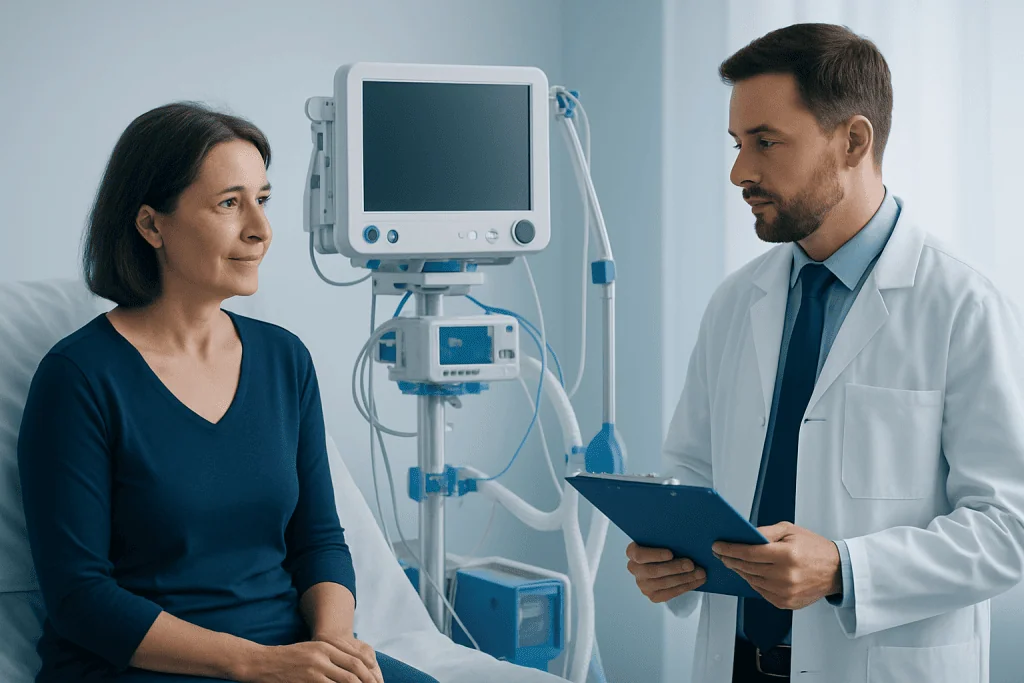
One of the most effective ways to prevent errors is to arrive with complete, organised medical information. Prepare a written list of your diagnoses, previous operations, current medications, vitamins, supplements, allergies, and any reactions you have had to medicines, latex, foods, or anaesthesia. Include the dose and timing of each medicine, and use the generic drug name where you can, because brand names often differ between countries. This one document does more to prevent medication errors than almost anything else you can carry.
Alongside it, bring recent test results, imaging reports, discharge summaries, and a short health timeline in English if available. Keep printed copies and digital copies on your phone or in your email. If a family member is travelling with you, make sure they can access the same documents in case you are tired, sedated, or unable to speak for yourself. A companion who knows your history is a genuine safety asset, not just moral support.
Before departure, clarify the practical details of your admission: your hospital schedule, expected length of stay, fasting instructions, and whether any pre-admission tests are needed before treatment can begin. If your medicines may need adjusting around a procedure, that decision belongs to your treating doctor, raise the question early rather than deciding anything yourself. If you are having an operation, it is worth working through a structured list of questions to ask before surgery in Turkey, so the conversation covers risks, checks, and recovery in an organised way.
- Prepare a single medication and allergy list, with doses and generic names
- Bring your passport, insurance documents, and prior medical reports
- Save your hospital and coordinator contact details in your phone
- Pack hand sanitiser, tissues, and a pen and notebook for questions and answers
Preventing infections during your hospital stay

Hand hygiene is the simplest and most powerful infection-prevention step available to any patient, in any country. Clean your hands after using the bathroom, before eating, after touching shared surfaces such as door handles and lift buttons, and after coughing or sneezing. Soap and water work well; alcohol hand rub is a good alternative when your hands are not visibly dirty. Keep a small bottle within reach of your bed so the habit costs you nothing.
It is also appropriate to notice whether others clean their hands. If a nurse, doctor, visitor, or family member is about to touch you, your intravenous line, your dressing, or your wound, you can politely ask whether they have cleaned their hands. This may feel awkward at first, particularly in a country where you are a guest, but hospitals that take safety seriously understand the question and support it. It is a normal part of modern patient-safety culture, not a criticism.
Follow the team’s instructions about wound care, showering, masks, isolation precautions, and the care of any catheter or IV line. Do not touch dressings, drains, or tubes unless a staff member has shown you exactly what to do and watched you do it. Report changes promptly to the staff caring for you, fever, new redness, new pain, fluid leakage, diarrhoea, cough, or an unusual smell from a wound or device site are the kinds of changes ward teams want to hear about early rather than late.
Visitors can help or add risk, depending on how careful they are. Ask relatives who feel unwell not to visit, limit unnecessary contact with medical equipment, and make sure anyone accompanying you practises the same hand hygiene you do. Finally, remember that infection is not the only ward-level risk: an unfamiliar room, sedation, and IV poles all increase the chance of a stumble, so it is worth reading a dedicated hospital fall prevention checklist before you are admitted.
How to help prevent medication mistakes and treatment mix-ups
Medication errors can happen in any health system, and the risk rises when a patient takes several medicines or when brand names differ between countries, both common situations for international patients. Keep your medication list with you at all times. Show it at admission, show it on the ward, and show it again before discharge. If a tablet or injection looks unfamiliar, ask what it is for, when you should take it, and whether it replaces something you normally use at home. A good answer takes thirty seconds; an unasked question can take much longer to fix.
Identity checks are the other basic safeguard. Expect staff to confirm your full name, date of birth, and sometimes your patient number before giving medication, taking blood, moving you for tests, or starting any treatment. This repetition is deliberate: it is how modern hospitals prevent mix-ups between patients with similar names or schedules. If a check does not happen, say so. Nobody in a well-run hospital is offended by a patient who volunteers their own identity details.
You can also help prevent procedural errors by confirming, in plain language, what test or treatment is planned, on which part of the body, and when. Before an operation, ask how the surgical site will be marked and how the team verifies the procedure: the guide to surgical safety checklist questions patients can ask covers this in detail. If you feel too anxious to follow the conversation, or your English is limited, ask for an interpreter rather than guessing. Hospital safety in Turkey depends on shared understanding, and interpreters exist precisely so that consent, allergies, and instructions are never left to assumption.
- Know the name and purpose of each new medicine before you take it
- Repeat your allergies and past reactions at every stage, even if you have said them before
- Ask before taking any medicine from your own suitcase while admitted
- Expect, and welcome, identity checks before medicines, blood draws, and procedures
Communicating clearly when you are tired, in pain, or far from home
Travel, pain, fasting, anaesthesia, and stress all make it harder to absorb information and ask good questions. Plan for this. Choose one trusted companion to follow your case with you: someone who keeps notes, remembers your usual medicines, and listens during important discussions about consent, recovery, and discharge. Two sets of ears reliably catch more than one.
If you do not understand something, ask for it to be repeated more slowly or explained in simpler words. The points worth pinning down are always the same: why a test is needed, what happens next, which symptoms are expected as part of normal recovery, and which are not. Asking these questions is not a challenge to the team: it is how you make sure everyone is working from the same information. This matters especially for pain: describing your pain accurately, using whatever scale the nurses give you, is how the team adjusts your relief, and the guide to pain control after surgery in Turkey explains what that conversation usually looks like.
Interpreters are most valuable exactly where the stakes are highest: allergies, consent, side effects, and aftercare instructions. Even if some staff speak English well, a professional interpreter for the complex conversations prevents the small misunderstandings that cause large problems. International patient departments at hospital groups such as Acibadem routinely arrange interpretation and coordinate updates for family members abroad, so ask for this support early in your stay rather than at the end.
Discharge, hotel recovery, and the journey home
Safety does not end at the hospital exit. Before discharge, make sure you understand your medication schedule, wound care plan, activity limits, diet advice, follow-up appointments, and the warning signs your team wants reviewed. Ask for written instructions in English and keep copies on your phone, so you can show them to any doctor who treats you later. Your discharge paperwork should state clearly who is responsible for your follow-up and how it will happen; do not leave until that part makes sense to you.
If you are recovering in a hotel or apartment before flying home, carry the same habits with you. Keep up hand hygiene, keep the room clean, and do not share towels, dressings, or personal care items. Store medicines correctly and set phone alarms if doses must be taken at fixed times. If you have a dressing, drain, or injections to manage yourself, ask a nurse to demonstrate before you leave the hospital, then repeat the steps back while they watch. Teach-back is a simple technique that catches misunderstandings before they become mistakes. It also helps to know in advance how after-hours medical help works in Turkey, so the practicalities are familiar before you ever need them.
Before flying home, confirm with your treating doctor that you are medically cleared to travel, and ask whether you need compression stockings, mobility assistance, fit-to-fly documentation, or planned movement and hydration during the flight. Long journeys soon after surgery raise particular questions about circulation, and the guide to preventing blood clots during medical travel sets out what to discuss. A structured follow-up plan, who reviews you, when, and how, is one of the best tools for catching problems early once you are home.
Step by step
- Organise your medical file before departure. Prepare a single folder with your passport, reports, medication list, allergies, prior surgeries, and insurance details. Having everything in one place reduces delays at admission and lowers the chance of important information going missing at exactly the wrong moment.
- Confirm your treatment plan and logistics in writing. Ask for your appointment times, fasting rules, expected length of stay, and any medicine instructions from your treating doctor before you travel. Written details protect you from last-minute confusion, especially after a long flight and airport transfer.
- Practise strict hand hygiene from day one. Clean your hands often and keep alcohol hand rub within reach when moving between your room, imaging areas, and shared spaces. Politely expect the same from visitors and from anyone touching you or your equipment.
- Check your identity and medications every time. Before blood tests, scans, medicines, or procedures, confirm your full name, date of birth, and what is planned. If a tablet, injection, or timing seems different from what you were told, ask before accepting it.
- Use interpreter and coordinator support early. Do not wait until discharge to ask for language help. Clear communication matters most for consent, allergies, pain control, and aftercare instructions: the conversations where a misunderstanding costs the most.
- Learn your expected recovery pattern before leaving the ward. Ask your team exactly which symptoms are a normal part of recovery and which they want reviewed, and get this in writing. Knowing the difference in advance means you never have to guess later.
- Plan a safe recovery after discharge. Whether you stay in hospital longer, recover in a hotel, or fly home soon, follow the written instructions carefully, keep medicines organised, and make sure your follow-up appointments or calls are already scheduled before you leave.
Your checklist
- Bring a current medication list with doses, timing, and generic names
- Carry a clear list of allergies and past reactions
- Pack printed and digital copies of key medical records
- Save your hospital, coordinator, and insurance contact details
- Ask for an interpreter for consent, medication, and discharge conversations
- Clean your hands regularly and expect the same from visitors
- Confirm your identity before medicines, tests, and procedures
- Ask a nurse to demonstrate any self-care tasks, then repeat them back
- Get written discharge instructions and a named follow-up plan before leaving
Key takeaways
- Hospital safety in Turkey improves when you actively participate in your own care.
- For most international patients, the biggest preventable risks are infections, medication errors, and communication gaps.
- A complete medical file, an accurate allergy list, and routine identity checks prevent avoidable mistakes.
- Hand hygiene, careful wound and device care, and prompt reporting of changes to your ward team reduce infection risk.
- Written discharge instructions and a clearly owned follow-up plan carry safety beyond the hospital door.
Frequently asked questions
Is it acceptable to ask staff if they cleaned their hands?
Yes. This is a normal and encouraged patient-safety question in any modern hospital. You can ask politely before someone examines you, changes a dressing, or handles your IV line or wound. Staff in safety-conscious hospitals expect the question and take no offence.
What is the best way to avoid medication mistakes when I travel for treatment?
Bring an up-to-date list of every medicine, supplement, and allergy, with doses and generic names, and show it repeatedly during your stay. Each time you receive a new medicine, ask what it is, why you need it, and whether it replaces something you normally take. Never adjust your own medicines while admitted; that decision belongs to your treating doctor.
What should I do if I do not fully understand the doctor or nurse?
Ask for the point to be repeated more slowly or explained in simpler words, and request an interpreter for important discussions. It is always safer to pause and confirm than to guess, especially for consent, medicines, wound care, and discharge instructions.
Can a family member help improve my safety in hospital?
Yes, considerably. A trusted companion can keep notes, remind staff about your allergies and usual medications, listen during key conversations, and support you when you are tired, anxious, or recovering from sedation. Choose one person to follow your case consistently rather than sharing the role.
What changes should I report to my ward team during my stay?
Ward teams ask patients to report changes early rather than late: fever, chills, increasing redness or swelling, leakage or an unusual smell from a wound, worsening pain, diarrhoea, cough, or suddenly feeling unwell. Small changes are easiest to assess when they are mentioned promptly to the staff caring for you.
How can I stay safe after discharge if I am recovering in a hotel?
Follow your written instructions closely, keep your hands and any wound area clean, avoid sharing towels or personal items, and take medicines exactly as prescribed. Before leaving hospital, make sure your discharge paperwork states who is responsible for your follow-up and how it will happen, so nothing is left to memory.
Do international patient services help with safety, or only logistics?
Both. Alongside transfers and scheduling, international patient teams typically support communication, interpreter access, documentation, and follow-up coordination. Each of these reduces misunderstandings, and misunderstandings are where many preventable problems for travelling patients begin.
Do identity checks really need to happen every single time?
Yes. Repeating your name and date of birth before every medicine, blood draw, and procedure is how hospitals prevent mix-ups between patients with similar names or overlapping schedules. If a check is skipped, volunteering your details yourself is entirely appropriate.
Add us as a Preferred Source to see more of our trusted health content across Google Search, AI Overviews and Discover.

Update history
- PublishedJuly 6, 2026
- Medical review approvedSeptember 13, 2026
- Last content updateSeptember 12, 2026
References2
- Patient safety: World Health Organization fact sheet who.int
- Patient Safety: MedlinePlus medlineplus.gov
More Patient Guides

When to Delay Travel for Treatment in Turkey Because of Cold, Flu, or Fever
Delay travel for treatment in Turkey if you have fever, worsening flu symptoms, or breathing difficulty; contact your care team before flying.

Traveling to Turkey for Treatment While Pregnant: Safety Questions to Ask First
Traveling to Turkey while pregnant can be safe with medical clearance, airline checks and a tailored care plan. Ask these key safety…

When to Seek Urgent Help After Leaving the Hospital in Turkey
When to seek urgent help after leaving the hospital in Turkey: act fast for breathing trouble, chest pain, heavy bleeding, high fever,…
At Acibadem, How We Handle Consent, Privacy, and Patient Decision-Making
Consent, privacy, and patient decision-making at Acibadem in Turkey are handled with clear information, confidentiality, interpreters, and respect for your choices.