

Preventing Blood Clots During Recovery in Turkey
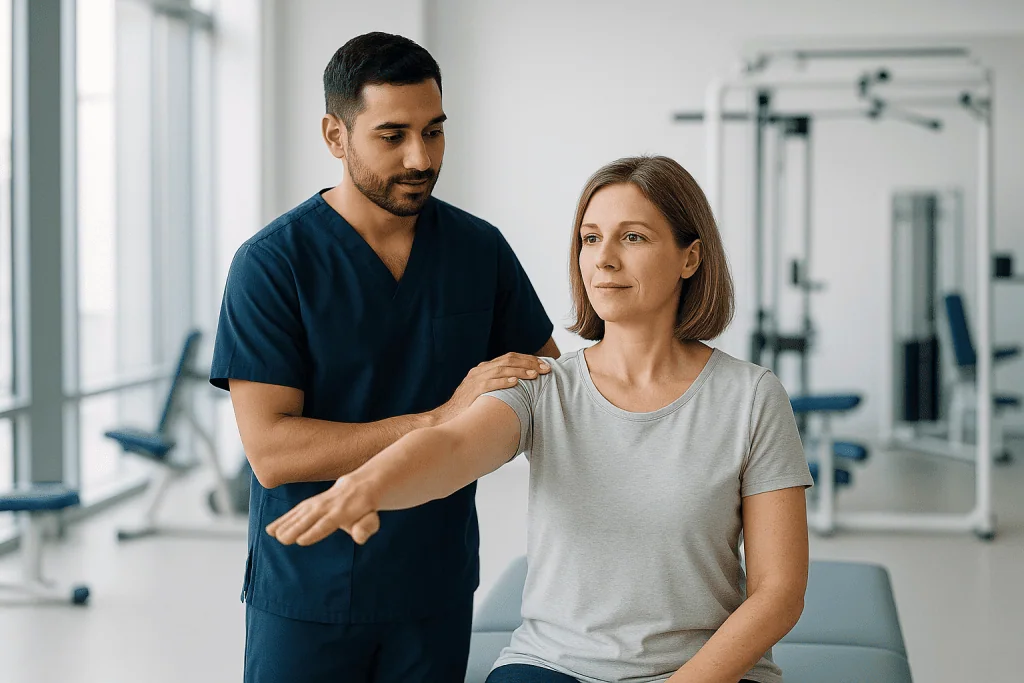
Preventing blood clots during recovery in Turkey comes down to a daily routine: short, frequent walks approved by your care team, steady hydration, taking prescribed medicines exactly as instructed, and wearing compression items if your doctor recommends them. Get medical clearance before any flight, plan movement into the journey, and treat sudden breathlessness, chest pain, or new one-sided leg swelling as an emergency.
Is it safe to sit through a long flight home? How much walking should you actually do in your hotel room? These are two of the most common questions patients ask after treatment. Preventing blood clots during recovery in Turkey is not complicated, but it does require a plan you understand and follow every day.
This guide explains why clot risk rises after surgery or reduced mobility, what your daily prevention routine should include, how to prepare for flights and long journeys, and which warning signs need urgent attention. It cannot replace your discharge instructions: your care team knows your history and your procedure. It can help you ask better questions before you leave the hospital.
At a glance
- Main risk period: Usually highest in the first days to weeks after surgery or a period of reduced movement: your doctor will tell you how long your precautions should continue
- Most helpful habits: Short frequent walks, seated ankle exercises, steady hydration, and taking any prescribed anticoagulant or compression exactly as instructed
- Travel planning: Do not book or change flights until your treating doctor confirms travel is appropriate; plan movement into the journey
- Urgent symptoms: Sudden shortness of breath, chest pain, coughing blood, fainting, or new one-sided leg swelling need immediate medical attention
- Support in Turkey: Acibadem international patient teams can help with interpreters, follow-up appointments, and practical recovery logistics, but emergencies always go straight to emergency care
Why Preventing Blood Clots During Recovery in Turkey Matters
After surgery, illness, or several days of reduced movement, blood flow in your legs slows down. Slower circulation gives blood more opportunity to form a clot inside a deep vein, most often in the calf or thigh. Doctors call this deep vein thrombosis, or DVT. In rare but serious cases, part of a clot breaks away and travels to the lungs, a pulmonary embolism, which is a medical emergency.
Prevention is not one big action. It is a set of small, consistent habits: getting up safely, drinking enough fluids, taking prescribed medicines correctly, and using compression stockings or devices if your doctor recommends them. Your personal risk depends on your procedure, medical history, age, weight, mobility, current medications, smoking status, and your travel plans. Two patients who had the same operation on the same day can leave with different prevention plans, and both plans can be right.
For international patients, preventing blood clots during recovery in Turkey has one extra layer: you will probably combine early recovery with a long flight home. That is exactly the period when planning matters most, which is why this guide covers hotel routines and travel days together rather than treating them as separate problems. At Acibadem, discharge planning typically involves your physician, nurses, physiotherapists, and the international patient services team, so the medical instructions and the practical logistics, hotel, transfers, flight timing, line up.
Know Your Personal Risk Before You Leave the Hospital
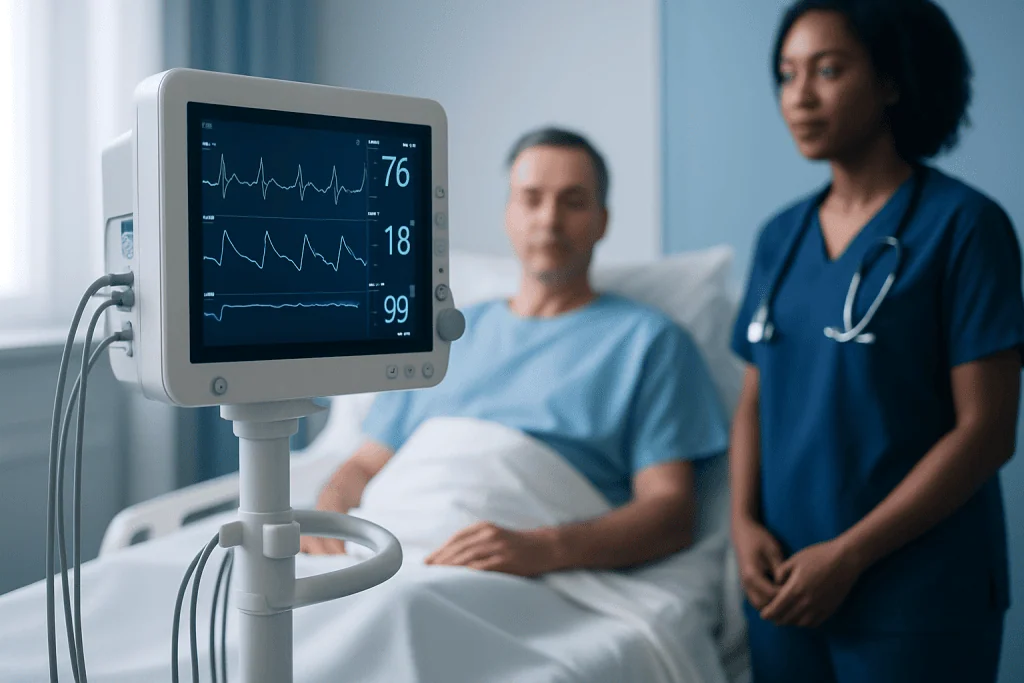
Before discharge, ask your doctor or nurse to explain your individual clot risk in plain language. Some people need only early walking and hydration. Others are prescribed a blood-thinning medicine, compression stockings, or a defined movement plan for a set number of weeks. Do not compare your instructions with another patient’s, even if you had a similar procedure, medical history changes the picture more than most people expect.
If English is not your preferred language, review the plan with an interpreter before you leave the ward. Make sure you can answer these questions without guessing:
- What is the name and dose of each medicine, and exactly when do I take it?
- Should any medicine be taken with food, and what do I do if a dose is missed?
- Are my usual medicines and supplements from home safe to continue alongside the new ones?
- When should I walk, how far, and are stairs allowed?
- When can I shower, and when can I fly?
- Which symptoms mean “call the team” and which mean “emergency department, now”?
Write the answers down. Discharge conversations happen when you are tired and possibly still under the effect of pain relief, and details fade fast. Many patients find it useful to keep a daily recovery log from day one: it gives you a record of what you did, what you took, and how you felt, which is genuinely useful at follow-up appointments.
Movement: The Safest Way to Keep Circulation Active

Gentle, regular movement is the foundation of clot prevention, but it has to match your procedure and your doctor’s restrictions. For most patients this means short, frequent walks rather than one long, tiring outing. In the first days, walking to the bathroom, around your room, or along a hotel corridor may be enough, and enough is the goal, not a personal best.
How often should you walk? There is no universal schedule, and your care team’s instruction overrides anything you read online. As a general pattern, many teams ask patients to get up and move briefly at regular intervals while awake rather than saving activity for one session. Ask your doctor or physiotherapist for a specific rhythm, for example, how many minutes, how many times a day, and when to increase it. If physiotherapy sessions are part of your early recovery, the physiotherapist can turn a vague instruction like “keep moving” into an exact daily plan.
Do ankle exercises and toe wiggling help? Partly. Wiggling your toes on its own moves very little blood. What helps more is working the calf muscle, because it acts as a pump for the deep leg veins: ankle pumps (pointing your foot up and down), foot circles, and gentle calf squeezes while seated or lying down all activate it. These exercises are useful during rest periods and on flights, but they support walking: they do not replace it, and they do not replace prescribed medication or compression.
A practical rhythm for hotel days: move a little, rest, drink some water, then move again later. Never push through dizziness, chest discomfort, unusual breathlessness, or severe pain. If you are unsure whether a specific movement is safe after your treatment, ask before increasing activity: a quick message to your coordinator costs nothing.
Hydration, Meals, and Everyday Recovery Habits
Dehydration makes blood more concentrated, which is unhelpful when you are already at raised clot risk, particularly after fasting for a procedure, nausea, or a long travel day. Unless your doctor has restricted your fluids because of a heart, kidney, or other condition, keep water within reach and drink steadily through the day rather than in occasional large amounts. Tea and coffee are not substitutes on their own, and alcohol works against you: it dehydrates and can interact with medications. Our guide to drinking water and hydration during recovery in Turkey covers the practical side, including what to buy and keep in your room.
Balanced meals support healing and help you tolerate medication. If your appetite is low, smaller and more frequent meals with some protein, fruit, vegetables, and soups usually work better than forcing large plates. If you take a blood thinner, ask your doctor whether any foods need attention, some anticoagulants interact with diet and some do not, and the answer depends on your specific medicine, so do not rely on general lists.
Two more habits matter. First, tobacco and nicotine affect circulation and healing, so recovery is a poor time for them; if quitting is hard, ask your doctor rather than improvising. Second, be cautious with long stretches in bed. Rest is necessary, but total inactivity without a medical reason increases risk. A structured day, meals, walks, rest, exercises, sleep, keeps you moving without overdoing it. If you are recovering in a hotel, it helps to build a safe daily routine deliberately instead of letting the days blur together.
Medication and Compression: Follow the Plan Exactly
If you are prescribed an anticoagulant, a blood thinner, take it exactly as instructed. These medicines reduce clot risk, but they also raise bleeding risk, which is why the dose and timing matter. Do not skip doses, double up, stop early, or add over-the-counter medicines, including common pain relievers, without confirming with your doctor or pharmacist that the combination is safe.
One question worth addressing directly: should you take aspirin before your flight home? Do not start it on your own. Aspirin is a medicine with real bleeding risks, it is not a standard recommendation for preventing travel-related clots in most people, and it may conflict with medicines you are already taking after surgery. If you think you need something for the flight, ask your treating doctor: the answer will be specific to you, and it may well be “no, your current plan already covers it”.
Compression stockings are recommended for some patients, especially when mobility is limited or a long journey is planned. They only work when they fit correctly and are worn as instructed. Stockings that roll down, pinch, or feel painfully tight should be checked and refitted. If you notice numbness, colour change, new pain, or skin irritation under the stockings, contact your medical team.
Keep a written medication schedule on paper and in your phone, and set alarms. This matters twice over for international patients: once during your stay, and again when you cross time zones on the way home and “8 a.m.” stops meaning one thing. If a new medicine makes you feel unwell, do not stop it yourself, report it. Our guide to medicine side effects during hotel recovery in Turkey explains how to describe symptoms so your team can respond quickly.
Flying Home or Travelling Within Turkey
Long flights and long car journeys increase clot risk because you sit still for hours, often slightly dehydrated, in a cramped position. After recent surgery, that combination deserves respect. Before booking or changing any flight, ask your doctor when travel is medically appropriate for you. The answer depends on your procedure, anaesthesia, mobility, medication plan, and whether you have any ongoing symptoms, which is why no website, including this one, can give you a safe universal number of days.
Once you are cleared to travel, plan movement into the journey rather than hoping for it:
- Allow extra time at the airport so you never have to rush or stand in long, static queues while exhausted.
- Request an aisle seat if you can, so standing up is easy and guilt-free.
- Stand and walk the aisle when the seatbelt sign allows, and do ankle pumps and foot circles in your seat between walks.
- Avoid crossing your legs for long periods, and avoid sleeping in one fixed position for the whole flight.
- Keep water at hand and drink regularly; go easy on alcohol and be sensible with sleeping tablets, which keep you immobile.
- If compression stockings or medication are part of your plan, use them exactly as directed, including putting stockings on before the journey starts, not mid-flight.
If you have a history of clots, or you developed one during treatment, the flight question becomes more serious and needs a specific conversation with your doctor, see our guide on flying with recent blood clots for what to check first and which questions to raise before you ever board.
If you are staying in Istanbul or another Turkish city for a few days before flying home, choose accommodation that supports preventing blood clots during recovery in Turkey rather than working against it: lift access, a corridor or nearby area where you can walk safely, a pharmacy within easy reach, and simple transport to follow-up appointments. Acibadem international patient services can often help coordinate interpreters, local transfers, and appointment timing so the logistics do not eat into your rest.
Warning Signs: When to Call and When to Seek Emergency Help
Knowing the warning signs matters because clots can become serious quickly. Possible signs of a clot in the leg include new swelling in one calf or thigh, pain or tenderness that is not explained by your surgical site, warmth, redness or discolouration, or a heavy aching feeling. These symptoms do not always mean a clot, normal post-operative swelling can look similar, but they should be reported to a healthcare professional promptly, the same day, not at your next scheduled appointment. Do not massage a painful, swollen calf unless a clinician has told you it is safe.
Some symptoms cannot wait at all. If you have sudden shortness of breath, chest pain, coughing blood, fainting, a rapid heartbeat with breathing difficulty, or severe unexplained dizziness, call your local emergency number or go to the nearest emergency department now. These can be signs of a pulmonary embolism. Do not wait to see if they pass, do not head to the airport, and do not spend time trying to reach your original surgeon first, emergency evaluation comes before everything else. In Turkey, the general emergency number is 112.
Keep your discharge summary, medication list, passport, insurance details, and hospital contact numbers together in one folder you can grab in seconds. If you need urgent care, that folder tells any emergency team what was done, when, and what you are taking, even before an interpreter arrives.
Step by step
- Review your clot-prevention plan before discharge. Ask your doctor or nurse to explain your personal risk and exactly what you should do each day. Confirm medications, compression use, walking limits, and the conditions for safe travel, in writing.
- Set a simple movement routine. Plan short walks at the intervals your care team approves, around your room, corridor, or accommodation. Add seated ankle pumps and foot circles during rest periods if allowed.
- Take medicines at the correct time. Use alarms and a written schedule to avoid missed or double doses. If you take a blood thinner, ask which bleeding signs to watch for and which other medicines to avoid.
- Stay hydrated and eat steadily. Keep water within reach and drink regularly unless you have a fluid restriction. Choose recovery-friendly meals and ask for tailored advice if nausea, constipation, or poor appetite makes eating hard.
- Set up your accommodation for recovery. Choose a place where you can walk safely, reach the bathroom easily, and avoid stairs if mobility is limited. Keep essentials at waist height so you are not bending and stretching while tired.
- Plan the journey home carefully. Do not assume you can fly just because you feel well, get medical clearance. During travel, walk when safe, do seat exercises, hydrate, and follow any compression or medication instructions exactly.
- Know your emergency triggers. New one-sided leg swelling or calf pain needs a same-day medical conversation. Sudden breathlessness, chest pain, fainting, or coughing blood means: call your local emergency number or go to the nearest emergency department now.
Your checklist
- Discharge instructions translated or explained clearly, with your questions answered
- Medication list with name, dose, timing, and duration for each medicine
- Agreed plan for walking, rest periods, and permitted exercises
- Compression stockings or devices, if prescribed, with fitting instructions
- Doctor’s confirmation of when it is safe to fly or take a long car journey
- Hospital contacts and 112 saved in your phone
- Follow-up appointment date and location confirmed before you leave
- Water bottle, comfortable shoes, and loose clothing ready for travel day
- Copies of medical reports, imaging, prescriptions, and insurance documents in one folder
Key takeaways
- Clot prevention is a daily routine, not a single action: move regularly, hydrate, follow medication instructions, and avoid long stretches of immobility.
- Your plan is personal. Do not copy another patient’s activity level, medication, or flight timing, and do not add aspirin or anything else without asking your doctor.
- Ankle pumps and foot circles help between walks, but they support walking rather than replace it.
- Flights and long car journeys need medical clearance and a movement plan, not just a booking.
- Sudden breathlessness, chest pain, fainting, coughing blood, or new one-sided leg swelling are urgent, act immediately, not at the next appointment.
Frequently asked questions
What is the best thing to prevent blood clots?
There is no single best thing, prevention is a combination matched to your risk. For most recovering patients, the core elements are regular gentle movement, steady hydration, and taking any prescribed anticoagulant or compression exactly as directed. Your doctor decides which elements apply to you; the most important step you control is following that plan consistently every day.
How often should I walk after surgery to prevent blood clots?
There is no universal schedule. The common pattern is short walks at regular intervals through the waking day rather than one long walk, but the right frequency depends on your procedure and mobility. Ask your doctor or physiotherapist for a specific plan, how long, how many times daily, and when to increase, and treat that as your rule.
Does wiggling toes prevent blood clots?
Toe wiggling alone moves very little blood. Exercises that work the calf muscle are more useful, because the calf pumps blood through the deep leg veins, ankle pumps, foot circles, and gentle calf squeezes while seated. These help during rest and on flights, but they supplement walking and any prescribed medication or compression; they do not replace them.
Does taking aspirin before a flight help prevent blood clots?
Do not start aspirin on your own. It is not a standard recommendation for preventing travel-related clots in most people, it carries bleeding risks, and after surgery it may conflict with medicines you are already taking. If you are concerned about the flight, ask your treating doctor: the safe answer depends entirely on your situation and current medication plan.
Can I fly home right after my treatment in Turkey?
Not until your treating doctor confirms it is appropriate. Feeling well is not the same as being ready to sit still for hours at altitude soon after surgery. Your care team can advise on timing and on what to do during the journey, aisle walking, seat exercises, hydration, and any compression or medication instructions.
What leg symptoms should make me contact a doctor?
New swelling in one leg, calf or thigh pain, tenderness, warmth, redness or discolouration, or a heavy aching feeling. These can have other causes, including normal post-operative changes, but they should be checked the same day. Do not massage a painful, swollen calf unless a clinician tells you it is safe.
Do I need compression stockings for the flight?
Some patients are advised to wear them for long journeys, but they are not suitable for everyone and they must fit properly to work. Ask your care team whether you need them, when to put them on, and how long to wear them. Put them on before the journey starts, and report any numbness, colour change, or pain underneath them.
What if I miss a dose of my blood thinner?
Follow the missed-dose instructions your doctor or pharmacist gave you, because the right action depends on the specific medicine and the timing. Never double the next dose unless your medical team explicitly tells you to. If you are unsure, contact the hospital, your doctor, or a pharmacist before doing anything.
Add us as a Preferred Source to see more of our trusted health content across Google Search, AI Overviews and Discover.

Update history
- PublishedJune 8, 2026
- Medical review approvedAugust 30, 2026
- Last content updateAugust 30, 2026
References4
- CDC Travelers' Health: Deep Vein Thrombosis and Pulmonary Embolism wwwnc.cdc.gov
- NHS: DVT (deep vein thrombosis) nhs.uk
- MedlinePlus: Deep Vein Thrombosis medlineplus.gov
- Cleveland Clinic: Deep Vein Thrombosis (DVT) my.clevelandclinic.org
More Patient Guides

Septoplasty Recovery: Week by Week
Learn what to expect after deviated septum surgery: a week-by-week septoplasty recovery timeline, when it is usually safe to fly home, and…

Gallbladder Surgery Recovery: Week by Week
Learn what to expect after gallbladder surgery: a week-by-week recovery timeline, pain, diet, wound care, when it is safe to fly home…
Robotic Hysterectomy Recovery: Week by Week
Recovery from robotic hysterectomy week by week: pain, lifting, wounds, driving, flying home safely, warning signs and questions to ask before you…

Breast Reconstruction Recovery: Week by Week
DIEP flap recovery week by week: hospital stay, drains, pain, walking, showering, driving, when it is usually safe to fly home, and…