

Building a Safe Daily Routine During Hotel Recovery in Turkey

Structure each day into three blocks, morning, midday and evening, each with a short self-check, scheduled medicines, fluids, light food, approved movement and rest. Keep essentials within reach of the bed, treat your discharge instructions as the final word over any general advice, and keep your days quieter than you think you need. A predictable routine makes small changes easier to notice and follow-up visits easier to manage.
The days between leaving hospital and boarding your flight home are their own phase of treatment. They are not a holiday, and they are not a hospital stay either. What makes them go well is rarely willpower or luck: it is structure. Building a safe daily routine during hotel recovery in Turkey is mostly a matter of deciding in advance when you will take medicines, eat, move, wash and rest, so that each day repeats itself in a calm, predictable way.
This guide walks you through that structure: how to set up your room, how to shape a morning-to-evening rhythm, how to keep medication and meals simple, and how to keep track of your progress for follow-up visits. It is general guidance. Your discharge instructions describe your specific case, and they always come first.
At a glance
- Best for: International patients recovering in a hotel after treatment or surgery in Turkey
- Main goal: A calm, repeatable daily rhythm built around your discharge instructions
- Key priorities: Medication timing, hydration, simple meals, gentle approved movement, hygiene and rest
- Worth arranging: A stocked bedside area, phone alarms for doses, transport for follow-up visits and interpreter support if you need it
- The rule that overrides everything here: Your own discharge plan, written for your procedure, comes before any general guide
Why building a safe daily routine during hotel recovery in Turkey matters
Hotel recovery is the bridge between hospital discharge and your journey home. You were well enough to leave the ward, but your body may still need careful pacing, medicines taken at fixed times, and a quiet environment. A hotel offers none of this automatically. It offers a comfortable room and a long stretch of unstructured hours, and unstructured hours are where doses get missed, meals get skipped and outings run longer than intended.
A routine solves this quietly. When medicine times, meals, short walks and rest all happen at roughly the same points each day, three things follow. You forget less, because the day itself carries the schedule. You tire less, because activity is spread out rather than bunched into one ambitious afternoon. And you notice more, because against a repeating background, any change, in appetite, swelling, energy, sleep, stands out clearly and can be described accurately at your next appointment.
Acibadem supports many international patients who spend part of their recovery in hotels near its hospitals in Istanbul and other Turkish cities, and the pattern is consistent: the most comfortable recoveries are not the busiest ones. They are steady, organised and slightly boring, in the best possible sense. Your aim during hotel recovery is not to do more each day. It is to do the same right things, safely, every day.
Everything below assumes you left hospital with written discharge instructions, medication schedule, activity limits, diet guidance, wound care steps and follow-up dates. If any line on that document is unclear, ask your treating team to explain it before you build your routine around a guess. Interpreter support exists precisely for this.
Set up your hotel room for safe recovery
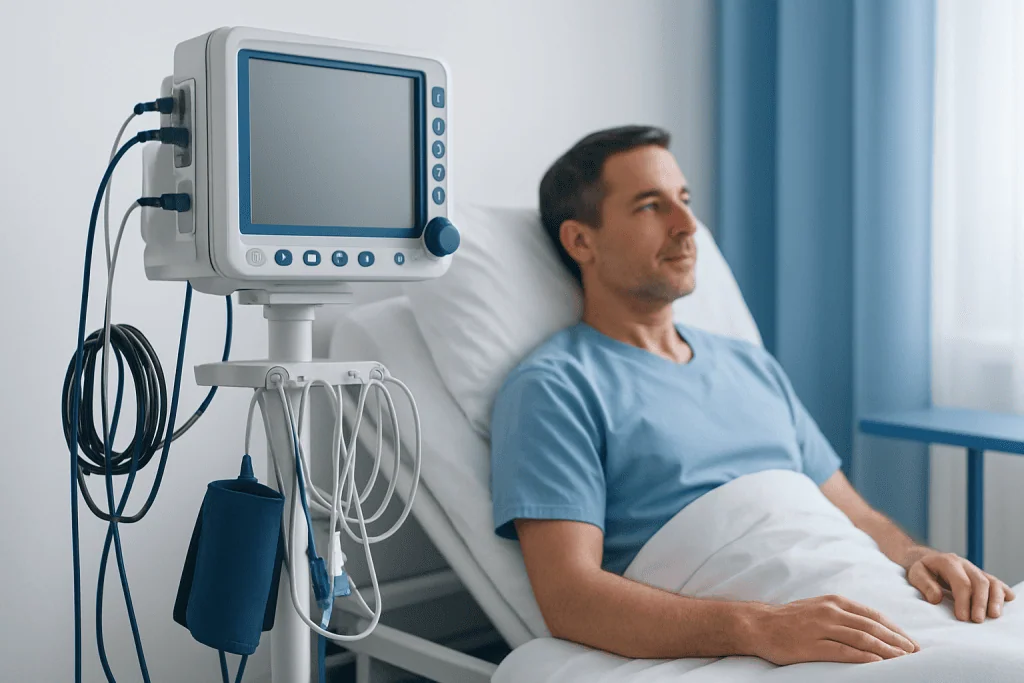
A routine only works if the room supports it. Spend your first hour at the hotel arranging things so you can reach what you need without bending, stretching or hunting through luggage. The bedside table becomes your control centre: water, medicines, phone and charger, discharge papers, tissues, hand sanitiser and a light snack. Put your passport, insurance documents and hospital contact details together in one visible folder, so nothing important lives loose in a suitcase pocket.
Then look at the floor. A clear, lit path from bed to bathroom matters more than most people expect, particularly at night and particularly in the first days after anaesthesia, when you may be less steady than you feel. Keep luggage off walking routes, avoid loose items underfoot, and leave a lamp or the bathroom light on after dark. If the bathroom itself worries you, a high tub edge, a slippery floor, the guide on accessible bathroom safety during recovery in Turkey covers what to check and what to ask the hotel for.
If a companion is with you, agree where important items are kept and how you will wake them at night if you need help. If you are recovering alone, keep the room phone within reach and save your patient coordinator’s number in your mobile. Ask reception how to reach staff quickly and whether room service can deliver simple meals at times that suit your schedule rather than the kitchen’s.
- Keep medicines in their original packaging unless your treating team has said otherwise.
- Ask housekeeping for extra pillows, extra towels or a non-slip bath mat, hotels handle these requests daily.
- Keep follow-up appointment details and transport plans in the same folder as your documents.
- Work through a full hotel room setup checklist on day one, so the room is finished before fatigue sets in.
Build your morning, midday and evening rhythm

A recovery day does not need to be complicated. Think in three blocks, morning, midday and evening, and give each block the same small set of contents: a brief self-check, any scheduled medicines, fluids, light food if recommended, gentle movement if allowed, and rest. Building a safe daily routine during hotel recovery in Turkey really is that mechanical, and the mechanical quality is the point. Decisions tire you; repetition does not.
Morning
Take a moment before standing. Notice your pain level, any dizziness or nausea, your breathing, any swelling, and how the wound or dressing feels if you have one. Move in stages, lying to sitting, sitting to standing, with a pause at each step. This is especially worth doing in the first days after anaesthesia or sedation, and after any long stretch of lying down. Then the fixed items: morning medicines at their stated time, water, and a simple breakfast if your diet guidance allows one.
Midday
Midday suits a short walk, if your doctor has approved walking: a few slow lengths of the room or the corridor, not an expedition. Resist the temptation to convert recovery into sightseeing too early. Even on a day when you feel energetic, long walks, shopping streets, crowded restaurants and public transport are tiring in ways you only notice afterwards, and they can increase swelling and discomfort. If an outing is ever appropriate, that is a question for your treating team at a follow-up visit, not something to decide from a hotel window on a sunny afternoon.
Evening
Evening is deliberately quiet. Review tomorrow’s medication schedule, set out water for the night, charge your phone, and confirm the next day’s appointment or transport time. Sleep supports healing, so reduce noise, skip late caffeine, and get your pillows arranged before you are too tired to bother. If your procedure restricts how you can lie, the guide on sleep positions after surgery explains how to make a hotel bed work within those limits.
Medication, hydration and meals: keep it simple and consistent
Medication timing is the backbone of the whole routine. Take each medicine as prescribed, at the stated times, with food or water if the instructions say so, and let the schedule run on alarms rather than memory. A phone alarm for every dose sounds excessive until the third day, when hotel days have blurred together and the alarm is the only thing distinguishing 2 pm from 4 pm.
Any change to a medicine, including stopping one because you feel better, or adding a pharmacy painkiller or herbal supplement on top, is a decision for your treating doctor, not something to settle alone in a hotel room. The same caution applies to alcohol: many discharge plans rule it out entirely while certain medicines are being taken, and it is worth knowing exactly what yours says before your first dinner out of hospital.
Keep one written medication list: name, dose, time, purpose. If you brought medicines from home, make sure your treating team knows about all of them: it reduces the risk of interactions, duplicated ingredients and confusion between similar-looking tablets. Store everything as the packaging directs; Turkish summers can push a hotel room well past the temperature some medicines tolerate.
Hydration and food follow your discharge guidance. Many patients manage best with smaller, more frequent meals in early recovery, especially after anaesthesia or while taking pain medication. Choose simple, familiar dishes and drink fluids regularly through the day unless you have been told to restrict them. Room service and delivery apps make this easy to sustain: the guide on ordering food and groceries during hotel recovery in Turkey covers the practical side, from choosing suitable meals to receiving them at your door without leaving the room.
Movement, hygiene and wound care in a hotel setting
Movement during recovery should match your medical instructions exactly, because those instructions vary enormously by procedure. Some patients are encouraged to walk gently several times a day; others have strict limits on standing, lifting or stairs. If walking is on your plan, keep each walk short, slow and indoors at first. The goal is circulation and comfort, not exercise, regular gentle movement is also one of the sensible habits covered in the guide on preventing blood clots during recovery in Turkey, which is worth reading before any long stretch of bed rest or your flight home.
Hygiene takes more planning in a hotel bathroom than at home. Your discharge instructions should tell you when you may shower, whether a dressing must stay dry, and which products to avoid on or near a healing area. Baths, pools, spas and the hammam belong to a later stage of recovery for most procedures; treat them as off the schedule unless your doctor has specifically confirmed otherwise.
If you have a dressing, drain, stitches or an incision, follow the wound care steps from your discharge sheet precisely, and apply nothing, creams, antiseptics, powders, that was not prescribed. Those same discharge instructions describe which changes in a wound matter for your particular procedure and what to do about them; that document, written for your case, is the authority here, not a general guide.
One practical note on language. Discharge sheets contain technical words, and guessing at them is how wound care goes wrong. Acibadem provides interpreter support for international patients so that instructions can be explained in a language you fully understand. If a term is unfamiliar, asking is quicker than guessing and far safer.
Keep a simple record: it is the quiet half of the routine
Recovery includes ordinary tiredness, mild discomfort and emotional ups and downs, and from inside a hotel room it can be hard to judge whether a week is going well. A short daily note fixes that. Two or three lines each evening, pain level, appetite, sleep, walking tolerance, temperature if you have been asked to check it, and anything you want to raise at follow-up, turns vague impressions into a record your doctor can actually use.
The value shows up at appointments. “Some pain, sometimes” is difficult for a clinician to work with; “pain at four out of ten each morning, easing by midday, since Tuesday” is not. The guide on keeping a daily recovery log during treatment in Turkey sets out a simple format that takes a few minutes a day and travels home with you for your local doctor as well.
Keep your practical details written down too: after-hours contact numbers given at discharge, follow-up dates, transfer times. A phone can fail or run flat; a paper copy in your document folder cannot.
Step by step
- Confirm your discharge plan before leaving hospital. Make sure you understand your medication schedule, activity limits, diet guidance, wound care steps and follow-up dates. Ask for written instructions in a language you understand, and note the after-hours contact details you are given.
- Set up your hotel room on arrival. Create a bedside recovery area, water, medicines, phone, charger, documents, snacks, and clear the walking path to the bathroom. Finish the room before fatigue does it badly.
- Put the medication schedule on alarms. One alarm per dose, plus reminders for any care tasks such as dressing checks or a scheduled short walk. If a companion is with you, share the schedule so two people are tracking it.
- Plan meals around recovery, not novelty. Simple, familiar food unless a specific diet was prescribed; regular fluids; alcohol only if your discharge plan explicitly allows it. Room service and delivery keep this sustainable without outings.
- Move gently within your approved limits. Short, slow walks indoors if walking is allowed. If a walk feels like too much, stop and rest: the limits on your activity come from your treating team and no general guide should push past them.
- Write your evening note. Two or three lines on pain, appetite, sleep and movement. Confirm tomorrow’s appointment and transport, set out night water, charge the phone.
- Treat fitness to fly as a medical question. A flight date on a ticket is not a medical clearance. Attend your follow-up visit and ask about flight timing, mobility during the journey, compression garments if recommended, and how to manage medicines in transit.
Your checklist
- Discharge instructions and follow-up appointment details
- Medication list with name, dose, timing and purpose
- Hospital, coordinator and after-hours contact numbers, on paper as well as in your phone
- Passport, insurance papers and payment documents in one folder
- Phone charger, plug adapter and power bank if needed
- Comfortable loose clothing and easy shoes with good grip
- Water bottle and approved light snacks at the bedside
- Thermometer, if your treating team asked you to monitor temperature
- Dressings or supplies only if provided or prescribed
- Transport plan for follow-up visits and the airport transfer
- A notebook or phone note for the daily recovery log
Key takeaways
- Building a safe daily routine during hotel recovery in Turkey means repeating the same small day, medicines, meals, gentle movement, hygiene, rest, rather than doing more each day.
- Set up the room on arrival: essentials at the bedside, documents in one folder, a clear lit path to the bathroom.
- Run medication timing on alarms and a written list; medication changes of any kind belong to your treating doctor.
- Keep outings off the schedule until your treating team confirms they fit your stage of recovery.
- A short evening log turns vague days into precise information for your follow-up appointments, and for your doctor at home.
Frequently asked questions
How long should I stay in a hotel after treatment in Turkey?
It depends on your procedure, your general health, your doctor’s assessment and how many follow-up visits are planned before you fly. Some patients need only a short observation period; others stay through several appointments. Confirm the recommended stay with your treating team before booking or changing a return flight, because the flight date should follow the medical plan, not the other way round.
Is it safe to recover alone in a hotel?
Some patients recover alone after minor procedures when their treating team agrees, but many benefit from a companion for the first days, for meals, medication reminders, transport and simply having a second pair of eyes on the routine. If you are alone, keep the room phone within reach, save your coordinator’s number, and let reception know how to check on you if needed.
Can I go sightseeing during hotel recovery in Istanbul?
Ask your doctor before planning any outing, even if you feel well. Crowds, stairs, uneven pavements, long walks and heat or cold are all tiring during early recovery in ways that only show up afterwards. If an outing is approved at a follow-up visit, keep it short, avoid peak hours and return to the hotel before you are exhausted rather than after.
What should I do if I do not understand my discharge instructions?
Do not guess, and do not rely on a translation app for wound care or medication wording. Ask your treating team or nurse to explain any unclear line, and use interpreter support where it is available so the explanation happens in a language you fully understand. Getting one word right on a discharge sheet is worth the few minutes it takes.
Can I order food to my hotel room after treatment?
Usually yes, and for most patients it is the sensible option in the first days. Choose simple meals within your diet guidance, be cautious with very spicy, greasy or unfamiliar dishes while taking medication or feeling nauseated, and skip alcohol unless your discharge plan explicitly allows it. If a specific diet was prescribed for your procedure, order within it.
Should I keep a written record of my recovery days?
It helps more than most patients expect. A few lines each evening on pain, appetite, sleep, walking tolerance and anything unusual gives your doctor precise information at follow-up instead of a vague summary. The same log travels home with you and gives your local doctor a clear picture of the weeks they did not see.
Does the season affect a hotel recovery routine?
Yes, at the margins. Turkish summers can make even short outdoor walks tiring and can overheat a room where medicines are stored, so air conditioning and indoor walking matter more. Winters bring wet pavements and colder transfers to appointments. The structure of the routine stays the same; the details, clothing, walking location, hydration, shift with the season.
Add us as a Preferred Source to see more of our trusted health content across Google Search, AI Overviews and Discover.

Update history
- PublishedJune 22, 2026
- Medical review approvedAugust 30, 2026
- Last content updateAugust 30, 2026
References3
- MedlinePlus: After Surgery medlineplus.gov
- MedlinePlus: Surgical wound care medlineplus.gov
- CDC Travelers' Health: Blood Clots During Travel wwwnc.cdc.gov
More Patient Guides

Flying After a C-Section: Timing for New Mothers
A C-section is real abdominal surgery that happens to come with a newborn attached, so the flying question has two clocks…

When Can You Drive After Anesthesia or Sedation?
You feel fine an hour after the procedure. You are chatting, you walked to the car unaided, you could obviously drive it.…

Flying After Hip Replacement: When Is It Safe?
Hip replacement recovers famously well, many patients walk further at three weeks than they had in three years. Flying is part…

Flying After Knee Replacement: When Is It Safe?
The knee is new, the physio is going well, and there is a boarding pass with your name on it. Flying after…